Amlodipine Besylate and Atorvastatin Calcium
Managing this medication for someone you care for? Eleplan keeps diagnoses, medications and appointments in one plan.
Start free with EleplanMedication reference
Amlodipine Besylate and Atorvastatin Calcium
ORAL
Amlodipine Besylate and Atorvastatin Calcium. INDICATIONS AND USAGE Amlodipine besylate and atorvastatin calcium tablets are indicated in patients for whom treatment with both amlodipine and…
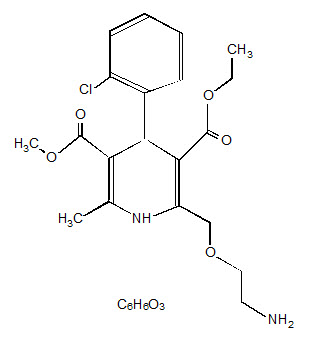
Brand names
CaduetAmlodipine besylate and Atorvastatin calcium
Active ingredients
AMLODIPINE BESYLATEATORVASTATIN CALCIUM TRIHYDRATE
Indications
INDICATIONS AND USAGE Amlodipine besylate and atorvastatin calcium tablets are indicated in patients for whom treatment with both amlodipine and atorvastatin is appropriate. Amlodipine Amlodipine besylate and atorvastatin calcium tablets are a combination of amlodipine besylate, a calcium channel blocker, and atorvastatin calcium, a HMG CoA-reductase inhibitor, indicated in patients for whom treatment with both amlodipine and atorvastatin is appropriate. Amlodipine is indicated for the treatment of hypertension, to lower blood pressure (1.1). Lowering blood pressure reduces the risk of fatal and nonfatal cardiovascular events, primarily strokes and myocardial infarctions. Amlodipine is indicated for the treatment of Coronary Artery Disease (1.2). Atorvastatin is indicated as an adjunct therapy to diet for prevention of cardiovascular disease (1.3) and hyperlipidemia (1.4). 1.1 Hypertension Amlodipine is indicated for the treatment of hypertension, to lower blood pressure. Lowering blood pressure reduces the risk of fatal and nonfatal cardiovascular events, primarily strokes and myocardial infarctions. These benefits have been seen in controlled trials of antihypertensive drugs from a wide variety of pharmacologic classes including amlodipine. Control of high blood pressure should be part of comprehensive cardiovascular risk management, including, as appropriate, lipid control, diabetes management, antithrombotic therapy, smoking cessation, exercise, and limited sodium intake. Many patients will require more than one drug to achieve blood pressure goals. For specific advice on goals and management, see published guidelines, such as those of the National High Blood Pressure Education Program’s Joint National Committee on Prevention, Detection, Evaluation, and Treatment of High Blood Pressure (JNC). Numerous antihypertensive drugs, from a variety of pharmacologic classes and with different mechanisms of action, have been shown in randomized controlled trials to reduce cardiovascular morbidity and mortality, and it can be concluded that it is blood pressure reduction, and not some other pharmacologic property of the drugs, that is largely responsible for those benefits. The largest and most consistent cardiovascular outcome benefit has been a reduction in the risk of stroke, but reductions in myocardial infarction and cardiovascular mortality also have been seen regularly. Elevated systolic or diastolic pressure causes increased cardiovascular risk, and the absolute risk increase per mmHg is greater at higher blood pressures, so that even modest reductions of severe hypertension can provide substantial benefit. Relative risk reduction from blood pressure reduction is similar across populations with varying absolute risk, so the absolute benefit is greater in patients who are at higher risk independent of their hypertension (for example, patients with diabetes or hyperlipidemia), and such patients would be expected to benefit from more aggressive treatment to a lower blood pressure goal. Some antihypertensive drugs have smaller blood pressure effects (as monotherapy) in black patients, and many antihypertensive drugs have additional approved indications and effects (e.g., on angina, heart failure, or diabetic kidney disease). These considerations may guide selection of therapy. Amlodipine may be used alone or in combination with other antihypertensive agents. 1.2 Coronary Artery Disease (CAD) Chronic Stable Angina Amlodipine is indicated for the symptomatic treatment of chronic stable angina. Amlodipine may be used alone or in combination with other antianginal agents. Vasospastic Angina (Prinzmetal’s or Variant Angina) Amlodipine is indicated for the treatment of confirmed or suspected vasospastic angina. Amlodipine may be used as monotherapy or in combination with other antianginal agents. Angiographically Documented CAD In patients with recently documented CAD by angiography and without heart failure or an ejection fraction <40%, amlodipine is indicated to reduce the risk of hospitalization for angina and to reduce the risk of a coronary revascularization procedure. Atorvastatin Therapy with HMG CoA-reductase inhibitors (lipid-altering agents) should be only one component of multiple risk factor intervention in individuals at significantly increased risk for atherosclerotic vascular disease from hypercholesterolemia. Drug therapy is recommended as an adjunct to diet when the response to a diet restricted in saturated fat and cholesterol and other nonpharmacologic measures alone has been inadequate. In patients with coronary heart disease (CHD) or multiple risk factors for CHD, atorvastatin can be started simultaneously with diet restriction. 1.3 Prevention of Cardiovascular Disease (CVD) in Adults In adult patients without clinically evident coronary heart disease, but with multiple risk factors for coronary heart disease such as age, smoking, hypertension, low high-density lipoprotein cholesterol (HDL-C), or a family history of early coronary heart disease, atorvastatin is indicated to: Reduce the risk of myocardial infarction (MI) Reduce the risk of stroke Reduce the risk for revascularization procedures and angina In adult patients with type 2 diabetes, and without clinically evident coronary heart disease, but with multiple risk factors for coronary heart disease such as retinopathy, albuminuria, smoking, or hypertension, atorvastatin is indicated to: Reduce the risk of myocardial infarction Reduce the risk of stroke In adult patients with clinically evident coronary heart disease, atorvastatin is indicated to: Reduce the risk of non-fatal myocardial infarction Reduce the risk of fatal and non-fatal stroke Reduce the risk for revascularization procedures Reduce the risk of hospitalization for congestive heart failure (CHF) Reduce the risk of angina 1.4 Hyperlipidemia Atorvastatin is indicated: As an adjunct to diet to reduce elevated total cholesterol (total-C), low-density lipoprotein cholesterol (LDL-C), apolipoprotein B (apo B), and triglycerides (TG) levels and to increase HDL-C in adult patients with primary hypercholesterolemia (heterozygous familial and nonfamilial) and mixed dyslipidemia ( Fredrickson Types IIa and IIb) As an adjunct to diet for the treatment of adult patients with elevated serum TG levels ( Fredrickson Type IV); For the treatment of adult patients with primary dysbetalipoproteinemia ( Fredrickson Type III) who do not respond adequately to diet To reduce total-C and LDL-C in patients with homozygous familial hypercholesterolemia (HoFH) as an adjunct to other lipid-lowering treatments (e.g., LDL apheresis) or if such treatments are unavailable As an adjunct to diet to reduce total-C, LDL-C, and apo B levels in pediatric patients, 10 years to 17 years of age, with heterozygous familial hypercholesterolemia (HeFH) if after an adequate trial of diet therapy the following findings are present: a. LDL-C remains ≥ 190 mg/dL or b. LDL-C remains ≥ 160 mg/dL and: there is a positive family history of premature CVD or two or more other CVD risk factors are present in the pediatric patient 1.5 Limitations of Use Atorvastatin has not been studied in conditions where the major lipoprotein abnormality is elevation of chylomicrons ( Fredrickson Types I and V).
Dosage
DOSAGE AND ADMINISTRATION Amlodipine besylate and atorvastatin calcium Dosage of amlodipine besylate and atorvastatin calcium must be individualized on the basis of both effectiveness and tolerance for each individual component in the treatment of hypertension/angina and hyperlipidemia. Select doses of amlodipine and atorvastatin independently. Amlodipine besylate and atorvastatin calcium may be substituted for its individually titrated components. Patients may be given the equivalent dose of amlodipine besylate and atorvastatin calcium or a dose of amlodipine besylate and atorvastatin calcium with increased amounts of amlodipine, atorvastatin, or both for additional antianginal effects, blood pressure lowering, or lipid-lowering effect. Amlodipine besylate and atorvastatin calcium may be used to provide additional therapy for patients already on one of its components. Amlodipine besylate and atorvastatin calcium may be used to initiate treatment in patients with hyperlipidemia and either hypertension or angina. Amlodipine The usual initial antihypertensive oral dose of amlodipine is 5 mg once daily, and the maximum dose is 10 mg once daily. Pediatric (age > 6 years), small adult, fragile, or elderly patients, or patients with hepatic insufficiency may be started on 2.5 mg once daily and this dose may be used when adding amlodipine to other antihypertensive therapy. Adjust dosage according to blood pressure goals. In general, wait 7 to 14 days between titration steps. Titration may proceed more rapidly, however, if clinically warranted, provided the patient is assessed frequently. Angina: The recommended dose of amlodipine for chronic stable or vasospastic angina is 5 to 10 mg, with the lower dose suggested in the elderly and in patients with hepatic insufficiency. Most patients will require 10 mg for adequate effect. Coronary Artery Disease : The recommended dose range of amlodipine for patients with CAD is 5 to 10 mg once daily. In clinical studies, the majority of patients required 10 mg [see Clinical Studies ( 14.4 ) ]. Pediatrics: The effective antihypertensive oral dose of amlodipine in pediatric patients ages 6 to 17 years is 2.5 mg to 5 mg once daily. Doses in excess of 5 mg daily have not been studied in pediatric patients [see Clinical Pharmacology ( 12.3 ), Clinical Studies ( 14.1 ) ]. Atorvastatin (Hyperlipidemia) Hyperlipidemia and Mixed Dyslipidemia: The recommended starting dose of atorvastatin is 10 or 20 mg once daily. Patients who require a large reduction in LDL-C (more than 45%) may be started at 40 mg once daily. The dosage range of atorvastatin is 10 to 80 mg once daily. Atorvastatin can be administered as a single dose at any time of the day, with or without food. The starting dose and maintenance doses of atorvastatin should be individualized according to patient characteristics such as goal of therapy and response. After initiation and/or upon titration of atorvastatin, lipid levels should be analyzed within 2 to 4 weeks and dosage adjusted accordingly. Homozygous Familial Hypercholesterolemia: The dosage range of atorvastatin in patients with HoFH is 10 to 80 mg daily. Atorvastatin should be used as an adjunct to other lipid-lowering treatments (e.g., LDL apheresis) in these patients or if such treatments are unavailable. Concomitant Lipid-Lowering Therapy: Atorvastatin may be used with bile acid resins. Monitor for signs of myopathy in patients receiving the combination of HMG-CoA reductase inhibitors (statins) and fibrates [see Warnings and Precautions ( 5.1 ), Drug Interactions ( 7 ) ]. Patients with Renal Impairment: Renal disease does not affect the plasma concentrations nor LDL-C reduction of atorvastatin; thus, dosage adjustment in patients with renal dysfunction is not necessary [see Warnings and Precautions ( 5.1 ), Clinical Pharmacology ( 12.3 ) ]. Use with Cyclosporine, Clarithromycin, Itraconazole, Letermovir, or Certain Protease Inhibitors: In patients taking cyclosporine or the human immunodeficiency virus (HIV) protease inhibitor tipranavir plus ritonavir or the hepatitis C virus (HCV) protease inhibitor glecaprevir plus pibrentasvir, or letermovir when co-administered with cyclosporine, therapy with atorvastatin should be avoided. In patients with HIV taking lopinavir plus ritonavir, use the lowest dose necessary of atorvastatin. In patients taking clarithromycin, itraconazole, elbasvir plus grazoprevir, or in patients with HIV taking a combination of saquinavir plus ritonavir, darunavir plus ritonavir, fosamprenavir, fosamprenavir plus ritonavir, or letermovir therapy with atorvastatin should be limited to 20 mg, and appropriate clinical assessment is recommended to ensure that the lowest dose necessary of atorvastatin is used. In patients taking the HIV protease inhibitor nelfinavir therapy with atorvastatin should be limited to 40 mg. [see Warnings and Precautions ( 5.1 ), Drug Interactions ( 7.3 )]. Heterozygous Familial Hypercholesterolemia in Pediatric Patients (10 Years to 17 Years of Age): The recommended starting dose of atorvastatin is 10 mg/day; the usual dose range is 10 to 20 mg orally once daily [see Clinical Studies ( 14.11 ) ]. Doses should be individualized according to the recommended goal of therapy [see Indications and Usage ( 1.4 ) and Clinical Pharmacology ( 12 ) ]. Adjustments should be made at intervals of 4 weeks or more. Usual starting dose (mg daily) Maximum dose (mg daily) Amlodipine 5 a 10 Atorvastatin 10 to 20 b 80 a Start small adults or children, fragile, or elderly patients, or patients with hepatic insufficiency on 2.5 mg once daily ( 2 ) b Start patients requiring large LDL-C reduction (>45%) at 40 mg once daily ( 2 )
Warnings
WARNINGS AND PRECAUTIONS Myopathy and Rhabdomyolysis: Advise patients to promptly report to their physician unexplained and/or persistent muscle pain, tenderness, or weakness. Amlodipine besylate and atorvastatin calcium therapy should be discontinued if myopathy is diagnosed or suspected ( 2 , 5.1 , 8.5 ). Immune-Mediated Necrotizing Myopathy (IMNM): Monitor for myalgia and treat ( 5.2 ). Hepatic Transaminitis: Monitor liver enzymes before and during treatment ( 5.3 ). Symptomatic hypotension is possible, particularly in patients with severe aortic stenosis. However, acute hypotension is unlikely ( 5.5 ). Angina or myocardial infarction may occur with initiation or dose increase ( 5.4 ). 5.1 Myopathy and Rhabdomyolysis Amlodipine and atorvastatin may cause myopathy (muscle pain, tenderness, or weakness with creatine kinase (CK) above ten times the upper limit of normal) and rhabdomyolysis (with or without acute renal failure secondary to myoglobinuria). Rare fatalities have occurred as a result of rhabdomyolysis with statin use, including amlodipine and atorvastatin. Risk Factors for Myopathy Risk factors for myopathy include age 65 years or greater, uncontrolled hypothyroidism, renal impairment, concomitant use with certain other drugs, and higher amlodipine and atorvastatin dosage [see Drug Interactions ( 7.3 )]. Steps to Prevent or Reduce the Risk of Myopathy and Rhabdomyolysis Amlodipine and atorvastatin exposure may be increased by drug interactions due to inhibition of cytochrome P450 enzyme 3A4 (CYP3A4) and/or transporters (e.g., breast cancer resistant protein [BCRP], organic anion-transporting polypeptide [OATP1B1/OATP1B3] and P-glycoprotein [P-gp]), resulting in an increased risk of myopathy and rhabdomyolysis. Concomitant use of cyclosporine, gemfibrozil, tipranavir plus ritonavir or glecaprevir plus pibrentasvir with amlodipine and atorvastatin is not recommended. Amlodipine and atorvastatin dosage modifications are recommended for patients taking certain anti-viral, azole antifungals, or macrolide antibiotic medications [see Dosage and Administration ( 2 )]. Cases of myopathy/rhabdomyolysis have been reported with atorvastatin co-administered with lipid modifying doses (>1 gram/day) of niacin, fibrates, colchicine, and ledipasvir plus sofosbuvir. Consider if the benefit of use of these products outweighs the increased risk of myopathy and rhabdomyolysis [see Drug Interactions (7.3)]. Concomitant intake of large quantities, more than 1.2 liters daily, of grapefruit juice is not recommended in patients taking amlodipine and atorvastatin tablets[see Drug Interactions ( 7.3 )]. Discontinue amlodipine and atorvastatin tablets if markedly elevated CK levels occur or myopathy is diagnosed or suspected. Muscle symptoms and CK increases may resolve if amlodipine and atorvastatin tablets are discontinued. Temporarily discontinue amlodipine and atorvastatin tablets in patients experiencing an acute or serious condition at high risk of developing renal failure secondary to rhabdomyolysis (e.g., sepsis; shock; severe hypovolemia; major surgery; trauma; severe metabolic, endocrine, or electrolyte disorders; or uncontrolled epilepsy). Inform patients of the risk of myopathy and rhabdomyolysis when starting or increasing the amlodipine and atorvastatin dosage. Instruct patients to promptly report any unexplained muscle pain, tenderness or weakness, particularly if accompanied by malaise or fever. 5.2 Immune-Mediated Necrotizing Myopathy There have been rare reports of immune-mediated necrotizing myopathy (IMNM), an autoimmune myopathy, associated with statin use. IMNM is characterized by: proximal muscle weakness and elevated serum creatine kinase, which persist despite discontinuation of statin treatment; positive anti-HMG CoA reductase antibody; muscle biopsy showing necrotizing myopathy; and improvement with immunosuppressive agents. Additional neuromuscular and serologic testing may be necessary. Treatment with immunosuppressive agents may be required. Consider risk of IMNM carefully prior to initiation of a different statin. If therapy is initiated with a different statin, monitor for signs and symptoms of IMNM. 5.3 Liver Dysfunction Statins, like atorvastatin, and some other lipid-lowering therapies, have been associated with biochemical abnormalities of liver function. Persistent elevations (>3 times the upper limit of normal [ULN] occurring on 2 or more occasions) in serum transaminases occurred in 0.7% of patients who received atorvastatin in clinical trials. The incidence of these abnormalities was 0.2%, 0.2%, 0.6%, and 2.3% for 10, 20, 40, and 80 mg, respectively. One patient in clinical trials with atorvastatin developed jaundice. Increases in liver function tests (LFT) in other patients were not associated with jaundice or other clinical signs or symptoms. Upon dose reduction, drug interruption, or discontinuation, transaminase levels returned to or near pretreatment levels without sequelae. Eighteen of 30 patients with persistent LFT elevations continued treatment with a reduced dose of atorvastatin. It is recommended that liver enzyme tests be obtained prior to initiating therapy with atorvastatin and repeated as clinically indicated. There have been rare postmarketing reports of fatal and non-fatal hepatic failure in patients taking statins, including atorvastatin. If serious liver injury with clinical symptoms and/or hyperbilirubinemia or jaundice occurs during treatment with amlodipine besylate and atorvastatin calcium, promptly interrupt therapy. If an alternate etiology is not found, do not restart amlodipine besylate and atorvastatin calcium. Active liver disease or unexplained persistent transaminase elevations are contraindications to the use of amlodipine besylate and atorvastatin calcium [see Contraindications ( 4 ) ]. 5.4 Increased Angina and Myocardial Infarction Worsening angina and acute myocardial infarction can develop after starting or increasing the dose of amlodipine, particularly in patients with severe obstructive coronary artery disease. 5.5 Hypotension Symptomatic hypotension is possible with use of amlodipine, particularly in patients with severe aortic stenosis. Because of the gradual onset of action, acute hypotension is unlikely. 5.6 Endocrine Function Increases in HbA1c and fasting serum glucose levels have been reported with HMG-CoA reductase inhibitors, including atorvastatin. Statins interfere with cholesterol synthesis and theoretically might blunt adrenal and/or gonadal steroid production. Clinical studies have shown that atorvastatin does not reduce basal plasma cortisol concentration or impair adrenal reserve. The effects of statins on male fertility have not been studied in adequate numbers of patients. The effects, if any, on the pituitary-gonadal axis in premenopausal women are unknown. Avoid a statin with drugs that may decrease the levels or activity of endogenous steroid hormones such as ketoconazole, spironolactone, and cimetidine. 5.7 CNS Toxicity Brain hemorrhage was seen in a female dog treated with atorvastatin for 3 months at 120 mg/kg/day. Brain hemorrhage and optic nerve vacuolation were seen in another female dog that was sacrificed in moribund condition after 11 weeks of escalating doses up to 280 mg/kg/day. The 120 mg/kg dose resulted in a systemic exposure approximately 16 times the human plasma area-under-the-curve (AUC, 0-24 hours) based on the maximum human dose of 80 mg/day. A single tonic convulsion was seen in each of 2 male dogs (one treated at 10 mg/kg/day and one at 120 mg/kg/day) in a 2-year study. No CNS lesions have been observed in mice after chronic treatment for up to 2 years at doses up to 400 mg/kg/day or in rats at doses up to 100 mg/kg/day. These doses were 6 to 11 times (mouse) and 8 to 16 times (rat) the human AUC (0-24) based on the maximum recommended human dose (MRHD) of 80 mg/day. CNS vascular lesions, characterized by perivascular hemorrhages, edema, and mon
Contraindications
CONTRAINDICATIONS • Acute liver failure or decompensated cirrhosis [see Warnings and Precautions (5.3) ] . • Hypersensitivity to amlodipine, atorvastatin or any excipients in CADUET. Hypersensitivity reactions, including anaphylaxis, angioneurotic edema, erythema multiforme, Stevens-Johnson syndrome, and toxic epidermal necrolysis, have been reported [see Adverse Reactions (6.2) ] . • Acute liver failure or decompensated cirrhosis ( 4 ). • Hypersensitivity to amlodipine, atorvastatin or any excipient in CADUET ( 4 ).
Drug interactions
DRUG INTERACTIONS Data from a drug-drug interaction study involving 10 mg of amlodipine and 80 mg of atorvastatin in healthy subjects indicate that the pharmacokinetics of amlodipine are not altered when the drugs are co-administered. The effect of amlodipine on the pharmacokinetics of atorvastatin showed no effect on the C max : 91% (90% confidence interval: 80 to 103%), but the AUC of atorvastatin increased by 18% (90% confidence interval: 109 to 127%) in the presence of amlodipine, which is not clinically meaningful. No drug interaction studies have been conducted with CADUET and other drugs, although studies have been conducted in the individual amlodipine and atorvastatin components, as described below: • See full prescribing information for details regarding concomitant use of CADUET with other drugs or grapefruit juice that increase the risk of myopathy and rhabdomyolysis ( 2.5 , 7.3 ). • Rifampin: May reduce atorvastatin plasma concentrations. Administer simultaneously with atorvastatin ( 7.4 ). • Oral Contraceptives: May increase plasma levels of norethindrone and ethinyl estradiol; consider this effect when selecting an oral contraceptive ( 7.5 ). • Digoxin: May increase digoxin plasma levels; monitor patients appropriately ( 7.5 ). Amlodipine 7.1 Impact of Other Drugs on Amlodipine CYP3A Inhibitors Co-administration with CYP3A inhibitors (moderate and strong) results in increased systemic exposure to amlodipine and may require dose reduction. Monitor for symptoms of hypotension and edema when amlodipine is co-administered with CYP3A inhibitors to determine the need for dose adjustment [see Clinical Pharmacology (12.3) ] . CYP3A Inducers No information is available on the quantitative effects of CYP3A inducers on amlodipine. Blood pressure should be closely monitored when amlodipine is co-administered with CYP3A inducers. Sildenafil Monitor for hypotension when sildenafil is co-administered with amlodipine [see Clinical Pharmacology (12.2) ] . 7.2 Impact of Amlodipine on Other Drugs Immunosuppressants Amlodipine may increase the systemic exposure of cyclosporine or tacrolimus when co-administered. Frequent monitoring of trough blood levels of cyclosporine and tacrolimus is recommended and adjust the dose when appropriate [see Clinical Pharmacology (12.3) ] . Atorvastatin 7.3 Drug Interactions that may Increase the Risk of Myopathy and Rhabdomyolysis with Atorvastatin Atorvastatin is a substrate of CYP3A4 and transporters (e.g., OATP1B1/1B3, P-gp, or BCRP). Atorvastatin plasma levels can be significantly increased with concomitant administration of inhibitors of CYP3A4 and transporters. Table 3 includes a list of drugs that may increase exposure to atorvastatin and may increase the risk of myopathy and rhabdomyolysis when used concomitantly and instructions for preventing or managing them [see Warnings and Precautions (5.1) and Clinical Pharmacology (12.3) ]. Table 3. Drug Interactions that may Increase the Risk of Myopathy and Rhabdomyolysis with Atorvastatin Cyclosporine or Gemfibrozil Clinical Impact: Atorvastatin plasma levels were significantly increased with concomitant administration of atorvastatin and cyclosporine, an inhibitor of CYP3A4 and OATP1B1 [see Clinical Pharmacology (12.3) ]. Gemfibrozil may cause myopathy when given alone. The risk of myopathy and rhabdomyolysis is increased with concomitant use of cyclosporine or gemfibrozil with atorvastatin. Intervention: Concomitant use of cyclosporine or gemfibrozil with atorvastatin is not recommended. Anti-Viral Medications Clinical Impact: Atorvastatin plasma levels were significantly increased with concomitant administration of atorvastatin with many anti-viral medications, which are inhibitors of CYP3A4 and/or transporters (e.g., BCRP, OATP1B1/1B3, P-gp, MRP2, and/or OAT2) [see Clinical Pharmacology (12.3) ]. Cases of myopathy and rhabdomyolysis have been reported with concomitant use of ledipasvir plus sofosbuvir with atorvastatin. Intervention: • Concomitant use of tipranavir plus ritonavir or glecaprevir plus pibrentasvir with atorvastatin is not recommended. • In patients taking lopinavir plus ritonavir, or simeprevir, consider the risk/benefit of concomitant use with atorvastatin. • In patients taking saquinavir plus ritonavir, darunavir plus ritonavir, fosamprenavir, fosamprenavir plus ritonavir, elbasvir plus grazoprevir or letermovir do not exceed atorvastatin 20 mg. • In patients taking nelfinavir, do not exceed atorvastatin 40 mg [see Dosage and Administration (2) ]. • Consider the risk/benefit of concomitant use of ledipasvir plus sofosbuvir with atorvastatin. • Monitor all patients for signs and symptoms of myopathy particularly during initiation of therapy and during upward dose titration of either drug. Examples: Tipranavir plus ritonavir, glecaprevir plus pibrentasvir, lopinavir plus ritonavir, simeprevir, saquinavir plus ritonavir, darunavir plus ritonavir, fosamprenavir, fosamprenavir plus ritonavir, elbasvir plus grazoprevir, letermovir, nelfinavir, and ledipasvir plus sofosbuvir. Select Azole Antifungals or Macrolide Antibiotics Clinical Impact: Atorvastatin plasma levels were significantly increased with concomitant administration of atorvastatin with select azole antifungals or macrolide antibiotics, due to inhibition of CYP3A4 and/or transporters [see Clinical Pharmacology (12.3) ]. Intervention: In patients taking clarithromycin or itraconazole, do not exceed atorvastatin 20 mg [see Dosage and Administration (2) ]. Consider the risk/benefit of concomitant use of other azole antifungals or macrolide antibiotics with atorvastatin. Monitor all patients for signs and symptoms of myopathy particularly during initiation of therapy and during upward dose titration of either drug. Examples: Erythromycin, clarithromycin, itraconazole, ketoconazole, posaconazole, and voriconazole. Niacin Clinical Impact: Cases of myopathy and rhabdomyolysis have been observed with concomitant use of lipid modifying dosages of niacin ( > 1 gram/day niacin) with atorvastatin. Intervention: Consider if the benefit of using lipid modifying dosages of niacin concomitantly with atorvastatin outweighs the increased risk of myopathy and rhabdomyolysis. If concomitant use is decided, monitor patients for signs and symptoms of myopathy particularly during initiation of therapy and during upward dose titration of either drug. Fibrates (other than Gemfibrozil) Clinical Impact: Fibrates may cause myopathy when given alone. The risk of myopathy and rhabdomyolysis is increased with concomitant use of fibrates with atorvastatin. Intervention: Consider if the benefit of using fibrates concomitantly with atorvastatin outweighs the increased risk of myopathy and rhabdomyolysis. If concomitant use is decided, monitor patients for signs and symptoms of myopathy particularly during initiation of therapy and during upward dose titration of either drug. Colchicine Clinical Impact: Cases of myopathy and rhabdomyolysis have been reported with concomitant use of colchicine with atorvastatin. Intervention: Consider the risk/benefit of concomitant use of colchicine with atorvastatin. If concomitant use is decided, monitor patients for signs and symptoms of myopathy particularly during initiation of therapy and during upward dose titration of either drug. Grapefruit Juice Clinical Impact: Grapefruit juice consumption, especially excessive consumption, more than 1.2 liters/daily can raise the plasma levels of atorvastatin and may increase the risk of myopathy and rhabdomyolysis. Intervention: Avoid intake of large quantities of grapefruit juice, more than 1.2 liters daily, when taking atorvastatin. 7.4 Drug Interactions that may Decrease Exposure to Atorvastatin Table 4 presents drug interactions that may decrease exposure to atorvastatin and instructions for preventing or managing them. Table 4. Drug Interactions that may Decrease Exposure to Atorvastatin Rifampin Clinical Impact: Concomitant administration of
Adverse reactions
ADVERSE REACTIONS The following important adverse reactions are described below and elsewhere in the labeling: • Myopathy and Rhabdomyolysis [see Warnings and Precautions (5.1) ] • Immune-Mediated Necrotizing Myopathy [see Warnings and Precautions (5.2) ] • Hepatic Dysfunction [see Warnings and Precautions (5.3) ] • Increases in HbA1c and Fasting Serum Glucose Levels [see Warnings and Precautions (5.6) ] Most common adverse reaction to amlodipine is edema which occurred in a dose related manner ( 6.1 ). Most common adverse reactions (incidence ≥ 5%) are nasopharyngitis, arthralgia, diarrhea, pain in extremity, and urinary tract infection to atorvastatin ( 6.1 ). To report SUSPECTED ADVERSE REACTIONS, contact Pfizer Inc. at 1-800-438-1985 or FDA at 1-800-FDA-1088 or www.fda.gov/medwatch 6.1 Clinical Trials Experience Because clinical trials are conducted under widely varying conditions,the adverse reaction rates observed in the clinical trials of a drug cannot be directly compared to rates in the clinical trials of another drug and may not reflect the rates observed in practice. CADUET CADUET (amlodipine/atorvastatin) has been evaluated for safety in 1092 patients in double-blind placebo-controlled studies treated for co-morbid hypertension and dyslipidemia. In general, treatment with CADUET was well tolerated. For the most part, adverse reactions have been mild or moderate in severity. In clinical trials with CADUET, no adverse reactions peculiar to this combination have been observed. Adverse reactions are similar in terms of nature, severity, and frequency to those reported previously with amlodipine and atorvastatin. The following information is based on the clinical experience with amlodipine and atorvastatin. Amlodipine Amlodipine has been evaluated for safety in more than 11,000 patients in U.S. and foreign clinical trials. In general, treatment with amlodipine was well tolerated at doses up to 10 mg daily. Most adverse reactions reported during therapy with amlodipine were of mild or moderate severity. In controlled clinical trials directly comparing amlodipine (N=1730) at doses up to 10 mg to placebo (N=1250), discontinuation of amlodipine because of adverse reactions was required in only about 1.5% of patients and was not significantly different from placebo (about 1%). The most commonly reported side effects more frequent than placebo are dizziness and edema. The incidence (%) of side effects that occurred in a dose related manner are as follows: Amlodipine 2.5 mg 5 mg 10 mg Placebo N=275 N=296 N=268 N=520 Edema 1.8 3.0 10.8 0.6 Dizziness 1.1 3.4 3.4 1.5 Flushing 0.7 1.4 2.6 0.0 Palpitations 0.7 1.4 4.5 0.6 Other adverse reactions that were not clearly dose related but were reported at an incidence greater than 1.0% in placebo-controlled clinical trials include the following: Amlodipine (%) Placebo (%) (N=1730) (N=1250) Fatigue 4.5 2.8 Nausea 2.9 1.9 Abdominal Pain 1.6 0.3 Somnolence 1.4 0.6 Edema, flushing, palpitations, and somnolence appear to be more common in women than in men. The following events occurred in < 1% but > 0.1% of patients treated with amlodipine in controlled clinical trials or under conditions of open trials or marketing experience where a causal relationship is uncertain; they are listed to alert the physician to a possible relationship: Cardiovascular: arrhythmia (including ventricular tachycardia and atrial fibrillation), bradycardia, chest pain, peripheral ischemia, syncope, tachycardia, vasculitis. Central and Peripheral Nervous System: hypoesthesia, neuropathy peripheral, paresthesia, tremor, vertigo. Gastrointestinal: anorexia, constipation, dysphagia, diarrhea, flatulence, pancreatitis, vomiting, gingival hyperplasia. General: allergic reaction, asthenia, 2 back pain, hot flushes, malaise, pain, rigors, weight gain, weight decrease. Musculoskeletal System: arthralgia, arthrosis, muscle cramps, 2 myalgia. Psychiatric: sexual dysfunction (male 2 and female), insomnia, nervousness, depression, abnormal dreams, anxiety, depersonalization. Respiratory System: dyspnea, 2 epistaxis. Skin and Appendages: angioedema, erythema multiforme, pruritus, 2 rash, 2 rash erythematous, rash maculopapular. Special Senses: abnormal vision, conjunctivitis, diplopia, eye pain, tinnitus. Urinary System: micturition frequency, micturition disorder, nocturia. Autonomic Nervous System: dry mouth, sweating increased. Metabolic and Nutritional: hyperglycemia, thirst. Hemopoietic: leukopenia, purpura, thrombocytopenia. 2 These events occurred in less than 1% in placebo controlled trials, but the incidence of these side effects was between 1% and 2% in all multiple dose studies. Amlodipine therapy has not been associated with clinically significant changes in routine laboratory tests. No clinically relevant changes were noted in serum potassium, serum glucose, total TG, TC, HDL-C, uric acid, blood urea nitrogen, or creatinine. Atorvastatin In the atorvastatin placebo-controlled clinical trial database of 16066 patients (8755 atorvastatin vs. 7311 placebo; age range 10‑93 years, 39% female, 91% White, 3% Black or African American, 2% Asian, 4% other) with a median treatment duration of 53 weeks, the most common adverse reactions in patients treated with atorvastatin that led to treatment discontinuation and occurred at a rate greater than placebo were: myalgia (0.7%), diarrhea (0.5%), nausea (0.4%), alanine aminotransferase increase (0.4%), and hepatic enzyme increase (0.4%). Table 2 summarizes adverse reactions, reported in ≥ 2% and at a rate greater than placebo in patients treated with atorvastatin (n=8755), from seventeen placebo-controlled trials. Table 2. Adverse Reactions Occurring in ≥ 2% in Patients Atorvastatin-Treated with any Dose and Greater than Placebo Adverse Reaction % Placebo N=7311 % 10 mg N=3908 % 20 mg N=188 % 40 mg N=604 % 80 mg N=4055 % Any dose N=8755 Nasopharyngitis 8.2 12.9 5.3 7.0 4.2 8.3 Arthralgia 6.5 8.9 11.7 10.6 4.3 6.9 Diarrhea 6.3 7.3 6.4 14.1 5.2 6.8 Pain in extremity 5.9 8.5 3.7 9.3 3.1 6.0 Urinary tract infection 5.6 6.9 6.4 8.0 4.1 5.7 Dyspepsia 4.3 5.9 3.2 6.0 3.3 4.7 Nausea 3.5 3.7 3.7 7.1 3.8 4.0 Musculoskeletal pain 3.6 5.2 3.2 5.1 2.3 3.8 Muscle spasms 3.0 4.6 4.8 5.1 2.4 3.6 Myalgia 3.1 3.6 5.9 8.4 2.7 3.5 Insomnia 2.9 2.8 1.1 5.3 2.8 3.0 Pharyngolaryngeal pain 2.1 3.9 1.6 2.8 0.7 2.3 Other adverse reactions reported in placebo-controlled trials include: Body as a Whole: malaise, pyrexia Digestive System: abdominal discomfort, eructation, flatulence, hepatitis, cholestasis Musculoskeletal System: musculoskeletal pain, muscle fatigue, neck pain, joint swelling Metabolic and Nutritional System: transaminases increase, liver function test abnormal, blood alkaline phosphatase increase, creatine phosphokinase increase, hyperglycemia Nervous System: nightmare Respiratory System: epistaxis Skin and Appendages: urticaria Special Senses: vision blurred, tinnitus Urogenital System: white blood cells urine positive. Elevations in Liver Enzyme Tests Persistent elevations in serum transaminases, defined as more than 3 times the ULN and occurring on 2 or more occasions, occurred in 0.7% of patients who received atorvastatin in clinical trials. The incidence of these abnormalities was 0.2%, 0.2%, 0.6%, and 2.3% for 10, 20, 40, and 80 mg, respectively. One patient in clinical trials developed jaundice. Increases in liver enzyme tests in other patients were not associated with jaundice or other clinical signs or symptoms. Upon dose reduction, drug interruption, or discontinuation, transaminase levels returned to or near pretreatment levels without sequelae. Eighteen of 30 patients with persistent liver enzyme elevations continued treatment with a reduced dose of atorvastatin. Treating to New Targets Study (TNT) In TNT, [see Clinical Studies (14.6) ] 10,001 patients (age range 29–78 years, 19% female; 94% White, 3% Black or African American, 1% Asian, 2% other) with clinically evident CHD were treated with atorvast
Mechanism of action
Mechanism of Action Amlodipine besylate and atorvastatin calcium is a combination of two drugs, a dihydropyridine calcium channel blocker (amlodipine) and an HMG-CoA reductase inhibitor (atorvastatin). The amlodipine component of amlodipine besylate and atorvastatin calcium inhibits the transmembrane influx of calcium ions into vascular smooth muscle and cardiac muscle. The atorvastatin component of amlodipine besylate and atorvastatin calcium is a selective, competitive inhibitor of HMG-CoA reductase, the rate-limiting enzyme that converts 3-hydroxy-3-methylglutaryl-coenzyme A to mevalonate, a precursor of sterols, including cholesterol. Amlodipine Amlodipine binds to both dihydropyridine and nondihydropyridine binding sites. The contractile processes of cardiac muscle and vascular smooth muscle are dependent upon the movement of extracellular calcium ions into these cells through specific ion channels. Amlodipine inhibits calcium ion influx across cell membranes selectively, with a greater effect on vascular smooth muscle cells than on cardiac muscle cells. Negative inotropic effects can be detected in vitro but such effects have not been seen in intact animals at therapeutic doses. Serum calcium concentration is not affected by amlodipine. Amlodipine is a peripheral arterial vasodilator that acts directly on vascular smooth muscle to cause a reduction in peripheral vascular resistance and reduction in blood pressure. The precise mechanisms by which amlodipine relieves angina have not been fully delineated, but are thought to include the following: Exertional Angina: In patients with exertional angina, amlodipine reduces the total peripheral resistance (afterload) against which the heart works and reduces the rate pressure product, and thus myocardial oxygen demand, at any given level of exercise. Vasospastic Angina: Amlodipine has been demonstrated to block constriction and restore blood flow in coronary arteries and arterioles in response to calcium, potassium epinephrine, serotonin, and thromboxane A2 analog in experimental animal models and in human coronary vessels in vitro . This inhibition of coronary spasm is responsible for the effectiveness of amlodipine in vasospastic (Prinzmetal’s or variant) angina. Atorvastatin Atorvastatin is a selective, competitive inhibitor of HMG-CoA reductase, the rate-limiting enzyme that converts 3-hydroxy-3-methylglutaryl-coenzyme A to mevalonate, a precursor of sterols, including cholesterol. In animal models, atorvastatin lowers plasma cholesterol and lipoprotein levels by inhibiting HMG-CoA reductase and cholesterol synthesis in the liver and by increasing the number of hepatic LDL receptors on the cell surface to enhance uptake and catabolism of LDL; atorvastatin also reduces LDL production and the number of LDL particles.
NDC examples
0069-22600069-21500069-217043598-31343598-32343598-320
Treats these conditions
Assistance programs
Source: openFDA + RxNorm · 2026
Look up another medication