Bepotastine
Managing this medication for someone you care for? Eleplan keeps diagnoses, medications and appointments in one plan.
Start free with EleplanMedication reference
Bepotastine
OPHTHALMIC
Bepotastine. INDICATIONS AND USAGE Bepotastine besilate ophthalmic solution, 1.5% is a histamine H 1 receptor antagonist indicated for the treatment of itching…
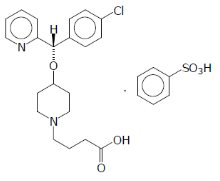
Brand names
BepreveBepotastine Besilate
Active ingredients
BEPOTASTINE BESYLATEBEPOTASTINE BESILATE
Indications
INDICATIONS AND USAGE Bepotastine besilate ophthalmic solution, 1.5% is a histamine H 1 receptor antagonist indicated for the treatment of itching associated with signs and symptoms of allergic conjunctivitis. Bepotastine besilate ophthalmic solution is a histamine H 1 receptor antagonist indicated for the treatment of itching associated with allergic conjunctivitis. ( 1 )
Dosage
DOSAGE AND ADMINISTRATION Instill one drop of Bepotastine Besilate Ophthalmic Solution into the affected eye(s) twice a day. Remove contact lenses prior to instillation of Bepotastine Besilate Ophthalmic Solution. Instill one drop into the affected eye(s) twice a day. ( 2 ) Remove contact lenses prior to instillation of Bepotastine Besilate Ophthalmic Solution. ( 2 )
Warnings
WARNINGS AND PRECAUTIONS Contamination of Solution: Do not touch the dropper tip to any surface. Keep bottle tightly closed when not in use. ( 5.1 ) Contact Lens Wear: Bepotastine Besilate Ophthalmic Solution should not be used to treat contact lens-related irritation. ( 5.2 ) 5.1 Contamination of Tip and Solution To minimize contaminating the dropper tip and solution, advise the patient not to touch the eyelids or surrounding areas with the dropper tip of the bottle and to keep the bottle tightly closed when not in use. 5.2 Contact Lens Wear Bepotastine Besilate Ophthalmic Solution should not be used to treat contact lens-related irritation. Bepotastine Besilate Ophthalmic Solution should not be instilled while wearing contact lenses. Patient should remove contact lenses prior to instillation of Bepotastine Besilate Ophthalmic Solution, because benzalkonium chloride may be absorbed by soft contact lenses. Lenses may be reinserted after 10 minutes following administration of Bepotastine Besilate Ophthalmic Solution. 5.1 Contamination of Tip and Solution To minimize contaminating the dropper tip and solution, advise the patient not to touch the eyelids or surrounding areas with the dropper tip of the bottle and to keep the bottle tightly closed when not in use. 5.2 Contact Lens Wear Bepotastine Besilate Ophthalmic Solution should not be used to treat contact lens-related irritation. Bepotastine Besilate Ophthalmic Solution should not be instilled while wearing contact lenses. Patient should remove contact lenses prior to instillation of Bepotastine Besilate Ophthalmic Solution, because benzalkonium chloride may be absorbed by soft contact lenses. Lenses may be reinserted after 10 minutes following administration of Bepotastine Besilate Ophthalmic Solution.
Contraindications
CONTRAINDICATIONS Bepotastine Besilate Ophthalmic Solution is contraindicated in patients with a history of hypersensitivity reactions to bepotastine or any of the other ingredients [see Adverse Reactions ( 6.2 )] . Hypersensitivity to any component of this product. ( 4 )
Adverse reactions
ADVERSE REACTIONS The most common adverse reaction occurring in approximately 25% of patients was a mild taste following instillation. Other adverse reactions which occurred in 2-5% of subjects were eye irritation, headache, and nasopharyngitis. ( 6.1 ) To report SUSPECTED ADVERSE REACTIONS, contact Bausch & Lomb Incorporated at 1-800-553-5340 or FDA at 1-800-FDA-1088 or www.fda.gov/medwatch. 6.1 Clinical Trials Experience Because clinical trials are conducted under widely varying conditions, adverse reaction rates observed in the clinical trials of a drug cannot be directly compared to rates in the clinical trials of another drug and may not reflect the rates observed in clinical practice. The most common reported adverse reaction occurring in approximately 25% of subjects was a mild taste following instillation. Other adverse reactions occurring in 2-5% of subjects were eye irritation, headache, and nasopharyngitis. 6.2 Post-Marketing Experience Hypersensitivity reactions have been reported rarely during the post-marketing use of Bepotastine Besilate Ophthalmic Solution. Because these reactions are reported voluntarily from a population of unknown size, it is not always possible to reliably estimate their frequency or establish a causal relationship to drug exposure. The hypersensitivity reactions may include itching, body rash, and swelling of lips, tongue and/or throat. 6.1 Clinical Trials Experience Because clinical trials are conducted under widely varying conditions, adverse reaction rates observed in the clinical trials of a drug cannot be directly compared to rates in the clinical trials of another drug and may not reflect the rates observed in clinical practice. The most common reported adverse reaction occurring in approximately 25% of subjects was a mild taste following instillation. Other adverse reactions occurring in 2-5% of subjects were eye irritation, headache, and nasopharyngitis. 6.2 Post-Marketing Experience Hypersensitivity reactions have been reported rarely during the post-marketing use of Bepotastine Besilate Ophthalmic Solution. Because these reactions are reported voluntarily from a population of unknown size, it is not always possible to reliably estimate their frequency or establish a causal relationship to drug exposure. The hypersensitivity reactions may include itching, body rash, and swelling of lips, tongue and/or throat.
Mechanism of action
Mechanism of Action Bepotastine is a topically active, direct H 1 -receptor antagonist and an inhibitor of the release of histamine from mast cells.
NDC examples
24208-62982260-6300378-705524208-630
Indicated ICD-10 codes
Treats these conditions
Source: openFDA + RxNorm · 2026
Look up another medication