Brompheniramine
Managing this medication for someone you care for? Eleplan keeps diagnoses, medications and appointments in one plan.
Start free with EleplanMedication reference
Brompheniramine
ORAL
Brompheniramine. INDICATIONS AND USAGE For relief of coughs and upper respiratory symptoms, including nasal congestion, associated with allergy or the common cold.
Brand names
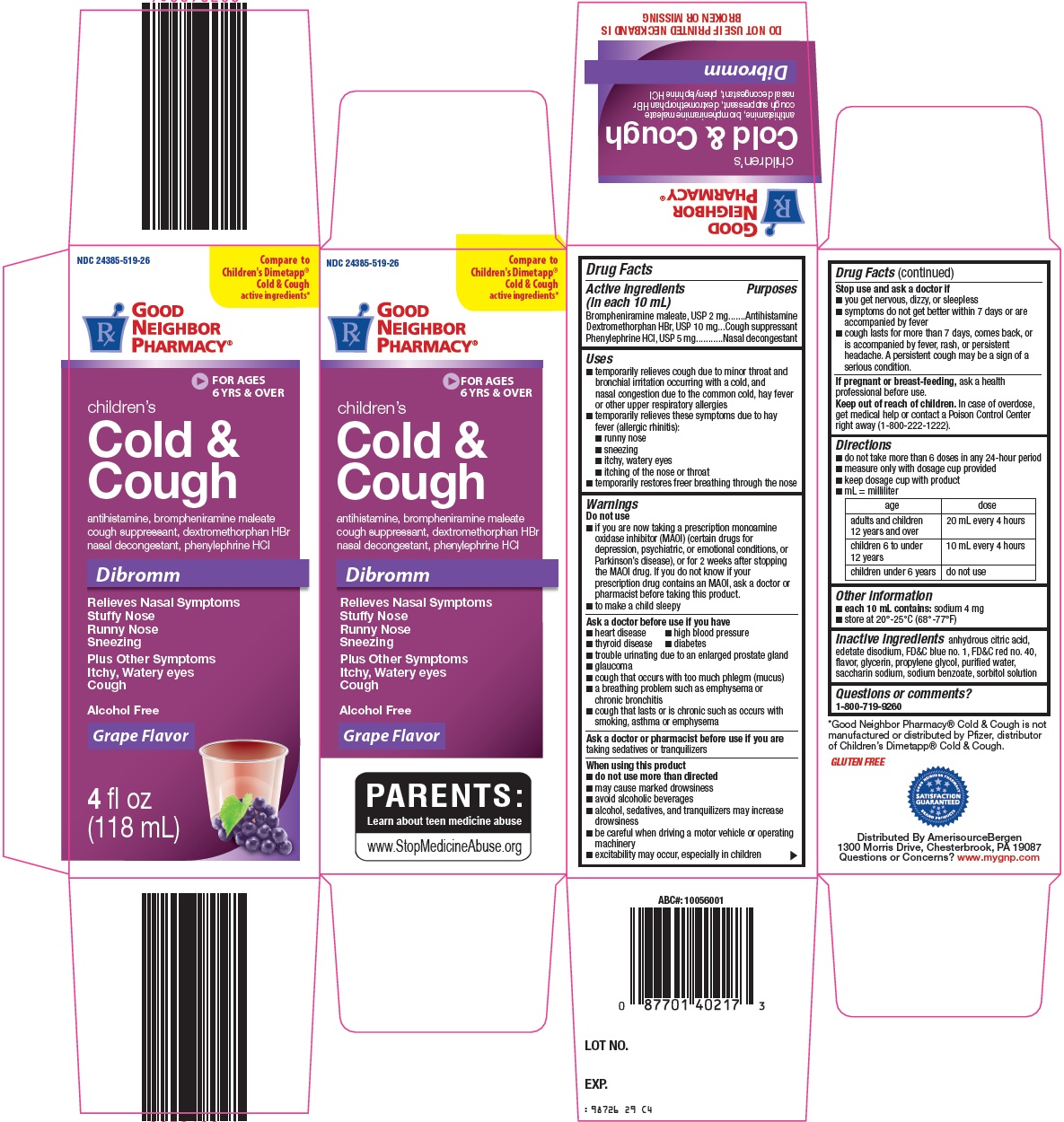
Brompheniramine, Pseudoephedrine, DextromethorphanBrompheniramine maleate, pseudoephedrine hydrochloride,
Active ingredients
BROMPHENIRAMINE MALEATEDEXTROMETHORPHAN HYDROBROMIDEPSEUDOEPHEDRINE HYDROCHLORIDE
Indications
INDICATIONS AND USAGE For relief of coughs and upper respiratory symptoms, including nasal congestion, associated with allergy or the common cold.
Dosage
DOSAGE AND ADMINISTRATION Adults and pediatric patients 12 years of age and over: 10 mL (2 teaspoonfuls) every 4 hours. Children 6 to under 12 years of age: 5 mL (1 teaspoonful) every 4 hours. Children 2 to under 6 years of age: 2.5 mL (½ teaspoonful) every 4 hours. Infants 6 months to under 2 years of age: Dosage to be established by a physician. Do not exceed 6 doses during a 24-hour period.
Warnings
WARNINGS Especially in infants and small children, antihistamines in overdosage may cause hallucinations, convulsions, and death. Antihistamines may diminish mental alertness. In the young child, they may produce excitation.
Contraindications
CONTRAINDICATIONS Hypersensitivity to any of the ingredients. Do not use in the newborn, in premature infants, in nursing mothers, or in patients with severe hypertension or severe coronary artery disease. Do not use dextromethorphan in patients receiving monoamine oxidase (MAOI) inhibitors (see PRECAUTIONS - Drug Interactions ). Antihistamines should not be used to treat lower respiratory tract conditions including asthma.
Drug interactions
DRUG INTERACTIONS Monoamine oxidase (MAO) inhibitors Hyperpyrexia, hypotension, and death have been reported coincident with the coadministration of MAO inhibitors and products containing dextromethorphan. In addition, MAO inhibitors prolong and intensify the anticholinergic (drying) effects of antihistamines and may enhance the effect of pseudoephedrine. Concomitant administration of brompheniramine maleate, pseudoephedrine hydrochloride and dextromethorphan hydrobromide syrup and MAO inhibitors should be avoided (see CONTRAINDICATIONS ). Central nervous system (CNS) depressants Antihistamines have additive effects with alcohol and other CNS depressants (hypnotics, sedatives, tranquilizers, antianxiety agents, etc.). Antihypertensive drugs Sympathomimetic may reduce the effects of antihypertensive drugs.
Adverse reactions
ADVERSE REACTIONS The most frequent adverse reactions to brompheniramine maleate, pseudoephedrine hydrochloride and dextromethorphan hydrobromide syrup are: sedation; dryness of mouth, nose and throat; thickening of bronchial secretions; dizziness. Other adverse reactions may include: Dermatologic: Urticaria, drug rash, photosensitivity, pruritus. Cardiovascular System: Hypotension, hypertension, cardiac arrhythmias, palpitation. CNS: Disturbed coordination, tremor, irritability, insomnia, visual disturbances, weakness, nervousness, convulsions, headache, euphoria, and dysphoria. G.U. System : Urinary frequency, difficult urination. G.I. System : Epigastric discomfort, anorexia, nausea, vomiting, diarrhea, constipation. Respiratory System: Tightness of chest and wheezing, shortness of breath. Hematologic System: Hemolytic anemia, thrombocytopenia, agranulocytosis.
Mechanism of action
CLINICAL PHARMACOLOGY Brompheniramine maleate is a histamine antagonist, specifically an H 1 -receptor-blocking agent belonging to the alkylamine class of antihistamines. Antihistamines appear to compete with histamine for receptor sites on effector cells. Brompheniramine also has anticholinergic (drying) and sedative effects. Among the antihistaminic effects, it antagonizes the allergic response (vasodilation, increased vascular permeability, increased mucus secretion) of nasal tissue. Brompheniramine is well absorbed from the gastrointestinal tract, with peak plasma concentration after single, oral dose of 4 mg reached in 5 hours; urinary excretion is the major route of elimination, mostly as products of biodegradation; the liver is assumed to be the main site of metabolic transformation. Pseudoephedrine acts on sympathetic nerve endings and also on smooth muscle, making it useful as a nasal decongestant. The nasal decongestant effect is mediated by the action of pseudoephedrine on α-sympathetic receptors, producing vasoconstriction of the dilated nasal arterioles. Following oral administration, effects are noted within 30 minutes with peak activity occurring at approximately one hour. Dextromethorphan acts centrally to elevate the threshold for coughing. It has no analgesic or addictive properties. The onset of antitussive action occurs in 15 to 30 minutes after administration and is of long duration.
Available forms (7)
12 HR brompheniramine maleate 11 MG Extended Release Oral Tablet12 HR brompheniramine maleate 6 MG Extended Release Oral Tabletbrompheniramine maleate 0.2 MG/ML Oral Solutionbrompheniramine maleate 0.4 MG/ML Oral Solutionbrompheniramine maleate 10 MG/ML Injectable Solutionbrompheniramine maleate 6 MG Oral Tablet12 HR brompheniramine maleate 11 MG Extended Release Oral Tablet [Respa-BR]brand
NDC examples
67877-55871930-026
Treats these conditions
Source: openFDA + RxNorm · 2026
Look up another medication