Carbidopa and Levodopa
Managing this medication for someone you care for? Eleplan keeps diagnoses, medications and appointments in one plan.
Start free with EleplanMedication reference
Carbidopa and Levodopa
Aromatic Amino Acid [EPC] — ORAL · ENTERAL
Carbidopa and Levodopa — Aromatic Amino Acid [EPC]. INDICATIONS AND USAGE Carbidopa and levodopa orally disintegrating tablets are indicated in the treatment of Parkinson’s disease, post-encephalitic…
Brand names
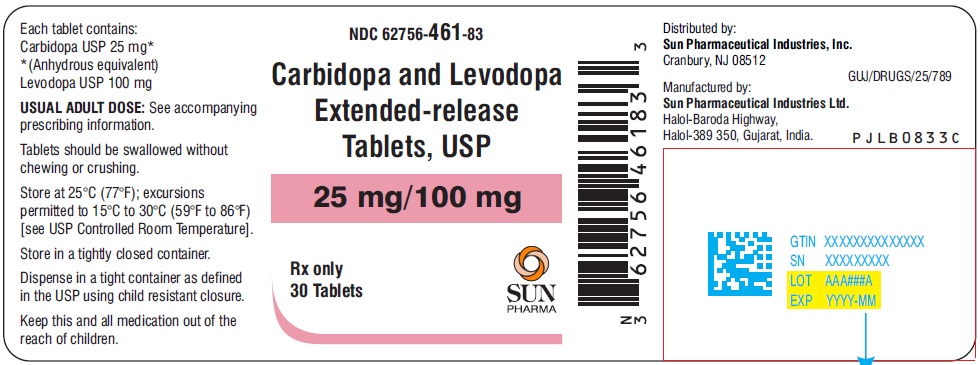
Carbidopa and LevodopaCREXONTCARBIDOPA AND LEVODOPACarbidopa and levodopaCarbidopa-levodopaRYTARYDuopaSINEMET
Active ingredients
CARBIDOPA HYDRATELEVODOPACARBIDOPA
Indications
INDICATIONS AND USAGE Carbidopa and levodopa orally disintegrating tablets are indicated in the treatment of Parkinson’s disease, post-encephalitic parkinsonism, and symptomatic parkinsonism that may follow carbon monoxide intoxication or manganese intoxication. Carbidopa allows patients treated for Parkinson’s disease to use much lower doses of levodopa. Some patients who responded poorly to levodopa have improved on carbidopa and levodopa orally disintegrating tablets. This is most likely due to decreased peripheral decarboxylation of levodopa caused by administration of carbidopa rather than by a primary effect of carbidopa on the nervous system. Carbidopa has not been shown to enhance the intrinsic efficacy of levodopa. Carbidopa may also reduce nausea and vomiting and permit more rapid titration of levodopa.
Dosage
DOSAGE AND ADMINISTRATION Evaluate vitamin B6 levels prior to starting treatment with carbidopa/levodopa therapies. ( 2.1 ) The maximum recommended daily dose of DUOPA is 2000 mg of levodopa (i.e., one cassette per day) administered over 16 hours ( 2.2) Prior to initiating DUOPA, convert patients from all forms of levodopa to oral immediate-release carbidopa-levodopa tablets (1:4 ratio) ( 2.3 ) Titrate total daily dose based on clinical response for the patient ( 2.3 ) Administer DUOPA into the jejunum through a percutaneous endoscopic gastrostomy with jejunal tube (PEG-J) with the CADD®-Legacy 1400 portable infusion pump ( 2.4) 2.1 Management of Vitamin B6 Levels Evaluate vitamin B6 levels prior to initiating carbidopa/levodopa therapies including DUOPA, periodically during treatment, and as clinically indicated [see Warnings and Precautions ( 5.9 )] . If vitamin B6 levels are low, supplement to sufficient levels per standard of care. Patients may initiate and continue treatment with DUOPA while supplementing vitamin B6. 2. 2 DUOPA Daily Dose DUOPA is administered over a 16-hour infusion period. The daily dose is determined by individualized patient titration and composed of: A Morning Dose A Continuous Dose Extra Doses The maximum recommended daily dose of DUOPA is 2000 mg of the levodopa component (i.e., one cassette per day) administered over 16 hours. At the end of the daily 16-hour infusion, patients will disconnect the pump from the PEG-J and take their night-time dose of oral immediate-release carbidopa-levodopa tablets. Treatment with DUOPA is initiated in 3 steps [see Dosage and Administration ( 2.3 ) ] : Conversion of patients to oral immediate-release carbidopa-levodopa tablets in preparation for DUOPA treatment. Calculation and administration of the DUOPA starting dose (Morning Dose and Continuous Dose) for Day 1. Titration of the dose as needed based on individual clinical response and tolerability. Extra Doses DUOPA has an extra dose function that can be used to manage acute “Off” symptoms that are not controlled by the Morning Dose and the Continuous Dose administered over 16 hours. The extra dose function should be set at 1 mL (20 mg of levodopa) when starting DUOPA. If the amount of the extra dose needs to be adjusted, it is typically done in 0.2 mL increments. The extra dose frequency should be limited to one extra dose every 2 hours. Administration of frequent extra doses may cause or worsen dyskinesias. Once no further adjustments are required to the DUOPA Morning Dose, Continuous Dose, or Extra Dose, this dosing regimen should be administered daily. Over time, additional changes may be necessary based on the patient’s clinical response and tolerability. 2. 3 Initiation and Titration Instructions Prepare for DUOPA Treatment Prior to initiating DUOPA, convert patients from all other forms of levodopa to oral immediate-release carbidopa-levodopa tablets (1:4 ratio). Patients should remain on a stable dose of their concomitant medications taken for the treatment of Parkinson's disease before initiation of DUOPA infusion. Healthcare providers should ensure patients take their oral Parkinson's disease medications the morning of the PEG-J procedure. Determine the DUOPA Starting Dose for Day 1 The steps for determining the initial DUOPA daily dosing (Morning Dose and Continuous Dose) for Day 1 are outlined below. Step 1: Calculate and administer the DUOPA Morning Dose for Day 1 a. Determine the total amount of levodopa (in milligrams) in the first dose of oral immediate-release carbidopa-levodopa that was taken by the patient on the previous day. b. Convert the oral levodopa dose from milligrams to milliliters by multiplying the oral dose by 0.8 and dividing by 20 mg/mL. This calculation will provide the Morning Dose of DUOPA in milliliters. c. Add 3 milliliters to the Morning Dose to fill (prime) the intestinal tube to obtain the Total Morning Dose. d. The Total Morning Dose is usually administered over 10 to 30 minutes. e. Program the pump to deliver the Total Morning Dose. Step 2: Calculate and administer the DUOPA Continuous Dose for Day 1 a. Determine the amount of oral immediate-release levodopa that the patient received from oral immediate-release carbidopa-levodopa doses throughout the previous day (16 waking hours), in milligrams. Do not include the doses of oral immediate-release carbidopa-levodopa taken at night when calculating the levodopa amount. b. Subtract the first oral levodopa dose in milligrams taken by the patient on the previous day (determined in Step 1 (a)) from the total oral levodopa dose in milligrams taken over 16 waking hours (determined in Step 2 (a)). Divide the result by 20 mg/mL. This is the dose of DUOPA administered as a Continuous Dose (in mL) over 16 hours. c. The hourly infusion rate (mL per hour) is obtained by dividing the Continuous Dose by 16 (hours). This value will be programmed into the pump as the continuous rate. d. If persistent or numerous “Off” periods occur during the 16-hour infusion, consider increasing the Continuous Dose or using the Extra Dose function. If dyskinesia or DUOPA-related adverse reactions occur, consider decreasing the Continuous Dose or stopping the infusion until the adverse reactions subside. DUOPA Titration The daily dose of DUOPA can be titrated as needed, based on the patient’s individual clinical response and tolerability after Day 1 of DUOPA treatment and until a stable daily dose is maintained. Adjustments to concomitant Parkinson’s disease medications may be needed. In the controlled trial, the average number of titration days required to establish a stable Morning and Continuous Dose was 5 days. Additional dose adjustments may be necessary over time based on the patient level of activity and disease progression. The recommendations for adjusting the DUOPA Morning and Continuous Doses are provided below. Morning Dose Adjustment If there was an inadequate clinical response within 1 hour of the Morning Dose on the preceding day, adjust the Morning Dose (excluding the 3 mL to fill the tube) as follows: If the Morning Dose on the preceding day was less than or equal to 6 mL, increase the Morning Dose by 1 mL. If the Morning Dose on the preceding day was greater than 6 mL, increase the Morning Dose by 2 mL. If the patient experienced dyskinesias or DUOPA-related adverse reactions within 1 hour of the Morning Dose on the preceding day, decrease the Morning Dose by 1 mL. Continuous Dose Adjustment Consider increasing the Continuous Dose based on the number and volume of Extra Doses of DUOPA (i.e., total amount of levodopa component) that were needed for the previous day and the patient’s clinical response. Consider decreasing the Continuous Dose if the patient experienced troublesome dyskinesia, or other troublesome DUOPA-related adverse reactions on the preceding day: For troublesome adverse reactions lasting for a period of one hour or more, decrease the Continuous Dose by 0.3 mL per hour. For troublesome adverse reactions lasting for two or more periods of one hour or more, decrease the Continuous Dose by 0.6 mL per hour. 2. 4 Administration Information DUOPA should be used at room temperature. Take one DUOPA cassette out of the refrigerator and out of the carton 20 minutes prior to use; failure to use the product at room temperature may result in the patient not receiving the right amount of medication. DUOPA is delivered as a 16-hour infusion through either a naso-jejunal tube for short-term administration or through a PEG-J for long-term administration. The cassettes are for single-use only and should not be used for longer than 16 hours, even if some drug product remains. An opened cassette should not be re-used. The PEG-J should be disconnected from the pump at the end of the daily 16-hour administration period and flushed with room temperature potable water with a syringe. Long-term administration of DUOPA requires placement of a PEG-J outer transabdomina
Warnings
WARNINGS AND PRECAUTIONS Gastrointestinal procedure-related complications may result in serious outcomes, such as need for surgery or death ( 5.1 ) May cause falling asleep during activities of daily living ( 5.2 ) Monitor patients for orthostatic hypotension, especially after starting DUOPA or increasing the dose ( 5.3 ) Hallucinations/Psychosis/Confusion: May respond to dose reduction in levodopa ( 5.4 ) Impulse Control Disorders: Consider dose reductions or stopping DUOPA ( 5.5 ) Monitor patients for depression and suicidality ( 5.6 ) Avoid sudden discontinuation or rapid dose reduction to reduce the risk of withdrawal-emergent hyperpyrexia and confusion ( 5.7 ) May cause or exacerbate dyskinesia: Consider dose reduction ( 5.8 ) 5.1 Gastrointestinal and Gastrointestinal Procedure-Related Risks Because DUOPA is administered using a PEG-J or naso-jejunal tube, gastrointestinal complications can occur. These complications include abscess, bezoar, ileus, implant site erosion/ulcer, intestinal hemorrhage, intestinal ischemia, intestinal obstruction, intestinal perforation, intussusception, pancreatitis, peritonitis, pneumonia (including aspiration pneumonia), pneumoperitoneum, post-operative wound infection, and sepsis. These complications may result in serious outcomes, such as the need for surgery or death. Instruct patients to notify their healthcare provider immediately if they experience abdominal pain, prolonged constipation, nausea, vomiting, fever, or melanotic stool [see Patient Counseling Information ( 17 ) ] . 5.2 Falling Asleep During Activities of Daily Living and Somnolence Patients treated with levodopa, a component of DUOPA, have reported falling asleep while engaged in activities of daily living, including the operation of motor vehicles, which sometimes resulted in accidents. Although many of these patients reported somnolence while on levodopa, some perceived that they had no warning signs (sleep attack), such as excessive drowsiness, and believed that they were alert immediately prior to the event. Some of these events have been reported more than one year after initiation of treatment. Falling asleep while engaged in activities of daily living usually occurs in patients experiencing preexisting somnolence, although patients may not give such a history. For this reason, prescribers should reassess patients for drowsiness or sleepiness in DUOPA-treated patients, especially since some of the events occur well after the start of treatment. Prescribers should be aware that patients may not acknowledge drowsiness or sleepiness until directly questioned about drowsiness or sleepiness during specific activities. Patients who have already experienced somnolence or an episode of sudden sleep onset should not participate in these activities while taking DUOPA. Before initiating treatment with DUOPA, advise patients about the potential to develop drowsiness and specifically ask about factors that may increase the risk for somnolence with DUOPA such as the use of concomitant sedating medications or the presence of sleep disorders. Consider discontinuing DUOPA in patients who report significant daytime sleepiness or episodes of falling asleep during activities that require active participation (e.g., conversations, eating). If DUOPA is continued, they should be advised to avoid driving and other potentially dangerous activities that might result in harm if the patient becomes somnolent. 5.3 Orthostatic Hypotension DUOPA-treated patients were more likely to experience a decline in orthostatic blood pressure than patients treated with oral immediate-release carbidopa-levodopa in the controlled clinical study. Orthostatic systolic hypotension (≥30 mm Hg decrease) occurred in 73% of DUOPA-treated patients compared to 68% of patients treated with oral immediate-release carbidopa-levodopa in the controlled clinical study. Orthostatic diastolic hypotension (≥20 mm Hg decrease) occurred in 70% of DUOPA-treated patients compared to 62% of patients treated with oral immediate-release carbidopa-levodopa. Inform patients about the risk for hypotension and syncope. Monitor patients for orthostatic hypotension, especially after starting DUOPA or increasing the dose. 5.4 Hallucinations/Psychosis/Confusion There is an increased risk for hallucinations and psychosis in patients taking DUOPA. In the controlled clinical trial, hallucinations occurred in 5% of DUOPA-treated patients compared to 3% of patients treated with oral immediate-release carbidopa-levodopa. Confusion occurred in 8% of DUOPA-treated patients compared to 3% of patients treated with oral immediate-release carbidopa-levodopa, and psychotic disorder occurred in 5% of DUOPA-treated patients compared to 3% of patients treated with oral immediate-release carbidopa-levodopa. Hallucinations associated with levodopa may present shortly after the initiation of therapy and may be responsive to dose reduction in levodopa. Confusion, insomnia, and excessive dreaming may accompany hallucinations. Abnormal thinking and behavior may present with one or more symptoms, including paranoid ideation, delusions, hallucinations, confusion, psychosis, disorientation, aggressive behavior, agitation, and delirium. Because of the risk of exacerbating psychosis, patients with a major psychotic disorder should not be treated with DUOPA. In addition, medications that antagonize the effects of dopamine used to treat psychosis may exacerbate the symptoms of Parkinson’s disease and may decrease the effectiveness of DUOPA [see Drug Interactions ( 7.3 ) ] . 5.5 Impulse Control/Compulsive Behaviors Patients may experience intense urges to gamble, increased sexual urges, intense urges to spend money, binge or compulsive eating, and/or other intense urges, and the inability to control these urges while taking one or more of the medications, including DUOPA, that increase central dopaminergic tone and that are generally used for the treatment of Parkinson’s disease. In some cases, although not all, these urges were reported to have stopped when the dose was reduced or the medication was discontinued. Because patients may not recognize these behaviors as abnormal, it is important for prescribers to ask patients or their caregivers specifically about the development of new or increased gambling urges, sexual urges, uncontrolled spending, binge or compulsive eating, or other urges while being treated with DUOPA. Consider reducing the dose or discontinuing DUOPA if a patient develops such urges. 5.6 Depression and Suicidality In the controlled clinical trial, 11% of DUOPA-treated patients developed depression compared to 3% of oral immediate-release carbidopa-levodopa-treated patients. Monitor patients for the development of depression and concomitant suicidal tendencies. 5.7 Withdrawal-Emergent Hyperpyrexia and Confusion A symptom complex that resembles neuroleptic malignant syndrome (characterized by elevated temperature, muscular rigidity, altered consciousness, and autonomic instability), with no other obvious etiology, has been reported in association with rapid dose reduction, withdrawal of, or changes in dopaminergic therapy. Avoid sudden discontinuation or rapid dose reduction in patients taking DUOPA. If DUOPA is discontinued, the dose should be tapered to reduce the risk of hyperpyrexia and confusion [see Dosage and Administration ( 2.5 ) ] . 5.8 Dyskinesia DUOPA may cause or exacerbate dyskinesias. In the controlled clinical trial, dyskinesia occurred in 14% of DUOPA-treated patients compared to 12% of patients treated with oral immediate-release carbidopa-levodopa. The occurrence of dyskinesias may require a dosage reduction of DUOPA or other medications used to treat Parkinson’s disease. 5.9 Vitamin B6 Deficiency and Seizures Treatment with carbidopa-levodopa, including DUOPA, may contribute to reduced vitamin B6 levels. Higher doses of carbidopa/levodopa may increase the risk of Vitamin B6 deficiency. Seizures associate
Contraindications
CONTRAINDICATIONS Nonselective monoamine oxidase (MAO) inhibitors are contraindicated for use with carbidopa and levodopa orally disintegrating tablets. These inhibitors must be discontinued at least two weeks prior to initiating therapy with carbidopa and levodopa orally disintegrating tablets. Carbidopa and levodopa orally disintegrating tablets may be administered concomitantly with the manufacturer’s recommended dose of an MAO inhibitor with selectivity for MAO type B (e.g., selegiline HCl) (see PRECAUTIONS, Drug Interactions ). Carbidopa and levodopa orally disintegrating tablets are contraindicated in patients with known hypersensitivity to any component of this drug, and in patients with narrow-angle glaucoma.
Drug interactions
Drug Interactions Caution should be exercised when the following drugs are administered concomitantly with carbidopa and levodopa orally disintegrating tablets. Symptomatic postural hypotension occurred when carbidopa and levodopa orally disintegrating tablets was added to the treatment of a patient receiving antihypertensive drugs. Therefore, when therapy with carbidopa and levodopa orally disintegrating tablets is started, dosage adjustment of the antihypertensive drug may be required. For patients receiving MAO inhibitors (Type A or B), see CONTRAINDICATIONS. Concomitant therapy with selegiline and carbidopa and levodopa may be associated with severe orthostatic hypotension not attributable to carbidopa and levodopa alone (see CONTRAINDICATIONS). There have been rare reports of adverse reactions, including hypertension and dyskinesia, resulting from the concomitant use of tricyclic antidepressants and carbidopa and levodopa orally disintegrating tablets. Dopamine D 2 receptor antagonists (e.g., phenothiazines, butyrophenones, risperidone) and isoniazid may reduce the therapeutic effects of levodopa. In addition, the beneficial effects of levodopa in Parkinson’s disease have been reported to be reversed by phenytoin and papaverine. Patients taking these drugs with carbidopa and levodopa orally disintegrating tablets should be carefully observed for loss of therapeutic response. Use of carbidopa and levodopa orally disintegrating tablets with dopamine-depleting agents (e.g., reserpine and tetrabenazine) or other drugs known to deplete monoamine stores is not recommended. Carbidopa and levodopa orally disintegrating tablets and iron salts or multivitamins containing iron salts should be coadministered with caution. Iron salts can form chelates with levodopa and carbidopa and consequently reduce the bioavailability of carbidopa and levodopa. Although metoclopramide may increase the bioavailability of levodopa by increasing gastric emptying, metoclopramide may also adversely affect disease control by its dopamine receptor antagonistic properties.
Adverse reactions
ADVERSE REACTIONS In controlled clinical trials, patients predominantly with moderate to severe motor fluctuations while on carbidopa and levodopa tablets were randomized to therapy with either carbidopa and levodopa tablets or carbidopa and levodopa extended-release tablets. The adverse experience frequency profile of carbidopa and levodopa extended-release tablets did not differ substantially from that of carbidopa and levodopa tablets, as shown in Table 1. Table 1: Clinical Adverse Experiences Occurring In 1% or Greater of Patients Adverse Experience Carbidopa and Levodopa Extended-release Tablets n = 491 % Carbidopa and Levodopa Tablets n = 524 % Dyskinesia 16.5 12.2 Nausea 5.5 5.7 Hallucinations 3.9 3.2 Confusion 3.7 2.3 Dizziness 2.9 2.3 Depression 2.2 1.3 Urinary tract infection 2.2 2.3 Headache 2 1.9 Dream abnormalities 1.8 0.8 Dystonia 1.8 0.8 Vomiting 1.8 1.9 Upper respiratory infection 1.8 1 Dyspnea 1.6 0.4 ‘On-Off’ phenomena 1.6 1.1 Back pain 1.6 0.6 Dry mouth 1.4 1.1 Anorexia 1.2 1.1 Diarrhea 1.2 0.6 Insomnia 1.2 1 Orthostatic hypotension 1 1.1 Shoulder pain 1 0.6 Chest pain 1 0.8 Muscle cramps 0.8 1 Paresthesia 0.8 1.1 Urinary frequency 0.8 1.1 Dyspepsia 0.6 1.1 Constipation 0.2 1.5 Abnormal laboratory findings occurring at a frequency of 1% or greater in approximately 443 patients who received carbidopa and levodopa extended-release tablets and 475 who received carbidopa and levodopa tablets during controlled clinical trials included: decreased hemoglobin and hematocrit; elevated serum glucose; white blood cells, bacteria and blood in the urine. The adverse experiences observed in patients in uncontrolled studies were similar to those seen in controlled clinical studies. Other adverse experiences reported overall in clinical trials in 748 patients treated with carbidopa and levodopa extended-release tablets, listed by body system in order of decreasing frequency, include: Body as a Whole: Asthenia, fatigue, abdominal pain, orthostatic effects. Cardiovascular: Palpitation, hypertension, hypotension, myocardial infarction. Gastrointestinal: Gastrointestinal pain, dysphagia, heartburn. Metabolic: Weight loss. Musculoskeletal: Leg pain. Nervous System/Psychiatric: Chorea, somnolence, falling, anxiety, disorientation, decreased mental acuity, gait abnormalities, extrapyramidal disorder, agitation, nervousness, sleep disorders, memory impairment. Respiratory: Cough, pharyngeal pain, common cold. Skin: Rash. Special Senses: Blurred vision. Urogenital: Urinary incontinence. Laboratory Tests: Decreased white blood cell count and serum potassium; increased BUN, serum creatinine and serum LDH; protein and glucose in the urine. The following adverse experiences have been reported in post-marketing experience with carbidopa and levodopa extended-release tablets: Cardiovascular: Cardiac irregularities, syncope. Gastrointestinal: Taste alterations, dark saliva. Hypersensitivity: Angioedema, urticaria, pruritus, bullous lesions (including pemphigus-like reactions). Nervous System/Psychiatric: Increased tremor, peripheral neuropathy, psychotic episodes including delusions and paranoid ideation, pathological gambling, increased libido including hypersexuality, impulse control symptoms. Skin: Alopecia, flushing, dark sweat. Urogenital: Dark urine. Other adverse reactions that have been reported with levodopa alone and with various carbidopa-levodopa formulations and may occur with carbidopa and levodopa extended-release tablets are: Cardiovascular: Phlebitis. Gastrointestinal: Gastrointestinal bleeding, development of duodenal ulcer, sialorrhea, bruxism, hiccups, flatulence, burning sensation of tongue. Hematologic: Hemolytic and nonhemolytic anemia, thrombocytopenia, leukopenia, agranulocytosis. Hypersensitivity: Henoch-Schonlein purpura. Metabolic: Weight gain, edema. Nervous System/Psychiatric: Ataxia, depression with suicidal tendencies, dementia, euphoria, convulsions (however, a causal relationship has not been established); bradykinetic episodes, numbness, muscle twitching, blepharospasm (which may be taken as an early sign of excess dosage; consideration of dosage reduction may be made at this time), trismus, activation of latent Horner's syndrome, nightmares. Skin: Malignant melanoma (see also CONTRAINDICATIONS ), increased sweating. Special Senses: Oculogyric crisis, mydriasis, diplopia. Urogenital: Urinary retention, priapism. Miscellaneous: Faintness, hoarseness, malaise, hot flashes, sense of stimulation, bizarre breathing patterns. Laboratory Tests: Abnormalities in alkaline phosphatase, SGOT (AST), SGPT (ALT), bilirubin, Coombs test, uric acid. In controlled clinical trials, patients predominantly with moderate to severe motor fluctuations while on carbidopa and levodopa tablets were randomized to therapy with either carbidopa and levodopa tablets or carbidopa and levodopa extended-release tablets. The adverse experience frequency profile of carbidopa and levodopa extended-release tablets did not differ substantially from that of carbidopa and levodopa tablets, as shown in Table 1. Table 1: Clinical Adverse Experiences Occurring In 1% or Greater of Patients Adverse Experience Carbidopa and Levodopa Extended-release Tablets n = 491 % Carbidopa and Levodopa Tablets n = 524 % Dyskinesia 16.5 12.2 Nausea 5.5 5.7 Hallucinations 3.9 3.2 Confusion 3.7 2.3 Dizziness 2.9 2.3 Depression 2.2 1.3 Urinary tract infection 2.2 2.3 Headache 2 1.9 Dream abnormalities 1.8 0.8 Dystonia 1.8 0.8 Vomiting 1.8 1.9 Upper respiratory infection 1.8 1 Dyspnea 1.6 0.4 ‘On-Off’ phenomena 1.6 1.1 Back pain 1.6 0.6 Dry mouth 1.4 1.1 Anorexia 1.2 1.1 Diarrhea 1.2 0.6 Insomnia 1.2 1 Orthostatic hypotension 1 1.1 Shoulder pain 1 0.6 Chest pain 1 0.8 Muscle cramps 0.8 1 Paresthesia 0.8 1.1 Urinary frequency 0.8 1.1 Dyspepsia 0.6 1.1 Constipation 0.2 1.5 Abnormal laboratory findings occurring at a frequency of 1% or greater in approximately 443 patients who received carbidopa and levodopa extended-release tablets and 475 who received carbidopa and levodopa tablets during controlled clinical trials included: decreased hemoglobin and hematocrit; elevated serum glucose; white blood cells, bacteria and blood in the urine. The adverse experiences observed in patients in uncontrolled studies were similar to those seen in controlled clinical studies. Other adverse experiences reported overall in clinical trials in 748 patients treated with carbidopa and levodopa extended-release tablets, listed by body system in order of decreasing frequency, include: Body as a Whole: Asthenia, fatigue, abdominal pain, orthostatic effects. Cardiovascular: Palpitation, hypertension, hypotension, myocardial infarction. Gastrointestinal: Gastrointestinal pain, dysphagia, heartburn. Metabolic: Weight loss. Musculoskeletal: Leg pain. Nervous System/Psychiatric: Chorea, somnolence, falling, anxiety, disorientation, decreased mental acuity, gait abnormalities, extrapyramidal disorder, agitation, nervousness, sleep disorders, memory impairment. Respiratory: Cough, pharyngeal pain, common cold. Skin: Rash. Special Senses: Blurred vision. Urogenital: Urinary incontinence. Laboratory Tests: Decreased white blood cell count and serum potassium; increased BUN, serum creatinine and serum LDH; protein and glucose in the urine. The following adverse experiences have been reported in post-marketing experience with carbidopa and levodopa extended-release tablets: Cardiovascular: Cardiac irregularities, syncope. Gastrointestinal: Taste alterations, dark saliva. Hypersensitivity: Angioedema, urticaria, pruritus, bullous lesions (including pemphigus-like reactions). Nervous System/Psychiatric: Increased tremor, peripheral neuropathy, psychotic episodes including delusions and paranoid ideation, pathological gambling, increased libido including hypersexuality, impulse control symptoms. Skin: Alopecia, flushing, dark sweat. Urogenital: Dark urine. Other adverse reactions that have been reported with levodopa alone and
Mechanism of action
CLINICAL PHARMACOLOGY Mechanism of Action Parkinson's disease is a progressive, neurodegenerative disorder of the extrapyramidal nervous system affecting the mobility and control of the skeletal muscular system. Its characteristic features include resting tremor, rigidity, and bradykinetic movements. Symptomatic treatments, such as levodopa therapies, may permit the patient better mobility. Current evidence indicates that symptoms of Parkinson's disease are related to depletion of dopamine in the corpus striatum. Administration of dopamine is ineffective in the treatment of Parkinson's disease apparently because it does not cross the blood-brain barrier. However, levodopa, the metabolic precursor of dopamine, does cross the blood-brain barrier, and presumably is converted to dopamine in the brain. This is thought to be the mechanism whereby levodopa relieves symptoms of Parkinson's disease. Pharmacodynamics When levodopa is administered orally, it is rapidly decarboxylated to dopamine in extracerebral tissues so that only a small portion of a given dose is transported unchanged to the central nervous system. For this reason, large doses of levodopa are required for adequate therapeutic effect, and these may often be accompanied by nausea and other adverse reactions, some of which are attributable to dopamine formed in extracerebral tissues. Since levodopa competes with certain amino acids for transport across the gut wall, the absorption of levodopa may be impaired in some patients on a high protein diet. Carbidopa inhibits decarboxylation of peripheral levodopa. It does not cross the blood-brain barrier and does not affect the metabolism of levodopa within the central nervous system. Since its decarboxylase inhibiting activity is limited to extracerebral tissues, administration of carbidopa with levodopa makes more levodopa available for transport to the brain. Patients treated with levodopa therapy for Parkinson's disease may develop motor fluctuations characterized by end-of-dose failure, peak dose dyskinesia, and akinesia. The advanced form of motor fluctuations (‘on-off’ phenomenon) is characterized by unpredictable swings from mobility to immobility. Although the causes of the motor fluctuations are not completely understood, in some patients they may be attenuated by treatment regimens that produce steady plasma levels of levodopa. Carbidopa and levodopa extended-release tablets contains either 50 mg of carbidopa and 200 mg of levodopa, or 25 mg of carbidopa and 100 mg of levodopa in an extended-release dosage form designed to release these ingredients over a 4-to 6-hour period. With carbidopa and levodopa extended-release tablets there is less variation in plasma levodopa levels than with carbidopa and levodopa immediate release tablets, the conventional formulation. However, carbidopa and levodopa extended-release tablets are less systemically bioavailable than carbidopa and levodopa tablets and may require increased daily doses to achieve the same level of symptomatic relief as provided by carbidopa and levodopa tablets. In clinical trials, patients with moderate to severe motor fluctuations who received carbidopa and levodopa extended-release tablets did not experience quantitatively significant reductions in ‘off’ time when compared to carbidopa and levodopa tablets. However, global ratings of improvement as assessed by both patient and physician were better during therapy with carbidopa and levodopa extended-release tablets than with carbidopa and levodopa tablets. In patients without motor fluctuations, carbidopa and levodopa extended-release tablets, under controlled conditions, provided the same therapeutic benefit with less frequent dosing when compared to carbidopa and levodopa tablets. Pharmacokinetics Carbidopa reduces the amount of levodopa required to produce a given response by about 75% and, when administered with levodopa, increases both plasma levels and the plasma half-life of levodopa, and decreases plasma and urinary dopamine and homovanillic acid. Elimination half-life of levodopa in the presence of carbidopa is about 1.5 hours. Following carbidopa and levodopa extended-release tablets, the apparent half-life of levodopa may be prolonged because of continuous absorption. In healthy elderly subjects (56-67 years old) the mean time-to-peak concentration of levodopa after a single dose of carbidopa and levodopa extended-release tablets 50mg/200mg was about 2 hours as compared to 0.5 hours after standard carbidopa and levodopa tablets. The maximum concentration of levodopa after a single dose of carbidopa and levodopa extended-release tablets was about 35% of the standard carbidopa and levodopa tablets (1151 vs. 3256 ng/mL). The extent of availability of levodopa from carbidopa and levodopa extended-release tablets was about 70-75% relative to intravenous levodopa or standard carbidopa and levodopa tablets in the elderly. The absolute bioavailability of levodopa from carbidopa and levodopa extended-release tablets (relative to I.V.) in young subjects was shown to be only about 44%. The extent of availability and the peak concentrations of levodopa were comparable in the elderly after a single dose and at steady state after t.i.d. administration of carbidopa and levodopa extended-release tablets 50mg/200mg. In elderly subjects, the average trough levels of levodopa at steady state after the extended-release tablet were about 2 fold higher than after the standard carbidopa and levodopa tablets (163 vs. 74 ng/mL). In these studies, using similar total daily doses of levodopa, plasma levodopa concentrations with carbidopa and levodopa extended-release tablets fluctuated in a narrower range than with carbidopa and levodopa tablets. Because the bioavailability of levodopa from carbidopa and levodopa extended-release tablets relative to carbidopa and levodopa tablets is approximately 70-75%, the daily dosage of levodopa necessary to produce a given clinical response with the sustained-release formulation will usually be higher. The extent of availability and peak concentrations of levodopa after a single dose of carbidopa and levodopa extended-release tablets 50 mg/200 mg increased by about 50% and 25%, respectively, when administered with food. At steady state, the bioavailability of carbidopa from carbidopa and levodopa tablets is approximately 99% relative to the concomitant administration of carbidopa and levodopa. At steady state, carbidopa bioavailability from carbidopa and levodopa extended-release tablets 50 mg/200 mg is approximately 58% relative to that from carbidopa and levodopa tablets. Pyridoxine hydrochloride (vitamin B 6 ), in oral doses of 10 mg to 25 mg, may reverse the effects of levodopa by increasing the rate of aromatic amino acid decarboxylation. Carbidopa inhibits this action of pyridoxine. Special Populations Geriatric: A study in eight young healthy subjects (21-22 yr) and eight elderly healthy subjects (69-76 yr) showed that the absolute bioavailability of levodopa was similar between young and elderly subjects following oral administration of levodopa and carbidopa. However, the systemic exposure (AUC) of levodopa was increased by 55% in elderly subjects compared to young subjects. Based on another study in forty patients with Parkinson’s disease, there was a correlation between age of patients and the increase of AUC of levodopa following administration of levodopa and an inhibitor of peripheral dopa decarboxylase. AUC of levodopa was increased by 28% in elderly patients (≥ 65 yr) compared to young patients (< 65 yr). Additionally, mean value of C max for levodopa was increased by 24% in elderly patients (≥ 65 yr) compared to young patients (< 65 yr) (see PRECAUTIONS, Geriatric Use ). The AUC of carbidopa was increased in elderly subjects (n=10, 65-76 yr) by 29% compared to young subjects (n=24, 23-64 yr) following IV administration of 50 mg levodopa with carbidopa (50 mg). This increase is not consid
NDC examples
48433-01548433-01671205-87771205-87871205-87972162-219450090-658064896-96764896-96864896-96972865-36172865-362
Treats these conditions
Assistance programs
Adult Day Health, Wellness & Arts CenterAABD Cash AssistanceACL Assistive TechnologyACL Assistive Technology State Grants for Protection and AdvocacyACL Centers for Independent LivingACL Independent Living State GrantsAdult Day CareAdult Day Care ServicesAdult Day HealthAdult Day Health CareAdult Day/Health Care CentersAdult Day Service
Source: openFDA + RxNorm · 2026
Look up another medication