Clotrimazole Topical Solution Usp, 1%
Managing this medication for someone you care for? Eleplan keeps diagnoses, medications and appointments in one plan.
Start free with EleplanMedication reference
Clotrimazole Topical Solution Usp, 1%
Azole Antifungal [EPC] — TOPICAL
Clotrimazole Topical Solution Usp, 1% — Azole Antifungal [EPC]. INDICATIONS AND USAGE Prescription Clotrimazole Topical Solution product is indicated for the topical treatment of candidiasis due to Candida…
Brand names
Clotrimazole Topical Solution USP, 1%
Active ingredients
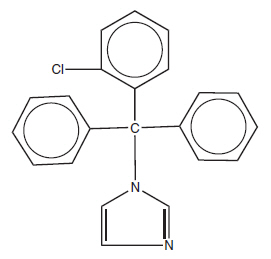
CLOTRIMAZOLE
Indications
INDICATIONS AND USAGE Prescription Clotrimazole Topical Solution product is indicated for the topical treatment of candidiasis due to Candida albicans and tinea versicolor due to Malassezia furfur . This formulation is also available as a nonprescription product which is indicated for the topical treatment of the following dermal infections: tinea pedis, tinea cruris, and tinea corporis due to Trichophyton rubrum, Trichophyton mentagrophytes , Epidermophyton fluoccosum , and Microsporum canis .
Dosage
DOSAGE AND ADMINISTRATION Gently massage sufficient clotrimazole topical solution USP, 1% into the affected and surrounding skin areas twice a day, in the morning and evening. Clinical improvement, with relief of pruritus, usually occurs within the first week of treatment with clotrimazole topical solution USP, 1%. If the patient shows no clinical improvement after 4 weeks of treatment with clotrimazole topical solution USP, 1%, the diagnosis should be reviewed.
Warnings
WARNINGS Clotrimazole Topical Solution is not for ophthalmic use.
Contraindications
CONTRAINDICATIONS Topical antifungal agents are contraindicated in those patients with a history of hypersensitivity to any of the components of the preparation.
Drug interactions
Drug Interactions Synergism or antagonism between clotrimazole and nystatin, or amphotericin B, or flucytosine against strains of C. albicans has not been reported.
Adverse reactions
ADVERSE REACTIONS The following adverse reactions have been reported in connection with the use of clotrimazole: erythema, stinging, blistering, peeling, edema, pruritius, urticaria, burning, and general irritation of the skin. To report SUSPECTED ADVERSE REACTIONS, contact ScieGen Pharmaceuticals, Inc. at 1-855-724-3436 or FDA at 1-800-FDA-1088 or www.fda.gov/medwatch .
Mechanism of action
CLINICAL PHARMACOLOGY Clotrimazole is a broad-spectrum antifungal agent that is used for the treatment of dermal infections caused by various species of pathogenic dermatophytes, yeasts, and Malassezia furfur . The primary action of clotrimazole is against dividing and growing organisms. In vitro , clotrimazole exhibits fungistatic and fungicidal activity against isolates of Trichophyton rubrum, Trichophyton mentagrophytes, Epidermophyton floccosum, Microsporum canis, and Candida species including Candida albicans . In general, the in vitro activity of clotrimazole corresponds to that of tolnaftate and griseofulvin against the mycelia of dermatophytes ( Trichophyton, Microsporum, and Epidermophyton), and to that of the polyenes (amphotericin B and nystatin) against budding fungi ( Candida ). Using an in vivo (mouse) and an in vitro (mouse kidney homogenate) testing system, clotrimazole and miconazole were equally effective in preventing the growth of the pseudomycelia and mycelia of Candida albicans . Strains of fungi having a natural resistance to clotrimazole are rare. Only a single isolate of Candida guilliermondi has been reported to have primary resistance to clotrimazole. No single-step or multiple-step resistance to clotrimazole has developed during successive passages of Candida albicans and Trichophyton mentagrophytes . No appreciable change in sensitivity was detected after successive passages of isolates of C. albicans, C. krusei, or C. pseudotropicalis in liquid or solid media containing clotrimazole. Also, resistance could not be developed in chemically induced mutant strains of polyene-resistant isolates of C. albicans . Slight, reversible resistance was noted in three isolates of C. albicans tested by one investigator. There is a single report that records the clinical emergence of a C. albicans strain with considerable resistance to flucytosine and miconazole, and with cross-resistance to clotrimazole; the strain remained sensitive to nystatin and amphotericin B. In studies of the mechanism of action, the minimum fungicidal concentration of clotrimazole caused leakage of intracellular phosphorus compounds into the ambient medium with concomitant breakdown of cellular nucleic acids and accelerated potassium efflux. Both these events began rapidly and extensively after addition of the drug. Clotrimazole appears to be well absorbed in humans following oral administration and is eliminated mainly as inactive metabolites. Following topical and vaginal administration, however, clotrimazole appears to be minimally absorbed. Six hours after the application of radioactive clotrimazole 1% cream and 1% solution onto intact and acutely inflamed skin, the concentration of clotrimazole varied from 100 mcg/cm 3 , in the stratum corneum to 0.5 mcg/cm 3 to 1 mcg/cm 3 in the stratum reticulare, and 0.1 mcg/cm 3 in the subcutis. No measurable amount of radioactivity (≤ 0.001 mcg/mL) was found in the serum within 48 hours after application under occlusive dressing of 0.5 mL of the solution or 0.8 g of the cream. Only 0.5% or less of the applied radioactivity was excreted in the urine. Following intravaginal administration of 100 mg 14 C-clotrimazole vaginal tablets to nine adult females, an average peak serum level, corresponding to only 0.03 mcg equivalents/mL of clotrimazole, was reached 1 to 2 days after application. After intravaginal administration of 5 g of 1% 14 C-clotrimazole vaginal cream containing 50 mg active drug, to five subjects (one with candidal colpitis), serum levels corresponding to approximately 0.01 mcg equivalents/mL were reached between 8 and 24 hours after application.
NDC examples
50228-50252817-80071399-066671297-03072162-2178
Treats these conditions
Source: openFDA + RxNorm · 2026
Look up another medication