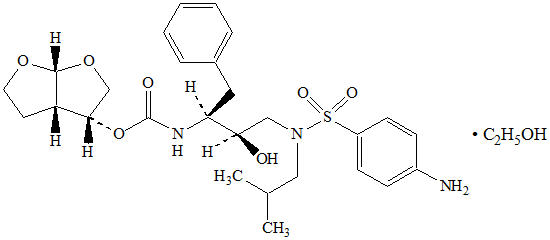
Cobicistat — Cytochrome P450 3A Inhibitor [EPC]. INDICATIONS AND USAGE TYBOST is a CYP3A inhibitor indicated to increase systemic exposure of atazanavir or darunavir (once daily dosing regimen) in…
Boxed warning
WARNING: POST TREATMENT ACUTE EXACERBATION OF HEPATITIS B Severe acute exacerbations of hepatitis B have been reported in patients who are coinfected with HIV-1 and HBV and have discontinued products containing emtricitabine and/or tenofovir disoproxil fumarate (TDF), and may occur with discontinuation of GENVOYA. Hepatic function should be monitored closely with both clinical and laboratory follow-up for at least several months in patients who are coinfected with HIV-1 and HBV and discontinue GENVOYA. If appropriate, anti-hepatitis B therapy may be warranted [see Warnings and Precautions (5.1) ] . WARNING: POST TREATMENT ACUTE EXACERBATION OF HEPATITIS B See full prescribing information for complete boxed warning. Severe acute exacerbations of hepatitis B have been reported in patients who are coinfected with HIV-1 and HBV and have discontinued products containing emtricitabine and/or tenofovir disoproxil fumarate (TDF), and may occur with discontinuation of GENVOYA. Hepatic function should be monitored closely in these patients. If appropriate, anti-hepatitis B therapy may be warranted. ( 5.1 )
INDICATIONS AND USAGE TYBOST is a CYP3A inhibitor indicated to increase systemic exposure of atazanavir or darunavir (once daily dosing regimen) in combination with other antiretroviral agents in the treatment of HIV-1 infection in adults and in pediatric patients weighing at least 14 kg. ( 1.1 ) Limitations of Use : TYBOST is not interchangeable with ritonavir to increase systemic exposure of darunavir 600 mg twice daily, fosamprenavir, saquinavir, or tipranavir due to lack of exposure data. The use of TYBOST is not recommended with darunavir 600 mg twice daily, fosamprenavir, saquinavir, or tipranavir. ( 1.2 , 5.4 ) Complex or unknown mechanisms of drug interactions preclude extrapolation of ritonavir drug interactions to certain TYBOST interactions. TYBOST and ritonavir when administered with either atazanavir or darunavir may result in different drug interactions when used with concomitant medications. ( 1.2 , 5.3 , 7 , 12.3 ) 1.1 Indications Adult Patients: TYBOST is a CYP3A inhibitor indicated to increase systemic exposure of atazanavir or darunavir (once daily dosing regimen) in combination with other antiretroviral agents in the treatment of HIV-1 infection in adults [see Dosage and Administration (2.1) ]. Pediatric Patients: TYBOST is a CYP3A inhibitor indicated to increase systemic exposure of atazanavir or darunavir (once daily dosing regimen) in combination with other antiretroviral agents in the treatment of HIV-1 infection in pediatric patients weighing at least 14 kg [see Dosage and Administration (2.2) , and Drug Interactions (7.3) ]. 1.2 Limitations of Use TYBOST is not interchangeable with ritonavir to increase systemic exposure of darunavir 600 mg twice daily, fosamprenavir, saquinavir, or tipranavir due to lack of exposure data. The use of TYBOST is not recommended with darunavir 600 mg twice daily, fosamprenavir, saquinavir, or tipranavir [see Warnings and Precautions (5.4) ]. Complex or unknown mechanisms of drug interactions preclude extrapolation of ritonavir drug interactions to certain TYBOST interactions. TYBOST and ritonavir when administered with either atazanavir or darunavir may result in different drug interactions when used with concomitant medications [see Warnings and Precautions (5.3) , Drug Interactions (7) , and Clinical Pharmacology (12.3) ].
Dosage
DOSAGE AND ADMINISTRATION TYBOST must be coadministered with atazanavir or darunavir at the same time, with food, and in combination with other HIV-1 antiretroviral agents. ( 2.1 , 2.2 ) Recommended dosage in adults: ( 2.1 ) Adult Patient Populations Coadministered Agent Dosage TYBOST Dosage Treatment-naïve or treatment-experienced atazanavir 300 mg orally once daily 150 mg orally once daily Treatment-naïve or treatment-experienced with no darunavir resistance-associated substitutions darunavir 800 mg orally once daily Recommended dosage in pediatric patients: TYBOST 150 mg or TYBOST 90 mg orally once daily based on body weight. For dosage recommendations for TYBOST and the coadministered protease inhibitor atazanavir or darunavir in pediatric patients, refer to Table 2 and Table 3 of the full prescribing information respectively. ( 2.2 ) Prior to starting TYBOST, assess estimated creatinine clearance. ( 2.3 ) Coadministration with tenofovir disoproxil fumarate (TDF): assess estimated creatinine clearance, urine glucose, and urine protein at baseline. ( 2.3 ) TYBOST coadministered with TDF is not recommended in patients who have an estimated creatinine clearance below 70 mL/min because dose adjustment of TDF is required below 50 mL/min and such dose adjustments have not been established for coadministration with TYBOST. ( 2.4 ) 2.1 Recommended Dosage in Adults Administer TYBOST in conjunction with atazanavir or darunavir and other antiretroviral agents in the treatment of adults with HIV-1 infection. The recommended dosages of TYBOST and atazanavir or darunavir given with food are presented in Table 1 . TYBOST must be coadministered at the same time as atazanavir or darunavir [see Drug Interactions (7) ]. Consult the prescribing information for atazanavir or darunavir. Table 1 Recommended Dosing Regimens in Treatment-Naïve or Treatment-Experienced Adults Patient Populations Coadministered Agent Dosage TYBOST Dosage Treatment-naïve or treatment-experienced atazanavir 300 mg orally once daily 150 mg orally once daily Treatment-naïve or treatment-experienced with no darunavir resistance-associated substitutions darunavir 800 mg orally once daily 2.2 Recommended Dosage in Pediatric Patients Administer TYBOST in conjunction with atazanavir or darunavir and other antiretroviral agents in the treatment of pediatric patients with HIV-1 infection. The recommended dosages of TYBOST and atazanavir or darunavir given with food are based on weight and presented in Table 2 and Table 3 , respectively. TYBOST must be coadministered at the same time as atazanavir or darunavir [see Drug Interactions (7) ]. Consult the prescribing information for atazanavir or darunavir. Table 2 Recommended Dosing Regimen in Treatment-Naïve or Treatment-Experienced Pediatric Patients in Combination with Atazanavir Body Weight Atazanavir Dosage TYBOST Dosage Weighing at least 14 kg to less than 25 kg 200 mg orally once daily 90 mg orally once daily Weighing at least 25 kg to less than 35 kg 200 mg orally once daily 150 mg orally once daily Weighing at least 35 kg 300 mg orally once daily Table 3 Recommended Dosing Regimen in Treatment-Naïve or Treatment-Experienced Pediatric Patients with no Darunavir Resistance-Associated Substitutions in Combination with Darunavir Body Weight Darunavir Dosage TYBOST Dosage Weighing at least 15 kg to less than 25 kg 600 mg orally once daily 90 mg orally once daily Weighing at least 25 kg to less than 30 kg 600 mg orally once daily 150 mg orally once daily Weighing at least 30 kg to less than 40 kg 675 mg orally once daily Weighing at least 40 kg 800 mg orally once daily 2.3 Testing Prior to Initiation of TYBOST Prior to or when initiating TYBOST and during treatment with TYBOST, on a clinically appropriate schedule, assess estimated creatinine clearance because TYBOST decreases estimated creatinine clearance due to inhibition of tubular secretion of creatinine without affecting actual renal glomerular function [see Warnings and Precautions (5.1) ]. When coadministering TYBOST with TDF, assess estimated creatinine clearance, urine glucose, and urine protein at baseline. In patients with chronic kidney disease, also assess serum phosphorus [see Warnings and Precautions (5.2) ]. 2.4 Renal Impairment TYBOST coadministered with TDF is not recommended in patients who have an estimated creatinine clearance below 70 mL/min because dose adjustment of TDF is required below 50 mL/min and such dose adjustments have not been established for coadministration with TYBOST [see Warnings and Precautions (5.2) and Adverse Reactions (6.1) ] . 2.5 Not Recommended During Pregnancy TYBOST coadministered with darunavir is not recommended for use during pregnancy because of substantially lower exposures of darunavir and cobicistat during the second and third trimesters [see Use in Specific Populations (8.1) and Clinical Pharmacology (12.3) ] . TYBOST coadministered with atazanavir is not recommended for use during pregnancy because of substantially lower exposures of cobicistat during the second and third trimesters [see Use in Specific Populations (8.1) and Clinical Pharmacology (12.3) ] . TYBOST coadministered with darunavir or atazanavir should not be initiated in pregnant individuals. An alternative regimen is recommended for individuals who become pregnant during therapy with TYBOST coadministered with darunavir or atazanavir.
Warnings
WARNINGS AND PRECAUTIONS • Cardiac conduction abnormalities: PR interval prolongation may occur in some patients. Consider ECG monitoring in patients with preexisting conduction system disease or when administered with other drugs that may prolong the PR interval. ( 5.1 , 6 , 7.3 , 12.2 , 17 ) • Severe skin reactions: Discontinue if severe rash develops. ( 5.2 , 6.1 , 17 ) • Assess creatinine clearance (CLcr) before initiating treatment. Consider alternative medications that do not require dosage adjustments in patients with renal impairment. ( 5.3 ) • When cobicistat, a component of EVOTAZ, is used in combination with a tenofovir disoproxil fumarate (tenofovir DF)-containing regimen, cases of acute renal failure and Fanconi syndrome have been reported. ( 5.4 ) • When used with tenofovir DF, assess urine glucose and urine protein at baseline and monitor CLcr, urine glucose, and urine protein. Monitor serum phosphorus in patients with or at risk for renal impairment. Coadministration with tenofovir DF is not recommended in patients with CLcr below 70 mL/min or in patients also receiving a nephrotoxic agent. ( 5.4 ) • Chronic kidney disease has been reported during postmarketing surveillance in patients with HIV-1 treated with atazanavir, with or without ritonavir. Consider alternatives in patients at high risk for renal disease or with preexisting renal disease. Monitor renal laboratory tests prior to therapy and during treatment with EVOTAZ. Consider discontinuation of EVOTAZ in patients with progressive renal disease. ( 5.5 ) • Nephrolithiasis and cholelithiasis have been reported. Consider temporary interruption or discontinuation. ( 5.6 , 6 ) • Hepatotoxicity: Patients with hepatitis B or C are at risk of increased transaminases or hepatic decompensation. Monitor hepatic laboratory tests prior to therapy and during treatment. ( 2.5 , 5.7 , 8.7 ) • Antiretrovirals that are not recommended: EVOTAZ is not recommended for use with ritonavir or products containing ritonavir, or in combination with other antiretroviral drugs that require CYP3A inhibition to achieve adequate exposures (e.g., other protease inhibitors and elvitegravir). ( 5.9 ) • Hyperbilirubinemia: Most patients experience asymptomatic increases in indirect bilirubin, which is reversible upon discontinuation. If a concomitant transaminase increase occurs, evaluate for alternative etiologies. ( 5.10 , 6 ) • Patients receiving EVOTAZ may develop immune reconstitution syndrome ( 5.11 ), new onset or exacerbations of diabetes mellitus/hyperglycemia ( 5.12 , 6 ), and redistribution/accumulation of body fat ( 5.13 ). • Hemophilia: Spontaneous bleeding may occur and additional factor VIII may be required. ( 5.14 ) 5.1 Cardiac Conduction Abnormalities Atazanavir prolongs the PR interval of the electrocardiogram in some patients. In healthy participants and in participants with HIV-1 treated with atazanavir, abnormalities in atrioventricular (AV) conduction were asymptomatic and generally limited to first-degree AV block. There have been reports of second-degree AV block and other conduction abnormalities [see Adverse Reactions (6.1) and Overdosage (10) ] . In clinical trials of atazanavir in participants with HIV-1 that included electrocardiograms, asymptomatic first-degree AV block was observed in 6% of participants treated with atazanavir (n=920) and 5% of participants (n=118) treated with atazanavir coadministered with ritonavir. Because of limited clinical experience in patients with preexisting conduction system disease (e.g., marked first-degree AV block or second- or third-degree AV block), consider ECG monitoring in these patients [see Clinical Pharmacology (12.2) ] . 5.2 Severe Skin Reactions Cases of Stevens-Johnson syndrome, erythema multiforme, and toxic skin eruptions, including drug rash, eosinophilia and systemic symptoms (DRESS) syndrome, have been reported in patients receiving atazanavir [see Contraindications (4) and Adverse Reactions (6.1) ] . EVOTAZ should be discontinued if severe rash develops. Mild-to-moderate maculopapular skin eruptions have also been reported in atazanavir clinical trials. These reactions had a median time to onset of 7.3 weeks and median duration of 1.4 week and generally did not result in treatment discontinuation. 5.3 Effects on Serum Creatinine Cobicistat decreases estimated creatinine clearance due to inhibition of tubular secretion of creatinine without affecting actual renal glomerular function. This effect should be considered when interpreting changes in estimated creatinine clearance in patients initiating EVOTAZ, particularly in patients with medical conditions or receiving drugs needing monitoring with estimated creatinine clearance. Prior to initiating therapy with EVOTAZ, assess estimated creatinine clearance [see Dosage and Administration (2.1) ] . Dosage recommendations are not available for drugs that require dosage adjustments in cobicistat-treated patients with renal impairment [see Adverse Reactions (6.1) , Drug Interactions (7.3) , and Clinical Pharmacology (12.2) ] . Consider alternative medications that do not require dosage adjustments in patients with renal impairment. Although cobicistat may cause modest increases in serum creatinine and modest declines in estimated creatinine clearance without affecting renal glomerular function, patients who experience a confirmed increase in serum creatinine of greater than 0.4 mg/dL from baseline should be closely monitored for renal safety. 5.4 New Onset or Worsening Renal Impairment When Used with Tenofovir DF Renal impairment, including cases of acute renal failure and Fanconi syndrome, has been reported when cobicistat was used in an antiretroviral regimen that contained tenofovir DF. Therefore, coadministration of EVOTAZ and tenofovir DF is not recommended in patients who have an estimated creatinine clearance below 70 mL/min [see Dosage and Administration (2.3) ] . • When EVOTAZ is used with tenofovir DF, document urine glucose and urine protein at baseline and perform routine monitoring of estimated creatinine clearance, urine glucose, and urine protein during treatment. • Measure serum phosphorus in patients with or at risk for renal impairment. • Coadministration of EVOTAZ and tenofovir DF in combination with concomitant or recent use of a nephrotoxic agent is not recommended. In a clinical trial over 144 weeks (N=692), 10 (2.9%) participants treated with atazanavir coadministered with cobicistat and tenofovir DF and 11 (3.2%) participants treated with atazanavir coadministered with ritonavir and tenofovir DF discontinued study drug due to a renal adverse event. Seven of the 10 participants (2.0% overall) in the cobicistat group had laboratory findings consistent with proximal renal tubulopathy leading to study drug discontinuation, compared to 7 of 11 participants (2.0% overall) in the ritonavir group. One participant in the cobicistat group had renal impairment at baseline (e.g., estimated creatinine clearance less than 70 mL/min). The laboratory findings in these 7 participants treated with cobicistat, with evidence of proximal tubulopathy improved but did not completely resolve in all participants upon discontinuation of cobicistat coadministered with atazanavir and tenofovir DF. Renal replacement therapy was not required in any participant. 5.5 Chronic Kidney Disease Chronic kidney disease in patients with HIV-1 treated with atazanavir, with or without ritonavir, has been reported during postmarketing surveillance. Reports included biopsy-proven cases of granulomatous interstitial nephritis associated with the deposition of atazanavir drug crystals in the renal parenchyma. Consider alternatives to EVOTAZ in patients at high risk for renal disease or with preexisting renal disease. Renal laboratory testing (including serum creatinine, estimated creatinine clearance, and urinalysis with microscopic examination) should be conducted in all patients prior to initiating therapy w
Contraindications
CONTRAINDICATIONS The concomitant use of EVOTAZ and the following drugs in Table 1, are contraindicated due to the potential for serious and/or life-threatening events or loss of therapeutic effect [see Warnings and Precautions (5.8 , 5.9) , Drug Interactions (7) , and Clinical Pharmacology (12.3) ]. EVOTAZ is contraindicated: • in patients with previously demonstrated clinically significant hypersensitivity (e.g., Stevens-Johnson syndrome, erythema multiforme, or toxic skin eruptions) to any of the components of this product [see Warnings and Precautions (5.2) ] . • when coadministered with drugs that strongly induce CYP3A4, which may lead to lower exposure of EVOTAZ resulting in potential loss of efficacy and development of possible resistance (Table 5). • when coadministered with drugs that are highly dependent on CYP3A or UGT1A1 for clearance, and for which elevated plasma concentrations of the interacting drugs are associated with serious and/or life-threatening events (see Table 5). For additional information, including clinical comments and potential impact on exposure levels associated with drugs that are contraindicated with EVOTAZ, refer to Table 5 [see Drug Interactions (7.3) ] . Coadministration is contraindicated with, but not limited to, the following drugs: Table 1: Drugs Contraindicated with EVOTAZ Drug Class Drugs within class that are contraindicated with EVOTAZ a Refer to Table 5 for sildenafil when administered for erectile dysfunction [see Drug Interactions (7.3) ]. b Refer to Table 5 for parenterally administered midazolam [see Drug Interactions (7.3) ]. Alpha 1-adrenoreceptor antagonist alfuzosin Antianginal ranolazine Antiarrhythmics dronedarone Anticonvulsants carbamazepine, phenobarbital, phenytoin Antigout colchicine (when used in patients with hepatic and/or renal impairment) Antimycobacterials rifampin Antineoplastics apalutamide, encorafenib, irinotecan, ivosidenib Antipsychotics lurasidone, pimozide Ergot Derivatives dihydroergotamine, ergotamine, methylergonovine Hepatitis C Direct-Acting Antivirals elbasvir/grazoprevir; glecaprevir/pibrentasvir Herbal Products St. John’s wort ( Hypericum perforatum ) Hormonal Contraceptives drospirenone/ethinyl estradiol Lipid-modifying Agents lomitapide, lovastatin, simvastatin Non-nucleoside Reverse Transcriptase Inhibitor nevirapine Phosphodiesterase-5 (PDE-5) Inhibitor sildenafil a when administered for the treatment of pulmonary arterial hypertension Protease Inhibitors indinavir Sedative/hypnotics triazolam, orally administered midazolam b • EVOTAZ is contraindicated in patients with previously demonstrated hypersensitivity (e.g., Stevens-Johnson syndrome, erythema multiforme, or toxic skin eruptions) to any of the components of this product. (4) • EVOTAZ is contraindicated with drugs that are strong inducers of CYP3A4 due to the potential for loss of therapeutic effect and development of possible resistance. (4) • EVOTAZ is contraindicated with certain drugs for which altered plasma concentrations are associated with serious and/or life-threatening events or loss of therapeutic effect. (4)
Drug interactions
DRUG INTERACTIONS GENVOYA should not be administered with other antiretroviral medications for treatment of HIV-1 infection. ( 7.1 ) GENVOYA can alter the concentration of drugs metabolized by CYP3A or CYP2D6. Drugs that induce CYP3A can alter the concentrations of one or more components of GENVOYA. Consult the full prescribing information prior to and during treatment for potential drug-drug interactions. ( 4 , 7.2 , 7.3 , 12.3 ) 7.1 Not Recommended with Other Antiretroviral Medications GENVOYA is a complete regimen for the treatment of HIV-1 infection; therefore, coadministration of GENVOYA with other antiretroviral medications for treatment of HIV-1 infection should be avoided. Complete information regarding potential drug-drug interactions with other antiretroviral medications is not provided [see Contraindications (4) , Warnings and Precautions (5.2) and Clinical Pharmacology (12.3) ] . 7.2 Potential for GENVOYA to Affect Other Drugs Cobicistat, a component of GENVOYA, is an inhibitor of CYP3A and CYP2D6 and an inhibitor of the following transporters: P-glycoprotein (P-gp), BCRP, OATP1B1 and OATP1B3. Thus, coadministration of GENVOYA with drugs that are primarily metabolized by CYP3A or CYP2D6, or are substrates of P-gp, BCRP, OATP1B1 or OATP1B3 may result in increased plasma concentrations of such drugs . Coadministration of GENVOYA with drugs that have active metabolite(s) formed by CYP3A may result in reduced plasma concentration of these active metabolite(s) (see Table 5 ). Elvitegravir is a modest inducer of CYP2C9 and may decrease the plasma concentrations of CYP2C9 substrates. TAF is not an inhibitor of CYP1A2, CYP2B6, CYP2C8, CYP2C9, CYP2C19, CYP2D6, or UGT1A1. TAF is a weak inhibitor of CYP3A in vitro . TAF is not an inhibitor or inducer of CYP3A in vivo . 7.3 Potential for Other Drugs to Affect One or More Components of GENVOYA Elvitegravir and cobicistat, components of GENVOYA, are metabolized by CYP3A. Cobicistat is also metabolized, to a minor extent, by CYP2D6. Drugs that induce CYP3A activity are expected to increase the clearance of elvitegravir and cobicistat, resulting in decreased plasma concentration of cobicistat, elvitegravir, and TAF, which may lead to loss of therapeutic effect of GENVOYA and development of resistance (see Table 5 ). Coadministration of GENVOYA with other drugs that inhibit CYP3A may decrease the clearance and increase the plasma concentration of cobicistat. (see Table 5 ). TAF, a component of GENVOYA, is a substrate of P-gp, BCRP, OATP1B1 and OATP1B3. Drugs that inhibit P-gp and/or BCRP, such as cobicistat, may increase the absorption of TAF (see Table 13 ). However, when TAF is administered as a component of GENVOYA, its availability is increased by cobicistat and a further increase of TAF concentrations is not expected upon coadministration of an additional P-gp and/or BCRP inhibitor. Drugs that induce P-gp activity are expected to decrease the absorption of TAF, resulting in decreased plasma concentration of TAF. 7.4 Drugs Affecting Renal Function Because emtricitabine and tenofovir are primarily excreted by the kidneys by a combination of glomerular filtration and active tubular secretion, coadministration of GENVOYA with drugs that reduce renal function or compete for active tubular secretion may increase concentrations of emtricitabine, tenofovir, and other renally eliminated drugs and this may increase the risk of adverse reactions. Some examples of drugs that are eliminated by active tubular secretion include, but are not limited to, acyclovir, cidofovir, ganciclovir, valacyclovir, valganciclovir, aminoglycosides (e.g., gentamicin), and high-dose or multiple NSAIDs [see Warnings and Precautions (5.4) ] . 7.5 Established and Other Potentially Significant Interactions Table 5 provides a listing of established or potentially clinically significant drug interactions [see Contraindications (4) ] . The drug interactions described are based on studies conducted with either GENVOYA, the components of GENVOYA (elvitegravir, cobicistat, emtricitabine, and tenofovir alafenamide) as individual agents and/or in combination, or are predicted drug interactions that may occur with GENVOYA [for magnitude of interaction, see Clinical Pharmacology (12.3) ] . The table includes potentially significant interactions but is not all inclusive. Table 5 Established and Other Potentially Significant This table is not all inclusive. Drug Interactions: Alteration in Dose or Regimen May Be Recommended Based on Drug Interaction Studies or Predicted Interaction Concomitant Drug Class: Drug Name Effect on Concentration ↑ = Increase, ↓ = Decrease Clinical Comment Alpha 1-adrenoreceptor antagonist: alfuzosin ↑ alfuzosin Coadministration with alfuzosin is contraindicated due to potential for serious and/or life-threatening reactions such as hypotension. Antiarrhythmics: e.g., amiodarone bepridil digoxin Indicates that a drug-drug interaction trial was conducted. disopyramide flecainide systemic lidocaine mexiletine propafenone quinidine ↑ antiarrhythmics ↑ digoxin Caution is warranted and therapeutic concentration monitoring, if available, is recommended for antiarrhythmics when coadministered with GENVOYA. Antibacterials: clarithromycin telithromycin ↑ clarithromycin ↑ telithromycin ↑ cobicistat Patients with CL cr greater than or equal to 60 mL/minute: No dosage adjustment of clarithromycin is required. Patients with CL cr between 50 mL/minute and 60 mL/minute: The dosage of clarithromycin should be reduced by 50%. Anticoagulants: Direct Oral Anticoagulants (DOACs) apixaban rivaroxaban betrixaban dabigatran edoxaban ↑ apixaban Due to potentially increased bleeding risk, dosing recommendations for coadministration with GENVOYA depends on the apixaban dose. Refer to apixaban dosing instructions for coadministration with strong CYP3A and P-gp inhibitors in apixaban prescribing information. ↑ rivaroxaban ↑ betrixaban ↑ dabigatran ↑ edoxaban Coadministration of rivaroxaban with GENVOYA is not recommended because it may lead to an increased bleeding risk. Due to potentially increased bleeding risk, dosing recommendations for coadministration of betrixaban, dabigatran, or edoxaban with a P-gp inhibitor such as GENVOYA depends on DOAC indication and renal function. Refer to DOAC dosing instructions for coadministration with P-gp inhibitors in DOAC prescribing information. warfarin Effect on warfarin unknown Monitor the international normalized ratio (INR) upon coadministration of warfarin with GENVOYA. Anticonvulsants: carbamazepine phenobarbital phenytoin ↓ elvitegravir ↓ cobicistat ↓ TAF Coadministration with carbamazepine, phenobarbital, or phenytoin is contraindicated due to potential for loss of therapeutic effect and development of resistance. oxcarbazepine Alternative anticonvulsants should be considered when GENVOYA is administered with oxcarbazepine. ethosuximide ↑ ethosuximide Clinical monitoring is recommended upon coadministration of ethosuximide with GENVOYA. Antidepressants: Selective Serotonin Reuptake Inhibitors (SSRIs) e.g., paroxetine Tricyclic Antidepressants (TCAs) e.g., amitriptyline desipramine imipramine nortriptyline bupropion trazodone ↑ SSRIs (except sertraline) ↑ TCAs ↑ trazodone Careful dosage titration of the antidepressant and monitoring for antidepressant response are recommended when coadministered with GENVOYA. Antifungals: itraconazole ketoconazole voriconazole ↑ elvitegravir ↑ cobicistat ↑ itraconazole ↑ ketoconazole ↑ voriconazole When administering with GENVOYA, the maximum daily dosage of ketoconazole or itraconazole should not exceed 200 mg per day. An assessment of benefit/risk ratio is recommended to justify use of voriconazole with GENVOYA. Anti-gout: colchicine ↑ colchicine GENVOYA is not recommended to be coadministered with colchicine to patients with renal or hepatic impairment. Treatment of gout-flares – coadministration of colchicine in patients receiving GENVOYA: 0.6 mg (1 tablet) × 1 do
Adverse reactions
ADVERSE REACTIONS The following adverse drug reactions are discussed in other sections of the labeling: Severe Acute Exacerbations of Hepatitis B [see Warnings and Precautions (5.1) ] Immune Reconstitution Syndrome [see Warnings and Precautions (5.3) ] New Onset or Worsening Renal Impairment [see Warnings and Precautions (5.4) ] Lactic Acidosis/Severe Hepatomegaly with Steatosis [see Warnings and Precautions (5.5) ] Most common adverse reaction (incidence greater than or equal to 10%, all grades) is nausea. ( 6.1 ) To report SUSPECTED ADVERSE REACTIONS, contact Gilead Sciences, Inc. at 1-800-GILEAD-5 or FDA at 1-800-FDA-1088 or www.fda.gov/medwatch. 6.1 Clinical Trials Experience Because clinical trials are conducted under widely varying conditions, adverse reaction rates observed in the clinical trials of a drug cannot be directly compared to rates in the clinical trials of another drug and may not reflect the rates observed in practice. Clinical Trials in Treatment-Naïve Adults The primary safety assessment of GENVOYA was based on Week 144 pooled data from 1,733 subjects in two randomized, double-blind, active-controlled trials, Study 104 and Study 111, in antiretroviral treatment-naïve HIV-1 infected adult subjects. A total of 866 subjects received one tablet of GENVOYA once daily [see Clinical Studies (14.2) ] . The most common adverse reaction (all Grades) reported in at least 10% of subjects in the GENVOYA group was nausea. The proportion of subjects who discontinued treatment with GENVOYA or STRIBILD ® due to adverse events, regardless of severity, was 1% and 2%, respectively. Table 1 displays the frequency of adverse reactions (all Grades) greater than or equal to 5% in the GENVOYA group. Table 1 Adverse Reactions Frequencies of adverse reactions are based on all adverse events attributed to study drugs by the investigator. (All Grades) Reported in ≥ 5% of HIV-1 Infected Treatment-Naïve Adults Receiving GENVOYA in Studies 104 and 111 (Week 144 analysis) GENVOYA N=866 STRIBILD N=867 Nausea 11% 13% Diarrhea 7% 9% Headache 6% 5% Fatigue 5% 4% The majority of events presented in Table 1 occurred at severity Grade 1. Clinical Trials in Virologically Suppressed Adults The safety of GENVOYA in virologically-suppressed adults was based on Week 96 data from 959 subjects in a randomized, open-label, active-controlled trial (Study 109) in which virologically-suppressed subjects were switched from a TDF-containing combination regimen to GENVOYA. Overall, the safety profile of GENVOYA in subjects in this study was similar to that of treatment-naïve subjects [see Clinical Studies (14.3) ] . Additional adverse reactions observed with GENVOYA in Study 109 included suicidal ideation, suicidal behavior, and suicide attempt (<1% combined); all of these events were serious and all occurred in subjects with a preexisting history of depression or psychiatric illness. Clinical Trials in Adult Subjects with Renal Impairment In an open-label trial (Study 112), 248 HIV-1 infected subjects with estimated creatinine clearance between 30 and 69 mL per minute (by Cockcroft-Gault method) were treated with GENVOYA for a median duration of 144 weeks. Of these subjects, 65% had previously been on a stable TDF-containing regimen. A total of 5 subjects permanently discontinued GENVOYA due to the development of renal adverse events through Week 96. Three of these five were among the 80 subjects with baseline estimated creatinine clearance of less than 50 mL/min and two subjects were among the 162 subjects with baseline estimated creatinine clearance of greater than or equal to 50 mL/min. There were no further renal discontinuations between Weeks 96 and 144. Overall, renally impaired subjects receiving GENVOYA in this study had a mean serum creatinine of 1.5 mg/dL at baseline and 1.4 mg/dL at Week 144. Otherwise, the safety profile of GENVOYA in subjects in this study was similar to that of subjects with normal renal function. Virologically-Suppressed Adults with End Stage Renal Disease (ESRD) Receiving Chronic Hemodialysis The safety of GENVOYA in subjects with end stage renal disease (ESRD) (estimated creatinine clearance of less than 15 mL/min) on chronic hemodialysis was assessed in 55 subjects (Study 1825) [see Clinical Studies (14.4) ]. The most commonly reported adverse reaction (adverse event assessed as causally related by investigator and all grades) was nausea (7%). Serious adverse events were reported in 53% of subjects and the most common serious adverse events were pneumonia (13%), fluid overload (7%), hyperkalemia (7%) and osteomyelitis (7%). Overall 5% of subjects permanently discontinued treatment due to an adverse event. Renal Laboratory Tests and Renal Safety Treatment-Naïve Adults: Cobicistat (a component of GENVOYA) has been shown to increase serum creatinine due to inhibition of tubular secretion of creatinine without affecting glomerular filtration [see Clinical Pharmacology (12.2) ] . Increases in serum creatinine occurred by Week 2 of treatment and remained stable through 144 weeks. In two 144-week randomized, controlled trials in a total of 1,733 treatment-naïve adults with a median baseline estimated creatinine clearance of 115 mL per minute, mean serum creatinine increased by less than 0.1 mg per dL in the GENVOYA group and by 0.1 mg per dL in the STRIBILD group from baseline to Week 144. Virologically Suppressed Adults: In a study of 1,436 virologically-suppressed TDF-treated adults with a mean baseline estimated creatinine clearance of 112 mL per minute who were randomized to continue their treatment regimen or switch to GENVOYA, at Week 96 mean serum creatinine was similar to baseline for both those continuing baseline treatment and those switching to GENVOYA. Across these trials, renal serious adverse events or discontinuations due to renal adverse reactions were encountered in less than 1% of participants treated with GENVOYA. Bone Mineral Density Effects Treatment-Naïve Adults: In a pooled analysis of Studies 104 and 111, the effects of GENVOYA compared to STRIBILD on bone mineral density (BMD) change from baseline to Week 144 were assessed by dual-energy X-ray absorptiometry (DXA). The mean percentage change in BMD from baseline to Week 144 was −0.92% with GENVOYA compared to −2.95% with STRIBILD at the lumbar spine and −0.75% compared to −3.36% at the total hip. BMD declines of 5% or greater at the lumbar spine were experienced by 15% of GENVOYA subjects and 29% of STRIBILD subjects. BMD declines of 7% or greater at the femoral neck were experienced by 15% of GENVOYA subjects and 29% of STRIBILD subjects. The long-term clinical significance of these BMD changes is not known. Virologically Suppressed Adults: In Study 109, TDF-treated subjects were randomized to continue their TDF-based regimen or switch to GENVOYA; changes in BMD from baseline to Week 96 were assessed by DXA. Mean BMD increased in subjects who switched to GENVOYA (2.12% lumbar spine, 2.44% total hip) and decreased slightly in subjects who continued their baseline regimen (−0.09% lumbar spine, −0.46% total hip). BMD declines of 5% or greater at the lumbar spine were experienced by 2% of GENVOYA subjects and 6% of subjects who continued their TDF-based regimen. BMD declines of 7% or greater at the femoral neck were experienced by 2% of GENVOYA subjects and 7% of subjects who continued their TDF-based regimen. The long-term clinical significance of these BMD changes is not known. Laboratory Abnormalities: The frequency of laboratory abnormalities (Grades 3–4) occurring in at least 2% of subjects receiving GENVOYA in Studies 104 and 111 are presented in Table 2. Table 2 Laboratory Abnormalities (Grades 3–4) Reported in ≥ 2% of Subjects Receiving GENVOYA in Studies 104 and 111 (Week 144 analysis) Laboratory Parameter Abnormality Frequencies are based on treatment-emergent laboratory abnormalities. GENVOYA N=866 STRIBILD N=867 Creatine Kinase (≥10.0 × ULN) 11% 10% LDL-cholesterol (f
Mechanism of action
Mechanism of Action GENVOYA is a fixed-dose combination of antiretroviral drugs elvitegravir (plus the CYP3A inhibitor cobicistat), emtricitabine, and tenofovir alafenamide [see Microbiology (12.4) ] . Mechanism of Action Elvitegravir: Elvitegravir inhibits the strand transfer activity of HIV-1 integrase (integrase strand transfer inhibitor; INSTI), an HIV-1 encoded enzyme that is required for viral replication. Inhibition of integrase prevents the integration of HIV-1 DNA into host genomic DNA, blocking the formation of the HIV-1 provirus and propagation of the viral infection. Elvitegravir does not inhibit human topoisomerases I or II. Cobicistat: Cobicistat is a selective, mechanism-based inhibitor of cytochromes P450 of the CYP3A subfamily. Inhibition of CYP3A-mediated metabolism by cobicistat enhances the systemic exposure of CYP3A substrates, such as elvitegravir, where bioavailability is limited and half-life is shortened by CYP3A-dependent metabolism. Emtricitabine: Emtricitabine, a synthetic nucleoside analog of cytidine, is phosphorylated by cellular enzymes to form emtricitabine 5'-triphosphate. Emtricitabine 5'-triphosphate inhibits the activity of the HIV-1 reverse transcriptase by competing with the natural substrate deoxycytidine 5'-triphosphate and by being incorporated into nascent viral DNA which results in chain termination. Emtricitabine 5'-triphosphate is a weak inhibitor of mammalian DNA polymerases α, β, Ɛ, and mitochondrial DNA polymerase γ. Tenofovir Alafenamide (TAF): TAF is a phosphonamidate prodrug of tenofovir (2'-deoxyadenosine monophosphate analog). Plasma exposure to TAF allows for permeation into cells and then TAF is intracellularly converted to tenofovir through hydrolysis by cathepsin A. Tenofovir is subsequently phosphorylated by cellular kinases to the active metabolite tenofovir diphosphate. Tenofovir diphosphate inhibits HIV-1 replication through incorporation into viral DNA by the HIV reverse transcriptase, which results in DNA chain-termination. Tenofovir has activity that is specific to human immunodeficiency virus and hepatitis B virus. Cell culture studies have shown that both emtricitabine and tenofovir can be fully phosphorylated when combined in cells. Tenofovir diphosphate is a weak inhibitor of mammalian DNA polymerases that include mitochondrial DNA polymerase γ and there is no evidence of mitochondrial toxicity in cell culture based on several assays including mitochondrial DNA analyses.
A drug lookup is just the start. Eleplan keeps the whole care plan in one place.
Medications, diagnoses, documents, appointments, and the whole care team — organized and always in sync, with Ellie, your AI care assistant, on top of it. Free to start.