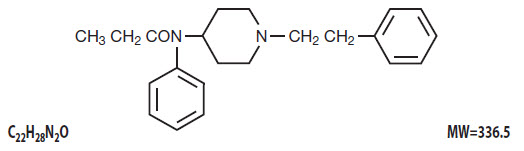
Fentanyl — Opioid Agonist [EPC]. INDICATIONS AND USAGE Oral Transmucosal Fentanyl Citrate (OTFC) is indicated for the management of breakthrough pain in cancer patients 16 years of…
Boxed warning
WARNING: SERIOUS AND LIFE-THREATENING RISKS FROM USE OF ORAL TRANSMUCOSAL FENTANYL CITRATE (OTFC) Addiction, Abuse, and Misuse Because the use of OTFC exposes patients and other users to the risks of opioid addiction, abuse, and misuse, which can lead to overdose and death, assess each patient’s risk prior to prescribing and reassess all patients regularly for the development of these behaviors and conditions [see Warnings and Precautions ( 5.1 )]. Life-Threatening Respiratory Depression Serious, life-threatening, or fatal respiratory depression has occurred in patients treated with Oral Transmucosal Fentanyl Citrate (OTFC), including following use in opioid non-tolerant patients and improper dosing. Evaluate patients for respiratory depression, especially during initiation of OTFC or following a dosage increase. To reduce the risk of respiratory depression, proper dosing and titration of OTFC are essential. The substitution of OTFC for any other fentanyl product may result in fatal overdose [see Warnings and Precautions ( 5.2 )]. Due to the risk of respiratory depression, OTFC is contraindicated in the management of acute or postoperative pain including headache/migraine and in opioid non-tolerant patients [see Contraindications ( 4 )]. Accidental Ingestion Accidental ingestion of even one dose of OTFC, especially by children, can result in a fatal overdose of fentanyl. Death has been reported in children who have accidentally ingested OTFC. OTFC must be kept out of reach of children [see Warnings and Precautions ( 5.3 )]. Risks From Concomitant Use with Benzodiazepines or Other CNS Depressants Concomitant use of opioids with benzodiazepines or other central nervous system (CNS) depressants, including alcohol, may result in profound sedation, respiratory depression, coma, and death. Reserve concomitant prescribing of OTFC and benzodiazepines or other CNS depressants for use in patients for whom alternative treatment options are inadequate [see Warnings and Precautions ( 5.4 ), Drug Interactions ( 7 )]. Risk of Medication Errors Substantial differences exist in the pharmacokinetic profile of OTFC compared to other fentanyl products that result in clinically important differences in the extent of absorption of fentanyl and that could result in fatal overdose [see Dosage and Administration ( 2.1 ), Warnings and Precautions ( 5.5 )]. When prescribing, do not convert patients on a mcg per mcg basis from any other fentanyl products to OTFC [see Dosage and Administration ( 2.1 )]. When dispensing, do not substitute an OTFC prescription for other fentanyl products. Cytochrome P450 3A4 Interaction The concomitant use of OTFC with all cytochrome P450 3A4 inhibitors may result in an increase in fentanyl plasma concentrations, which could increase or prolong adverse reactions and may cause potentially fatal respiratory depression. In addition, discontinuation of a concomitantly used cytochrome P450 3A4 inducer may result in an increase in fentanyl plasma concentration. Evaluate patients at frequent intervals receiving OTFC and any CYP3A4 inhibitor or inducer [see Warnings and Precautions ( 5.6 ), Drug Interactions ( 7 ), Clinical Pharmacology ( 12.3 )]. Risk Evaluation and Mitigation Strategy (REMS) Because of the risk for accidental exposure, misuse, abuse, addiction, and overdose, OTFC is available only through a restricted program required by the Food and Drug Administration, called a Risk Evaluation and Mitigation Strategy (REMS). Under the Transmucosal Immediate Release Fentanyl (TIRF) REMS, pharmacies, outpatients, and healthcare professionals who prescribe to outpatients must enroll in the program. Inpatient pharmacies must develop policies and procedures to verify opioid tolerance in inpatients who require OTFC while hospitalized. Further information is available at www.TIRFREMSAccess.com or by calling 1-866-822-1483 [see Warnings and Precautions ( 5.7 )]. Neonatal Opioid Withdrawal Syndrome (NOWS) Advise pregnant women using opioids for an extended period of time of the risk of Neonatal Opioid Withdrawal Syndrome, which may be life-threatening if not recognized and treated. Ensure that management by neonatology experts will be available at delivery [see Warnings and Precautions ( 5.8 )]. WARNING: SERIOUS AND LIFE-THREATENING RISKS FROM USE OF OTFC See full prescribing information for complete boxed warning. OTFC exposes users to risks of addiction, abuse, and misuse, which can lead to overdose and death. Assess patient’s risk before prescribing and reassess regularly for these behaviors and conditions. ( 5.1 ) Serious, life-threatening, or fatal respiratory depression has occurred in patients treated with OTFC, including following use in opioid non-tolerant patients and improper dosing. Regularly evaluate patients, especially upon initiation or following a dosage increase. To reduce the risk of respiratory depression, proper dosing and titration of OTFC are essential. The substitution of OTFC for any other fentanyl product may result in fatal overdose. Due to the risk of fatal respiratory depression, OTFC is contraindicated in opioid non-tolerant patients and in management of acute or postoperative pain, including headache/migraines. ( 1 , 4 , 5.2 ) Accidental ingestion of OTFC, especially by children, can result in a fatal overdose of fentanyl. Keep out of reach of children. Ensure proper storage and disposal. ( 2.8 , 5.3 ) Concomitant use of opioids with benzodiazepines or other central nervous system (CNS) depressants, including alcohol, may result in profound sedation, respiratory depression, coma, and death. Reserve concomitant prescribing for use in patients for whom alternative treatment options are inadequate. ( 5.4 , 7 ) Advise pregnant women using opioids for an extended period of time of the risk of Neonatal Opioid Withdrawal Syndrome, which may be life-threatening if not recognized and treated. Ensure that management by neonatology experts will be available at delivery . ( 5.8 ) OTFC is available only through a restricted program called the TIRF REMS. Pharmacies, outpatients, and healthcare professionals who prescribe to outpatients are required to enroll in the program. Patients must be opioid tolerant to receive a TIRF medicine ( 5.7 ) When prescribing, do not convert patients on a mcg per mcg basis from any other fentanyl product to OTFC. ( 5.5 ) When dispensing, do not substitute with any other fentanyl products. ( 5.5 ) Concomitant use with CYP3A4 inhibitors (or discontinuation of CYP3A4 inducers) can result in a fatal overdose of fentanyl. ( 5.6 , 7 , 12.3 )
INDICATIONS AND USAGE Oral Transmucosal Fentanyl Citrate (OTFC) is indicated for the management of breakthrough pain in cancer patients 16 years of age and older who are already receiving and who are tolerant to around-the-clock opioid therapy for their underlying persistent cancer pain. Patients considered opioid tolerant are those who are taking, for one week or longer, around-the-clock medicine consisting of at least 60 mg of oral morphine per day, at least 25 mcg of transdermal fentanyl per hour, at least 30 mg of oral oxycodone per day, at least 8 mg of oral hydromorphone per day, at least 25 mg oral oxymorphone per day, at least 60 mg of oral hydrocodone per day, or an equianalgesic dose of another opioid. Patients must remain on around-the-clock opioids when taking OTFC. Limitations of Use: Not for use in opioid non-tolerant patients. Not for use in the management of acute or postoperative pain, including headache/migraine and dental pain [see Contraindications ( 4 )] . As a part of the TIRF REMS, OTFC may be dispensed by outpatient pharmacies only to outpatients enrolled in the program [see Warnings and Precautions ( 5.7 )] . For inpatient administration of OTFC, patient and prescriber enrollment are not required. OTFC is an opioid agonist indicated for the management of breakthrough pain in cancer patients 16 years of age and older who are already receiving and who are tolerant to around-the-clock opioid therapy for their underlying persistent cancer pain. ( 1 ) Patients considered opioid tolerant are those who are taking, for one week or longer, around-the-clock medicine consisting of at least 60 mg of oral morphine per day, at least 25 mcg of transdermal fentanyl per hour, at least 30 mg of oral oxycodone per day, at least 8 mg of oral hydromorphone per day, at least 25 mg oral oxymorphone per day, at least 60 mg of oral hydrocodone per day, or an equianalgesic dose of another opioid. Patients must remain on around-the-clock opioids while taking OTFC. Limitations of Use: Not for use in opioid non-tolerant patients. Not for use in the management of acute or postoperative pain, including headache/migraine or dental pain. ( 4 ) As a part of the TIRF REMS, OTFC may be dispensed by outpatient pharmacies only to outpatients enrolled in the program. ( 5.7 ) For inpatient administration of OTFC, patient and prescriber enrollment are not required.
Dosage
DOSAGE AND ADMINISTRATION Patients must require and use around-the-clock opioids when taking OTFC. ( 1 ) OTFC should be prescribed only by healthcare professionals who are knowledgeable about the use of opioids and how to mitigate the associated risks. ( 2.1 ) Use the lowest effective dosage for the shortest duration of time consistent with individual patient treatment goals. Reserve titration to higher doses of OTFC for patients in whom lower doses are insufficiently effective and in whom the expected benefits of using a higher dose opioid clearly outweigh the substantial risks. ( 2.1 , 5 ) Initiate the dosing regimen for each patient individually, taking into account the patient’s underlying cause and severity of pain, patient response, prior analgesic experience, and risk factors for addiction, abuse, and misuse. ( 2.1 , 5.1 ) Respiratory depression can occur at any time during opioid therapy, especially when initiating and following dosage increases with OTFC. Consider this risk when selecting an initial dose and when making dose adjustments. ( 2.1 , 5.2 ) Discuss opioid overdose reversal agents and options for acquiring them with the patient and/or caregiver both when initiating and renewing treatment with OTFC, especially if the patient has additional risk factors for overdose, or close contacts at risk for exposure and overdose. ( 2.2 , 5.1 , 5.2 , 5.4 ) Initial dose of OTFC: 200 mcg. Prescribe an initial supply of six 200 mcg OTFC units. ( 2.3 ) Individually titrate to a tolerable dose that provides adequate analgesia using single OTFC dosage unit per breakthrough cancer pain episode. ( 2.4 ) No more than two doses can be taken per breakthrough pain episode. ( 2.4 , 2.5 ) Wait at least 4 hours before treating another episode of breakthrough pain with OTFC. ( 2.4 , 2.5 ) Limit consumption to four or fewer units per day once successful dose is found. ( 2.5 ) Periodically reassess patients receiving OTFC to evaluate the continued need for opioid analgesics to maintain pain control, for the signs or symptoms of adverse reactions, and for the development of addiction, abuse, or misuse. ( 2.5 ) When opioid therapy is no longer required, consider discontinuing OTFC along with a gradual downward of other opioids to minimize possible withdrawal effects. ( 2.7 ) 2.1 Important Dosage and Administration Instructions Healthcare professionals who prescribe Oral Transmucosal Fentanyl Citrate (OTFC) for outpatients must enroll in the TIRF REMS and comply with the requirements of the REMS to ensure safe use of OTFC [see Warnings and Precautions ( 5.7 )] . Use the lowest effective dosage for the shortest duration consistent with individual patient treatment goals [see Warnings and Precautions ( 5 )]. Because the risk of overdose increases as opioid doses increase, reserve titration to higher doses of OTFC for patients in whom lower doses are insufficiently effective and in whom the expected benefits of using a higher dose opioid clearly outweigh the substantial risks. It is important to minimize the number of strengths available to patients at any time to prevent confusion and possible overdose. There is variability in the opioid analgesic dose and duration needed to adequately manage pain due both to the cause of pain and to individual patient factors. Initiate the dosing regimen for each patient individually, taking into account the patient's severity of pain, patient response, prior analgesic treatment experience, and risk factors for addiction, abuse, and misuse [see Warnings and Precautions ( 5.1 )] . Respiratory depression can occur at any time during opioid therapy, especially when initiating and following dosage increases with OTFC. Consider this risk when selecting an initial dose and when making dose adjustments [see Warnings and Precautions ( 5 )]. Instruct patients and caregivers to take steps to store OTFC securely and to properly dispose of unused OTFC as soon as no longer needed [see Warnings and Precautions ( 5.1 , 5.3 )]. Other TIRF formulations and OTFC are not equivalent. DO NOT substitute an OTFC prescription for any other TIRF formulation under any circumstances. Do not convert patients on a mcg per mcg basis from any other fentanyl product to OTFC [see Warnings and Precautions ( 5.5 )] . 2.2 Patient Access to an Opioid Overdose Reversal Agent for the Emergency Treatment of Opioid Overdose Inform patients and caregivers about opioid overdose reversal agents (e.g., naloxone, nalmefene). Discuss the importance of having access to an opioid overdose reversal agent, especially if the patient has risk factors for overdose (e.g., concomitant use of CNS depressants, a history of opioid use disorder, or prior opioid overdose) or if there are household members (including children) or other close contacts at risk for accidental ingestion or opioid overdose . The presence of risk factors for overdose should not prevent the management of pain in any patient [see Warnings and Precautions ( 5.1 , 5.2 , 5.4 )]. Discuss the options for obtaining an opioid overdose reversal agent (e.g., prescription, over-the-counter, or as part of a community-based program) [see Warnings and Precautions ( 5.2 )] . There are important differences among the opioid overdose reversal agents, such as route of administration, product strength, approved patient age range, and pharmacokinetics. Be familiar with these differences, as outlined in the approved labeling for those products, prior to recommending or prescribing such an agent. 2.3 Initial Dosage Individually titrate OTFC to a dose that provides adequate analgesia and minimizes side effects. The initial dose of OTFC to treat episodes of breakthrough cancer pain is always 200 mcg . The OTFC unit should be consumed over 15 minutes. Patients should be prescribed an initial titration supply of six 200 mcg OTFC units, thus limiting the number of units in the home during titration. Patients should use up all units before increasing to a higher dose to prevent confusion and possible overdose. Repeat Dosing In cases where the breakthrough pain episode is not relieved after 15 minutes after completion of the OTFC unit (30 minutes after the start of the unit), patients may take ONLY ONE additional dose using the same strength for that episode. Thus patients should take a maximum of two doses of OTFC for any episode of breakthrough pain. Patients MUST wait at least 4 hours before treating another episode of breakthrough pain with OTFC. 2.4 Dose Titration From an initial dose, closely follow patients and change the dosage strength until the patient reaches a dose that provides adequate analgesia using a single OTFC dosage unit per breakthrough cancer pain episode. If signs of excessive opioid effects appear before the unit is consumed, the dosage unit should be removed from the patient’s mouth immediately, disposed of properly, and subsequent doses should be decreased. Patients should record their use of OTFC over several episodes of breakthrough cancer pain and review their experience with their healthcare providers to determine if a dosage adjustment is warranted. In cases where the breakthrough pain episode is not relieved 15 minutes after completion of the OTFC unit (30 minutes after the start of the unit), patients may take ONLY ONE additional dose of the same strength for that episode. Thus, patients should take a maximum of two doses of OTFC for any breakthrough pain episode. Patients must wait at least 4 hours before treating another episode of breakthrough pain with OTFC. To reduce the risk of overdosing during titration, patients should have only one strength of OTFC available at any one time. titration-process 2.5 Maintenance Dosing Once titrated to an effective dose, patients should generally use ONLY ONE OTFC unit of the appropriate strength per breakthrough pain episode. On those occasions when the breakthrough pain episode is not relieved 15 minutes after completion of the OTFC unit, patient may take ONLY ONE additi
Warnings
WARNINGS AND PRECAUTIONS • Risks of Skeletal Muscle Rigidity and Skeletal Muscle Movement : Manage with neuromuscular blocking agent. See full prescribing information for more detail on managing these risks. ( 5.5 ) • Severe Cardiovascular Depression : Monitor during dosage initiation and titration. ( 5.6 ) • Opioid-Induced Hyperalgesia and Allodynia : Opioid-Induced Hyperalgesia (OIH) occurs when an opioid analgesic paradoxically causes an increase in pain, or an increase in sensitivity to pain. If OIH is suspected, carefully consider appropriately decreasing the dose of the current opioid analgesic, or opioid rotation. ( 5.7 ) • Serotonin Syndrome : Potentially life-threatening condition could result from concomitant serotonergic drug administration. Discontinue Fentanyl Citrate Injection if serotonin syndrome is suspected. ( 5.8 ) • Adrenal Insufficiency : If diagnosed, treat with physiologic replacement of corticosteroids, and wean patient off of the opioid. ( 5.9 ) • Risks of Use in Patients with Increased Intracranial Pressure, Brain Tumors, or Head Injury : Monitor for sedation and respiratory depression. ( 5.10 ) 5.1 Addiction, Abuse, and Misuse Fentanyl Citrate Injection contains fentanyl, a Schedule II controlled substance. As an opioid, Fentanyl Citrate Injection exposes users to the risks of addiction, abuse, and misuse [see Drug Abuse and Dependence ( 9 )] . Opioids are sought for nonmedical use and are subject to diversion from legitimate prescribed use. Consider these risks when handling Fentanyl Citrate Injection. Strategies to reduce these risks include proper product storage and control practices for a C-II drug. Contact local state professional licensing board or state-controlled substances authority for information on how to prevent and detect abuse or diversion of this product. 5.2 Life-Threatening Respiratory Depression Serious, life-threatening, or fatal respiratory depression has been reported with the use of opioids, even when used as recommended. Respiratory depression, if not immediately recognized and treated, may lead to respiratory arrest and death. Adequate facilities should be available for postoperative monitoring and ventilation of patients administered anesthetic doses of Fentanyl Citrate Injection. It is essential that these facilities be fully equipped to handle all degrees of respiratory depression. Management of respiratory depression may include close observation, supportive measures, and use of opioid antagonists, depending on the patient's clinical status [see Overdosage ( 10 )] . Carbon dioxide (CO 2 ) retention from opioid-induced respiratory depression can exacerbate the sedating effects of opioids. To reduce the risk of respiratory depression, proper dosing and titration of Fentanyl Citrate Injection are essential. As with other potent opioids, the respiratory depressant effect of Fentanyl Citrate Injection may persist longer than the measured analgesic effect. The total dose of all opioid agonists administered should be considered by the practitioner before ordering opioid analgesics during recovery from anesthesia. Certain forms of conduction anesthesia, such as spinal anesthesia and some peridural anesthetics can alter respiration by blocking intercostal nerves. Through other mechanisms [see Clinical Pharmacology ( 12.2 )] Fentanyl Citrate Injection can also alter respiration. Therefore, when Fentanyl Citrate Injection is used to supplement these forms of anesthesia, the anesthetist should be familiar with the physiological alterations involved and be prepared to manage them in the patients selected for these forms of anesthesia. Patients with significant chronic obstructive pulmonary disease or cor pulmonale, and those with a substantially decreased respiratory reserve, hypoxia, hypercapnia, or pre-existing respiratory depression are at increased risk of decreased respiratory drive including apnea, even at recommended dosages of Fentanyl Citrate Injection. Elderly, cachectic, or debilitated patients may have altered pharmacokinetics or altered clearance compared to younger, healthier patients resulting in greater risk for respiratory depression. Monitor such patients closely including vital signs, particularly when initiating and titrating Fentanyl Citrate Injection and when Fentanyl Citrate Injection is given concomitantly with other drugs that depress respiration. To reduce the risk of respiratory depression, proper dosing and titration of Fentanyl Citrate Injection are essential [see Dosage and Administration ( 2.1 )] . Opioids can cause sleep-related breathing disorders including central sleep apnea (CSA) and sleep-related hypoxemia. Opioid use increases the risk of CSA in a dose-dependent fashion. In patients who present with CSA, consider decreasing the opioid dosage using best practices for opioid taper [see Dosage and Administration ( 2.1 )]. 5.3 Risks from Concomitant Use with Benzodiazepines or Other CNS Depressants When benzodiazepines or other CNS depressants are used with Fentanyl Citrate Injection, pulmonary arterial pressure may be decreased. This fact should be considered by those who conduct diagnostic and surgical procedures where interpretation of pulmonary arterial pressure measurements might determine final management of the patient. When high dose or anesthetic dosages of Fentanyl Citrate Injection are employed, even relatively small dosages of diazepam may cause cardiovascular depression. When Fentanyl Citrate Injection is used with CNS depressants, hypotension can occur. If it occurs, consider the possibility of hypovolemia and manage with appropriate parenteral fluid therapy. When operative conditions permit, consider repositioning the patient to improve venous return to the heart. Exercise care in moving and repositioning of patients because of the possibility of orthostatic hypotension. If volume expansion with fluids plus other countermeasures do not correct hypotension, consider administration of pressor agents other than epinephrine. Epinephrine may paradoxically decrease blood pressure in patients treated with a neuroleptic that blocks alpha adrenergic activity. Profound sedation, respiratory depression, coma, and death may result from the concomitant use of Fentanyl Citrate Injection with benzodiazepines and/or other CNS depressants, including alcohol (e.g., nonbenzodiazepine sedatives/hypnotics, anxiolytics, tranquilizers, muscle relaxants, general anesthetics, antipsychotics, other opioids). Observational studies have demonstrated that concomitant use of opioid analgesics and benzodiazepines increases the risk of drug-related mortality compared to use of opioid analgesics alone. Because of similar pharmacological properties, it is reasonable to expect similar risk with the concomitant use of other CNS depressant drugs with opioid analgesics [see Drug Interactions ( 7 )]. If the decision is made to manage postoperative pain with Fentanyl Citrate Injection concomitantly with a benzodiazepine or other CNS depressant, start dosing with the lowest effective dosage and titrate based on clinical response. Monitor patients closely for signs and symptoms of respiratory depression, sedation, and hypotension. Fluids or other measures to counter hypotension should be available [see Drug Interactions ( 7 )]. 5.4 Risks of Concomitant Use or Discontinuation of Cytochrome P450 3A4 Inhibitors and Inducers Concomitant use of Fentanyl Citrate Injection with a CYP3A4 inhibitor, such as macrolide antibiotics (e.g., erythromycin), azole-antifungal agents (e.g., ketoconazole), and protease inhibitors (e.g., ritonavir), may increase plasma concentrations of fentanyl and prolong opioid adverse reactions, which may exacerbate respiratory depression [see Warnings and Precautions ( 5.2 )] , particularly when an inhibitor is added after a stable dose of Fentanyl Citrate Injection is achieved . Similarly, discontinuation of a CYP3A4 inducer, such as rifampin, carbamazepine, and phenytoin, in Fen
Contraindications
CONTRAINDICATIONS Fentanyl transdermal system is contraindicated in: • patients who are not opioid-tolerant. • the management of acute or intermittent pain, or in patients who require opioid analgesia for a short period of time. • the management of post-operative pain, including use after out-patient or day surgeries, (e.g., tonsillectomies). • the management of mild pain. • patients with significant respiratory depression [see Warnings and Precautions (5.12) ] . • in patients with acute or severe bronchial asthma in an unmonitored setting or in the absence of resuscitative equipment [see Warnings and Precautions (5.12) ] . • in patients with known or suspected gastrointestinal obstruction, including paralytic ileus [see Warnings and Precautions (5.19) ] . • in patients with hypersensitivity to fentanyl (e.g., anaphylaxis) or any components of the transdermal system [see Adverse Reactions (6.2) ] . • Opioid non-tolerant patients. ( 4 ) • Acute or intermittent pain, postoperative pain, mild pain. ( 4 ) • Significant respiratory depression. ( 4 ) • Acute or severe bronchial asthma in an unmonitored setting or in absence of resuscitative equipment. ( 4 ) • Known or suspected gastrointestinal obstruction, including paralytic ileus. ( 4 ) • Known hypersensitivity to fentanyl or any of the components of the transdermal system. ( 4 )
Drug interactions
DRUG INTERACTIONS Table 2 includes clinically significant drug interactions with Fentanyl Citrate Injection. Table 2: Clinically Significant Drug Interactions with Fentanyl Citrate Injection Inhibitors of CYP3A4 Clinical Impact: The concomitant use of Fentanyl Citrate Injection and CYP3A4 inhibitors can increase the plasma concentration of fentanyl, resulting in increased or prolonged opioid effects, particularly when an inhibitor is added after a stable dose of Fentanyl Citrate Injection is achieved [see Warnings and Precautions (5.4) ] . After stopping a CYP3A4 inhibitor, as the effects of the inhibitor decline, the fentanyl plasma concentration will decrease [see Clinical Pharmacology (12.3) ], resulting in decreased opioid efficacy or a withdrawal syndrome in patients who had developed physical dependence to fentanyl. Intervention: If concomitant use is necessary, consider dosage reduction of Fentanyl Citrate Injection until stable drug effects are achieved [see Dosage and Administration (2) ] . Monitor patients for respiratory depression and sedation at frequent intervals. If a CYP3A4 inhibitor is discontinued, consider increasing the Fentanyl Citrate Injection dosage until stable drug effects are achieved. Monitor for signs of opioid withdrawal. Examples: Macrolide antibiotics (e.g., erythromycin), azole-antifungal agents (e.g., ketoconazole), protease inhibitors (e.g., ritonavir), grapefruit juice. CYP3A4 Inducers Clinical Impact: The concomitant use of Fentanyl Citrate Injection and CYP3A4 inducers can decrease the plasma concentration of fentanyl [see Clinical Pharmacology (12.3) ] , resulting in decreased efficacy or onset of a withdrawal syndrome in patients who have developed physical dependence to fentanyl [see Warnings and Precautions (5.4) ] . After stopping a CYP3A4 inducer, as the effects of the inducer decline, the fentanyl plasma concentration will increase [see Clinical Pharmacology (12.3) ] , which could increase or prolong both the therapeutic effects and adverse reactions and may cause serious respiratory depression. Intervention: If concomitant use is necessary, consider increasing the Fentanyl Citrate Injection dosage until stable drug effects are achieved. Monitor for signs of opioid withdrawal. If a CYP3A4 inducer is discontinued, consider Fentanyl Citrate Injection dosage reduction and monitor for signs of respiratory depression. Examples: Rifampin, carbamazepine, phenytoin. Benzodiazepines and Other Central Nervous System (CNS) Depressants Clinical Impact: The concomitant use of Fentanyl Citrate Injection with CNS depressants may result in decreased pulmonary artery pressure and may cause hypotension. Even small dosages of diazepam may cause cardiovascular depression when added to high dose or anesthetic dosages of Fentanyl Citrate Injection. As postoperative analgesia, concomitant use of Fentanyl Citrate Injection can increase the risk of hypotension, respiratory depression, profound sedation, coma, and death. Intervention: As postoperative analgesia, start with a lower dose of Fentanyl Citrate Injection and monitor patients for signs of respiratory depression, sedation, and hypotension. Fluids or other measures to counter hypotension should be available. [see Warnings and Precautions (5.3) ] . Examples: Benzodiazepines and other sedatives/hypnotics, anxiolytics, tranquilizers, muscle relaxants, general anesthetics, antipsychotics, gabapentinoids (gabapentin or pregabalin), other opioids, alcohol. Serotonergic Drugs Clinical Impact: The concomitant use of opioids with other drugs that affect the serotonergic neurotransmitter system has resulted in serotonin syndrome [see Warnings and Precautions (5.8) ]. Intervention: If concomitant use is warranted, carefully observe the patient, particularly during treatment initiation and dose adjustment. Discontinue Fentanyl Citrate Injection if serotonin syndrome is suspected. Examples: Selective serotonin reuptake inhibitors (SSRIs), serotonin and norepinephrine reuptake inhibitors (SNRIs), tricyclic antidepressants (TCAs), triptans, 5-HT3 receptor antagonists, drugs that effect the serotonin neurotransmitter system (e.g., mirtazapine, trazodone, tramadol), certain muscle relaxants (i.e., cyclobenzaprine, metaxalone), monoamine oxidase (MAO) inhibitors (those intended to treat psychiatric disorders and also others, such as linezolid and intravenous methylene blue). Monoamine Oxidase Inhibitors Clinical Impact: MAOI interactions with opioids may manifest as serotonin syndrome [see Warnings and Precautions (5.8) ] or opioid toxicity (e.g., respiratory depression, coma) [see Warnings and Precautions (5.2) ]. Intervention: The use of Fentanyl Citrate Injection is not recommended for patients taking MAOIs or within 14 days of stopping such treatment. Examples: Phenelzine, tranylcypromine, linezolid. Mixed Agonist/Antagonist and Partial Agonist Opioid Analgesics Clinical Impact: May reduce the analgesic effect of Fentanyl Citrate Injection and/or precipitate withdrawal symptoms. Intervention: Avoid concomitant use. Examples: Butorphanol, nalbuphine, pentazocine, buprenorphine. Muscle Relaxants Clinical Impact: Fentanyl may enhance the neuromuscular blocking action of skeletal muscle relaxants and produce an increased degree of respiratory depression. Intervention: Monitor patients for signs of respiratory depression that may be greater than otherwise expected and decrease the dosage of Fentanyl Citrate Injection and/or the muscle relaxant as necessary. Examples: Cyclobenzaprine, metaxalone. Diuretics Clinical Impact: Opioids can reduce the efficacy of diuretics by inducing the release of antidiuretic hormone. Intervention: Monitor patients for signs of diminished diuresis and/or effects on blood pressure and increase the dosage of the diuretic as needed. Anticholinergic Drugs Clinical Impact: The concomitant use of anticholinergic drugs may increase risk of urinary retention and/or severe constipation, which may lead to paralytic ileus. Intervention: Monitor patients for signs of urinary retention or reduced gastric motility when Fentanyl Citrate Injection is used concomitantly with anticholinergic drugs. Neuroleptics Clinical Impact: Elevated blood pressure, with and without pre-existing hypertension, has been reported following administration of Fentanyl Citrate Injection combined with a neuroleptic [see Warnings and Precautions (5.14) ] . Intervention: ECG monitoring is indicated when a neuroleptic agent is used in conjunction with Fentanyl Citrate Injection as an anesthetic premedication, for the induction of anesthesia, or as an adjunct in the maintenance of general or regional anesthesia. Nitrous oxide Clinical Impact: Nitrous oxide has been reported to produce cardiovascular depression when given with higher doses of Fentanyl Citrate Injection. Intervention: Monitor patients for signs of cardiovascular depression that may be greater than otherwise expected. • Concomitant Use of CNS Depressants : May decrease pulmonary arterial pressure and may cause hypotension. See FPI for management instructions. For post-operative pain, start with the lowest effective dosage and monitor for potentiation of CNS depressant effects. ( 5.3 , 7 ) • Mixed Agonist/Antagonist and Partial Agonist Opioid Analgesics : Avoid use with Fentanyl Citrate Injection because they may reduce analgesic effect of Fentanyl Citrate Injection or precipitate withdrawal symptoms. ( 7 )
Adverse reactions
ADVERSE REACTIONS The following serious adverse reactions are described, or described in greater detail, in other sections: Addiction, Abuse, and Misuse [see Warnings and Precautions ( 5.1 )] Life-Threatening Respiratory Depression [see Warnings and Precautions ( 5.2 )] Interactions with Benzodiazepines and Other CNS Depressants [see Warnings and Precautions ( 5.4 )] Neonatal Opioid Withdrawal Syndrome [see Warnings and Precautions ( 5.8 )] Opioid-Induced Hyperalgesia and Allodynia [see Warnings and Precautions ( 5.9 )] Serotonin Syndrome [see Warnings and Precautions ( 5.10 )] Adrenal Insufficiency [see Warnings and Precautions ( 5.12 )] Severe Hypotension [see Warnings and Precautions ( 5.13 )] Gastrointestinal Adverse Reactions [see Warnings and Precautions ( 5.15 )] Seizures [see Warnings and Precautions ( 5.16 )] Most common (frequency ≥5%): nausea, dizziness, somnolence, vomiting, asthenia, and headache, dyspnea, constipation, anxiety, confusion, depression, rash, and insomnia. ( 6.1 ) To report SUSPECTED ADVERSE REACTIONS, contact Teva Pharmaceuticals at 1-888-483-8279 or FDA at 1-800-FDA-1088 or www.fda.gov/medwatch. 6.1 Clinical Studies Experience Because clinical trials are conducted under widely varying conditions, adverse reaction rates observed in the clinical trials of a drug cannot be directly compared to rates in the clinical trials of another drug and may not reflect the rates observed in practice. The safety of Oral Transmucosal Fentanyl Citrate (OTFC) has been evaluated in 257 opioid-tolerant chronic cancer pain patients. The duration of OTFC use varied during the open-label study. Some patients were followed for over 21 months. The average duration of therapy in the open-label study was 129 days. The most serious adverse reactions associated with OTFC are respiratory depression (potentially leading to apnea or respiratory arrest), circulatory depression, hypotension, and shock. Because the clinical trials of OTFC were designed to evaluate safety and efficacy in treating breakthrough cancer pain, all patients were also taking concomitant opioids, such as sustained-release morphine or transdermal fentanyl, for their persistent cancer pain. The adverse event data presented here reflect the actual percentage of patients experiencing each adverse effect among patients who received OTFC for breakthrough cancer pain along with a concomitant opioid for persistent cancer pain. There has been no attempt to correct for concomitant use of other opioids, duration of OTFC therapy, or cancer-related symptoms. Three short-term clinical trials with similar titration schemes were conducted in 257 patients with malignancy and breakthrough cancer pain. Data are available for 254 of these patients. Table 1 lists, by dose groups, adverse reactions with an overall frequency of 1% or greater that occurred during titration. The ability to assign a dose-response relationship to these adverse reactions is limited by the titration schemes used in these studies. Adverse reactions are listed in descending order of frequency within each body system. Table 1. Percent of Patients with Specific Adverse Events Commonly Associated with Opioid Administration or of Particular Clinical Interest Which Occurred During Titration (Events in 1% or More of Patients) Dose Group Percentage of Patients Reporting Event 200- 600 mcg (n=230) 800- 1400 mcg (n=138) 1600 mcg (n=54) >1600 mcg (n=41) Any Dose Any Dose = A patient who experienced the same adverse event at multiple doses was only counted once. (n=254) Body As A Whole Asthenia 6 4 0 7 9 Headache 3 4 6 5 6 Accidental Injury 1 1 4 0 2 Digestive Nausea 14 15 11 22 23 Vomiting 7 6 6 15 12 Constipation 1 4 2 0 4 Nervous Dizziness 10 16 6 15 17 Somnolence 9 9 11 20 17 Confusion 1 6 2 0 4 Anxiety 3 0 2 0 3 Abnormal Gait 0 1 4 0 2 Dry Mouth 1 1 2 0 2 Nervousness 1 1 0 0 2 Vasodilatation 2 0 2 0 2 Hallucinations 0 1 2 2 1 Insomnia 0 1 2 0 1 Thinking Abnormal 0 1 2 0 1 Vertigo 1 0 0 0 1 Respiratory Dyspnea 2 3 6 5 4 Skin Pruritus 1 0 0 5 2 Rash 1 1 0 2 2 Sweating 1 1 2 2 2 Special Senses Abnormal Vision 1 0 2 0 2 The following adverse reactions not reflected in Table 1 occurred during titration with an overall frequency of 1% or greater and are listed in descending order of frequency within each body system. Body as a Whole: Pain, fever, abdominal pain, chills, back pain, chest pain, infection Digestive: Diarrhea, dyspepsia, flatulence Metabolic and Nutritional: Peripheral edema, dehydration Nervous: Hypesthesia, migraine Respiratory: Pharyngitis, cough increased The following reactions occurred during titration with an overall frequency of less than 1% and are listed in descending order of frequency within each body system. Body as a Whole: Bone pain Cardiovascular: Deep thrombophlebitis, hypertension, hypotension Digestive: Anorexia, eructation, fecal impaction, gum hemorrhage, mouth ulceration, oral moniliasis Hemic and Lymphatic: Anemia, leukopenia Metabolic and Nutritional: Edema, hypercalcemia, weight loss Musculoskeletal: Myalgia, pathological fracture, myasthenia Nervous: Abnormal dreams, urinary retention, agitation, amnesia, emotional lability, euphoria, incoordination, libido decreased, neuropathy, paresthesia, speech disorder Respiratory: Hemoptysis, pleural effusion, rhinitis, asthma, hiccup, pneumonia, respiratory insufficiency, sputum increased Skin and Appendages: Alopecia, exfoliative dermatitis Special Senses: Taste perversion Urogenital: Vaginal hemorrhage, dysuria, hematuria, urinary incontinence, urinary tract infection A long-term extension study was conducted in 156 patients with malignancy and breakthrough cancer pain who were treated for an average of 129 days. Data are available for 152 of these patients. Table 2 lists by dose groups, adverse reactions with an overall frequency of 1% or greater that occurred during the long-term extension study. Adverse reactions are listed in descending order of frequency within each body system. Table 2. Percent of Patients with Adverse Events Commonly Associated with Opioid Administration or of Particular Clinical Interest Which Occurred During Long Term Treatment (Events in 1% or More of Patients) Dose Group Percentage of Patients Reporting Event 200- 600 mcg (n=98) 800- 1400 mcg (n=83) 1600 mcg (n=53) >1600 mcg (n=27) Any Dose Any Dose = A patient who experienced the same adverse event at multiple doses was only counted once. (n=152) Body As A Whole Asthenia 25 30 17 15 38 Headache 12 17 13 4 20 Accidental Injury 4 6 4 7 9 Hypertonia 2 2 2 0 3 Digestive Nausea 31 36 25 26 45 Vomiting 21 28 15 7 31 Constipation 14 11 13 4 20 Intestinal Obstruction 0 2 4 0 3 Cardiovascular Hypertension 1 1 0 0 1 Nervous Dizziness 12 10 9 0 16 Anxiety 9 8 8 7 15 Somnolence 8 13 8 7 15 Confusion 2 5 13 7 10 Depression 9 4 2 7 9 Insomnia 5 1 8 4 7 Abnormal Gait 5 1 0 0 4 Dry Mouth 3 1 2 4 4 Nervousness 2 2 0 4 3 Stupor 4 1 0 0 3 Vasodilatation 1 1 4 0 3 Thinking Abnormal 2 1 0 0 2 Abnormal Dreams 1 1 0 0 1 Convulsion 0 1 2 0 1 Myoclonus 0 0 4 0 1 Tremor 0 1 2 0 1 Vertigo 0 0 4 0 1 Respiratory Dyspnea 15 16 8 7 22 Skin Rash 3 5 8 4 8 Sweating 3 2 2 0 4 Pruritus 2 0 2 0 2 Special Senses Abnormal Vision 2 2 0 0 3 Urogenital Urinary Retention 1 2 0 0 2 The following reactions not reflected in Table 2 occurred with an overall frequency of 1% or greater in the long-term extension study and are listed in descending order of frequency within each body system. Body as a Whole: Pain, fever, back pain, abdominal pain, chest pain, flu syndrome, chills, infection, abdomen enlarged, bone pain, ascites, sepsis, neck pain, viral infection, fungal infection, cachexia, cellulitis, malaise, pelvic pain Cardiovascular: Deep thrombophlebitis, palpitation, vascular disorder Digestive: Diarrhea, anorexia, dyspepsia, dysphagia, oral moniliasis, mouth ulceration, rectal disorder, stomatitis, flatulence, gastrointestinal hemorrhage, gingivitis, jaundice, periodontal abscess, eructation, glossitis, rectal hemorrha
Mechanism of action
Mechanism of Action Fentanyl is an opioid agonist. Fentanyl interacts predominately with the opioid mu-receptor. These mu-binding sites are distributed in the human brain, spinal cord, and other tissues.
A drug lookup is just the start. Eleplan keeps the whole care plan in one place.
Medications, diagnoses, documents, appointments, and the whole care team — organized and always in sync, with Ellie, your AI care assistant, on top of it. Free to start.