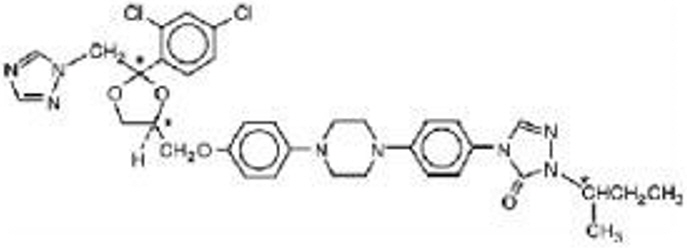
Itraconazole — Azole Antifungal [EPC]. INDICATIONS AND USAGE Itraconazole capsules are indicated for the treatment of the following fungal infections in immunocompromised and…
Boxed warning
WARNING: CONGESTIVE HEART FAILURE and DRUG INTERACTIONS WARNING: CONGESTIVE HEART FAILURE and DRUG INTERACTIONS See full prescribing information for complete boxed warning. Congestive Heart Failure TOLSURA can cause or exacerbate congestive heart failure (CHF). When itraconazole was administered intravenously to healthy human volunteers and dogs, negative inotropic effects were seen. If signs or symptoms of congestive heart failure occur or worsen during administration of TOLSURA, reassess the benefit-risk of continuing treatment. ( 5.1 , 6 ). Drug Interactions Co-administration of certain drugs that are metabolized by human CYP3A4 enzymes are contraindicated with TOLSURA because plasma concentrations of such drugs are increased. ( 4.1 , 5.5 , 7.1 ) Co-administration with colchicine, fesoterodine and solifenacin is contraindicated in subjects with varying degrees of renal or hepatic impairment. ( 4.1 , 7.1 ) Co-administration with eliglustat is contraindicated in poor or intermediate metabolizers of CYP2D6 and in subjects taking strong or moderate CYP2D6 inhibitors. ( 4.1 , 7.1 ) Increased plasma concentrations of some of these drugs can lead to QT prolongation and ventricular tachyarrhythmias including occurrences of torsades de pointes, a potentially fatal arrhythmia. ( 4.1 , 5.5 , 7.1 ) Congestive Heart Failure TOLSURA can cause or exacerbate congestive heart failure (CHF). When itraconazole was administered intravenously to healthy human volunteers and dogs, negative inotropic effects were seen. If signs or symptoms of congestive heart failure occur or worsen during administration of TOLSURA, reassess the benefit and risk of continuing treatment [ see Warnings and Precautions (5.1) and Adverse Reactions (6.1) ] . Drug Interactions Co-administration of certain drugs that are metabolized by human CYP3A4 enzymes are contraindicated with TOLSURA because plasma concentrations of such drugs are increased, which may also increase or prolong both the pharmacologic effects and/or adverse reactions to these drugs [see Contraindications (4.1) and Drug Interactions (7.1) ] Co-administration with colchicine, fesoterodine and solifenacin is contraindicated in subjects with varying degrees of renal or hepatic impairment, and Co-administration with eliglustat is contraindicated in subjects that are poor or intermediate metabolizers of CYP2D6 and in subjects taking strong or moderate CYP2D6 inhibitors. Increased plasma concentrations of some of these drugs caused by co-administration with TOLSURA can lead to QT prolongation and/or ventricular tachyarrhythmias, including occurrences of torsades de pointes , a potentially fatal arrhythmia [see Contraindications (4.1) , Warnings and Precautions (5.5) and Drug Interactions (7.1) ] .
INDICATIONS AND USAGE Itraconazole capsules are indicated for the treatment of the following fungal infections in immunocompromised and non-immunocompromised patients: Blastomycosis, pulmonary and extrapulmonary Histoplasmosis, including chronic cavitary pulmonary disease and disseminated, non-meningeal histoplasmosis, and Aspergillosis, pulmonary and extrapulmonary, in patients who are intolerant of or who are refractory to amphotericin B therapy. Specimens for fungal cultures and other relevant laboratory studies (wet mount, histopathology, serology) should be obtained before therapy to isolate and identify causative organisms. Therapy may be instituted before the results of the cultures and other laboratory studies are known; however, once these results become available, antiinfective therapy should be adjusted accordingly. Itraconazole capsules are also indicated for the treatment of the following fungal infections in non-immunocompromised patients: Onychomycosis of the toenail, with or without fingernail involvement, due to dermatophytes (tinea unguium), and Onychomycosis of the fingernail due to dermatophytes (tinea unguium). Prior to initiating treatment, appropriate nail specimens for laboratory testing (KOH preparation, fungal culture, or nail biopsy) should be obtained to confirm the diagnosis of onychomycosis (see CLINICAL PHARMACOLOGY : Special Populations, CONTRAINDICATIONS , WARNINGS , and ADVERSE REACTIONS : Post-marketing Experience for more information). Description of Clinical Studies: Blastomycosis: Analyses were conducted on data from two open-label, non-concurrently controlled studies (N=73 combined) in patients with normal or abnormal immune status. The median dose was 200 mg/day. A response for most signs and symptoms was observed within the first 2 weeks, and all signs and symptoms cleared between 3 and 6 months. Results of these two studies demonstrated substantial evidence of the effectiveness of itraconazole for the treatment of blastomycosis compared with the natural history of untreated cases. Histoplasmosis: Analyses were conducted on data from two open-label, non-concurrently controlled studies (N=34 combined) in patients with normal or abnormal immune status (not including HIV-infected patients). The median dose was 200 mg/day. A response for most signs and symptoms was observed within the first 2 weeks, and all signs and symptoms cleared between 3 and 12 months. Results of these two studies demonstrated substantial evidence of the effectiveness of itraconazole for the treatment of histoplasmosis, compared with the natural history of untreated cases. Histoplasmosis in HIV-infected patients: Data from a small number of HIV-infected patients suggested that the response rate of histoplasmosis in HIV-infected patients is similar to that of non-HIV-infected patients. The clinical course of histoplasmosis in HIV-infected patients is more severe and usually requires maintenance therapy to prevent relapse. Aspergillosis: Analyses were conducted on data from an open-label, “single-patient-use” protocol designed to make itraconazole available in the U.S. for patients who either failed or were intolerant of amphotericin B therapy (N=190). The findings were corroborated by two smaller open-label studies (N=31 combined) in the same patient population. Most adult patients were treated with a daily dose of 200 mg to 400 mg, with a median duration of 3 months. Results of these studies demonstrated substantial evidence of effectiveness of itraconazole as a second-line therapy for the treatment of aspergillosis compared with the natural history of the disease in patients who either failed or were intolerant of amphotericin B therapy. Onychomycosis of the toenail: Analyses were conducted on data from three double-blind, placebo-controlled studies (N=214 total; 110 given itraconazole capsules) in which patients with onychomycosis of the toenails received 200 mg of itraconazole capsules once daily for 12 consecutive weeks. Results of these studies demonstrated mycologic cure, defined as simultaneous occurrence of negative KOH plus negative culture, in 54% of patients. Thirty-five percent (35%) of patients were considered an overall success (mycologic cure plus clear or minimal nail involvement with significantly decreased signs) and 14% of patients demonstrated mycologic cure plus clinical cure (clearance of all signs, with or without residual nail deformity). The mean time to overall success was approximately 10 months. Twenty-one percent (21%) of the overall success group had a relapse (worsening of the global score or conversion of KOH or culture from negative to positive). Onychomycosis of the fingernail: Analyses were conducted on data from a double-blind, placebo-controlled study (N=73 total; 37 given itraconazole capsules) in which patients with onychomycosis of the fingernails received a 1-week course (pulse) of 200 mg of itraconazole capsules b.i.d., followed by a 3-week period without itraconazole capsules, which was followed by a second 1-week pulse of 200 mg of itraconazole capsules b.i.d. Results demonstrated mycologic cure in 61% of patients. Fifty-six percent (56%) of patients were considered an overall success and 47% of patients demonstrated mycologic cure plus clinical cure. The mean time to overall success was approximately 5 months. None of the patients who achieved overall success relapsed.
Dosage
DOSAGE AND ADMINISTRATION Itraconazole Capsules should be taken with a full meal to ensure maximal absorption. Itraconazole Capsules must be swallowed whole. Itraconazole Capsules are a different preparation than SPORANOX ® (itraconazole) Oral Solution and should not be used interchangeably. Treatment of Blastomycosis and Histoplasmosis The recommended dose is 200 mg once daily (2 capsules). If there is no obvious improvement, or there is evidence of progressive fungal disease, the dose should be increased in 100-mg increments to a maximum of 400 mg daily. Doses above 200 mg/day should be given in two divided doses. Treatment of Aspergillosis A daily dose of 200 to 400 mg is recommended. Treatment in Life-Threatening Situations In life-threatening situations, a loading dose should be used. Although clinical studies did not provide for a loading dose, it is recommended, based on pharmacokinetic data, that a loading dose of 200 mg (2 capsules) three times daily (600 mg/day) be given for the first 3 days of treatment. Treatment should be continued for a minimum of three months and until clinical parameters and laboratory tests indicate that the active fungal infection has subsided. An inadequate period of treatment may lead to recurrence of active infection. Itraconazole Capsules and SPORANOX ® (itraconazole) Oral Solution should not be used interchangeably. Only the Oral Solution has been demonstrated effective for oral and/or esophageal candidiasis. Treatment of Onychomycosis Toenails with or without fingernail involvement The recommended dose is 200 mg (2 capsules) once daily for 12 consecutive weeks. Treatment of Onychomycosis Fingernails only The recommended dosing regimen is 2 treatment pulses, each consisting of 200 mg (2 capsules) b.i.d. (400 mg/day) for 1 week. The pulses are separated by a 3-week period without itraconazole. Use in Patients with Renal Impairment Limited data are available on the use of oral itraconazole in patients with renal impairment. Caution should be exercised when this drug is administered in this patient population. (See CLINICAL PHARMACOLOGY: Special Populations and PRECAUTIONS .) Use in Patients with Hepatic Impairment Limited data are available on the use of oral itraconazole in patients with hepatic impairment. Caution should be exercised when this drug is administered in this patient population. (See CLINICAL PHARMACOLOGY: Special Populations , WARNINGS , and PRECAUTIONS .)
Warnings
WARNINGS AND PRECAUTIONS Hepatotoxicity : Serious hepatotoxicity, including liver failure and death were reported with the use of itraconazole. Discontinue treatment if signs of liver dysfunction occur ( 5.2 ) Cardiac Dysrhythmias : Life-threatening cardiac dysrhythmias and/or sudden death have occurred in patients using certain drugs that are metabolized by human CYP450 enzymes concomitantly with oral itraconazole and/or other CYP3A4 inhibitors. ( 4 , 5.3 , 5.5 ) Pseudoaldosteronism : Manifested by the onset or worsening of hypertension, and abnormal laboratory findings. Monitor blood pressure and potassium levels and manage as necessary ( 5.4 ). Peripheral Neuropathy : This has been reported in patients on long-term therapy with itraconazole. Monitor and promptly evaluate neurologic symptoms. ( 5.6 ) Hearing Loss : Reversible or permanent has been reported in patients. Discontinue treatment if hearing loss occurs ( 5.7 ) 5.1 Congestive Heart Failure TOLSURA can cause or exacerbate congestive heart failure (CHF) [see Boxed Warning and Adverse Reactions (6.1) ]. For patients with evidence of ventricular dysfunction such as CHF, history or risk factors for CHF, physicians should carefully review the risks and benefits of TOLSURA therapy. These risk factors include cardiac disease such as ischemic and valvular disease; significant pulmonary disease such as chronic obstructive pulmonary disease; and renal failure and other edematous disorders. Inform such patients of the signs and symptoms of CHF and monitor carefully for signs and symptoms of CHF during treatment. If signs or symptoms of CHF appear or worsen during administration of TOLSURA, reassess the benefit-risk of continuing treatment. When itraconazole was administered intravenously to anesthetized dogs, a dose-related negative inotropic effect was demonstrated. In a healthy volunteer study of itraconazole intravenous infusion, transient, asymptomatic decreases in left ventricular ejection fraction were observed using gated SPECT imaging; these resolved before the next infusion, 12 hours later. Itraconazole has been associated with reports of CHF, peripheral edema, and pulmonary edema. In post-marketing experience, heart failure was more frequently reported in patients receiving higher total daily doses of itraconazole of 400 mg although there were also cases reported among those receiving lower total daily doses [see Adverse Reactions (6.2) ] . Calcium channel blockers can have negative inotropic effects which may be additive to those of itraconazole. In addition, itraconazole can inhibit the metabolism of calcium channel blockers. Therefore, when co-administering itraconazole and calcium channel blockers, monitor carefully for signs and symptoms of CHF during treatment due to an increased risk of CHF. Concomitant administration of TOLSURA and felodipine or nisoldipine is contraindicated [see Contraindications (4.1) , Drug Interactions (7.1) and Adverse Reactions (6.2) ] 5.2 Hepatotoxicity Itraconazole has been associated with cases of serious hepatotoxicity, including liver failure and death. Some of these cases had neither pre-existing liver disease nor a serious underlying medical condition, and some of these cases developed within the first week of treatment. If clinical signs or symptoms develop that are consistent with liver disease, discontinue treatment and perform testing for liver disease. Continued TOLSURA use or reinstitution of treatment with TOLSURA is strongly discouraged unless there is a serious or life-threatening situation where the expected benefit exceeds the risk [ see Adverse Reactions (6.1) ]. 5.3 Cardiac Dysrhythmias Life-threatening cardiac dysrhythmias and/or sudden death have occurred in patients using drugs such as, pimozide, methadone, or quinidine concomitantly with oral itraconazole and/or other CYP3A4 inhibitors. Concomitant administration of these drugs with TOLSURA is contraindicated [see Boxed Warning , Contraindications (4) and Drug Interactions (7) ]. 5.4 Pseudoaldosteronism Pseudoaldosteronism, manifested by the onset of hypertension or worsening of hypertension, and abnormal laboratory findings (hypokalemia, low serum renin and aldosterone, and elevate 11-deoxycortisol), has been reported with itraconazole use in the postmarketing setting. Monitor blood pressure and potassium levels and manage as necessary. Management of pseudoaldosteronism may include discontinuation of TOLSURA, substitution with an appropriate antifungal drug that is not associated with pseudoaldosteronism, or use of aldosterone receptor antagonists. 5.5 Drug Interaction Potential Itraconazole has a potential for clinically important drug interactions [see Drug Interactions (7.1 , 7.2) ] . Co-administration of specific drugs with TOLSURA may result in changes in the efficacy of itraconazole and/or the co-administered drug, life-threatening effects and/or sudden death. [see Boxed Warning , Contraindications (4.1) and Drug Interactions (7.1 , 7.2) ]. 5.6 Peripheral Neuropathy Cases of peripheral neuropathy have been reported in patients on long-term therapy with itraconazole. Monitor for and promptly evaluate neurologic symptoms. If neuropathy attributable to TOLSURA occurs, discontinue treatment. 5.7 Hearing Loss Reversible or permanent hearing loss has been reported in patients receiving treatment with itraconazole. Several of these reports included concurrent administration of quinidine which is contraindicated [see Boxed Warning , Contraindications (4.2) and Drug Interactions (7) ] . The hearing loss usually resolves when treatment is stopped but can persist in some patients. 5.8 Hypersensitivity Reactions TOLSURA is contraindicated in patients with a known hypersensitivity to itraconazole [see Contraindications (4.2) ]. Hypersensitivity reactions have been reported with the use of itraconazole [see Adverse Reactions (6.2) ] . Due to the limited information regarding cross-hypersensitivity between itraconazole and other azole antifungal drugs, careful enquiry about previous hypersensitivity to other azole antifungal drugs should be made when prescribing TOLSURA. If hypersensitivity reactions to TOLSURA occurs, discontinue the drug and institute appropriate therapy.
Contraindications
CONTRAINDICATIONS Congestive Heart Failure: Itraconazole capsules should not be administered for the treatment of onychomycosis in patients with evidence of ventricular dysfunction such as congestive heart failure (CHF) or a history of CHF. (See BOXED WARNING , WARNINGS, PRECAUTIONS : Drug Interactions-Calcium Channel Blockers , ADVERSE REACTIONS : Postmarketing Experience , and CLINICAL PHARMACOLOGY : Special Populations .) Drug Interactions: Coadministration of a number of CYP3A4 substrates are contraindicated with itraconazole capsules. Some examples of drugs for which plasma concentrations increase are: methadone, disopyramide, dofetilide, dronedarone, quinidine, isavuconazole, ergot alkaloids (such as dihydroergotamine, ergometrine (ergonovine), ergotamine, methylergometrine (methylergonovine)), irinotecan, lurasidone, oral midazolam, pimozide, triazolam, felodipine, nisoldipine, ivabradine, ranolazine, eplerenone, cisapride, naloxegol, lomitapide, lovastatin, simvastatin, avanafil, ticagrelor, finerenone, voclosporin. In addition, coadministration with colchicine, fesoterodine and solifenacin is contraindicated in subjects with varying degrees of renal or hepatic impairment, and coadministration with eliglustat is contraindicated in subjects that are poor or intermediate metabolizers of CYP2D6 and in subjects taking strong or moderate CYP2D6 inhibitors. (See PRECAUTIONS: Drug Interactions Section for specific examples.) This increase in drug concentrations caused by coadministration with itraconazole may increase or prolong both the pharmacologic effects and/or adverse reactions to these drugs. For example, increased plasma concentrations of some of these drugs can lead to QT prolongation and ventricular tachyarrhythmias including occurrences of torsade de pointes, a potentially fatal arrhythmia. Some specific examples are listed in PRECAUTIONS: Drug Interactions. Coadministration with venetoclax is contraindicated in patients with CLL/SLL during the dose initiation and ramp-up phase of venetoclax due to the potential for an increased risk of tumor lysis syndrome. Itraconazole capsules should not be administered for the treatment of onychomycosis to pregnant patients or to women contemplating pregnancy. Itraconazole capsules are contraindicated for patients who have shown hypersensitivity to itraconazole. There is limited information regarding cross-hypersensitivity between itraconazole and other azole antifungal agents. Caution should be used when prescribing itraconazole capsules to patients with hypersensitivity to other azoles.
Drug interactions
Drug Interactions: Effect of Itraconazole on Other Drugs Itraconazole and its major metabolite, hydroxy-itraconazole, are potent CYP3A4 inhibitors. Itraconazole is an inhibitor of the drug transporters P-glycoprotein and breast cancer resistance protein (BCRP). Consequently, itraconazole has the potential to interact with many concomitant drugs resulting in either increased or sometimes decreased concentrations of the concomitant drugs. Increased concentrations may increase the risk of adverse reactions associated with the concomitant drug which can be severe or life-threatening in some cases (e.g., QT prolongation, torsade de pointes , respiratory depression, hepatic adverse reactions, hypersensitivity reactions, myelosuppression, hypotension, seizures, angioedema, atrial fibrillation, bradycardia, priapism). Reduced concentrations of concomitant drugs may reduce their efficacy. Table 1 lists examples of drugs that may have their concentrations affected by itraconazole, but it is not a comprehensive list. Refer to the approved product labeling to become familiar with the interaction pathways, risk potential, and specific actions to be taken with regards to each concomitant drug prior to initiating therapy with itraconazole. Although many of the clinical drug interactions in Table 1 are based on information with a similar azole antifungal, ketoconazole, these interactions are expected to occur with itraconazole. Table 1:Drug Interactions with Itraconazole that Affect Concomitant Drug Concentrations Examples of Concomitant Drugs Within Class Prevention or Management Drug Interactions with Itraconazole that Increase Concomitant Drug Concentrations and May Increase Risk of Adverse Reactions Associated with the Concomitant Drug Alpha Blockers Alfuzosin Silodosin Tamsulosin Not recommended during and 2 weeks after itraconazole treatment. Analgesics Methadone Contraindicated during and 2 weeks after itraconazole treatment. Fentanyl Not recommended during and 2 weeks after itraconazole treatment. Alfentanil Buprenorphine (IV and sublingual) Oxycodone a Sufentanil Monitor for adverse reactions. Concomitant drug dose reduction may be necessary. Antiarrhythmics Disopyramide Dofetilide Dronedarone Quinidine a Contraindicated during and 2 weeks after itraconazole treatment. Digoxin a Monitor for adverse reactions. Concomitant drug dose reduction may be necessary. Antibacterials Bedaquiline b Concomitant itraconazole not recommended for more than 2 weeks at any time during bedaquiline treatment. Rifabutin Not recommended 2 weeks before, during, and 2 weeks after itraconazole treatment. See also Table 2. Clarithromycin Monitor for adverse reactions. Concomitant drug dose reduction may be necessary. See also Table 2. Trimetrexate Monitor for adverse reactions. Concomitant drug dose reduction may be necessary. Anticoagulants and Antiplatelets Ticagrelor Contraindicated during and 2 weeks after itraconazole treatment. Apixaban Rivaroxaban Vorapaxar Not recommended during and 2 weeks after itraconazole treatment. Cilostazol Dabigatran Warfarin Monitor for adverse reactions. Concomitant drug dose reduction may be necessary. Anticonvulsants Carbamazepine Not recommended 2 weeks before, during, and 2 weeks after itraconazole treatment. See also Table 2. Antidiabetic Drugs Repaglinide a Saxagliptin Monitor for adverse reactions. Concomitant drug dose reduction may be necessary. Antihelminthics, Antifungals and Antiprotozoals Isavuconazonium Contraindicated during and 2 weeks after itraconazole treatment. Praziquantel Monitor for adverse reactions. Concomitant drug dose reduction may be necessary. Artemether-lumefantrine Quinine a Monitor for adverse reactions. Antimigraine Drugs Ergot alkaloids (e.g., dihydroergotamine, ergotamine) Contraindicated during and 2 weeks after itraconazole treatment. Eletriptan Monitor for adverse reactions. Concomitant drug dose reduction may be necessary. Antineoplastics Irinotecan Contraindicated during and 2 weeks after itraconazole treatment. Venetoclax Contraindicated during the dose initiation and ramp-up phase in patients with CLL/SLL. Refer to the venetoclax prescribing information for dosing and safety monitoring instructions. Mobocertinib a Avoid use during and 2weeks after itraconazole treatment. Docetaxel Axitinib Ibrutinib Bosutinib Lapatinib Cabazitaxel Nilotinib Cabozantinib Olaparib a Ceritinib Pazopanib Cobimetinib a Sunitinib Crizotinib Trabectedin Dabrafenib Trastuzumab Dasatinib emtansine Vinca alkaloids Avoid use during and 2 weeks after itraconazole treatment. Entrectinib a Pemigatinib a Talazoparib a Refer to the entrectinib, pemigatinib and talazoparib prescribing information for dosing instructions if concomitant use cannot be avoided. Glasdegib Refer to the glasdegib prescribing information for safety monitoring if concomitant use cannot be avoided. Bortezomib Nintedanib Brentuximab- Panobinostat vedotin Ponatinib Busulfan a Ruxolitinib Erlotinib Sonidegib Gefitinib b Tretinoin (oral) Idelalisib Vandetanib a ImatinibIxabepilone Monitor for adverse reactions. Concomitant drug dose reduction may be necessary. For idelalisib, see also Table 2. Antipsychotics, Anxiolytics and Hypnotics Alprazolam a Midazolam (IV) a Aripiprazole a Quetiapine Buspirone a Cariprazine Ramelteon Diazepam a Risperidone a Haloperidol a Suvorexant Monitor for adverse reactions. Concomitant drug dose reduction may be necessary. Zopiclone a Monitor for adverse reactions. Concomitant drug dose reduction may be necessary. Lurasidone Midazolam (oral) a Pimozide Triazolam a Contraindicated during and 2 weeks after itraconazole treatment. Antivirals Daclatasvir Indinavir a Maraviroc Monitor for adverse reactions. Concomitant drug dose reduction may be necessary. For indinavir, see also Table 2. Cobicistat Elvitegravir (ritonavir-boosted) Ombitasvir/Paritaprevir/Ritonavir with or without Dasabuvir Ritonavir Saquinavir (unboosted) a Monitor for adverse reactions. See also Table 2. Elbasvir/grazoprevir Glecaprevir/pibrentasvir Tenofovir disoproxil fumarate Not recommended during and 2 weeks after itraconazole treatment. Monitor for adverse reactions. Monitor for adverse reactions. Beta Blockers Nadolol a Monitor for adverse reactions. Concomitant drug dose reduction may be necessary. Calcium Channel Blockers Felodipine a Nisoldipine Contraindicated during and 2 weeks after itraconazole treatment. Diltiazem Other dihydropyridines Verapamil Monitor for adverse reactions. Concomitant drug dose reduction may be necessary. For diltiazem, see also Table 2. Cardiovascular Drugs, Miscellaneous Ivabradine Ranolazine Contraindicated during and 2 weeks after itraconazole treatment. Aliskiren a Riociguat Sildenafil (for pulmonary hypertension) Tadalafil (for pulmonary hypertension) Not recommended during and 2 weeks after itraconazole treatment. For sildenafil and tadalafil, see also Urologic Drugs below. Bosentan Guanfacine Monitor for adverse reactions. Concomitant drug dose reduction may be necessary. Contraceptives* Dienogest Ulipristal Monitor for adverse reactions. Diuretics Eplerenone Finerenone Contraindicated during and 2 weeks after itraconazole treatment. Gastrointestinal Drugs Cisapride Naloxegol Contraindicated during and 2 weeks after itraconazole treatment. Aprepitant Loperamide a Monitor for adverse reactions. Concomitant drug dose reduction may be necessary. Netupitant Monitor for adverse reactions. Immunosuppressants Voclosporin Contraindicated during and for 2 weeks after itraconazole treatment. Everolimus Sirolimus Temsirolimus (IV) Not recommended during and 2 weeks after itraconazole treatment. Budesonide (inhalation) a Budesonide (non-inhalation) Ciclesonide (inhalation) Cyclosporine (IV) a Cyclosporine (non-IV) Dexamethasone a Fluticasone (inhalation) a Fluticasone (nasal)Methylprednisolone a Tacrolimus (IV) a Tacrolimus (oral) Monitor for adverse reactions. Concomitant drug dose reduction may be necessary. Lipid-Lowering Drugs Lomitapi
Adverse reactions
ADVERSE REACTIONS Because clinical trials are conducted under widely varying conditions, adverse reaction rates observed in the clinical trials of a drug cannot be directly compared to rates in the clinical trials of another drug and may not reflect the rates observed in clinical practice. Itraconazole has been associated with rare cases of serious hepatotoxicity, including liver failure and death. Some of these cases had neither pre-existing liver disease nor a serious underlying medical condition. If clinical signs or symptoms develop that are consistent with liver disease, treatment should be discontinued and liver function testing performed. The risks and benefits of itraconazole use should be reassessed (see WARNINGS: Hepatic Effects and PRECAUTIONS: Hepatotoxicity and Information for Patients ). Adverse Events Reported in Oropharyngeal or Esophageal Candidiasis Trials U.S. adverse experience data are derived from 350 immunocompromised patients (332 HIV seropositive/AIDS) treated for oropharyngeal or esophageal candidiasis. Table 3 below lists adverse events reported by at least 2% of patients treated with itraconazole oral solution in U.S. clinical trials. Data on patients receiving comparator agents in these trials are included for comparison. Table 3: Summary of Adverse Events Reported by ≥ 2% of Itraconazole Treated Patients in U.S. Clinical Trials (Total) Body System/ Adverse Event Itraconazole Total (n = 350 * ) % All controlled studies (n = 272) % Fluconazole (n = 125 † ) % Clotrimazole (n = 81 ‡ ) % Gastrointestinal disorders Nausea 11 10 11 5 Diarrhea 11 10 10 4 Vomiting 7 6 8 1 Abdominal pain 6 4 7 7 Constipation 2 2 1 0 Body as a whole Fever 7 6 8 5 Chest pain 3 3 2 0 Pain 2 2 4 0 Fatigue 2 1 2 0 Respiratory disorders Coughing 4 4 10 0 Dyspnea 2 3 5 1 Pneumonia 2 2 0 0 Sinusitis 2 2 4 0 Sputum increased 2 3 3 1 Skin and appendages disorders Rash 4 5 4 6 Increased sweating 3 4 6 1 Skin disorder unspecified 2 2 2 1 Central/peripheral nervous system Headache 4 4 6 6 Dizziness 2 2 4 1 Resistance mechanism disorders Pneumocystis carinii infection 2 2 2 0 Psychiatric disorders Depression 2 1 0 1 * Of the 350 patients, 209 were treated for oropharyngeal candidiasis in controlled studies, 63 were treated for esophageal candidiasis in controlled studies and 78 were treated for oropharyngeal candidiasis in an open study. † Of the 125 patients, 62 were treated for oropharyngeal candidiasis and 63 were treated for esophageal candidiasis. ‡ All 81 patients were treated for oropharyngeal candidiasis. Adverse events reported by less than 2% of patients in U.S. clinical trials with itraconazole included: adrenal insufficiency, asthenia, back pain, dehydration, dyspepsia, dysphagia, flatulence, gynecomastia, hematuria, hemorrhoids, hot flushes, implantation complication, infection unspecified, injury, insomnia, male breast pain, myalgia, pharyngitis, pruritus, rhinitis, rigors, stomatitis ulcerative, taste perversion, tinnitus, upper respiratory tract infection, vision abnormal, and weight decrease. Edema, hypokalemia and menstrual disorders have been reported in clinical trials with itraconazole capsules. Adverse Events Reported from Other Clinical Trials A comparative clinical trial in patients who received intravenous itraconazole followed by itraconazole oral solution or received Amphotericin B reported the following adverse events in the itraconazole intravenous/ itraconazole oral solution treatment arm which are not listed above in the subsection “Adverse Events Reported in Oropharyngeal or Esophageal Candidiasis Trials” or listed below as postmarketing reports of adverse drug reactions: serum creatinine increased, blood urea nitrogen increased, renal function abnormal, hypocalcemia, hypomagnesemia, hypophosphatemia, hypotension, tachycardia and pulmonary infiltration. In addition, the following adverse drug reactions were reported in patients who participated in itraconazole oral solution clinical trials: Cardiac Disorders: cardiac failure; General Disorders and Administration Site Conditions: edema; Hepatobiliary Disorders: hepatic failure, hyperbilirubinemia; Metabolism and Nutrition Disorders: hypokalemia; Reproductive System and Breast Disorders: menstrual disorder The following is a list of additional adverse drug reactions associated with itraconazole that have been reported in clinical trials of itraconazole capsules and itraconazole IV excluding the adverse reaction term “Injection site inflammation” which is specific to the injection route of administration: Cardiac Disorders: left ventricular failure; Gastrointestinal Disorders: gastrointestinal disorder; General Disorders and Administration Site Conditions: face edema; Hepatobiliary Disorders: jaundice, hepatic function abnormal; Investigations: alanine aminotransferase increased, aspartate aminotransferase increased, blood alkaline phosphatase increased, blood lactate dehydrogenase increased, gamma-glutamyltransferase increased, urine analysis abnormal; Metabolism and Nutrition Disorders: hyperglycemia, hyperkalemia; Nervous System Disorders: somnolence; Psychiatric Disorders: confusional state; Renal and Urinary Disorders: renal impairment; Respiratory, Thoracic and Mediastinal Disorders: dysphonia; Skin and Subcutaneous Tissue Disorders: rash erythematous; Vascular Disorders: hypertension In addition, the following adverse drug reaction was reported in children only who participated in itraconazole oral solution clinical trials: mucosal inflammation. To report SUSPECTED ADVERSE REACTIONS, contact Amneal Pharmaceuticals at 1-877-835-5472 or FDA at 1-800-FDA-1088 or www.fda.gov/medwatch . Postmarketing Experience Adverse drug reactions that have been first identified during postmarketing experience with itraconazole (all formulations) are listed in Table 4 below. Because these reactions are reported voluntarily from a population of uncertain size, reliably estimating their frequency or establishing a causal relationship to drug exposure is not always possible. Table 4: Postmarketing Reports of Adverse Drug Reactions Blood and Lymphatic System Disorders: Leukopenia, neutropenia, thrombocytopenia Immune System Disorders: Anaphylaxis; anaphylactic, anaphylactoid and allergic reactions; serum sickness; angioneurotic edema Endocrine Disorders: Pseudoaldosteronism Metabolism and Nutrition Disorders: Hypertriglyceridemia Nervous System Disorders: Peripheral neuropathy, paresthesia, hypoesthesia, tremor Eye Disorders: Visual disturbances, including vision blurred and diplopia Ear and Labyrinth Disorders: Transient or permanent hearing loss Cardiac Disorders: Congestive heart failure, bradycardia Respiratory, Thoracic and Mediastinal Disorders: Pulmonary edema Gastrointestinal Disorders: Pancreatitis Hepatobiliary Disorders: Serious hepatotoxicity (including some cases of fatal acute liver failure), hepatitis, reversible increases in hepatic enzymes Skin and Subcutaneous Tissue Disorders: Toxic epidermal necrolysis, Stevens-Johnson syndrome, acute generalized exanthematous pustulosis, erythema multiforme, exfoliative dermatitis, leukocytoclastic vasculitis, alopecia, photosensitivity, urticaria Musculoskeletal and Connective Tissue Disorders: Arthralgia Renal and Urinary Disorders: Urinary incontinence, pollakiuria Reproductive System and Breast Disorders: Erectile dysfunction General Disorders and Administration Site Conditions: Peripheral edema Investigations: Blood creatine phosphokinase increased There is limited information on the use of itraconazole during pregnancy. Cases of congenital abnormalities including skeletal, genitourinary tract, cardiovascular and ophthalmic malformations as well as chromosomal and multiple malformations have been reported during postmarketing experience. A causal relationship with itraconazole has not been established (see CLINICAL PHARMACOLOGY: Special Populations , CONTRAINDICATIONS , WARNINGS, and PRECAUTIONS: Drug Interactions for more information).
Mechanism of action
CLINICAL PHARMACOLOGY Pharmacokinetics and Metabolism: General Pharmacokinetic Characteristics Peak plasma concentrations of itraconazole are reached within 2 to 5 hours following oral administration. As a consequence of non-linear pharmacokinetics, itraconazole accumulates in plasma during multiple dosing. Steady-state concentrations are generally reached within about 15 days, with C max values of 0.5 μg/mL, 1.1 μg/mL and 2 μg/mL after oral administration of 100 mg once daily, 200 mg once daily and 200 mg b.i.d., respectively. The terminal half-life of itraconazole generally ranges from 16 to 28 hours after single dose and increases to 34 to 42 hours with repeated dosing. Once treatment is stopped, itraconazole plasma concentrations decrease to an almost undetectable concentration within 7 to 14 days, depending on the dose and duration of treatment. Itraconazole mean total plasma clearance following intravenous administration is 278 mL/min. Itraconazole clearance decreases at higher doses due to saturable hepatic metabolism. Absorption Itraconazole is rapidly absorbed after oral administration. Peak plasma concentrations of itraconazole are reached within 2 to 5 hours following an oral capsule dose. The observed absolute oral bioavailability of itraconazole is about 55%. The oral bioavailability of itraconazole is maximal when itraconazole capsules are taken immediately after a full meal. Absorption of itraconazole capsules is reduced in subjects with reduced gastric acidity, such as subjects taking medications known as gastric acid secretion suppressors (e.g., H 2 -receptor antagonists, proton pump inhibitors) or subjects with achlorhydria caused by certain diseases. (See PRECAUTIONS: Drug Interactions.) Absorption of itraconazole under fasted conditions in these subjects is increased when itraconazole capsules are administered with an acidic beverage (such as a non-diet cola). When itraconazole capsules were administered as a single 200-mg dose under fasted conditions with non-diet cola after ranitidine pretreatment, a H 2 -receptor antagonist, itraconazole absorption was comparable to that observed when itraconazole capsules were administered alone. (See PRECAUTIONS: Drug Interactions.) Itraconazole exposure is lower with the Capsule formulation than with the Oral Solution when the same dose of drug is given. (See WARNINGS.) Distribution Most of the itraconazole in plasma is bound to protein (99.8%), with albumin being the main binding component (99.6% for the hydroxy-metabolite). It has also a marked affinity for lipids. Only 0.2% of the itraconazole in plasma is present as free drug. Itraconazole is distributed in a large apparent volume in the body (>700 L), suggesting extensive distribution into tissues. Concentrations in lung, kidney, liver, bone, stomach, spleen and muscle were found to be two to three times higher than corresponding concentrations in plasma, and the uptake into keratinous tissues, skin in particular, up to four times higher. Concentrations in the cerebrospinal fluid are much lower than in plasma. Metabolism Itraconazole is extensively metabolized by the liver into a large number of metabolites. In vitro studies have shown that CYP3A4 is the major enzyme involved in the metabolism of itraconazole. The main metabolite is hydroxy-itraconazole, which has in vitro antifungal activity comparable to itraconazole; trough plasma concentrations of this metabolite are about twice those of itraconazole. Excretion Itraconazole is excreted mainly as inactive metabolites in urine (35%) and in feces (54%) within one week of an oral solution dose. Renal excretion of itraconazole and the active metabolite hydroxy-itraconazole account for less than 1% of an intravenous dose. Based on an oral radiolabeled dose, fecal excretion of unchanged drug ranges from 3% to 18% of the dose. As re-distribution of itraconazole from keratinous tissues appears to be negligible, elimination of itraconazole from these tissues is related to epidermal regeneration. Contrary to plasma, the concentration in skin persists for 2 to 4 weeks after discontinuation of a 4-week treatment and in nail keratin – where itraconazole can be detected as early as 1 week after start of treatment – for at least six months after the end of a 3-month treatment period. Special Populations: Renal Impairment: Limited data are available on the use of oral itraconazole in patients with renal impairment. A pharmacokinetic study using a single 200 mg oral dose of itraconazole was conducted in three groups of patients with renal impairment (uremia: n=7; hemodialysis: n=7; and continuous ambulatory peritoneal dialysis: n=5). In uremic subjects with a mean creatinine clearance of 13 mL/min. × 1.73 m 2 , the exposure, based on AUC, was slightly reduced compared with normal population parameters. This study did not demonstrate any significant effect of hemodialysis or continuous ambulatory peritoneal dialysis on the pharmacokinetics of itraconazole (T max , C max , and AUC 0-8h ). Plasma concentration-versus-time profiles showed wide intersubject variation in all three groups. After a single intravenous dose, the mean terminal half-lives of itraconazole in patients with mild (defined in this study as CrCl 50 to 79 mL/min), moderate (defined in this study as CrCl 20 to 49 mL/min), and severe renal impairment (defined in this study as CrCl <20 mL/min) were similar to that in healthy subjects (range of means 42 to 49 hours vs 48 hours in renally impaired patients and healthy subjects, respectively). Overall exposure to itraconazole, based on AUC, was decreased in patients with moderate and severe renal impairment by approximately 30% and 40%, respectively, as compared with subjects with normal renal function. Data are not available in renally impaired patients during long-term use of itraconazole. Dialysis has no effect on the half-life or clearance of itraconazole or hydroxy-itraconazole. (See PRECAUTIONS and DOSAGE AND ADMINISTRATION.) Hepatic Impairment: Itraconazole is predominantly metabolized in the liver. A pharmacokinetic study was conducted in 6 healthy and 12 cirrhotic subjects who were administered a single 100 mg dose of itraconazole as capsule. A statistically significant reduction in mean C max (47%) and a twofold increase in the elimination half-life (37±17 hours vs. 16±5 hours) of itraconazole were noted in cirrhotic subjects compared with healthy subjects. However, overall exposure to itraconazole, based on AUC, was similar in cirrhotic patients and in healthy subjects. Data are not available in cirrhotic patients during long-term use of itraconazole. (See CONTRAINDICATIONS, PRECAUTIONS: Drug Interactions and DOSAGE AND ADMINISTRATION.) Decreased Cardiac Contractility: When itraconazole was administered intravenously to anesthetized dogs, a dose-related negative inotropic effect was documented. In a healthy volunteer study of itraconazole intravenous infusion, transient, asymptomatic decreases in left ventricular ejection fraction were observed using gated SPECT imaging; these resolved before the next infusion, 12 hours later. If signs or symptoms of congestive heart failure appear during administration of itraconazole capsules, itraconazole should be discontinued. (See BOXED WARNING, CONTRAINDICATIONS, WARNINGS, PRECAUTIONS: Drug Interactions and ADVERSE REACTIONS: Postmarketing Experience for more information.) MICROBIOLOGY Mechanism of Action: In vitro studies have demonstrated that itraconazole inhibits the cytochrome P450-dependent synthesis of ergosterol, which is a vital component of fungal cell membranes. Antimicrobial Activity: Itraconazole exhibits in vitro activity against Blastomyces dermatitidis, Histoplasma capsulatum, Histoplasma duboisii, Aspergillus flavus, Aspergillus fumigatus, and Trichophyton species (See INDICATIONS AND USAGE: Description of Clinical Studies). Susceptibility Testing Methods: For specific information regarding susceptibility test interpretiv
A drug lookup is just the start. Eleplan keeps the whole care plan in one place.
Medications, diagnoses, documents, appointments, and the whole care team — organized and always in sync, with Ellie, your AI care assistant, on top of it. Free to start.