Ivacaftor
Managing this medication for someone you care for? Eleplan keeps diagnoses, medications and appointments in one plan.
Start free with EleplanMedication reference
Ivacaftor
Cystic Fibrosis Transmembrane Conductance Regulator Potentiator [EPC] — ORAL
Ivacaftor — Cystic Fibrosis Transmembrane Conductance Regulator Potentiator [EPC]. INDICATIONS AND USAGE SYMDEKO is indicated for the treatment of cystic fibrosis (CF) in patients aged 6 years and older who are homozygous for the…
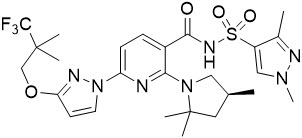
Brand names
KalydecoSYMDEKOORKAMBI
Active ingredients
IVACAFTORLUMACAFTOR
Indications
INDICATIONS AND USAGE SYMDEKO is indicated for the treatment of cystic fibrosis (CF) in patients aged 6 years and older who are homozygous for the F508del mutation or who have at least one mutation in the cystic fibrosis transmembrane conductance regulator ( CFTR ) gene that is responsive to tezacaftor/ivacaftor based on in vitro data and/or clinical evidence [see Clinical Pharmacology (12.1) and Clinical Studies (14) ] . If the patient's genotype is unknown, an FDA-cleared CF mutation test should be used to detect the presence of a CFTR mutation followed by verification with bi-directional sequencing when recommended by the mutation test instructions for use. SYMDEKO is a combination of tezacaftor and ivacaftor, indicated for the treatment of cystic fibrosis (CF) in patients aged 6 years and older who are homozygous for the F508del mutation or who have at least one mutation in the cystic fibrosis transmembrane conductance regulator ( CFTR ) gene that is responsive to tezacaftor/ivacaftor based on in vitro data and/or clinical evidence. ( 12.1 , 14 ) If the patient's genotype is unknown, an FDA-cleared CF mutation test should be used to detect the presence of a CFTR mutation followed by verification with bi-directional sequencing when recommended by the mutation test instructions for use. ( 1 )
Dosage
DOSAGE AND ADMINISTRATION Age Group Weight Dose Administration 1 through 2 years 7 kg to <9 kg 1 packet of lumacaftor 75 mg/ivacaftor 94 mg granules Mixed with one teaspoon (5 mL) of soft food or liquid and administered orally every 12 hours with fat-containing food 9 kg to <14 kg 1 packet of lumacaftor 100 mg/ivacaftor 125 mg granules ≥14 kg 1 packet of lumacaftor 150 mg/ivacaftor 188 mg granules 2 through 5 years <14 kg 1 packet of lumacaftor 100 mg/ivacaftor 125 mg granules ≥14 kg 1 packet of lumacaftor 150 mg/ivacaftor 188 mg granules 6 through 11 years - 2 tablets of lumacaftor 100 mg/ivacaftor 125 mg (lumacaftor 200 mg/ivacaftor 250 mg per dose) Taken orally every 12 hours with fat-containing food 12 years and older - 2 tablets of lumacaftor 200 mg/ivacaftor 125 mg (lumacaftor 400 mg/ivacaftor 250 mg per dose) Reduce dosage in patients with moderate or severe hepatic impairment. ( 2.2 , 8.6 , 12.3 ) When initiating ORKAMBI in patients taking strong CYP3A inhibitors, reduce ORKAMBI dosage for the first week of treatment. ( 2.3 , 7.1 , 12.3 ) 2.1 Recommended Dosage in Adults and Pediatric Patients Aged 1 Year and Older The recommended dosage of ORKAMBI in adults and pediatric patients aged one year and older is based on patient's age and weight as described in Table 1. Table 1: Recommended Oral Dosage of ORKAMBI in Patients Aged 1 Year and Older Age Group Weight ORKAMBI Daily Dose (every 12 hours) Morning Dose Evening Dose 1 through 2 years 7 kg to <9 kg 1 packet of lumacaftor 75 mg/ivacaftor 94 mg oral granules 1 packet of lumacaftor 75 mg/ivacaftor 94 mg oral granules 9 kg to <14 kg 1 packet of lumacaftor 100 mg/ivacaftor 125 mg oral granules 1 packet of lumacaftor 100 mg/ivacaftor 125 mg oral granules ≥14 kg 1 packet of lumacaftor 150 mg/ivacaftor 188 mg oral granules 1 packet of lumacaftor 150 mg/ivacaftor 188 mg oral granules 2 through 5 years <14 kg 1 packet of lumacaftor 100 mg/ivacaftor 125 mg oral granules 1 packet of lumacaftor 100 mg/ivacaftor 125 mg oral granules ≥14 kg 1 packet of lumacaftor 150 mg/ivacaftor 188 mg oral granules 1 packet of lumacaftor 150 mg/ivacaftor 188 mg oral granules 6 through 11 years - 2 tablets of lumacaftor 100 mg/ivacaftor 125 mg (lumacaftor 200 mg/ivacaftor 250 mg per dose) 2 tablets of lumacaftor 100 mg/ivacaftor 125 mg (lumacaftor 200 mg/ivacaftor 250 mg per dose) 12 years and older - 2 tablets of lumacaftor 200 mg/ivacaftor 125 mg (lumacaftor 400 mg/ivacaftor 250 mg per dose) 2 tablets of lumacaftor 200 mg/ivacaftor 125 mg (lumacaftor 400 mg/ivacaftor 250 mg per dose) Administration Instructions for ORKAMBI Oral Granules The entire content of each packet of oral granules should be mixed with one teaspoon (5 mL) of age-appropriate soft food or liquid and the mixture completely consumed. Some examples of soft foods or liquids include puréed fruits or vegetables, flavored yogurt or pudding, applesauce, water, milk, breast milk, infant formula or juice. Food should be at room temperature or below. Each packet is for single use only. Once mixed, the product has been shown to be stable for one hour, and therefore should be ingested during this period. Administration with Fat-Containing Food for ORKAMBI Tablets and Oral Granules A fat-containing meal or snack should be consumed just before or just after dosing for all formulations. Examples of appropriate fat-containing foods include eggs, avocados, nuts, butter, peanut butter, cheese pizza, breast milk, infant formula, whole-milk dairy products (such as whole milk, cheese, and yogurt), etc. Missed Dose If a patient misses a dose and remembers the missed dose within 6 hours, the patient should take the dose with fat-containing food. If more than 6 hours elapsed after the recommended dosing time, the patient should skip that dose and resume the normal schedule for the following dose. A double dose should not be taken to make up for the forgotten dose [see Clinical Pharmacology (12.3) and Patient Counseling Information (17) ] . 2.2 Dosage Adjustment for Patients with Hepatic Impairment For dosage adjustment for patients with hepatic impairment, refer to Table 2. Studies have not been conducted in patients with severe hepatic impairment (Child-Pugh Class C), but exposure is expected to be higher than in patients with moderate hepatic impairment. Therefore, use with caution at a maximum dose of 1 tablet in the morning and 1 tablet in the evening or less frequently, or 1 packet of oral granules once daily or less frequently in patients with severe hepatic impairment after weighing the risks and benefits of treatment [see Dosage and Administration (2.1) , Use in Specific Populations (8.6) , Clinical Pharmacology (12.3) , and Patient Counseling Information (17) ] . Table 2: Recommended Dosage for Patients with Hepatic Impairment Age Group Weight Morning Dose Evening Dose Mild (Child-Pugh Class A) 1 through 2 years 7 kg to <9 kg 1 packet of lumacaftor 75 mg/ivacaftor 94 mg oral granules 1 packet of lumacaftor 75 mg/ivacaftor 94 mg oral granules 9 kg to <14 kg 1 packet of lumacaftor 100 mg/ivacaftor 125 mg oral granules 1 packet of lumacaftor 100 mg/ivacaftor 125 mg oral granules ≥14 kg 1 packet of lumacaftor 150 mg/ivacaftor 188 mg oral granules 1 packet of lumacaftor 150 mg/ivacaftor 188 mg oral granules 2 through 5 years <14 kg 1 packet of lumacaftor 100 mg/ivacaftor 125 mg oral granules 1 packet of lumacaftor 100 mg/ivacaftor 125 mg oral granules ≥14 kg 1 packet of lumacaftor 150 mg/ivacaftor 188 mg oral granules 1 packet of lumacaftor 150 mg/ivacaftor 188 mg oral granules 6 through 11 years - 2 tablets of lumacaftor 100 mg/ivacaftor 125 mg (lumacaftor 200 mg/ivacaftor 250 mg per dose) 2 tablets of lumacaftor 100 mg/ivacaftor 125 mg (lumacaftor 200 mg/ivacaftor 250 mg per dose) 12 years and older - 2 tablets of lumacaftor 200 mg/ivacaftor 125 mg (lumacaftor 400 mg/ivacaftor 250 mg per dose) 2 tablets of lumacaftor 200 mg/ivacaftor 125 mg (lumacaftor 400 mg/ivacaftor 250 mg per dose) Moderate (Child-Pugh Class B) 1 through 2 years 7 kg to <9 kg 1 packet of lumacaftor 75 mg/ivacaftor 94 mg oral granules 1 packet of lumacaftor 75 mg/ivacaftor 94 mg oral granules every other day 9 kg to <14 kg 1 packet of lumacaftor 100 mg/ivacaftor 125 mg oral granules 1 packet of lumacaftor 100 mg/ivacaftor 125 mg oral granules every other day ≥14 kg 1 packet of lumacaftor 150 mg/ivacaftor 188 mg oral granules 1 packet of lumacaftor 150 mg/ivacaftor 188 mg oral granules every other day 2 through 5 years <14 kg 1 packet of lumacaftor 100 mg/ivacaftor 125 mg oral granules 1 packet of lumacaftor 100 mg/ivacaftor 125 mg oral granules every other day ≥14 kg 1 packet of lumacaftor 150 mg/ivacaftor 188 mg oral granules 1 packet of lumacaftor 150 mg/ivacaftor 188 mg oral granules every other day 6 through 11 years - 2 tablets of lumacaftor 100 mg/ivacaftor 125 mg (lumacaftor 200 mg/ivacaftor 250 mg per dose) 1 tablet of lumacaftor 100 mg/ivacaftor 125 mg 12 years and older - 2 tablets of lumacaftor 200 mg/ivacaftor 125 mg (lumacaftor 400 mg/ivacaftor 250 mg per dose) 1 tablet of lumacaftor 200 mg/ivacaftor 125 mg Severe (Child-Pugh Class C) 1 through 2 years 7 kg to <9 kg 1 packet of lumacaftor 75 mg/ivacaftor 94 mg oral granules or less frequently. N/A 9 kg to <14 kg 1 packet of lumacaftor 100 mg/ivacaftor 125 mg oral granules ≥14 kg 1 packet of lumacaftor 150 mg/ivacaftor 188 mg oral granules 2 through 5 years <14 kg 1 packet of lumacaftor 100 mg/ivacaftor 125 mg oral granules ≥14 kg 1 packet of lumacaftor 150 mg/ivacaftor 188 mg oral granules 6 through 11 years - 1 tablet of lumacaftor 100 mg/ivacaftor 125 mg 1 tablet of lumacaftor 100 mg/ivacaftor 125 mg 12 years and older - 1 tablet of lumacaftor 200 mg/ivacaftor 125 mg 1 tablet of lumacaftor 200 mg/ivacaftor 125 mg 2.3 Dosage Adjustment for Patients Taking CYP3A Inhibitors No dosage adjustment is necessary when CYP3A inhibitors are initiated in patients already taking ORKAMBI. However, when initiating ORKAMBI in patients currently ta
Warnings
WARNINGS AND PRECAUTIONS Use in patients with advanced liver disease: ORKAMBI should be used with caution in these patients and only if the benefits are expected to outweigh the risks. If ORKAMBI is used in these patients, they should be closely monitored after the initiation of treatment and the dosage should be reduced. Liver function decompensation, including liver failure leading to death, has been reported in CF patients with pre-existing cirrhosis with portal hypertension. ( 2.2 , 5.1 , 6.1 ) Liver-related events: Elevated transaminases (ALT/AST) have been observed in some cases associated with elevated bilirubin. Measure serum transaminases and bilirubin before initiating ORKAMBI, every 3 months during the first year of treatment, and annually thereafter. For patients with a history of ALT, AST, or bilirubin elevations, more frequent monitoring should be considered. Interrupt dosing in patients with ALT or AST >5 × upper limit of normal (ULN), or ALT or AST >3 × ULN with bilirubin >2 × ULN. Following resolution, consider the benefits and risks of resuming dosing. ( 5.2 , 6.1 ) Hypersensitivity reactions: Angioedema and anaphylaxis have been reported with ORKAMBI in the postmarketing setting. Initiate appropriate therapy in the event of a hypersensitivity reaction. ( 5.3 ) Intracranial hypertension: Intracranial hypertension (IH) has been reported in the postmarketing setting with the use of ORKAMBI. If an unusual headache or visual disturbances occur during treatment, and IH is suspected, interrupt ORKAMBI and refer for prompt medical evaluation. ( 5.4 ) Neuropsychiatric events, including suicidal thoughts and behaviors : Serious neuropsychiatric events, including symptoms of anxiety, depression, suicidal ideation and behavior, and sleep disturbances, have been reported in the postmarketing setting for ORKAMBI or drugs containing the same or similar active ingredients. Monitor patients closely for new or worsening symptoms. Consider the risks and benefits for the individual patient to determine if therapy with ORKAMBI should be interrupted at the occurrence of neuropsychiatric symptoms. ( 5.5 ) Respiratory events: Chest discomfort, dyspnea, and respiration abnormal were observed more commonly during initiation of ORKAMBI. Clinical experience in patients with percent predicted FEV 1 (ppFEV 1 ) <40 is limited, and additional monitoring of these patients is recommended during initiation of therapy. ( 5.6 , 6.1 ) Blood pressure: Increased blood pressure has been observed in some patients. Periodically monitor blood pressure in all patients. ( 5.7 , 6.1 ) Drug interactions: Use with sensitive CYP3A substrates or CYP3A substrates with a narrow therapeutic index may decrease systemic exposure of the medicinal products and co-administration is not recommended. Hormonal contraceptives should not be relied upon as an effective method of contraception and their use is associated with increased menstruation-related adverse reactions. Use with strong CYP3A inducers may diminish exposure of ivacaftor, which may diminish its effectiveness; therefore, co-administration is not recommended. ( 5.8 , 6.1 , 7 , 12.3 ) Cataracts: Non-congenital lens opacities/cataracts have been reported in pediatric patients treated with ORKAMBI and ivacaftor, a component of ORKAMBI. Baseline and follow-up examinations are recommended in pediatric patients initiating ORKAMBI. ( 5.9 ) 5.1 Use in Patients with Advanced Liver Disease Worsening of liver function, including hepatic encephalopathy, in patients with advanced liver disease has been reported. Liver function decompensation, including liver failure leading to death, has been reported in CF patients with pre-existing cirrhosis with portal hypertension while receiving ORKAMBI. Use ORKAMBI with caution in patients with advanced liver disease and only if the benefits are expected to outweigh the risks. If ORKAMBI is used in these patients, they should be closely monitored after the initiation of treatment and the dosage should be reduced [see Dosage and Administration (2.2) and Adverse Reactions (6.1) ] . 5.2 Liver-related Events Serious adverse reactions related to elevated transaminases have been reported in patients with CF receiving ORKAMBI. In some instances, these elevations have been associated with concomitant elevations in total serum bilirubin. It is recommended that ALT, AST, and bilirubin be assessed prior to initiating ORKAMBI, every 3 months during the first year of treatment, and annually thereafter. For patients with a history of ALT, AST, or bilirubin elevations, more frequent monitoring should be considered. Patients who develop increased ALT, AST, or bilirubin should be closely monitored until the abnormalities resolve. Dosing should be interrupted in patients with ALT or AST >5 × upper limit of normal (ULN) when not associated with elevated bilirubin. Dosing should also be interrupted in patients with ALT or AST elevations >3 × ULN when associated with bilirubin elevations >2 × ULN. Following resolution of transaminase elevations, consider the benefits and risks of resuming dosing [see Adverse Reactions (6.1) ] . 5.3 Hypersensitivity Reactions, Including Anaphylaxis Hypersensitivity reactions, including cases of angioedema and anaphylaxis, have been reported in the postmarketing setting [see Adverse Reactions (6.2) ] . If signs or symptoms of serious hypersensitivity reactions develop during treatment, discontinue ORKAMBI and institute appropriate therapy. Consider the benefits and risks for the individual patient to determine whether to resume treatment with ORKAMBI. 5.4 Intracranial Hypertension Cases of intracranial hypertension (IH) have been reported in the postmarketing setting with the use of ORKAMBI [see Adverse Reactions (6.2) ] . Clinical manifestations of IH include headache, blurred vision, diplopia, and potential vision loss; papilledema can be found on fundoscopy. If an unusual headache or visual disturbances occur during treatment, and IH is suspected, interrupt ORKAMBI and refer for prompt medical evaluation. Consider the benefits and risks for the individual patient to determine whether to resume treatment with ORKAMBI. Patients should be monitored until IH resolution and for recurrence. Patients with elevated vitamin A levels may be at increased risk. 5.5 Neuropsychiatric Events, Including Suicidal Thoughts and Behaviors Serious neuropsychiatric events, including symptoms of anxiety, depression, suicidal ideation and behavior, and sleep disturbances, have been reported in the postmarketing setting in patients taking ORKAMBI or drugs containing the same or similar active ingredients [see Adverse Reactions (6.2) ] . The events were reported in adult and pediatric patients with and without a previous history of neuropsychiatric symptoms. Symptoms may occur within the first three months of treatment initiation. Assess patients for baseline neuropsychiatric symptoms and monitor for new or worsening symptoms of anxiety, depression, suicidal ideation or behavior, or sleep disturbances. Consider the benefits and risks for the individual patient to determine if therapy with ORKAMBI should be interrupted at the occurrence of neuropsychiatric symptoms and whether to resume therapy with symptom improvement. 5.6 Respiratory Events Respiratory events (e.g., chest discomfort, dyspnea, and respiration abnormal) were observed more commonly in patients during initiation of ORKAMBI compared to those who received placebo. These events have led to drug discontinuation and can be serious, particularly in patients with advanced lung disease (percent predicted FEV 1 <40). Clinical experience in patients with ppFEV 1 <40 is limited, and additional monitoring of these patients is recommended during initiation of therapy [see Adverse Reactions (6.1) ] . 5.7 Effect on Blood Pressure Increased blood pressure has been observed in some patients treated with ORKAMBI. Blood pressure should be monitored periodically in all
Contraindications
CONTRAINDICATIONS None. None. ( 4 )
Drug interactions
Drug Interactions Substrates of CYP3A Lumacaftor is a strong inducer of CYP3A. Administration of ORKAMBI may decrease systemic exposure of medicinal products that are substrates of CYP3A, which may decrease therapeutic effect. Co-administration with sensitive CYP3A substrates or CYP3A substrates with a narrow therapeutic index is not recommended. ORKAMBI may substantially decrease hormonal contraceptive exposure, reducing their effectiveness and increasing the incidence of menstruation-associated adverse reactions, e.g., amenorrhea, dysmenorrhea, menorrhagia, menstrual irregular (27% in women using hormonal contraceptives compared with 3% in women not using hormonal contraceptives). Hormonal contraceptives, including oral, injectable, transdermal, and implantable, should not be relied upon as an effective method of contraception when co-administered with ORKAMBI [see Adverse Reactions (6.1) , Drug Interactions (7.3 , 7.11) , and Clinical Pharmacology (12.3) ] . Strong CYP3A Inducers Ivacaftor is a substrate of CYP3A4 and CYP3A5 isoenzymes. Use of ORKAMBI with strong CYP3A inducers, such as rifampin, significantly reduces ivacaftor exposure, which may reduce the therapeutic effectiveness of ORKAMBI. Therefore, co-administration with strong CYP3A inducers (e.g., rifampin, St. John's wort [ Hypericum perforatum ]) is not recommended [see Drug Interactions (7.2) and Clinical Pharmacology (12.3) ] . 7 DRUG INTERACTIONS See Full Prescribing Information for a complete list. ( 2.3 , 7 , 12.3 ) Potential for Other Drugs to Affect Lumacaftor/Ivacaftor 7.1 Inhibitors of CYP3A Co-administration of lumacaftor/ivacaftor with itraconazole, a strong CYP3A inhibitor, did not impact the exposure of lumacaftor, but increased ivacaftor exposure by 4.3-fold. Due to the induction effect of lumacaftor on CYP3A, at steady-state, the net exposure of ivacaftor is not expected to exceed that when given in the absence of lumacaftor at a dose of 150 mg every 12 hours (the approved dose of ivacaftor monotherapy). Therefore, no dosage adjustment is necessary when CYP3A inhibitors are initiated in patients currently taking ORKAMBI. However, when initiating ORKAMBI in patients taking strong CYP3A inhibitors, reduce the ORKAMBI dosage as recommended for the first week of treatment to allow for the steady-state induction effect of lumacaftor. Following this period, continue with the recommended daily dose [see Dosage and Administration (2.3) ] . Examples of strong CYP3A inhibitors include: ketoconazole, itraconazole, posaconazole, and voriconazole. telithromycin, clarithromycin. No dosage adjustment is recommended when used with moderate or weak CYP3A inhibitors. 7.2 Inducers of CYP3A Co-administration of lumacaftor/ivacaftor with rifampin, a strong CYP3A inducer, had minimal effect on the exposure of lumacaftor, but decreased ivacaftor exposure (AUC) by 57%. This may reduce the effectiveness of ORKAMBI. Therefore, co-administration with strong CYP3A inducers, such as rifampin, rifabutin, phenobarbital, carbamazepine, phenytoin, and St. John's wort ( Hypericum perforatum ), is not recommended [see Warnings and Precautions (5.8) and Clinical Pharmacology (12.3) ] . No dosage adjustment is recommended when used with moderate or weak CYP3A inducers. Potential for Lumacaftor/Ivacaftor to Affect Other Drugs 7.3 CYP3A Substrates Lumacaftor is a strong inducer of CYP3A. Co-administration of lumacaftor with ivacaftor, a sensitive CYP3A substrate, decreased ivacaftor exposure by approximately 80%. Administration of ORKAMBI may decrease systemic exposure of medicinal products which are substrates of CYP3A, thereby decreasing the therapeutic effect of the medicinal product. Co-administration of ORKAMBI is not recommended with sensitive CYP3A substrates or CYP3A substrates with a narrow therapeutic index [see Warnings and Precautions (5.8) and Clinical Pharmacology (12.3) ] such as: Benzodiazepines : midazolam, triazolam (consider an alternative to these benzodiazepines). Immunosuppressants : cyclosporine, everolimus, sirolimus, and tacrolimus (avoid the use of ORKAMBI). 7.4 CYP2B6 and CYP2C Substrates In vitro studies suggest that lumacaftor has the potential to induce CYP2B6, CYP2C8, CYP2C9, and CYP2C19; inhibition of CYP2C8 and CYP2C9 has also been observed in vitro . Additionally, in vitro studies suggest that ivacaftor may inhibit CYP2C9. Therefore, concomitant use of ORKAMBI with CYP2B6, CYP2C8, CYP2C9, and CYP2C19 substrates may alter the exposure of these substrates. 7.5 Digoxin and Other P-gp Substrates Based on in vitro results which showed P-gp inhibition and pregnane-X-receptor (PXR) activation, lumacaftor has the potential to both inhibit and induce P-gp. Additionally, a clinical study with ivacaftor monotherapy showed that ivacaftor is a weak inhibitor of P-gp. Therefore, concomitant use of ORKAMBI with P-gp substrates may alter the exposure of these substrates. Monitor the serum concentration of digoxin and titrate the digoxin dose to obtain the desired clinical effect. 7.6 Anti-allergics and Systemic Corticosteroids ORKAMBI may decrease the exposure of montelukast, which may reduce its efficacy. No dosage adjustment for montelukast is recommended. Employ appropriate clinical monitoring, as is reasonable, when co-administered with ORKAMBI. Concomitant use of ORKAMBI may reduce the exposure and effectiveness of prednisone and methylprednisolone. A higher dose of these systemic corticosteroids may be required to obtain the desired clinical effect. 7.7 Antibiotics Concomitant use of ORKAMBI may decrease the exposure of clarithromycin, erythromycin, and telithromycin, which may reduce the effectiveness of these antibiotics. Consider an alternative to these antibiotics, such as ciprofloxacin, azithromycin, and levofloxacin. 7.8 Antifungals Concomitant use of ORKAMBI may reduce the exposure and effectiveness of itraconazole, ketoconazole, posaconazole, and voriconazole. Concomitant use of ORKAMBI with these antifungals is not recommended. Monitor patients closely for breakthrough fungal infections if such drugs are necessary. Consider an alternative such as fluconazole. 7.9 Anti-inflammatories Concomitant use of ORKAMBI may reduce the exposure and effectiveness of ibuprofen. A higher dose of ibuprofen may be required to obtain the desired clinical effect. 7.10 Antidepressants Concomitant use of ORKAMBI may reduce the exposure and effectiveness of citalopram, escitalopram, and sertraline. A higher dose of these antidepressants may be required to obtain the desired clinical effect. 7.11 Hormonal Contraceptives ORKAMBI may decrease hormonal contraceptive exposure, reducing the effectiveness. Hormonal contraceptives, including oral, injectable, transdermal, and implantable, should not be relied upon as an effective method of contraception when co-administered with ORKAMBI. Concomitant use of ORKAMBI with hormonal contraceptives increased the menstrual abnormality events [see Adverse Reactions (6.1) ] . Avoid concomitant use unless the benefit outweighs the risks. 7.12 Oral Hypoglycemics Concomitant use of ORKAMBI may reduce the exposure and effectiveness of repaglinide and may alter the exposure of sulfonylurea. A dosage adjustment may be required to obtain the desired clinical effect. No dosage adjustment is recommended for metformin. 7.13 Proton Pump Inhibitors, H 2 Blockers, Antacids ORKAMBI may reduce the exposure and effectiveness of proton pump inhibitors such as omeprazole, esomeprazole, and lansoprazole, and may alter the exposure of ranitidine. A dose adjustment may be required to obtain the desired clinical effect. No dose adjustment is recommended for calcium carbonate antacid. 7.14 Warfarin ORKAMBI may alter the exposure of warfarin. Monitor the international normalized ratio (INR) when warfarin co-administration with ORKAMBI is required. 7.15 Concomitant Drugs That Do Not Need Dosage Adjustment No dosage adjustment of ORKAMBI or concomitant drug is recommended when ORKAMBI is
Adverse reactions
ADVERSE REACTIONS The following adverse reactions are discussed in greater detail in other sections of the labeling: Transaminase Elevations [ see Warnings and Precautions (5.1) ] Hypersensitivity Reactions, Including Anaphylaxis [see Warnings and Precautions (5.2) ] Intracranial Hypertension [see Warnings and Precautions (5.3) ] Neuropsychiatric Events, Including Suicidal Thoughts and Behaviors [see Warnings and Precautions (5.4) ] Cataracts [see Warnings and Precautions (5.6) ] The most common adverse drug reactions to KALYDECO (≥8% of patients with CF who have a G551D mutation in the CFTR gene) were headache, oropharyngeal pain, upper respiratory tract infection, nasal congestion, abdominal pain, nasopharyngitis, diarrhea, rash, nausea, and dizziness. ( 6.1 ) To report SUSPECTED ADVERSE REACTIONS, contact Vertex Pharmaceuticals Incorporated at 1-877-634-8789 or FDA at 1-800-FDA-1088 or www.fda.gov/medwatch . 6.1 Clinical Trials Experience Because clinical trials are conducted under widely varying conditions, adverse reaction rates observed in the clinical trials of a drug cannot be directly compared to rates in the clinical trials of another drug and may not reflect the rates observed in clinical practice. The overall safety profile of KALYDECO is based on pooled data from three placebo-controlled clinical trials conducted in 353 patients 6 years of age and older with CF who had a G551D mutation in the CFTR gene (Trials 1 and 2) or were homozygous for the F508del mutation (Trial 3). In addition, the following clinical trials have also been conducted [ see Clinical Pharmacology (12) and Clinical Studies (14) ]: An 8-week, crossover design trial (Trial 4) involving 39 patients between the ages of 6 and 57 years with a G1244E , G1349D , G178R , G551S , G970R , S1251N , S1255P , S549N , or S549R mutation in the CFTR gene. A 24-week, placebo-controlled trial (Trial 5) involving 69 patients between the ages of 6 and 68 years with an R117H mutation in the CFTR gene. A 24-week, open-label trial (Trial 6) in 34 patients 2 to less than 6 years of age. Patients eligible for Trial 6 were those with the G551D, G1244E , G1349D , G178R , G551S , G970R , S1251N , S1255P , S549N , or S549R mutation in the CFTR gene. Of 34 patients enrolled, 32 had the G551D mutation and 2 had the S549N mutation. An 8-week, crossover design trial (Trial 7) involving patients between the ages of 12 and 72 years who were heterozygous for the F508del mutation and a second CFTR mutation predicted to be responsive to ivacaftor. A total of 156 patients were randomized to and received KALYDECO. A 24-week open-label clinical trial in patients with CF aged less than 24 months (Trial 8) including a cohort of 19 patients aged 12 months to less than 24 months, a cohort of 11 patients aged 6 months to less than 12 months, a cohort of 6 patients aged 4 months to less than 6 months, and a cohort of 7 patients aged 1 month to less than 4 months. Patients with a gating mutation or R117H mutation were eligible for the first three cohorts of this study. Patients with any ivacaftor-responsive mutation were eligible for the cohort aged 1 to less than 4 months. Of the 353 patients included in the pooled analyses of patients with CF who had either a G551D mutation or were homozygous for the F508del mutation in the CFTR gene, 50% of patients were female and 97% were Caucasian; 221 received KALYDECO, and 132 received placebo for 16 to 48 weeks. The proportion of patients who prematurely discontinued study drug due to adverse reactions was 2% for KALYDECO-treated patients and 5% for placebo-treated patients. Serious adverse reactions, whether considered drug-related or not by the investigators, that occurred more frequently in KALYDECO-treated patients, included abdominal pain, increased hepatic enzymes, and hypoglycemia. The most common adverse reactions in the 221 patients treated with KALYDECO were headache (17%), upper respiratory tract infection (16%), nasal congestion (16%), nausea (10%), rash (10%), rhinitis (6%), dizziness (5%), arthralgia (5%), and bacteria in sputum (5%). The incidence of adverse reactions below is based upon two double-blind, placebo-controlled, 48-week clinical trials (Trials 1 and 2) in a total of 213 patients with CF ages 6 to 53 who have a G551D mutation in the CFTR gene and who were treated with KALYDECO 150 mg orally or placebo twice daily. Table 2 shows adverse reactions occurring in ≥8% of KALYDECO-treated patients with CF who have a G551D mutation in the CFTR gene that also occurred at a higher rate than in the placebo-treated patients in the two double-blind, placebo-controlled trials. Table 2: Incidence of Adverse Drug Reactions in ≥8% of KALYDECO-Treated Patients with a G551D Mutation in the CFTR Gene and Greater than Placebo in 2 Placebo-Controlled Phase 3 Clinical Trials of 48 Weeks Duration Adverse Reaction (Preferred Term) Incidence: Pooled 48-Week Trials KALYDECO N=109 n (%) Placebo N=104 n (%) Headache 26 (24) 17 (16) Oropharyngeal pain 24 (22) 19 (18) Upper respiratory tract infection 24 (22) 14 (14) Nasal congestion 22 (20) 16 (15) Abdominal pain 17 (16) 13 (13) Nasopharyngitis 16 (15) 12 (12) Diarrhea 14 (13) 10 (10) Rash 14 (13) 7 (7) Nausea 13 (12) 11 (11) Dizziness 10 (9) 1 (1) Adverse reactions in the 48-week clinical trials that occurred in the KALYDECO group at a frequency of 4 to 7% where rates exceeded that in the placebo group include: Infections and infestations : rhinitis Investigations: aspartate aminotransferase increased, bacteria in sputum, blood glucose increased, hepatic enzyme increased Musculoskeletal and connective tissue disorders: arthralgia, musculoskeletal chest pain, myalgia Nervous system disorders: sinus headache Respiratory, thoracic and mediastinal disorders: pharyngeal erythema, pleuritic pain, sinus congestion, wheezing Skin and subcutaneous tissue disorders: acne The safety profile for the CF patients enrolled in the other clinical trials (Trials 3-8) was similar to that observed in the 48-week, placebo-controlled trials (Trials 1 and 2). Laboratory Abnormalities Transaminase Elevations: In Trials 1, 2, and 3 the incidence of maximum transaminase (ALT or AST) >8, >5, or >3 × ULN was 2%, 2%, and 6% in KALYDECO-treated patients and 2%, 2%, and 8% in placebo-treated patients, respectively. Two patients (2%) on placebo and 1 patient (0.5%) on KALYDECO permanently discontinued treatment for elevated transaminases, all >8 × ULN. Two patients treated with KALYDECO were reported to have serious adverse reactions of elevated liver transaminases compared to none on placebo. Transaminase elevations were more common in patients with a history of transaminase elevations [ see Warnings and Precautions (5.1) ]. During the 24-week, open-label, clinical trial in 34 patients ages 2 to less than 6 years (Trial 6), where patients received either 50 mg (less than 14 kg) or 75 mg (14 kg or greater) ivacaftor granules twice daily, the incidence of patients experiencing transaminase elevations (ALT or AST) >3 × ULN was 14.7% (5/34). All 5 patients had maximum ALT or AST levels >8 × ULN, which returned to baseline levels following interruption of KALYDECO dosing. Transaminase elevations were more common in patients who had abnormal transaminases at baseline. KALYDECO was permanently discontinued in one patient [ see Warnings and Precautions (5.1) ]. During the 24-week, open-label, clinical trial in patients aged less than 24 months (Trial 8), the incidence of patients experiencing transaminase elevations (ALT or AST) >3, >5, and >8 × ULN in the cohort of patients aged 12 months to less than 24 months (N=19) was 27.8% (5/18), 11.1% (2/18) and 11.1% (2/18), respectively. In the cohort of patients aged 6 months to less than 12 months (N=11) one patient (9.1%) had elevated ALT of >3 to ≤5 × ULN. In the cohort of patients aged 4 months to less than 6 months (N=6), no patients had elevated ALT or AST (>3× ULN). In the cohort of patients aged 1 month to les
Mechanism of action
Mechanism of Action Tezacaftor facilitates the cellular processing and trafficking of select mutant forms of CFTR (including F508del-CFTR) to increase the amount of mature CFTR protein delivered to the cell surface. Ivacaftor is a CFTR potentiator that facilitates increased chloride transport by potentiating the channel-open probability (or gating) of the CFTR protein at the cell surface. For ivacaftor to function CFTR protein must be present at the cell surface. Ivacaftor can potentiate the CFTR protein delivered to the cell surface by tezacaftor, leading to a further enhancement of chloride transport than either agent alone. The combined effect of tezacaftor and ivacaftor is increased quantity and function of CFTR at the cell surface, resulting in increases in chloride transport. CFTR Chloride Transport Assay in Fischer Rat Thyroid (FRT) cells expressing mutant CFTR The chloride transport response of mutant CFTR protein to tezacaftor/ivacaftor was determined in Ussing chamber electrophysiology studies using a panel of FRT cell lines transfected with individual CFTR mutations. Tezacaftor/ivacaftor increased chloride transport in FRT cells expressing CFTR mutations that result in CFTR protein being delivered to the cell surface. The in vitro chloride transport response threshold was designated as a net increase of at least 10% of normal over baseline because it is predictive or reasonably expected to predict clinical benefit. For individual mutations, the magnitude of the net change over baseline in CFTR-mediated chloride transport in vitro is not correlated with the magnitude of clinical response. Note that splice site mutations cannot be studied in the FRT assay. Table 6 lists responsive CFTR mutations based on (1) a clinical FEV 1 response and/or (2) in vitro data in FRT cells, indicating that tezacaftor/ivacaftor increases chloride transport to at least 10% of normal over baseline. CFTR gene mutations that are not responsive to ivacaftor alone are not expected to respond to SYMDEKO except for F508del homozygotes. Table 6: List of CFTR Gene Mutations that Produce CFTR Protein and are Responsive to SYMDEKO 546insCTA E92K G576A L346P R117G S589N 711+3A→G Clinical data for these mutations in Clinical Studies [see Clinical Studies (14.1 and 14.2) ] . E116K G576A;R668C Complex/compound mutations where a single allele of the CFTR gene has multiple mutations; these exist independent of the presence of mutations on the other allele. L967S R117H S737F 2789+5G→A E193K G622D L997F R117L S912L 3272-26A→G E403D G970D L1324P R117P S945L 3849+10kbC→T E588V G1069R L1335P R170H S977F A120T E822K G1244E L1480P R258G S1159F A234D E831X G1249R M152V R334L S1159P A349V F191V G1349D M265R R334Q S1251N A455E F311del H939R M952I R347H S1255P A554E F311L H1054D M952T R347L T338I A1006E F508C H1375P P5L R347P T1036N A1067T F508C;S1251N I148T P67L R352Q T1053I D110E F508del A patient must have two copies of the F508del mutation or at least one copy of a responsive mutation presented in Table 6 to be indicated. I175V P205S R352W V201M D110H F575Y I336K Q98R R553Q V232D D192G F1016S I601F Q237E R668C V562I D443Y F1052V I618T Q237H R751L V754M D443Y;G576A;R668C F1074L I807M Q359R R792G V1153E D579G F1099L I980K Q1291R R933G V1240G D614G G126D I1027T R31L R1066H V1293G D836Y G178E I1139V R74Q R1070Q W1282R D924N G178R I1269N R74W R1070W Y109N D979V G194R I1366N R74W;D1270N R1162L Y161S D1152H G194V K1060T R74W;V201M R1283M Y1014C D1270N G314E L15P R74W;V201M;D1270N R1283S Y1032C E56K G551D L206W R75Q S549N E60K G551S L320V R117C S549R
Available forms (14)
ivacaftor 13.4 MG Oral Granulesivacaftor 150 MG Oral Tabletivacaftor 25 MG Oral Granulesivacaftor 50 MG Oral Granulesivacaftor 5.8 MG Oral Granulesivacaftor 59.5 MG Oral Granulesivacaftor 75 MG Oral Granulesivacaftor 75 MG Oral Tabletivacaftor 13.4 MG Oral Granules [Kalydeco]brandivacaftor 150 MG Oral Tablet [Kalydeco]brandivacaftor 25 MG Oral Granules [Kalydeco]brandivacaftor 50 MG Oral Granules [Kalydeco]brandivacaftor 5.8 MG Oral Granules [Kalydeco]brandivacaftor 75 MG Oral Granules [Kalydeco]brand
NDC examples
51167-20051167-30051167-40051167-11351167-66151167-12251167-80951167-700
Indicated ICD-10 codes
Treats these conditions
Assistance programs
AABD Cash AssistanceACL Assistive TechnologyACL Assistive Technology State Grants for Protection and AdvocacyACL Centers for Independent LivingACL Independent Living State GrantsAdult Day CareAdult Day Care ServicesAdult Day HealthAdult Day Health CareAdult Day/Health Care CentersAdult Day ServiceAdult Day Services
Common side effects
Source: openFDA + RxNorm · 2026
Look up another medication