Lansoprazole, Amoxicillin, Clarithromycin
Managing this medication for someone you care for? Eleplan keeps diagnoses, medications and appointments in one plan.
Start free with EleplanMedication reference
Lansoprazole, Amoxicillin, Clarithromycin
Lansoprazole, Amoxicillin, Clarithromycin. INDICATIONS AND USAGE H. pylori Eradication to Reduce the Risk of Duodenal Ulcer Recurrence The components in lansoprazole delayed-release capsules…
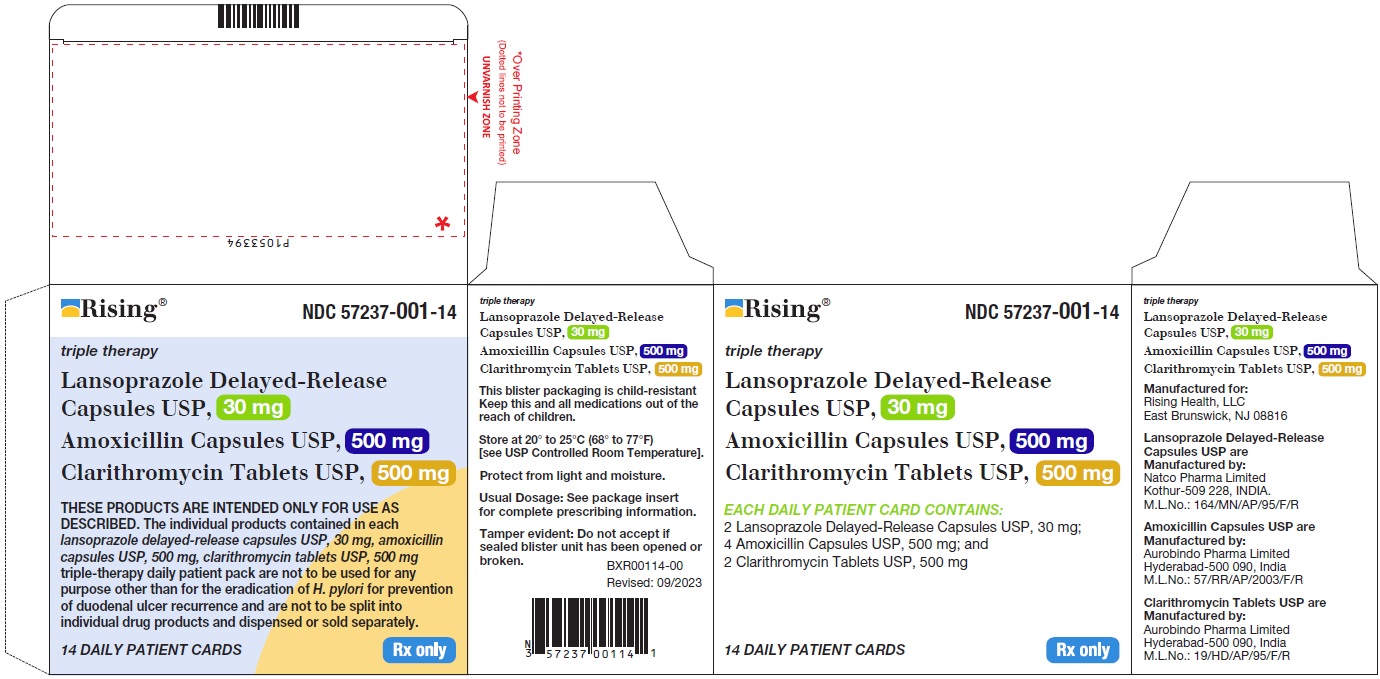
Brand names
Lansoprazole, Amoxicillin, Clarithromycin
Indications
INDICATIONS AND USAGE H. pylori Eradication to Reduce the Risk of Duodenal Ulcer Recurrence The components in lansoprazole delayed-release capsules, amoxicillin capsules, and clarithromycin tablets are indicated for the treatment of patients with H. pylori infection and duodenal ulcer disease (active or one-year history of a duodenal ulcer) to eradicate H. pylori . Eradication of H. pylori has been shown to reduce the risk of duodenal ulcer recurrence (see CLINICAL STUDIES and DOSAGE AND ADMINISTRATION ). To reduce the development of drug-resistant bacteria and maintain the effectiveness of lansoprazole delayed-release capsules, amoxicillin capsules, and clarithromycin tablets and other antibacterial drugs, lansoprazole delayed-release capsules, amoxicillin capsules, and clarithromycin tablets should be used only to treat or prevent infections that are proven or strongly suspected to be caused by susceptible bacteria. When culture and susceptibility information are available, they should be considered in selecting or modifying antibacterial therapy. In the absence of such data, local epidemiology and susceptibility patterns may contribute to the empiric selection of therapy.
Dosage
DOSAGE AND ADMINISTRATION H. pylori Eradication to Reduce the Risk of Duodenal Ulcer Recurrence The recommended adult oral dose is 30 mg lansoprazole delayed-release capsules, 1 g amoxicillin, and 500 mg clarithromycin administered together twice daily (morning and evening) for 10 or 14 days (see INDICATIONS AND USAGE ). Lansoprazole delayed-release capsules, 30 mg, amoxicillin capsules, 500 mg, and clarithromycin tablets, 500 mg are not recommended in patients with creatinine clearance less than 30 mL/min.
Warnings
WARNINGS Acute Hypersensitivity Reactions Serious and occasionally fatal hypersensitivity (anaphylactic) reactions have been reported in patients on penicillin therapy, including amoxicillin. Although anaphylaxis is more frequent following parenteral therapy, it has occurred in patients on oral penicillins. These reactions are more likely to occur in individuals with a history of penicillin hypersensitivity and/or a history of sensitivity to multiple allergens. There have been reports of individuals with a history of penicillin hypersensitivity who have experienced severe reactions when treated with cephalosporins. Before initiating therapy with lansoprazole delayed-release capsules, amoxicillin capsules, and clarithromycin tablets careful inquiry should be made regarding previous hypersensitivity reactions to penicillins, cephalosporins, or other allergens. In the event of severe acute hypersensitivity reactions, such as anaphylaxis, and Henoch-Schonlein purpura lansoprazole delayed-release capsules, amoxicillin capsules, and clarithromycin tablets should be discontinued immediately and appropriate treatment should be urgently initiated. Severe Cutaneous Adverse Reactions Severe cutaneous adverse reactions (SCAR), including Stevens-Johnson syndrome (SJS), toxic epidermal necrolysis (TEN), drug reaction with eosinophilia and systemic symptoms (DRESS), and acute generalized exanthematous pustulosis (AGEP) have been reported with the components of lansoprazole delayed-release capsules, amoxicillin capsules, and clarithromycin tablets: lansoprazole, clarithromycin, and amoxicillin (see ADVERSE REACTIONS ). Monitor closely and discontinue lansoprazole delayed-release capsules, amoxicillin capsules, and clarithromycin tablets at the first signs of SCAR. Drug-induced enterocolitis syndrome (DIES) Drug-induced enterocolitis syndrome (DIES) has been reported with amoxicillin use (see ADVERSE REACTIONS ), with most cases occurring in pediatric patients ≤18 years of age. DIES is a non-IgE mediated hypersensitivity reaction characterized by protracted vomiting occurring 1 to 4 hours after drug ingestion in the absence of skin or respiratory symptoms. DIES may be associated with pallor, lethargy, hypotension, shock, diarrhea within 24 hours after ingesting amoxicillin, and leukocytosis with neutrophilia. If DIES occurs, discontinue lansoprazole delayed-release capsules, amoxicillin capsules, and clarithromycin tablets and institute appropriate therapy. Use in Pregnancy CLARITHROMYCIN SHOULD NOT BE USED IN PREGNANT WOMEN EXCEPT IN CLINICAL CIRCUMSTANCES WHERE NO ALTERNATIVE THERAPY IS APPROPRIATE. IF PREGNANCY OCCURS WHILE TAKING CLARITHROMYCIN, THE PATIENT SHOULD BE INFORMED OF THE POTENTIAL HAZARD TO THE FETUS. CLARITHROMYCIN HAS DEMONSTRATED ADVERSE EFFECTS OF PREGNANCY OUTCOME AND/OR EMBRYO-FETAL DEVELOPMENT IN MONKEYS, RATS, MICE, AND RABBITS AT DOSES THAT PRODUCED PLASMA LEVELS TWO TO 17 TIMES THE SERUM LEVELS ACHIEVED IN HUMANS TREATED AT THE MAXIMUM RECOMMENDED HUMAN DOSES (see PRECAUTIONS , Pregnancy ). Hepatotoxicity Hepatic dysfunction, including increased liver enzymes, and hepatocellular and/or cholestatic hepatitis, with or without jaundice, has been reported with clarithromycin. This hepatic dysfunction may be severe and is usually reversible. In some instances, hepatic failure with fatal outcome has been reported and generally has been associated with serious underlying diseases and/or concomitant medications. Symptoms of hepatitis can include anorexia, jaundice, dark urine, pruritus, or tender abdomen. Discontinue clarithromycin immediately if signs and symptoms of hepatitis occur. QT Prolongation Clarithromycin has been associated with prolongation of the QT interval and infrequent cases of arrhythmia. Cases of torsades de pointes have been spontaneously reported during postmarketing surveillance in patients receiving clarithromycin. Fatalities have been reported. Clarithromycin should be avoided in patients with ongoing proarrhythmic conditions such as uncorrected hypokalemia or hypomagnesemia, clinically significant bradycardia (see CONTRAINDICATIONS ) and in patients receiving Class IA (quinidine, procainamide) or Class III (dofetilide, amiodarone, sotalol) antiarrhythmic agents. Elderly patients may be more susceptible to drug-associated effects on the QT interval. Presence of Gastric Malignancy In adults, symptomatic response to therapy with lansoprazole does not preclude the presence of gastric malignancy. Consider additional follow-up and diagnostic testing in adult patients who have a suboptimal response or an early symptomatic relapse after completing treatment with a PPI. In older patients, also consider an endoscopy. Acute Interstitial Nephritis Acute interstitial nephritis (AIN) has been observed in patients taking proton pump inhibitors (PPIs) including lansoprazole. Acute interstitial nephritis may occur at any point during PPI therapy and is generally attributed to an idiopathic hypersensitivity reaction. Discontinue lansoprazole if AIN develops (see CONTRAINDICATIONS ). Cutaneous and Systemic Lupus Erythematosus Cutaneous lupus erythematosus (CLE) and systemic lupus erythematosus (SLE) have been reported in patients taking PPIs, including lansoprazole. These events have occurred as both new onset and an exacerbation of existing autoimmune disease. The majority of PPI-induced lupus erythematosus cases were CLE. The most common form of CLE reported in patients treated with PPIs was subacute CLE (SCLE) and occurred within weeks to years after continuous drug therapy in patients ranging from infants to the elderly. Generally, histological findings were observed without organ involvement. Systemic lupus erythematosus (SLE) is less commonly reported than CLE in patients receiving PPIs. PPI associated SLE is usually milder than non-drug induced SLE. Onset of SLE typically occurred within days to years after initiating treatment primarily in patients ranging from young adults to the elderly. The majority of patients presented with rash; however, arthralgia and cytopenia were also reported. Avoid administration of PPIs for longer than medically indicated. If signs or symptoms consistent with CLE or SLE are noted in patients receiving Lansoprazole delayed-release capsules, amoxicillin capsules, and clarithromycin tablets, discontinue the drug and refer the patient to the appropriate specialist for evaluation. Most patients improve with discontinuation of the PPI alone in 4 to 12 weeks. Serological testing (e.g. ANA) may be positive and elevated serological test results may take longer to resolve than clinical manifestations Drug Interactions Serious adverse reactions have been reported in patients taking clarithromycin concomitantly with CYP3A4 substrates. These include colchicine toxicity with colchicine; rhabdomyolysis with simvastatin, lovastatin, and atorvastatin; hypoglycemia with disopyramide, toxicity with lurasidone, and hypotension and acute kidney injury with calcium channel blockers metabolized by CYP3A4 (e.g., verapamil, amlodipine, diltiazem, nifedipine). Most reports of acute kidney injury with calcium channel blockers metabolized by CYP3A4 involved elderly patients 65 years of age or older (see CONTRAINDICATIONS and PRECAUTIONS , Drug Interactions ). Clarithromycin should be used with caution when administered concurrently with medications that induce the cytochrome CYP3A4 enzyme (see PRECAUTIONS , Drug Interactions ). Colchicine Life-threatening and fatal drug interactions have been reported in patients treated with clarithromycin and colchicine. Clarithromycin is a strong CYP3A4 inhibitor and this interaction may occur while using both drugs at their recommended doses. If coadministration of clarithromycin and colchicine is necessary in patients with normal renal and hepatic function, the dose of colchicine should be reduced. Patients should be monitored for clinical symptoms of colchicine toxicity. Concomitant administr
Contraindications
CONTRAINDICATIONS Lansoprazole delayed-release capsules, amoxicillin capsules, and clarithromycin tablets are contraindicated in patients with known severe hypersensitivity to any component of the formulation of lansoprazole delayed-release capsules. Hypersensitivity reactions may include anaphylaxis, anaphylactic shock, angioedema, bronchospasm, acute interstitial nephritis, and urticaria (see ADVERSE REACTIONS ). Proton Pump Inhibitors (PPIs), including lansoprazole delayed-release capsules, are contraindicated with rilpivirine-containing products (see CLINICAL PHARMACOLOGY , Drug Interaction Studies ). A history of severe hypersensitivity reactions (e.g., anaphylaxis or Stevens-Johnson syndrome) to amoxicillin or other beta-lactam antibiotics (e.g., penicillins and cephalosporins) is a contraindication. Clarithromycin is contraindicated in patients with a known hypersensitivity to clarithromycin, erythromycin, or any of the macrolide antibiotics. Clarithromycin is contraindicated in patients with a history of cholestatic jaundice/hepatic dysfunction associated with prior use of clarithromycin. Clarithromycin is contraindicated with concomitant use of lurasidone due to the risk of an increase in lurasidone exposure and the potential for serious adverse reactions [(see PRECAUTIONS , Drug Interactions ) (7)]. Clarithromycin should not be given to patients with history of QT prolongation or ventricular cardiac arrhythmia, including torsades de pointes. Concomitant administration of clarithromycin, a component of lansoprazole delayed-release capsules, amoxicillin capsules, and clarithromycin tablets, and any of the following drugs is contraindicated: cisapride, pimozide, astemizole, terfenadine, ergotamine or dihydroergotamine (see PRECAUTIONS, Drug Interactions ). There have been post-marketing reports of drug interactions when clarithromycin and/or erythromycin are coadministered with cisapride, pimozide, astemizole, or terfenadine resulting in cardiac arrhythmias (QT prolongation, ventricular tachycardia, ventricular fibrillation, and torsades de pointes ) most likely due to inhibition of metabolism of these drugs by erythromycin and clarithromycin. Fatalities have been reported. Concomitant administration of clarithromycin and colchicine is contraindicated in patients with renal or hepatic impairment. Clarithromycin should not be used concomitantly with HMG-CoA reductase inhibitors (statins) that are extensively metabolized by CYP3A4 (lovastatin or simvastatin), due to the increase risk of myopathy, including rhabdomyolysis (see WARNINGS ).
Drug interactions
Drug Interactions No drug interaction studies have been conducted specifically with lansoprazole delayed-release capsules, amoxicillin capsules, and clarithromycin tablets. The following drug interactions are for the individual drug components: lansoprazole, amoxicillin, and clarithromycin. Therefore, the decision to adjust dosage should depend on the clinician’s assessment of among other things, the cumulative or net effect of the drug components of lansoprazole delayed-release capsules, amoxicillin capsules, and clarithromycin tablets. Lansoprazole Delayed-Release Capsules Tables 5 and 6 include drugs with clinically important drug interactions and interaction with diagnostics when administered concomitantly with lansoprazole delayed-release capsules and instructions for preventing or managing them. Consult the labeling of concomitantly used drugs to obtain further information about interactions with PPIs. Table 5. Clinically Relevant Interactions Affecting Drugs Coadministered with Lansoprazole Delayed-release Capsules and Interactions with Diagnostics Antiretrovirals Clinical Impact: The effect of PPIs on antiretroviral drugs is variable. The clinical importance and the mechanisms behind these interactions are not always known. Decreased exposure of some antiretroviral drugs (e.g., rilpivirine, atazanavir, and nelfinavir) when used concomitantly with lansoprazole may reduce antiviral effect and promote the development of drug resistance. Increased exposure of other antiretroviral drugs (e.g., saquinavir) when used concomitantly with lansoprazole may increase toxicity of the antiretroviral drugs. There are other antiretroviral drugs which do not result in clinically relevant interactions with lansoprazole. Intervention: Rilpivirine-containing products: Concomitant use with lansoprazole is contraindicated (see CONTRAINDICATIONS ). See prescribing information. Atazanavir : See prescribing information for atazanavir for dosing information. Nelfinavir : Avoid concomitant use with lansoprazole. See prescribing information for nelfinavir. Saquinavir : See the prescribing information for saquinavir and monitor for potential saquinavir toxicities. Other antiretrovirals : See prescribing information. Warfarin Clinical Impact: Increased INR and prothrombin time in patients receiving PPIs and warfarin concomitantly. Increases in INR and prothrombin time may lead to abnormal bleeding and even death. Intervention: Monitor INR and prothrombin time. Dose adjustment of warfarin may be needed to maintain target INR range. See prescribing information for warfarin. Methotrexate Clinical Impact: Concomitant use of PPIs with methotrexate (primarily at high dose) may elevate and prolong serum concentrations of methotrexate and/or its metabolite hydroxymethotrexate, possibly leading to methotrexate toxicities. No formal drug interaction studies of high-dose methotrexate with PPIs have been conducted (see WARNINGS ). Intervention: A temporary withdrawal of lansoprazole may be considered in some patients receiving high-dose methotrexate. Digoxin Clinical Impact: Potential for increased exposure of digoxin. Intervention: Monitor digoxin concentrations. Dose adjustment of digoxin may be needed to maintain therapeutic drug concentrations. See prescribing information for digoxin. Theophylline Clinical Impact: Increased clearance of theophylline (see CLINICAL PHARMACOLOGY ). Intervention: Individual patients may require additional titration of their theophylline dosage when lansoprazole is started or stopped to ensure clinically effective blood concentrations. Drugs Dependent on Gastric pH for Absorption (e.g., iron salts, erlotinib, dasatinib, nilotinib, mycophenolate mofetil, ketoconazole/itraconazole) Clinical Impact: Lansoprazole can reduce the absorption of other drugs due to its effect on reducing intragastric acidity. Intervention: Mycophenolate mofetil (MMF): Coadministration of PPIs in healthy subjects and in transplant patients receiving MMF has been reported to reduce the exposure to the active metabolite, mycophenolic acid (MPA), possibly due to a decrease in MMF solubility at an increased gastric pH. The clinical relevance of reduced MPA exposure on organ rejection has not been established in transplant patients receiving lansoprazole delayed-release capsules and MMF. Use lansoprazole delayed-release capsules with caution in transplant patients receiving MMF. See the prescribing information for other drugs dependent on gastric pH for absorption. Combination Therapy with Clarithromycin and Amoxicillin Clinical Impact: Concomitant administration of clarithromycin with other drugs can lead to serious adverse reactions, including potentially fatal arrhythmias, and are contraindicated. Amoxicillin also has drug interactions. Intervention: See CONTRAINDICATIONS , WARNINGS and PRECAUTIONS in prescribing information for clarithromycin. See Drug Interactions in prescribing information for amoxicillin. Tacrolimus Clinical Impact: Potentially increased exposure of tacrolimus, especially in transplant patients who are intermediate or poor metabolizers of CYP2C19. Intervention: Monitor tacrolimus whole blood trough concentrations. Dose adjustment of tacrolimus may be needed to maintain therapeutic drug concentrations. See prescribing information for tacrolimus. Interactions with Investigations of Neuroendocrine Tumors Clinical Impact: CgA levels increase secondary to PPI-induced decreases in gastric acidity. The increased CgA level may cause false positive results in diagnostic investigations for neuroendocrine tumors (see WARNINGS , CLINICAL PHARMACOLOGY ). Intervention: Temporarily stop lansoprazole treatment at least 14 days before assessing CgA levels and consider repeating the test if initial CgA levels are high. If serial tests are performed (e.g., for monitoring), the same commercial laboratory should be used for testing, as reference ranges between tests may vary. Interaction with Secretin Stimulation Test Clinical Impact: Hyper-response in gastrin secretion in response to secretin stimulation test, falsely suggesting gastrinoma. Intervention: Temporarily stop lansoprazole treatment at least 28 days before assessing to allow gastrin levels to return to baseline (see CLINICAL PHARMACOLOGY ). False Positive Urine Tests for THC Clinical Impact: There have been reports of false positive urine screening tests for tetrahydrocannabinol (THC) in patients receiving PPIs. Intervention: An alternative confirmatory method should be considered to verify positive results. Table 6. Clinically Relevant Interactions Affecting Lansoprazole Delayed-release Capsules When Coadministered with Other Drugs CYP2C19 OR CYP3A4 Inducers Clinical Impact: Decreased exposure of lansoprazole when used concomitantly with strong inducers (see CLINICAL PHARMACOLOGY ). Intervention: St John's Wort, rifampin : Avoid concomitant use with lansoprazole. Ritonavir-containing products : See prescribing information. CYP2C19 or CYP3A4 Inhibitors Clinical Impact: Increased exposure of lansoprazole is expected when used concomitantly with strong inhibitors (see CLINICAL PHARMACOLOGY ). Intervention: Voriconazole : See prescribing information. Sucralfate Clinical Impact: Decreased and delayed absorption of lansoprazole (see CLINICAL PHARMACOLOGY ). Intervention: Take lansoprazole delayed-release capsules at least 30 minutes prior to sucralfate (see CLINICAL PHARMACOLOGY ). Amoxicillin Probenecid Probenecid decreases the renal tubular secretion of amoxicillin. Concurrent use of amoxicillin and probenecid may result in increased and prolonged blood levels of amoxicillin. Antibiotics Chloramphenicol, macrolides, sulfonamides, and tetracyclines may interfere with bactericidal effects of penicillin. This has been demonstrated in vitro ; however, the clinical significance of this interaction is not well documented. Amoxicillin may affect the gut flora, leading to lower estrogen reabsorption and reduced efficacy of comb
Adverse reactions
ADVERSE REACTIONS LANSOPRAZOLE DELAYED-RELEASE CAPSULES, AMOXICILLIN CAPSULES, AND CLARITHROMYCIN TABLETS Because clinical trials are conducted under widely varying conditions, adverse reaction rates observed in the clinical trials of a drug cannot be directly compared to rates in the clinical trials of another drug and may not reflect the rates observed in clinical practice. The most common adverse reactions (≥3%) reported in clinical trials when all three components of this therapy were given concomitantly for 14 days are listed in Table 8. Table 8: Adverse Reactions Most Frequently Reported in Clinical Trials (≥3%) Adverse Reaction Triple Therapy n = 138 (%) Diarrhea 7.0 Headache 6.0 Taste Perversion 5.0 The additional adverse reactions which were reported as possibly or probably related to treatment (less than 3%) in clinical trials when all three components of this therapy were given concomitantly are listed below and divided by body system: Body as a Whole - abdominal pain Digestive System - dark stools, dry mouth/thirst, glossitis, rectal itching, nausea, oral moniliasis, stomatitis, tongue discoloration, tongue disorder, vomiting Musculoskeletal System - myalgia Nervous System - confusion, dizziness Respiratory System - respiratory disorders Skin and Appendages - skin reactions Urogenital System - vaginitis, vaginal moniliasis There were no statistically significant differences in the frequency of reported adverse events between the 10 and 14 day triple therapy regimens. Lansoprazole Delayed-Release Capsules The following adverse reactions from the labeling for lansoprazole delayed-release capsules are provided for information: Worldwide, over 10,000 patients have been treated with lansoprazole delayed-release capsules in Phase 2 or Phase 3 clinical trials involving various dosages and durations of treatment. In general, lansoprazole delayed-release capsules treatment has been well-tolerated in both short-term and long-term trials. Incidence in Clinical Trials The following adverse events were reported by the treating physician to have a possible or probable relationship to drug in 1% or more of lansoprazole delayed-release capsules-treated patients and occurred at a greater rate in lansoprazole delayed-release capsules-treated patients than placebo-treated patients: Table 9: Incidence of Possibly or Probably Treatment-Related Adverse Reactions in Short-Term, Placebo-Controlled Lansoprazole Delayed-Release Capsules Studies Body System/Adverse Event Lansoprazole Delayed-Release Capsules (N=2768) % Placebo (N=1023) % Body as a Whole Abdominal Pain 2.1 1.2 Digestive System Constipation 1.0 0.4 Diarrhea 3.8 2.3 Nausea 1.3 1.2 Headache was also seen at greater than 1% incidence but was more common on placebo. The incidence of diarrhea was similar between patients who received placebo and patients who received 30 mg of lansoprazole delayed-release capsules, but higher in the patients who received 60 mg of lansoprazole delayed-release capsules (2.9%, 4.2%, and 7.4%, respectively). The most commonly reported possibly or probably treatment-related adverse event during maintenance therapy was diarrhea. Additional adverse experiences occurring in less than 1% of patients or subjects who received lansoprazole delayed-release capsules in domestic trials are shown below: Body as a Whole – abdomen enlarged, allergic reaction, asthenia, back pain, candidiasis, carcinoma, chest pain (not otherwise specified), chills, edema, fever, flu syndrome, halitosis, infection (not otherwise specified), malaise, neck pain, neck rigidity, pain, pelvic pain Cardiovascular System – angina, arrhythmia, bradycardia, cerebrovascular accident/cerebral infarction, hypertension/hypotension, migraine, myocardial infarction, palpitations, shock (circulatory failure), syncope, tachycardia, vasodilation Digestive System – abnormal stools, anorexia, bezoar, cardiospasm, cholelithiasis, colitis, dry mouth, dyspepsia, dysphagia, enteritis, eructation, esophageal stenosis, esophageal ulcer, esophagitis, fecal discoloration, flatulence, gastric nodules/fundic gland polyps, gastritis, gastroenteritis, gastrointestinal anomaly, gastrointestinal disorder, gastrointestinal hemorrhage, glossitis, gum hemorrhage, hematemesis, increased appetite, increased salivation, melena, mouth ulceration, nausea and vomiting, nausea and vomiting and diarrhea, gastrointestinal moniliasis, rectal disorder, rectal hemorrhage, stomatitis, tenesmus, thirst, tongue disorder, ulcerative colitis, ulcerative stomatitis Endocrine System – diabetes mellitus, goiter, hypothyroidism Hemic and Lymphatic System – anemia, hemolysis, lymphadenopathy Metabolism and Nutritional Disorders – avitaminosis, gout, dehydration, hyperglycemia/hypoglycemia, peripheral edema, weight gain/loss Musculoskeletal System – arthralgia, arthritis, bone disorder, joint disorder, leg cramps, musculoskeletal pain, myalgia, myasthenia, ptosis, synovitis Nervous System – abnormal dreams, agitation, amnesia, anxiety, apathy, confusion, convulsion, dementia, depersonalization, depression, diplopia, dizziness, emotional lability, hallucinations, hemiplegia, hostility aggravated, hyperkinesia, hypertonia, hypesthesia, insomnia, libido decreased/increased, nervousness, neurosis, paresthesia, sleep disorder, somnolence, thinking abnormality, tremor, vertigo Respiratory System – asthma, bronchitis, cough increased, dyspnea, epistaxis, hemoptysis, hiccup, laryngeal neoplasia, lung fibrosis, pharyngitis, pleural disorder, pneumonia, respiratory disorder, upper respiratory inflammation/infection, rhinitis, sinusitis, stridor Skin and Appendages – acne, alopecia, contact dermatitis, dry skin, fixed eruption, hair disorder, maculopapular rash, nail disorder, pruritus, rash, skin carcinoma, skin disorder, sweating, urticaria Special Senses – abnormal vision, amblyopia, blepharitis, blurred vision, cataract, conjunctivitis, deafness, dry eyes, ear/eye disorder, eye pain, glaucoma, otitis media, parosmia, photophobia, retinal degeneration/disorder, taste loss, taste perversion, tinnitus, visual field defect Urogenital System – abnormal menses, breast enlargement, breast pain, breast tenderness, dysmenorrhea, dysuria, gynecomastia, impotence, kidney calculus, kidney pain, leukorrhea, menorrhagia, menstrual disorder, penis disorder, polyuria, testis disorder, urethral pain, urinary frequency, urinary retention, urinary tract infection, urinary urgency, urination impaired, vaginitis Postmarketing Additional adverse experiences have been reported since lansoprazole delayed-release capsules has been marketed. The majority of these cases are foreign-sourced and a relationship to lansoprazole delayed-release capsules has not been established. Because these events were reported voluntarily from a population of unknown size, estimates of frequency cannot be made. These events are listed below by COSTART body system: Body as a Whole – anaphylactic/anaphylactoid reactions, systemic lupus erythematosus Digestive System – hepatotoxicity, pancreatitis, vomiting Hemic and Lymphatic System – agranulocytosis, aplastic anemia, hemolytic anemia, leukopenia, neutropenia, pancytopenia, thrombocytopenia, and thrombotic thrombocytopenic purpura Infections and infestations – Clostridium difficile – associated diarrhea Metabolism and Nutritional Disorders – hypomagnesemia, hyponatremia. Musculoskeletal System – bone fracture, myositis Skin and Appendages – severe dermatologic reactions including erythema multiforme, SJS, TEN (some fatal), DRESS, AGEP cutaneous lupus erythematosus Special Senses – speech disorder Urogenital System – interstitial nephritis, urinary retention, erectile dysfunction Amoxicillin The following adverse reactions from the labeling for amoxicillin are provided for information: The most common adverse reactions (>1%) observed in clinical trials of amoxicillin capsules were diarrhea, rash, vomiting and nausea. The most frequently reported adverse events for patie
Mechanism of action
CLINICAL PHARMACOLOGY Pharmacokinetics Pharmacokinetics when all three components of the lansoprazole delayed-release capsules, amoxicillin capsules, and clarithromycin tablets were coadministered has not been studied. Studies have shown no clinically significant interactions of lansoprazole delayed-release capsules and amoxicillin or lansoprazole delayed-release capsules and clarithromycin when administered together. There is no information about the gastric mucosal concentrations of lansoprazole delayed-release capsules, amoxicillin and clarithromycin after administration of these agents concomitantly. The systemic pharmacokinetic information presented below is based on studies in which each product was administered alone. Lansoprazole Delayed-Release Capsules Absorption Lansoprazole delayed-release capsules contain an enteric-coated granule formulation of lansoprazole (because lansoprazole is acid-labile), so that absorption of lansoprazole begins only after the granules leave the stomach. The mean peak plasma levels of lansoprazole occur at approximately 1.7 hours. After a single-dose administration of 15 to 60 mg of oral lansoprazole, the peak plasma concentrations (C max ) of lansoprazole and the area under the plasma concentration curves (AUCs) of lansoprazole were approximately proportional to the administered dose. Lansoprazole does not accumulate and its pharmacokinetics are unaltered by multiple dosing. The absolute bioavailability is over 80%. In healthy subjects, the mean (±SD) plasma half-life was 1.5 (±1.0) hours. Both the C max and AUC are diminished by about 50 to 70% if lansoprazole is given 30 minutes after food, compared to the fasting condition. There is no significant food effect if lansoprazole is given before meals. Distribution Lansoprazole is 97% bound to plasma proteins. Plasma protein binding is constant over the concentration range of 0.05 to 5 mcg/mL. Elimination Metabolism Lansoprazole is extensively metabolized in the liver. Two metabolites have been identified in measurable quantities in plasma (the hydroxylated sulfinyl and sulfone derivatives of lansoprazole). These metabolites have very little or no antisecretory activity. Lansoprazole is thought to be transformed into two active species which inhibit acid secretion by blocking the proton pump [(H + ,K + )-ATPase enzyme system] at the secretory surface of the gastric parietal cell. The two active species are not present in the systemic circulation. The plasma elimination half-life of lansoprazole is less than two hours while the acid inhibitory effect lasts more than 24 hours. Therefore, the plasma elimination half-life of lansoprazole does not reflect its duration of suppression of gastric acid secretion. Excretion Following single-dose oral administration of lansoprazole delayed-release capsules, virtually no unchanged lansoprazole was excreted in the urine. In one study, after a single oral dose of 14 C-lansoprazole, approximately one-third of the administered radiation was excreted in the urine and two-thirds was recovered in the feces. This implies a significant biliary excretion of the lansoprazole metabolites. Amoxicillin Absorption Amoxicillin is stable in the presence of gastric acid and may be given without regard to meals. It is rapidly absorbed after oral administration. Orally administered doses of 500 mg amoxicillin capsules result in average peak blood levels one to two hours after administration in the range of 5.5 mcg/mL to 7.5 mcg/mL. Distribution Amoxicillin diffuses readily into most body tissues and fluids, with the exception of brain and spinal fluid, except when meninges are inflamed. In blood serum, amoxicillin is approximately 20% protein-bound. Metabolism/Elimination The elimination half-life of amoxicillin is 61.3 minutes. Detectable serum levels are observed up to eight hours after an orally administered dose of amoxicillin. Approximately 60% of the orally administered dose of amoxicillin is excreted unchanged in the urine within six to eight hours post-dose; its excretion can be delayed by concurrent administration of probenecid. Clarithromycin Absorption Clarithromycin is rapidly absorbed from the gastrointestinal tract after oral administration. The absolute bioavailability of 250 mg clarithromycin tablets was approximately 50%. For a single 500 mg dose of clarithromycin, food slightly delays the onset of clarithromycin absorption, increasing the peak time from approximately two to 2.5 hours. Food also increases the clarithromycin peak plasma concentration by about 24%, but does not affect the extent of clarithromycin bioavailability. Food does not affect the onset of formation of the antimicrobially active metabolite, 14-OH clarithromycin or its peak plasma concentration but does slightly decrease the extent of metabolite formation, indicated by an 11% decrease in area under the plasma concentration-time curve (AUC). Therefore, clarithromycin tablets may be given without regard to food. In nonfasting, healthy human subjects (males and females), peak plasma concentrations were attained within two to three hours after oral dosing. Steady-state peak plasma clarithromycin concentrations were attained within three days and were approximately 3 to 4 mcg/mL with a 500 mg dose administered every eight to 12 hours. Metabolism/Elimination The elimination half-life of clarithromycin was five to seven hours with 500 mg administered every eight to 12 hours. The nonlinearity of clarithromycin pharmacokinetics is slight at the recommended dose of 500 mg administered every eight to 12 hours. With a 500 mg every eight to 12 hours dosing, the peak steady-state concentration of 14-OH clarithromycin is up to 1 mcg/mL, and its elimination half-life is about seven to nine hours. The steady-state concentration of this metabolite is generally attained within three to four days. After a 500 mg tablet every 12 hours, the urinary excretion of clarithromycin is approximately 30%. The renal clearance of clarithromycin approximates the normal glomerular filtration rate. The major metabolite found in urine is 14-OH clarithromycin, which accounts for an additional 10% to 15% of the dose with a 500 mg tablet administered every 12 hours. Steady-state concentrations of clarithromycin and 14-OH clarithromycin observed following administration of 500 mg doses of clarithromycin every 12 hours to adult patients with HIV infection were similar to those observed in healthy volunteers. In adult HIV-infected patients taking 500 mg doses of clarithromycin every 12 hours, steady-state clarithromycin C max values ranged from 2 to 4 mcg/mL. The steady-state concentrations of clarithromycin in subjects with impaired hepatic function did not differ from those in normal subjects; however, the 14-OH clarithromycin concentrations were lower in the hepatically impaired subjects. The decreased formation of 14-OH clarithromycin was at least partially offset by an increase in renal clearance of clarithromycin in the subjects with impaired hepatic function when compared to healthy subjects. The pharmacokinetics of clarithromycin was also altered in subjects with impaired renal function (see PRECAUTIONS and DOSAGE AND ADMINISTRATION ). Clarithromycin and the 14-OH clarithromycin metabolite distribute readily into body tissues and fluids. There are no data available on cerebrospinal fluid penetration. Because of high intercellular concentrations, tissue concentrations are higher than serum concentrations. Special Populations Geriatric Patients The clearance of lansoprazole is decreased in the elderly; with elimination half-life increased approximately 50% to 100%. Because the mean half-life in the elderly remains between 1.9 to 2.9 hours, repeated once daily dosing does not result in accumulation of lansoprazole. Peak plasma levels were not increased in the elderly. Male and Female Patients In a study comparing 12 male and six female human subjects who received lansoprazole, no sex-related
NDC examples
57237-001
Treats these conditions
Source: openFDA + RxNorm · 2026
Look up another medication