Levocetirizine
Managing this medication for someone you care for? Eleplan keeps diagnoses, medications and appointments in one plan.
Start free with EleplanMedication reference
Levocetirizine
ORAL
Levocetirizine. INDICATIONS AND USAGE Levocetirizine dihydrochloride tablets are a histamine H 1 -receptor antagonist indicated for: • The relief of symptoms…
Brand names
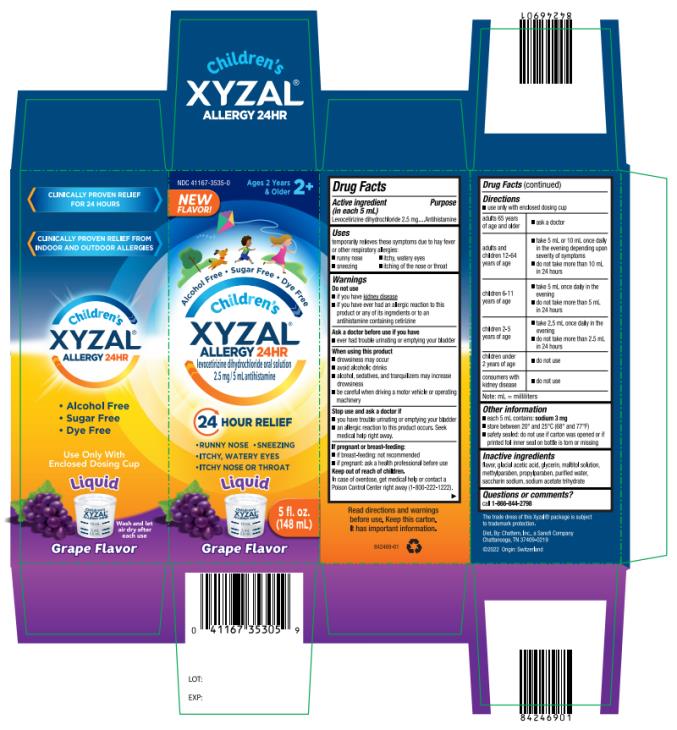
levocetirizine dihydrochlorideXyzalLEVOCETIRIZINE DIHYDROCHLORIDELevocetirizine Dihydrochloride
Active ingredients
LEVOCETIRIZINE DIHYDROCHLORIDE
Indications
INDICATIONS AND USAGE Levocetirizine dihydrochloride tablets are a histamine H 1 -receptor antagonist indicated for: • The relief of symptoms associated with perennial allergic rhinitis ( 1.1 ) • The treatment of the uncomplicated skin manifestations of chronic idiopathic urticaria ( 1.2 ) 1.1 Perennial Allergic Rhinitis Levocetirizine dihydrochloride tablets are indicated for the relief of symptoms associated with perennial allergic rhinitis in children 6 months to 2 years of age. 1.2 Chronic Idiopathic Urticaria Levocetirizine dihydrochloride tablets are indicated for the treatment of the uncomplicated skin manifestations of chronic idiopathic urticaria in adults and children 6 months of age and older.
Dosage
DOSAGE AND ADMINISTRATION Levocetirizine dihydrochloride is available as 2.5 mg/5 mL (0.5 mg/mL) oral solution. Levocetirizine dihydrochloride can be taken without regard to food consumption. Perennial Allergic Rhinitis ( 2.1 ) • Children 6 months to 2 years of age: 1.25 mg (1/2 teaspoon oral solution) (2.5mL) once daily in the evening Chronic Idiopathic Urticaria ( 2.2 ) • Adults and children 12 years of age and older: 5 mg once daily in the evening • Children 6 to 11 years of age: 2.5 mg once daily in the evening • Children 6 months to 5 years of age: 1.25 mg (1/2 teaspoon oral solution) (2.5 mL) once daily in the evening • Renal Impairment Adjust the dose in patients 12 years of age and older with decreased renal function ( 12.3 ) 2.1 Perennial Allergic Rhinitis Children 6 months to 2 Years of Age The recommended initial dose of levocetirizine dihydrochloride is 1.25 mg (1/2 teaspoon oral solution) (2.5mL) once daily in the evening. The 1.25 mg once daily dose should not be exceeded based on comparable exposure to adults receiving 5 mg [see Clinical Pharmacology ( 12.3 )] . 2.2 Chronic Idiopathic Urticaria Adults and Children 12 Years of Age and Older The recommended dose of levocetirizine dihydrochloride is 5 mg (2 teaspoons [10 mL] oral solution) once daily in the evening. Some patients may be adequately controlled by 2.5 mg (1 teaspoon [5 mL] oral solution) once daily in the evening. Children 6 to 11 Years of Age The recommended dose of levocetirizine dihydrochloride is 2.5 mg (1 teaspoon [5 mL] oral solution) once daily in the evening. The 2.5 mg dose should not be exceeded because the systemic exposure with 5 mg is approximately twice that of adults [see Clinical Pharmacology ( 12.3 )] . Children 6 months to 5 Years of Age The recommended initial dose of levocetirizine dihydrochloride is 1.25 mg (1/2 teaspoon oral solution) (2.5 mL) once daily in the evening. The 1.25 mg once daily dose should not be exceeded based on comparable exposure to adults receiving 5 mg [see Clinical Pharmacology ( 12.3 )] . Dose Adjustment for Renal and Hepatic Impairment In adults and children 12 years of age and older with: • Mild renal impairment (creatinine clearance [CL CR ] = 50-80 mL/min): a dose of 2.5 mg once daily is recommended; • Moderate renal impairment (CL CR = 30-50 mL/min): a dose of 2.5 mg once every other day is recommended; • Severe renal impairment (CL CR = 10-30 mL/min): a dose of 2.5 mg twice weekly (administered once every 3-4 days) is recommended; • End-stage renal disease patients (CL CR < 10 mL/min) and patients undergoing hemodialysis should not receive levocetirizine dihydrochloride. No dose adjustment is needed in patients with solely hepatic impairment. In patients with both hepatic impairment and renal impairment, adjustment of the dose is recommended.
Warnings
WARNINGS AND PRECAUTIONS Somnolence: Somnolence, fatigue, and asthenia have been reported with use of levocetirizine dihydrochloride tablets in some patients in clinical trials. Avoid engaging in hazardous occupations requiring complete mental alertness such as driving or operating machinery when taking levocetirizine dihydrochloride tablets. Avoid concurrent use of alcohol or other central nervous system depressants with levocetirizine dihydrochloride tablets. ( 5.1 ) Urinary Retention: Urinary retention has been reported with use of levocetirizine dihydrochloride tablets. Use with caution in patients with predisposing factors of urinary retention (e.g. spinal cord lesion, prostatic hyperplasia). Discontinue levocetirizine dihydrochloride tablets if urinary retention occurs. ( 5.2 ) Risk of New Onset Pruritus After Discontinuation of Levocetirizine dihydrochloride tablets: New onset pruritus within a few days after discontinuation of Levocetirizine dihydrochloride tablets has been reported, usually after long-term use (e.g., few months to years) of Levocetirizine dihydrochloride tablets. Symptoms may improve with restarting or tapering Levocetirizine dihydrochloride tablets ( 5.3 ). 5.1 Somnolence In clinical trials the occurrence of somnolence, fatigue, and asthenia has been reported in some patients under therapy with levocetirizine dihydrochloride. Patients should be cautioned against engaging in hazardous occupations requiring complete mental alertness, and motor coordination such as operating machinery or driving a motor vehicle after ingestion of levocetirizine dihydrochloride. Concurrent use of levocetirizine dihydrochloride with alcohol or other central nervous system depressants should be avoided because additional reductions in alertness and additional impairment of central nervous system performance may occur. 5.2 Urinary Retention Urinary retention has been reported post marketing with levocetirizine dihydrochloride. Levocetirizine dihydrochloride should be used with caution in patients with predisposing factors of urinary retention (e.g. spinal cord lesion, prostatic hyperplasia) as levocetirizine dihydrochloride may increase the risk of urinary retention. Discontinue levocetirizine dihydrochloride if urinary retention occurs. 5.3 Risk of New Onset Pruritus After Discontinuation of Levocetirizine Dihydrochloride Tablets Cases of pruritus after discontinuation of levocetirizine dihydrochloride tablets have been reported in the postmarketing setting in patients where pruritus was not present before initiation of levocetirizine dihydrochloride tablets. Pruritus occurred within a few days of discontinuing levocetirizine dihydrochloride tablets among patients who used levocetirizine dihydrochloride tablets long-term (e.g., few months to years). Reported cases of pruritus were infrequent, but some were serious with patients experiencing widespread severe pruritus [see Adverse Reactions (6.2) ] . If pruritus occurs after discontinuation of levocetirizine dihydrochloride tablets, symptoms may improve with restarting or tapering levocetirizine dihydrochloride tablets.
Contraindications
CONTRAINDICATIONS The use of levocetirizine dihydrochloride tablets are contraindicated in: • Patients with a known hypersensitivity to levocetirizine or any of the ingredients of levocetirizine dihydrochloride tablets or to cetirizine ( 4.1 ) • Patients with end-stage renal disease at less than 10 mL/min creatinine clearance or patients undergoing hemodialysis ( 4.2 ) • Children 6 months to 11 years of age with renal impairment ( 4.3 ) 4.1 Patients with Known Hypersensitivity Patients with known hypersensitivity to levocetirizine or any of the ingredients of levocetirizine dihydrochloride tablets, or to cetirizine. Observed reactions range from urticaria to anaphylaxis [ see Adverse Reactions ( 6.2 ) ]. 4.2 Patients with End-Stage Renal Disease Patients with end-stage renal disease (CL CR <10 mL/min) and patients undergoing hemodialysis. 4.3 Pediatric Patients with Impaired Renal Function Children 6 months to 11 years of age with impaired renal function
Drug interactions
DRUG INTERACTIONS In vitro data indicate that levocetirizine is unlikely to produce pharmacokinetic interactions through inhibition or induction of liver drug-metabolizing enzymes. No in vivo drug-drug interaction studies have been performed with levocetirizine. Drug interaction studies have been performed with racemic cetirizine. 7.1 Antipyrine, Azithromycin, Cimetidine, Erythromycin, Ketoconazole, Theophylline, and Pseudoephedrine Pharmacokinetic interaction studies performed with racemic cetirizine demonstrated that cetirizine did not interact with antipyrine, pseudoephedrine, erythromycin, azithromycin, ketoconazole, and cimetidine. There was a small decrease (~ 16%) in the clearance of cetirizine caused by a 400 mg dose of theophylline. It is possible that higher theophylline doses could have a greater effect. 7.2 Ritonavir Ritonavir increased the plasma AUC of cetirizine by about 42% accompanied by an increase in half-life (53%) and a decrease in clearance (29%) of cetirizine. The disposition of ritonavir was not altered by concomitant cetirizine administration.
Adverse reactions
ADVERSE REACTIONS The following clinically significant adverse reactions are described elsewhere in the labeling: Somnolence [see Warnings and Precautions (5.1) ] Urinary Retention [see Warnings and Precautions (5.2) ] Risk of New Onset Pruritus After Discontinuation of Levocetirizine dihydrochloride tablets [see Warnings and Precautions (5.3) ] The most common adverse reactions (rate ≥2% and > placebo) were somnolence, nasopharyngitis, fatigue, dry mouth, and pharyngitis in subjects 12 years of age and older, and pyrexia, somnolence, cough, and epistaxis in children 6 to 12 years of age. In subjects 1 to 5 years of age, the most common adverse reactions (rate ≥2% and > placebo) were pyrexia, diarrhea, vomiting, and otitis media. In subjects 6 to 11 months of age, the most common adverse reactions (rate ≥3% and > placebo) were diarrhea and constipation. ( 6.1 ). To report SUSPECTED ADVERSE REACTIONS, contact ScieGen Pharmaceuticals, Inc. at 1-855-724-3436 or FDA at 1-800-FDA-1088 or www.fda.gov/medwatch. 6.1 Clinical Trials Experience Because clinical trials are conducted under widely varying conditions, adverse reaction rates observed in the clinical trials of a drug cannot be directly compared to rates in the clinical trials of another drug and may not reflect the rates observed in practice. The safety data described below reflect exposure to levocetirizine dihydrochloride in 2,708 patients with allergic rhinitis or chronic idiopathic urticaria in 14 controlled clinical trials of 1 week to 6 months duration. The short-term (exposure up to 6 weeks) safety data for adults and adolescents are based upon eight clinical trials in which 1,896 patients (825 males and 1,071 females aged 12 years and older) were treated with levocetirizine dihydrochloride 2.5 mg, 5 mg, or 10 mg once daily in the evening. The short-term safety data from pediatric patients are based upon two clinical trials in which 243 children with allergic rhinitis (162 males and 81 females 6 to 12 years of age) were treated with levocetirizine dihydrochloride 5 mg once daily for 4 to 6 weeks, one clinical trial in which 114 children (65 males and 49 females 1 to 5 years of age) with allergic rhinitis or chronic idiopathic urticaria were treated with levocetirizine dihydrochloride 1.25 mg twice daily for 2 weeks, and one clinical trial in which 45 children (28 males and 17 females 6 to 11 months of age) with symptoms of allergic rhinitis or chronic urticaria were treated with levocetirizine dihydrochloride 1.25 mg once daily for 2 weeks. The long-term (exposure of 4 or 6 months) safety data in adults and adolescents are based upon two clinical trials in which 428 patients (190 males and 238 females) with allergic rhinitis were exposed to treatment with levocetirizine dihydrochloride 5 mg once daily. Long term safety data are also available from an 18-month trial in 255 levocetirizine dihydrochloride -treated subjects 12 to 24 months of age. Because clinical trials are conducted under widely varying conditions, adverse reaction rates observed in the clinical trials of a drug cannot be directly compared to rates in the clinical trial of another drug and may not reflect the rates observed in practice. Adults and Adolescents 12 years of Age and Older In studies up to 6 weeks in duration, the mean age of the adult and adolescent patients was 32 years, 44% of the patients were men and 56% were women, and the large majority (more than 90%) was Caucasian. In these trials 43% and 42% of the subjects in the levocetirizine dihydrochloride 2.5 mg and 5 mg groups, respectively, had at least one adverse event compared to 43% in the placebo group. In placebo-controlled trials of 1 to 6 weeks in duration, the most common adverse reactions were somnolence, nasopharyngitis, fatigue, dry mouth, and pharyngitis, and most were mild to moderate in intensity. Somnolence with levocetirizine dihydrochloride showed dose ordering between tested doses of 2.5 mg, 5 mg and 10 mg and was the most common adverse reaction leading to discontinuation (0.5%). Table 1 lists adverse reactions that were reported in greater than or equal to 2% of subjects aged 12 years and older exposed to levocetirizine dihydrochloride 2.5 mg or 5 mg in eight placebo-controlled clinical trials and that were more common with levocetirizine dihydrochloride than placebo. Table 1: Adverse Reactions Reported in ≥2%* of Subjects Aged 12 Years and Older Exposed to Levocetirizine Dihydrochloride 2.5 mg or 5 mg Once Daily in Placebo-Controlled Clinical Trials 1 to 6 Weeks in Duration Adverse Reactions Levocetirizine dihydrochloride 2.5 mg (n = 421) Levocetirizine dihydrochloride 5 mg (n = 1,070) Placebo (n = 912) * Rounded to the closest unit percentage Somnolence 22 (5%) 61 (6%) 16 (2%) Nasopharyngitis 25 (6%) 40 (4%) 28 (3%) Fatigue 5 (1%) 46 (4%) 20 (2%) Dry Mouth 12 (3%) 26 (2%) 11 (1%) Pharyngitis 10 (2%) 12 (1%) 9 (1%) Additional adverse reactions of medical significance observed at a higher incidence than in placebo in adults and adolescents aged 12 years and older exposed to levocetirizine dihydrochloride are syncope (0.2%) and weight increased (0.5%). Pediatric Patients 6 to 12 Years of Age A total of 243 pediatric patients 6 to 12 years of age received levocetirizine dihydrochloride 5 mg once daily in two short-term placebo controlled double-blind trials. The mean age of the patients was 9.8 years, 79 (32%) were 6 to 8 years of age, and 50% were Caucasian. Table 2 lists adverse reactions that were reported in greater than or equal to 2% of subjects aged 6 to 12 years exposed to levocetirizine dihydrochloride 5 mg in placebo-controlled clinical trials and that were more common with levocetirizine dihydrochloride than placebo. Table 2: Adverse Reactions Reported in ≥2%* of Subjects Aged 6 to 12 Years Exposed to Levocetirizine Dihydrochloride 5 mg Once Daily in Placebo-Controlled Clinical Trials 4 and 6 Weeks in Duration Adverse Reactions Levocetirizine dihydrochloride 5 mg (n = 243) Placebo (n = 240) * Rounded to the closest unit percentage Pyrexia 10 (4%) 5 (2%) Cough 8 (3%) 2 (<1%) Somnolence 7 (3%) 1 (<1%) Epistaxis 6 (2%) 1 (<1%) Pediatric Patients 1 to 5 Years of Age A total of 114 pediatric patients 1 to 5 years of age received levocetirizine dihydrochloride 1.25 mg twice daily in a two week placebo-controlled double-blind safety trial. The mean age of the patients was 3.8 years, 32% were 1 to 2 years of age, 71% were Caucasian and 18% were Black. Table 3 lists adverse reactions that were reported in greater than or equal to 2% of subjects aged 1 to 5 years exposed to levocetirizine dihydrochloride 1.25 mg twice daily in the placebo-controlled safety trial and that were more common with levocetirizine dihydrochloride than placebo. Table 3: Adverse Reactions Reported in ≥2%* of Subjects Aged 1 to 5 Years Exposed to levocetirizine dihydrochloride 1.25 mg Twice Daily in a 2-Week Placebo-Controlled Clinical Trial Adverse Reactions Levocetirizine dihydrochloride 1.25 mg Twice Daily (n = 114) Placebo (n = 59) * Rounded to the closest unit percentage Pyrexia 5 (4%) 1 (2%) Diarrhea 4 (4%) 2 (3%) Vomiting 4 (4%) 2 (3%) Otitis Media 3 (3%) 0 (0%) Pediatric Patients 6 to 11 Months of Age A total of 45 pediatric patients 6 to 11 months of age received levocetirizine dihydrochloride 1.25 mg once daily in a two week placebo-controlled double-blind safety trial. The mean age of the patients was 9 months, 51% were Caucasian and 31% were Black. Adverse reactions that were reported in more than 1 subject (i.e. greater than or equal to 3% of subjects) aged 6 to 11 months exposed to levocetirizine dihydrochloride 1.25 mg once daily in the placebo-controlled safety trial and that were more common with levocetirizine dihydrochloride than placebo included diarrhea and constipation which were reported in 6 (13%) and 1 (4%) and 3 (7%) and 1 (4%) children in the levocetirizine dihydrochloride and placebo-treated groups, respectively. Long-Term Clinical Trials Exp
Mechanism of action
CLINICAL PHARMACOLOGY 12.1 Mechanism of Action Levocetirizine, the active enantiomer of cetirizine, is an antihistamine; its principal effects are mediated via selective inhibition of H 1 receptors. The antihistaminic activity of levocetirizine has been documented in a variety of animal and human models. In vitro binding studies revealed that levocetirizine has an affinity for the human H 1 -receptor 2-fold higher than that of cetirizine (Ki = 3 nmol/L vs. 6 nmol/L, respectively). The clinical relevance of this finding is unknown. 12.2 Pharmacodynamics Studies in adult healthy subjects showed that levocetirizine at doses of 2.5 mg and 5 mg inhibited the skin wheal and flare caused by the intradermal injection of histamine. In contrast, dextrocetirizine exhibited no clear change in the inhibition of the wheal and flare reaction. Levocetirizine at a dose of 5 mg inhibited the wheal and flare caused by intradermal injection of histamine in 14 pediatric subjects (aged 6 to 11 years) and the activity persisted for at least 24 hours. The clinical relevance of histamine wheal skin testing is unknown. A QT/QTc study using a single dose of 30 mg of levocetirizine did not demonstrate an effect on the QTc interval. While a single dose of levocetirizine had no effect, the effects of levocetirizine may not be at steady state following single dose. The effect of levocetirizine on the QTc interval following multiple dose administration is unknown. Levocetirizine is not expected to have QT/QTc effects because of the results of QTc studies with cetirizine and the long post-marketing history of cetirizine without reports of QT prolongation. 12.3 Pharmacokinetics Levocetirizine exhibited linear pharmacokinetics over the therapeutic dose range in adult healthy subjects. Absorption Levocetirizine is rapidly and extensively absorbed following oral administration. In adults, peak plasma concentrations are achieved 0.9 hour after administration of the oral tablet. The accumulation ratio following daily oral administration is 1.12 with steady state achieved after 2 days. Peak concentrations are typically 270 ng/mL and 308 ng/mL following a single and a repeated 5 mg once daily dose, respectively. Food had no effect on the extent of exposure (AUC) of the levocetirizine tablet, but T max was delayed by about 1.25 hours and C max was decreased by about 36% after administration with a high fat meal; therefore, levocetirizine can be administered with or without food. A dose of 5 mg (10 mL) of levocetirizine dihydrochloride oral solution is bioequivalent to a 5 mg dose of levocetirizine dihydrochloride tablets. Following oral administration of a 5 mg dose of levocetirizine dihydrochloride oral solution to healthy adult subjects, the mean peak plasma concentrations were achieved approximately 0.5 hour post dose. Distribution The mean plasma protein binding of levocetirizine in vitro ranged from 91 to 92%, independent of concentration in the range of 90 to 5000 ng/mL, which includes the therapeutic plasma levels observed. Following oral dosing, the average apparent volume of distribution is approximately 0.4 L/kg, representative of distribution in total body water. Metabolism The extent of metabolism of levocetirizine in humans is less than 14% of the dose and therefore differences resulting from genetic polymorphism or concomitant intake of hepatic drug metabolizing enzyme inhibitors are expected to be negligible. Metabolic pathways include aromatic oxidation, N- and O-dealkylation, and taurine conjugation. Dealkylation pathways are primarily mediated by CYP3A4 while aromatic oxidation involves multiple and/or unidentified CYP isoforms. Elimination The plasma half-life in adult healthy subjects was about 8 to 9 hours after administration of oral tablets and oral solution, and the mean oral total body clearance for levocetirizine was approximately 0.63 mL/kg/min. The major route of excretion of levocetirizine and its metabolites is via urine, accounting for a mean of 85.4% of the dose. Excretion via feces accounts for only 12.9% of the dose. Levocetirizine is excreted both by glomerular filtration and active tubular secretion. Renal clearance of levocetirizine correlates with that of creatinine clearance. In patients with renal impairment the clearance of levocetirizine is reduced [see Dosage and Administration (2.2)]. Drug Interaction Studies In vitro data on metabolite interaction indicate that levocetirizine is unlikely to produce, or be subject to metabolic interactions. Levocetirizine at concentrations well above C max level achieved within the therapeutic dose ranges is not an inhibitor of CYP isoenzymes 1A2, 2C9, 2C19, 2A1, 2D6, 2E1, and 3A4, and is not an inducer of UGT1A or CYP isoenzymes 1A2, 2C9 and 3A4. No formal in vivo drug interaction studies have been performed with levocetirizine. Studies have been performed with the racemic cetirizine [see Drug Interactions (7)]. Pediatric patients Data from a pediatric pharmacokinetic study with oral administration of a single dose of 5 mg levocetirizine in 14 children age 6 to 11 years with body weight ranging between 20 and 40 kg show that C max and AUC values are about 2-fold greater than that reported in healthy adult subjects in a cross-study comparison. The mean C max was 450 ng/mL, occurring at a mean time of 1.2 hours, weight-normalized, total body clearance was 30% greater, and the elimination half-life 24% shorter in this pediatric population than in adults. Dedicated pharmacokinetic studies have not been conducted in pediatric patients younger than 6 years of age. A retrospective population pharmacokinetic analysis was conducted in 323 subjects (181 children 1 to 5 years of age, 18 children 6 to 11 years of age, and 124 adults 18 to 55 years of age) who received single or multiple doses of levocetirizine ranging from 1.25 mg to 30 mg. Data generated from this analysis indicated that administration of 1.25 mg once daily to children 6 months to 5 years of age results in plasma concentrations similar to those of adults receiving 5 mg once daily. Geriatric patients Limited pharmacokinetic data are available in elderly subjects. Following once daily repeat oral administration of 30 mg levocetirizine for 6 days in 9 elderly subjects (65 to 74 years of age), the total body clearance was approximately 33% lower compared to that in younger adults. The disposition of racemic cetirizine has been shown to be dependent on renal function rather than on age. This finding would also be applicable for levocetirizine, as levocetirizine and cetirizine are both predominantly excreted in urine. Therefore, the levocetirizine dihydrochloride dose should be adjusted in accordance with renal function in elderly patients [see Dosage and Administration (2)]. Gender Pharmacokinetic results for 77 patients (40 men, 37 women) were evaluated for potential effect of gender. The half-life was slightly shorter in women (7.08 ± 1.72 hr) than in men (8.62 ± 1.84 hr); however, the body weight-adjusted oral clearance in women (0.67 ± 0.16 mL/min/kg) appears to be comparable to that in men (0.59 ± 0.12 mL/min/kg). The same daily doses and dosing intervals are applicable for men and women with normal renal function. Race The effect of race on levocetirizine has not been studied. As levocetirizine is primarily renally excreted, and there are no important racial differences in creatinine clearance, pharmacokinetic characteristics of levocetirizine are not expected to be different across races. No race-related differences in the kinetics of racemic cetirizine have been observed. Renal impairment Levocetirizine exposure (AUC) exhibited 1.8-, 3.2-, 4.3-, and 5.7-fold increase in mild, moderate, severe, renal impaired, and end-stage renal disease patients, respectively, compared to healthy subjects. The corresponding increases of half-life estimates were 1.4-, 2-, 2.9-, and 4-fold, respectively. The total body clearance of levocetirizine after oral dosing was cor
NDC examples
51407-89241167-580341167-580471335-041871205-98868071-372645802-68043063-47971335-094068071-384163629-85000093-7701
Treats these conditions
Assistance programs
AIDS Drug Assistance Program (ADAP)Coordinated Services and Access to Research for Women, Infants, Children, and YouthEnding the HIV Epidemic: A Plan for America — Ryan White HIV/AIDS Program Parts A and BGrants to Provide Outpatient Early Intervention Services with Respect to HIV DiseaseHIV Care Formula GrantsHIV Emergency Relief Project GrantsHIV-Related Training and Technical AssistanceSpecial Projects of National Significance
Source: openFDA + RxNorm · 2026
Look up another medication