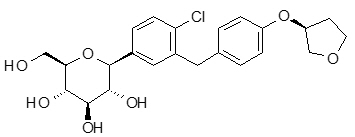
Linagliptin — Dipeptidyl Peptidase 4 Inhibitor [EPC]. INDICATIONS AND USAGE TRIJARDY XR is a combination of empagliflozin, linagliptin, and metformin hydrochloride (HCl) indicated as an adjunct to diet…
Boxed warning
WARNING: LACTIC ACIDOSIS Postmarketing cases of metformin-associated lactic acidosis have resulted in death, hypothermia, hypotension, and resistant bradyarrhythmias. The onset of metformin-associated lactic acidosis is often subtle, accompanied only by nonspecific symptoms such as malaise, myalgias, respiratory distress, somnolence, and abdominal pain. Metformin-associated lactic acidosis was characterized by elevated blood lactate levels (>5 mmol/Liter), anion gap acidosis (without evidence of ketonuria or ketonemia), an increased lactate/pyruvate ratio; and metformin plasma levels generally >5 mcg/mL [see Warnings and Precautions (5.1) ]. Risk factors for metformin-associated lactic acidosis include renal impairment, concomitant use of certain drugs (e.g., carbonic anhydrase inhibitors such as topiramate), age 65 years old or greater, having a radiological study with contrast, surgery and other procedures, hypoxic states (e.g., acute congestive heart failure), excessive alcohol intake, and hepatic impairment. Steps to reduce the risk of and manage metformin-associated lactic acidosis in these high risk groups are provided in the full prescribing information [see Dosage and Administration (2.2) , Contraindications (4) , Warnings and Precautions (5.1) , Drug Interactions (7) , and Use in Specific Populations (8.6 , 8.7 )]. If metformin-associated lactic acidosis is suspected, immediately discontinue linagliptin and metformin hydrochloride and institute general supportive measures in a hospital setting. Prompt hemodialysis is recommended [see Warnings and Precautions (5.1) ]. WARNING: LACTIC ACIDOSIS See full prescribing information for complete boxed warning. Postmarketing cases of metformin-associated lactic acidosis have resulted in death, hypothermia, hypotension, and resistant bradyarrhythmias. Symptoms included malaise, myalgias, respiratory distress, somnolence, and abdominal pain. Laboratory abnormalities included elevated blood lactate levels, anion gap acidosis, increased lactate/pyruvate ratio; and metformin plasma levels generally >5 mcg/mL. ( 5.1 ) Risk factors include renal impairment, concomitant use of certain drugs, age ≥65 years old, radiological studies with contrast, surgery and other procedures, hypoxic states, excessive alcohol intake, and hepatic impairment. Steps to reduce the risk of and manage metformin-associated lactic acidosis in these high risk groups are provided in the Full Prescribing Information. ( 5.1 ) If lactic acidosis is suspected, discontinue linagliptin and metformin hydrochloride and institute general supportive measures in a hospital setting. Prompt hemodialysis is recommended. ( 5.1 )
Brand names
Jentadueto XRLinagliptin and metformin hydrochlorideTrijardy XRTradjenta
INDICATIONS AND USAGE TRIJARDY XR is a combination of empagliflozin, linagliptin, and metformin hydrochloride (HCl) indicated as an adjunct to diet and exercise to improve glycemic control in adults with type 2 diabetes mellitus . Empagliflozin is indicated to reduce the risk of cardiovascular (CV) death in adults with type 2 diabetes mellitus and established CV disease [see Clinical Studies (14.2) ] . TRIJARDY XR is a combination of empagliflozin, a sodium-glucose co-transporter 2 (SGLT2) inhibitor, linagliptin, a dipeptidyl peptidase-4 (DPP-4) inhibitor, and metformin hydrochloride (HCl), a biguanide, indicated as an adjunct to diet and exercise to improve glycemic control in adults with type 2 diabetes mellitus. Empagliflozin is indicated to reduce the risk of cardiovascular (CV) death in adults with type 2 diabetes mellitus and established CV disease. ( 1 ) Limitations of Use Not recommended for use to improve glycemic control in patients with type 1 diabetes mellitus. It may increase the risk of diabetic ketoacidosis in these patients. ( 1 ) Has not been studied in patients with a history of pancreatitis. ( 1 ) Limitations of Use TRIJARDY XR is not recommended for use to improve glycemic control in patients with type 1 diabetes mellitus. It may increase the risk of diabetic ketoacidosis in these patients [see Warnings and Precautions (5.2) ] . TRIJARDY XR has not been studied in patients with a history of pancreatitis. It is unknown whether patients with a history of pancreatitis are at an increased risk for the development of pancreatitis while using TRIJARDY XR [see Warnings and Precautions (5.3) ].
Dosage
DOSAGE AND ADMINISTRATION Assess renal function before initiating and as clinically indicated. Assess volume status and correct volume depletion before initiating. ( 2.1 ) Individualize the starting dosage based on the patient's current regimen and renal function. ( 2.2 , 2.3 ) Initiation is not recommended in patients with an eGFR less than 45 mL/min/1.73 m 2 , due to the metformin HCl component. ( 2.3 ) The maximum recommended dosage of TRIJARDY XR is 25 mg empagliflozin, 5 mg linagliptin and 2,000 mg metformin HCl. ( 2.2 ) Take once daily with a meal in the morning. ( 2.2 ) Swallow whole; do not split, crush, dissolve, or chew. ( 2.2 ) TRIJARDY XR may need to be discontinued at time of, or prior to, iodinated contrast imaging procedures. ( 2.4 ) Withhold TRIJARDY XR for at least 3 days, if possible, prior to surgery or procedures associated with prolonged fasting. ( 2.5 ) 2.1 Testing Prior to Initiation of TRIJARDY XR Assess renal function before initiating TRIJARDY XR and as clinically indicated [see Warnings and Precautions (5.1 , 5.4) ] . Assess volume status. In patients with volume depletion, correct this condition before initiating TRIJARDY XR [see Warnings and Precautions (5.4) and Use in Specific Populations (8.5 , 8.6) ]. 2.2 Recommended Dosage and Administration Individualize the starting dosage of TRIJARDY XR based on the patient's current regimen: In patients on metformin HCl, with or without linagliptin, switch to TRIJARDY XR containing a similar total daily dosage of metformin HCl and a total daily dosage of empagliflozin 10 mg and linagliptin 5 mg; In patients on metformin HCl and any regimen containing empagliflozin, with or without linagliptin, switch to TRIJARDY XR containing a similar total daily dosage of metformin HCl, the same total daily dosage of empagliflozin and linagliptin 5 mg. Monitor effectiveness and tolerability, and adjust dosing as appropriate, not to exceed the maximum recommended daily dosage of empagliflozin 25 mg, linagliptin 5 mg and metformin HCl 2,000 mg . Take TRIJARDY XR orally, once daily with a meal in the morning. Take TRIJARDY XR 10 mg/5 mg/1,000 mg or TRIJARDY XR 25 mg/5 mg/1,000 mg as a single tablet once daily. Take TRIJARDY XR 5 mg/2.5 mg/1,000 mg or TRIJARDY XR 12.5 mg/2.5 mg/1,000 mg as two tablets together once daily. Swallow TRIJARDY XR tablets whole. Do not split, crush, dissolve, or chew. 2.3 Dosage Recommendations in Patients with Renal Impairment Initiation of TRIJARDY XR is not recommended in patients with an eGFR less than 45 mL/min/1.73 m 2 , due to the metformin HCl component. TRIJARDY XR is contraindicated in patients with an eGFR less than 30 mL/min/1.73 m 2 [see Contraindications (4) , Warnings and Precautions (5.1 , 5.4) , and Use in Specific Populations (8.6) ] . 2.4 Discontinuation for Iodinated Contrast Imaging Procedures Discontinue TRIJARDY XR at the time of, or prior to, an iodinated contrast imaging procedure in patients with an eGFR less than 60 mL/min/1.73 m 2 ; in patients with a history of liver disease, alcoholism or heart failure; or in patients who will be administered intra-arterial iodinated contrast. Re-evaluate eGFR 48 hours after the imaging procedure; restart TRIJARDY XR if renal function is stable [see Warnings and Precautions (5.1) ] . 2.5 Temporary Interruption for Surgery Withhold TRIJARDY XR for at least 3 days, if possible, prior to surgery or procedures associated with prolonged fasting. Resume TRIJARDY XR when the patient is clinically stable and has resumed oral intake [see Warnings and Precautions (5.2) and Clinical Pharmacology (12.2) ]. 2.6 Recommendations Regarding Missed Dose If a dose is missed, instruct patients to take the dose as soon as possible. Advise patients not to double up the next dose.
Warnings
WARNINGS AND PRECAUTIONS Lactic acidosis: See boxed warning ( 5.1 ) Pancreatitis: There have been reports of acute pancreatitis, including fatal pancreatitis. If pancreatitis is suspected, promptly discontinue JENTADUETO XR. ( 5.2 ) Hypoglycemia: Consider lowering the dosage of insulin secretagogue or insulin to reduce the risk of hypoglycemia when initiating JENTADUETO XR. ( 5.3 ) Hypersensitivity reactions: Serious hypersensitivity reactions (e.g., anaphylaxis, angioedema, and exfoliative skin conditions) have occurred with JENTADUETO XR. If hypersensitivity reactions occur discontinue JENTADUETO XR, treat promptly, and monitor until signs and symptoms resolve. ( 5.4 ) Vitamin B 12 deficiency: Metformin may lower vitamin B 12 levels. Measure hematologic parameters annually and vitamin B 12 at 2 to 3 year intervals and manage any abnormalities. ( 5.5 ) Arthralgia: Severe and disabling arthralgia has been reported in patients taking linagliptin. Consider as a possible cause for severe joint pain and discontinue drug if appropriate. ( 5.6 ) Bullous pemphigoid: There have been reports of bullous pemphigoid requiring hospitalization. Tell patients to report development of blisters or erosions. If bullous pemphigoid is suspected, discontinue JENTADUETO XR. ( 5.7 ) Heart failure: Heart failure has been observed with two other members of the DPP-4 inhibitor class. Consider risks and benefits of JENTADUETO XR in patients who have known risk factors for heart failure. Monitor for signs and symptoms. ( 5.8 ) 5.1 Lactic Acidosis Metformin There have been postmarketing cases of metformin-associated lactic acidosis, including fatal cases. These cases had a subtle onset and were accompanied by nonspecific symptoms such as malaise, myalgias, abdominal pain, respiratory distress, or increased somnolence; however, hypothermia, hypotension and resistant bradyarrhythmias have occurred with severe acidosis. Metformin-associated lactic acidosis was characterized by elevated blood lactate concentrations (>5 mmol/Liter), anion gap acidosis (without evidence of ketonuria or ketonemia), and an increased lactate:pyruvate ratio; metformin plasma levels generally >5 mcg/mL. Metformin decreases liver uptake of lactate increasing lactate blood levels which may increase risk of lactic acidosis, especially in patients at risk. If metformin-associated lactic acidosis is suspected, general supportive measures should be instituted promptly in a hospital setting, along with immediate discontinuation of JENTADUETO XR. In JENTADUETO XR-treated patients with a diagnosis or strong suspicion of lactic acidosis, prompt hemodialysis is recommended to correct the acidosis and remove accumulated metformin (metformin is dialyzable, with clearance of up to 170 mL/min under good hemodynamic conditions). Hemodialysis has often resulted in reversal of symptoms and recovery . Educate patients and their families about the symptoms of lactic acidosis and if these symptoms occur instruct them to discontinue JENTADUETO XR and report these symptoms to their healthcare provider. For each of the known and possible risk factors for metformin-associated lactic acidosis, recommendations to reduce the risk of and manage metformin-associated lactic acidosis are provided below: Renal Impairment: The postmarketing metformin-associated lactic acidosis cases primarily occurred in patients with significant renal impairment. The risk of metformin accumulation and metformin-associated lactic acidosis increases with the severity of renal impairment because metformin is substantially excreted by the kidney. Clinical recommendations based upon the patient's renal function include [see Dosage and Administration (2.2) and Clinical Pharmacology (12.3) ] : Before initiating JENTADUETO XR, obtain an estimated glomerular filtration rate (eGFR). JENTADUETO XR is contraindicated in patients with an eGFR less than 30 mL/min/1.73 m 2 [see Contraindications (4) ] . Initiation of JENTADUETO XR is not recommended in patients with eGFR between 30 – 45 mL/min/1.73 m 2 . Obtain an eGFR at least annually in all patients taking JENTADUETO XR. In patients at increased risk for the development of renal impairment (e.g., the elderly), renal function should be assessed more frequently. In patients taking JENTADUETO XR whose eGFR later falls below 45 mL/min/1.73 m 2 , assess the benefit and risk of continuing therapy. Drug Interactions: The concomitant use of JENTADUETO XR with specific drugs may increase the risk of metformin-associated lactic acidosis: those that impair renal function, result in significant hemodynamic change, interfere with acid-base balance or increase metformin accumulation [see Drug Interactions (7) ] . Therefore, consider more frequent monitoring of patients. Age 65 or Greater: The risk of metformin-associated lactic acidosis increases with the patient's age because elderly patients have a greater likelihood of having hepatic, renal, or cardiac impairment than younger patients. Assess renal function more frequently in elderly patients [see Use in Specific Populations (8.5) ]. Radiological Studies with Contrast: Administration of intravascular iodinated contrast agents in metformin-treated patients has led to an acute decrease in renal function and the occurrence of lactic acidosis. Stop JENTADUETO XR at the time of, or prior to, an iodinated contrast imaging procedure in patients with an eGFR between 30 and 60 mL/min/1.73 m 2 ; in patients with a history of hepatic impairment, alcoholism, or heart failure; or in patients who will be administered intra-arterial iodinated contrast. Re-evaluate eGFR 48 hours after the imaging procedure, and restart JENTADUETO XR if renal function is stable. Surgery and Other Procedures: Withholding of food and fluids during surgical or other procedures may increase the risk for volume depletion, hypotension and renal impairment. JENTADUETO XR should be temporarily discontinued while patients have restricted food and fluid intake. Hypoxic States: Several of the postmarketing cases of metformin-associated lactic acidosis occurred in the setting of acute congestive heart failure (particularly when accompanied by hypoperfusion and hypoxemia). Cardiovascular collapse (shock), acute myocardial infarction, sepsis, and other conditions associated with hypoxemia have been associated with lactic acidosis and may also cause prerenal azotemia. When such events occur, discontinue JENTADUETO XR. Excessive Alcohol Intake: Alcohol potentiates the effect of metformin on lactate metabolism and this may increase the risk of metformin-associated lactic acidosis. Warn patients against excessive alcohol intake while receiving JENTADUETO XR. Hepatic Impairment: Patients with hepatic impairment have developed cases of metformin-associated lactic acidosis. This may be due to impaired lactate clearance resulting in higher lactate blood levels. Therefore, avoid use of JENTADUETO XR in patients with clinical or laboratory evidence of hepatic disease. 5.2 Pancreatitis Acute pancreatitis, including fatal pancreatitis, has been reported in patients treated with linagliptin. In the CARMELINA trial [see Clinical Studies (14.2) ] , acute pancreatitis was reported in 9 (0.3%) patients treated with linagliptin and in 5 (0.1%) patients treated with placebo. Two patients treated with linagliptin in the CARMELINA trial had acute pancreatitis with a fatal outcome. There have been postmarketing reports of acute pancreatitis, including fatal pancreatitis, in patients treated with linagliptin. Take careful notice of potential signs and symptoms of pancreatitis. If pancreatitis is suspected, promptly discontinue JENTADUETO XR and initiate appropriate management. It is unknown whether patients with a history of pancreatitis are at increased risk for the development of pancreatitis while using JENTADUETO XR. 5.3 Hypoglycemia with Concomitant Use with Insulin and Insulin Secretagogues Insulin secretagogues and insulin are known to ca
Contraindications
CONTRAINDICATIONS Linagliptin and metformin hydrochloride are contraindicated in patients with: • severe renal impairment (eGFR below 30 mL/min/1.73 m 2 ) [see Warnings and Precautions (5.1 )] . • acute or chronic metabolic acidosis, including diabetic ketoacidosis [see Warnings and Precautions (5.1 )]. • hypersensitivity to linagliptin, metformin, or any of the excipients in linagliptin and metformin hydrochloride, reactions such as anaphylaxis, angioedema, exfoliative skin conditions, urticaria, or bronchial hyperreactivity have occurred with linagliptin [see Warnings and Precautions (5.4 ) and Adverse Reactions (6.1 )] . Severe renal impairment (eGFR below 30 mL/min/1.73 m 2 ) ( 4 ) Metabolic acidosis, including diabetic ketoacidosis ( 4 ) Hypersensitivity to linagliptin, metformin, or any of the excipients in linagliptin and metformin hydrochloride ( 4 )
Drug interactions
DRUG INTERACTIONS Table 2 describes clinically relevant interactions with TRIJARDY XR. Table 2 Clinically Relevant Interactions with TRIJARDY XR Carbonic Anhydrase Inhibitors Clinical Impact Topiramate or other carbonic anhydrase inhibitors (e.g., zonisamide, acetazolamide or dichlorphenamide) frequently causes a decrease in serum bicarbonate and induce non-anion gap, hyperchloremic metabolic acidosis. Concomitant use of these drugs with TRIJARDY XR may increase the risk of lactic acidosis. Intervention Consider more frequent monitoring of these patients. Drugs that Reduce Metformin Clearance Clinical Impact Concomitant use of drugs that interfere with common renal tubular transport systems involved in the renal elimination of metformin (e.g., organic cationic transporter-2 [OCT2] / multidrug and toxin extrusion [MATE] inhibitors such as ranolazine, vandetanib, dolutegravir, and cimetidine) could increase systemic exposure to metformin and may increase the risk for lactic acidosis [see Clinical Pharmacology (12.3) ] . Intervention Consider the benefits and risks of concomitant use. Alcohol Clinical Impact Alcohol is known to potentiate the effect of metformin on lactate metabolism. Intervention Warn patients against excessive alcohol intake while receiving TRIJARDY XR. Diuretics Clinical Impact Coadministration of empagliflozin with diuretics resulted in increased urine volume and frequency of voids, which might enhance the potential for volume depletion. Intervention Before initiating TRIJARDY XR, assess volume status and renal function. In patients with volume depletion, correct this condition before initiating TRIJARDY XR. Monitor for signs and symptoms of volume depletion, and renal function after initiating therapy. Insulin or Insulin Secretagogues Clinical Impact The risk of hypoglycemia is increased when TRIJARDY XR is used in combination with an insulin secretagogue (e.g., sulfonylurea) or insulin. Intervention Coadministration of TRIJARDY XR with an insulin secretagogue (e.g., sulfonylurea) or insulin may require lower dosages of the insulin secretagogue or insulin to reduce the risk of hypoglycemia. Drugs Affecting Glycemic Control Clinical Impact Certain drugs tend to produce hyperglycemia and may lead to loss of glycemic control. These drugs include the thiazides and other diuretics, corticosteroids, phenothiazines, thyroid products, estrogens, oral contraceptives, phenytoin, nicotinic acid, sympathomimetics, calcium channel blocking drugs, and isoniazid. Intervention When such drugs are administered to a patient receiving TRIJARDY XR, the patient should be closely observed to maintain adequate glycemic control. When such drugs are withdrawn from a patient receiving TRIJARDY XR, the patient should be observed closely for hypoglycemia. Lithium Clinical Impact Concomitant use of an SGLT2 inhibitor with lithium may decrease serum lithium concentrations. Intervention Monitor serum lithium concentration more frequently during TRIJARDY XR initiation and dosage changes. Inducers of P-glycoprotein or CYP3A4 Enzymes Clinical Impact Rifampin decreased linagliptin exposure, suggesting that the efficacy of linagliptin may be reduced when administered in combination with a strong P-gp or CYP3A4 inducer. Intervention Use of alternative treatments is strongly recommended when linagliptin is to be administered with a strong P-gp or CYP3A4 inducer. Positive Urine Glucose Test Clinical Impact SGLT2 inhibitors increase urinary glucose excretion and will lead to positive urine glucose tests. Intervention Monitoring glycemic control with urine glucose tests is not recommended in patients taking SGLT2 inhibitors. Use alternative methods to monitor glycemic control. Interference with 1,5-anhydroglucitol (1,5-AG) Assay Clinical Impact Measurements of 1,5-AG are unreliable in assessing glycemic control in patients taking SGLT2 inhibitors. Intervention Monitoring glycemic control with 1,5-AG assay is not recommended. Use alternative methods to monitor glycemic control. Carbonic Anhydrase Inhibitors: May increase risk of lactic acidosis. Consider more frequent monitoring. ( 7 ) Drugs that Reduce Metformin Clearance: May increase risk of lactic acidosis. Consider benefits and risks of concomitant use. ( 7 ) See full prescribing information for additional drug interactions and information on interference of TRIJARDY XR with laboratory tests. ( 7 )
Adverse reactions
ADVERSE REACTIONS The following important adverse reactions are described below and elsewhere in the labeling: Lactic Acidosis [see Boxed Warning and Warnings and Precautions (5.1) ] Diabetic Ketoacidosis in Patients with Type 1 Diabetes Mellitus and Other Ketoacidosis [see Warnings and Precautions (5.2) ] Pancreatitis [see Warnings and Precautions (5.3) ] Volume Depletion [see Warnings and Precautions (5.4) ] Genitourinary Infections, including Urosepsis, Pyelonephritis, Necrotizing Fasciitis of the Perineum (Fournier's Gangrene), and Genital Mycotic Infections [see Warnings and Precautions (5.5) ] Hypoglycemia with Concomitant Use with Insulin and Insulin Secretagogues [see Warnings and Precautions (5.6) ] Lower Limb Amputation [see Warnings and Precautions (5.7) ] Hypersensitivity Reactions [see Warnings and Precautions (5.8) ] Vitamin B 12 Deficiency [see Warnings and Precautions (5.9) ] Severe and Disabling Arthralgia [see Warnings and Precautions (5.10) ] Bullous Pemphigoid [see Warnings and Precautions (5.11) ] Heart Failure [see Warnings and Precautions (5.12) ] Most common adverse reactions (5% or greater incidence) were upper respiratory tract infection, urinary tract infection, nasopharyngitis, diarrhea, constipation, headache, and gastroenteritis. ( 6.1 ) To report SUSPECTED ADVERSE REACTIONS, contact Boehringer Ingelheim Pharmaceuticals, Inc. at 1-800-542-6257, or FDA at 1-800-FDA-1088 or www.fda.gov/medwatch . 6.1 Clinical Trials Experience Because clinical trials are conducted under widely varying conditions, adverse reaction rates observed in the clinical trials of a drug cannot be directly compared to rates in the clinical trials of another drug and may not reflect the rates observed in practice. Empagliflozin, Linagliptin and Metformin HCl The safety of concomitantly administered empagliflozin (daily dosage 10 mg or 25 mg), linagliptin (daily dosage 5 mg) and metformin HCl has been evaluated in a total of 686 patients with type 2 diabetes mellitus treated for up to 52 weeks in an active-controlled clinical trial. The most common adverse reactions are shown in Table 1. Table 1 Adverse Reactions Reported in ≥5% of Patients Treated with Empagliflozin, Linagliptin, and Metformin HCl in an Active-Controlled Clinical Trial of 52 Weeks Adverse Reactions Empagliflozin 10 mg + Linagliptin 5 mg + Metformin HCl (%) n=136 Empagliflozin 25 mg + Linagliptin 5 mg + Metformin HCl (%) n=137 a Predefined grouping, including, but not limited to, urinary tract infection, asymptomatic bacteriuria, cystitis Upper respiratory tract infection 10.3 8.0 Urinary tract infection a 9.6 10.2 Nasopharyngitis 8.1 5.8 Diarrhea 6.6 2.2 Constipation 5.1 5.8 Headache 5.1 5.1 Gastroenteritis 2.9 5.8 Hypoglycemia The incidence of hypoglycemia (defined as plasma or capillary glucose of less than 54 mg/dL) was 0.7% in patients receiving empagliflozin 10 mg/linagliptin 5 mg/metformin HCl and 0.7% in patients receiving empagliflozin 25 mg/linagliptin 5 mg/metformin HCl. Events of severe hypoglycemia (requiring assistance regardless of blood glucose) did not occur in this trial. Empagliflozin Adverse reactions that occurred in ≥2% of patients receiving empagliflozin and more commonly than in patients given placebo included (10 mg, 25 mg, and placebo): urinary tract infection (9.3%, 7.6%, and 7.6%), female genital mycotic infections (5.4%, 6.4%, and 1.5%), upper respiratory tract infection (3.1%, 4.0%, and 3.8%), increased urination (3.4%, 3.2%, and 1.0%), dyslipidemia (3.9%, 2.9%, and 3.4%), arthralgia (2.4%, 2.3%, and 2.2%), male genital mycotic infections (3.1%, 1.6%, and 0.4%), and nausea (2.3%, 1.1%, and 1.4%). Thirst (including polydipsia) was reported in 0%, 1.7%, and 1.5% for placebo, empagliflozin 10 mg, and empagliflozin 25 mg, respectively. Empagliflozin causes an osmotic diuresis, which may lead to intravascular volume contraction and adverse reactions related to volume depletion. Events related to volume depletion (hypotension and syncope) were reported in 3 patients (1.1%) treated with empagliflozin, linagliptin and metformin HCl combination therapy. Linagliptin Adverse reactions reported in ≥2% of patients treated with linagliptin 5 mg and more commonly than in patients treated with placebo included: nasopharyngitis (7.0% and 6.1%), diarrhea (3.3% and 3.0%), and cough (2.1% and 1.4%). Other adverse reactions reported in clinical trials with treatment of linagliptin monotherapy were hypersensitivity (e.g., urticaria, angioedema, localized skin exfoliation, or bronchial hyperreactivity) and myalgia. In the clinical trial program, pancreatitis was reported in 15.2 cases per 10,000 patient-year exposure while being treated with linagliptin, compared with 3.7 cases per 10,000 patient-year exposure while being treated with comparator (placebo and active comparator, sulfonylurea). Three additional cases of pancreatitis were reported following the last administered dose of linagliptin. Metformin HCl The most common (>5%) adverse reactions due to initiation of metformin HCl therapy are diarrhea, nausea/vomiting, flatulence, abdominal discomfort, indigestion, asthenia, and headache. In a 24-week clinical trial in which extended-release metformin HCl or placebo was added to glyburide therapy, the most common (>5% and greater than placebo) adverse reactions in the combined treatment group were hypoglycemia (13.7% vs 4.9%), diarrhea (12.5% vs 5.6%), and nausea (6.7% vs 4.2%). Other Adverse Reactions in Clinical Trials with Empagliflozin in Adults Genital Mycotic Infections : In the pool of five placebo-controlled clinical trials, the incidence of genital mycotic infections (e.g., vaginal mycotic infection, vaginal infection, genital infection fungal, vulvovaginal candidiasis, and vulvitis) was increased in patients treated with empagliflozin compared to placebo, occurring in 0.9%, 4.1%, and 3.7% of patients randomized to placebo, empagliflozin 10 mg, and empagliflozin 25 mg, respectively. Discontinuation from trial due to genital infection occurred in 0% of placebo-treated patients and 0.2% of patients treated with either empagliflozin 10 mg or 25 mg. Genital mycotic infections occurred more frequently in female than male patients. Phimosis occurred more frequently in male patients treated with empagliflozin 10 mg (less than 0.1%) and empagliflozin 25 mg (0.1%) than placebo (0%). Urinary Tract Infections : In the pool of five placebo-controlled clinical trials, the incidence of urinary tract infections (e.g., urinary tract infection, asymptomatic bacteriuria, and cystitis) was increased in patients treated with empagliflozin compared to placebo. Patients with a history of chronic or recurrent urinary tract infections were more likely to experience a urinary tract infection. The rate of treatment discontinuation due to urinary tract infections was 0.1%, 0.2%, and 0.1% for placebo, empagliflozin 10 mg, and empagliflozin 25 mg, respectively. Urinary tract infections occurred more frequently in female patients. The incidence of urinary tract infections in female patients randomized to placebo, empagliflozin 10 mg, and empagliflozin 25 mg was 16.6%, 18.4%, and 17.0%, respectively. The incidence of urinary tract infections in male patients randomized to placebo, empagliflozin 10 mg, and empagliflozin 25 mg was 3.2%, 3.6%, and 4.1%, respectively [see Use in Specific Populations (8.5) ] . Lower Limb Amputations : Across four empagliflozin outcome trials, lower limb amputation event rates were 4.3 and 5.0 events per 1,000 patient-years in the placebo group and the empagliflozin 10 mg or 25 mg dose group, respectively, with a HR of 1.05 (95% CI) (0.81, 1.36). In a long-term cardio-renal outcome trial with empagliflozin, in patients with chronic kidney disease, the occurrence of lower limb amputations was reported with event rates of 2.9, and 4.3 events per 1,000 patient-years in the placebo, and empagliflozin 10 mg treatment arms, respectively. TRIJARDY XR is not indicated for the
Mechanism of action
Mechanism of Action TRIJARDY XR TRIJARDY XR contains: empagliflozin, a SGLT2 inhibitor, linagliptin, a DPP-4 inhibitor, and metformin HCl, a biguanide. Empagliflozin Empagliflozin is an inhibitor of SGLT2, the predominant transporter responsible for reabsorption of glucose from the glomerular filtrate back into the circulation. By inhibiting SGLT2, empagliflozin reduces renal reabsorption of filtered glucose and lowers the renal threshold for glucose, and thereby increases urinary glucose excretion. Linagliptin Linagliptin is an inhibitor of DPP-4, an enzyme that degrades the incretin hormones glucagon-like peptide-1 (GLP-1) and glucose-dependent insulinotropic polypeptide (GIP). Thus, linagliptin increases the concentrations of active incretin hormones, stimulating the release of insulin in a glucose-dependent manner and decreasing the levels of glucagon in the circulation. Both incretin hormones are involved in the physiological regulation of glucose homeostasis. Incretin hormones are secreted at a low basal level throughout the day and levels rise immediately after meal intake. GLP-1 and GIP increase insulin biosynthesis and secretion from pancreatic beta cells in the presence of normal and elevated blood glucose levels. Furthermore, GLP-1 also reduces glucagon secretion from pancreatic alpha cells, resulting in a reduction in hepatic glucose output. Metformin HCl Metformin HCl is an antihyperglycemic agent which improves glucose tolerance in patients with type 2 diabetes mellitus, lowering both basal and postprandial plasma glucose. Metformin HCl decreases hepatic glucose production, decreases intestinal absorption of glucose, and improves insulin sensitivity by increasing peripheral glucose uptake and utilization. With metformin HCl therapy, insulin secretion remains unchanged while fasting insulin levels and day-long plasma insulin response may decrease.
A drug lookup is just the start. Eleplan keeps the whole care plan in one place.
Medications, diagnoses, documents, appointments, and the whole care team — organized and always in sync, with Ellie, your AI care assistant, on top of it. Free to start.