Lopinavir
Managing this medication for someone you care for? Eleplan keeps diagnoses, medications and appointments in one plan.
Start free with EleplanMedication reference
Lopinavir
Protease Inhibitor [EPC] — ORAL
Lopinavir — Protease Inhibitor [EPC]. INDICATIONS AND USAGE Lopinavir and ritonavir tablets are indicated in combination with other antiretroviral agents for the treatment of HIV-1…
Brand names
Lopinavir and RitonavirLopinavir and ritonavirKaletra
Active ingredients
LOPINAVIRRITONAVIR
Indications
INDICATIONS AND USAGE Lopinavir and ritonavir tablets are indicated in combination with other antiretroviral agents for the treatment of HIV-1 infection in adults and pediatric patients 14 days and older. Limitations of Use: • Genotypic or phenotypic testing and/or treatment history should guide the use of lopinavir and ritonavir tablets. The number of baseline lopinavir resistance-associated substitutions affects the virologic response to lopinavir and ritonavir tablets [see Microbiology (12.4)]. Lopinavir and ritonavir tablets are an HIV-1 protease inhibitor indicated in combination with other antiretroviral agents for the treatment of HIV-1 infection in adults and pediatric patients (14 days and older). (1)
Dosage
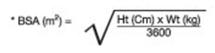
DOSAGE AND ADMINISTRATION Tablets: May be taken with or without food, swallowed whole and not chewed, broken, or crushed. (2.1) Adults (2.3): • Total recommended daily dosage is 800/200 mg given once or twice daily. • Lopinavir and ritonavir tablets can be given as once daily or twice daily regimen. See Full Prescribing Information for details. • Lopinavir and ritonavir tablets once daily dosing regimen is not recommended in: • Adult patients with three or more of the following lopinavir resistance-associated substitutions: L10F/I/R/V, K20M/N/R, L24I, L33F, M36I, I47V, G48V, I54L/T/V, V82A/C/F/S/T, and I84V. (12.4) • In combination with carbamazepine, phenobarbital, or phenytoin. (7.3) • In combination with efavirenz, nevirapine, or nelfinavir. (12.3) • In pregnant women. ( 2.5, 8.1 , 12.3 ) Pediatric Patients (14 days and older) (2.4): • Lopinavir and ritonavir tablets once daily dosing regimen is not recommended in pediatric patients. • Twice daily dose is based on body weight or body surface area. Concomitant Therapy in Adults and Pediatric Patients : • Dose adjustments of lopinavir and ritonavir tablets may be needed when co-administering with efavirenz, nevirapine, or nelfinavir. (2.3, 2.4 , 7.3 ) • Lopinavir and ritonavir oral solution should not be administered to neonates before a postmenstrual age (first day of the mother’s last menstrual period to birth plus the time elapsed after birth) of 42 weeks and a postnatal age of at least 14 days has been attained ( 2.4, 5.2 ) Pregnancy (2.5): • 400/100 mg twice daily in pregnant patients with no documented lopinavir-associated resistance substitutions. • There are insufficient data to recommend a lopinavir and ritonavir tablets dose for pregnant patients with any documented lopinavir and ritonavir tablets-associated resistance substitutions. • No dose adjustment of lopinavir and ritonavir tablets are required for patients during the postpartum period. 2.1 General Administration Recommendations Lopinavir and ritonavir tablets may be taken with or without food. The tablets should be swallowed whole and not chewed, broken, or crushed. 2.3 Dosage Recommendations in Adults Lopinavir and ritonavir tablets can be given in once daily or twice daily dosing regimen at dosages noted in Tables 1 and 2. Lopinavir and ritonavir tablets once daily dosing regimen is not recommended in: • Adult patients with three or more of the following lopinavir resistance-associated substitutions: L10F/I/R/V, K20M/N/R, L24I, L33F, M36I, I47V, G48V, I54L/T/V, V82A/C/F/S/T, and I84V [see Microbiology (12.4)]. • In combination with carbamazepine, phenobarbital, or phenytoin [see Drug Interactions (7.3)]. • In combination with efavirenz, nevirapine, or nelfinavir [see Drug Interactions (7.3) and Clinical Pharmacology ( 12.3)]. • In pediatric patients younger than 18 years of age [see Dosage and Administration (2.4)]. • In pregnant women [see Dosage and Administration ( 2.5), Use in Specific Populations (8.1) and Clinical Pharmacology (12.3)]. Table 1. Recommended Dosage in Adults - Lopinavir and Ritonavir Tablets Once Daily Regimen Lopinavir and Ritonavir Tablets Dosage Form Recommended Dosage 200 mg/50 mg Tablets 800 mg/200 mg (4 tablets) once daily Table 2. Recommended Dosage in Adults – Lopinavir and Ritonavir Tablets Twice Daily Regimen Lopinavir and Ritonavir Tablets Dosage Form Recommended Dosage 200 mg/50 mg Tablets 400 mg/100 mg (2 tablets) twice daily The dose of lopinavir and ritonavir tablets must be increased when administered in combination with efavirenz, nevirapine or nelfinavir. Table 3 outlines the dosage recommendations for twice daily dosing when lopinavir and ritonavir tablets are taken in combination with these agents. Table 3. Recommended Dosage in Adults - Lopinavir and Ritonavir Tablets Twice Daily Regimen in Combination with Efavirenz, Nevirapine, or Nelfinavir Lopinavir and Ritonavir Tablets Dosage Form Recommended Dosage 200 mg/50 mg Tablets and 100 mg/25 mg Tablets 500 mg/125 mg (2 tablets of 200 mg/50 mg + 1 tablet of 100 mg/25 mg) twice daily 2.4 Dosage Recommendations in Pediatric Patients Lopinavir and ritonavir tablets are not recommended for once daily dosing in pediatric patients younger than 18 years of age. Lopinavir and ritonavir 100/25 mg tablets should be considered only in children who have reliably demonstrated the ability to swallow the intact tablet. Lopinavir and ritonavir oral solution is not recommended in neonates before a postmenstrual age (first day of the mother’s last menstrual period to birth plus the time elapsed after birth) of 42 weeks and a postnatal age of at least 14 days has been attained [see Warnings and Precautions (5.2)]. Lopinavir and ritonavir oral solution contains alcohol and propylene glycol. Total amounts of alcohol and propylene glycol from all medicines that are to be given to pediatric patients 14 days to 6 months of age should be taken into account in order to avoid toxicity from these excipients [see Warnings and Precautions (5.2) and Overdosage (10 )]. Pediatric Dosage Calculations Calculate the appropriate dose of lopinavir and ritonavir tablets for each individual pediatric patient based on body weight (kg) or body surface area (BSA) to avoid underdosing or exceeding the recommended adult dose. Body surface area (BSA) can be calculated as follows: The lopinavir and ritonavir tablets dose can be calculated based on weight or BSA: Based on Weight: Patient Weight (kg) × Prescribed lopinavir dose (mg/kg) = Administered lopinavir dose (mg) Based on BSA: Patient BSA (m 2 ) × Prescribed lopinavir dose (mg/m 2 ) = Administered lopinavir dose (mg) If lopinavir and ritonavir oral solution is used, the volume (mL) of lopinavir and ritonavir solution can be determined as follows: Volume of lopinavir and ritonavir solution (mL) = Administered lopinavir dose (mg) ÷ 80 (mg/mL) Tablet Dosage Recommendation in Pediatric Patients Older than 6 Months to Less than 18 Years: Table 5 provides the dosing recommendations for pediatric patients older than 6 months to less than 18 years of age based on body weight or body surface area for lopinavir and ritonavir tablets. Table 5. Lopinavir and Ritonavir Tablet Daily Dosage Recommendations in Pediatric Patients ˃ 6 Months to < 18 Years of Age Without Concomitant Efavirenz, Nevirapine, or Nelfinavir Body Weight (kg) Body Surface Area (m 2 )* Recommended number of 100/25 mg Tablets Twice Daily ≥15 to 25 ≥0.6 to < 0.9 2 >25 to 35 ≥0.9 to < 1.4 3 >35 ≥1.4 4 * Lopinavir and ritonavir oral solution is available for children with a BSA less than 0.6 m 2 or those who are unable to reliably swallow a tablet. Concomitant Therapy: Efavirenz, Nevirapine, or Nelfinavir Dosing recommendations using tablets Table 7 provides the dosing recommendations for pediatric patients older than 6 months to less than 18 years of age based on body weight or body surface area for lopinavir and ritonavir tablets when given in combination with efavirenz, nevirapine, or nelfinavir. Table 7. Lopinavir and Ritonavir Tablet Daily Dosage Recommendations for Pediatric Patients ˃ 6 Months to < 18 Years of Age With Concomitant Efavirenz†, Nevirapine, or Nelfinavir † Body Weight (kg) Body Surface Area (m 2 )* Recommended number of 100/25 mg Tablets Twice Daily ≥15 to 20 ≥0.6 to < 0.8 2 >20 to 30 ≥0.8 to < 1.2 3 >30 to 45 ≥1.2 to < 1.7 4 > 45 ≥1.7 5 [see Dosage and Administration (2.4)] *Lopinavir and ritonavir oral solution is available for children with a BSA less than 0.6 m 2 or those who are unable to reliably swallow a tablet. † Please refer to the individual product labels for appropriate dosing in children. lopiandritotabfig 2.5 Dosage Recommendations in Pregnancy Administer 400/100 mg of lopinavir and ritonavir tablets twice daily in pregnant patients with no documented lopinavir-associated resistance substitutions. • Once daily lopinavir and ritonavir tablets dosing is not recommended in pregnancy [see Use in Specific Populations ( 8.1 ) and Clinical Pharmacol
Warnings
WARNINGS AND PRECAUTIONS The following have been observed in patients receiving lopinavir and ritonavir: The concomitant use of lopinavir and ritonavir and certain other drugs may result in known or potentially significant drug interactions. Consult the full prescribing information prior to and during treatment for potential drug interactions. ( 5.1 , 7.3 ) Toxicity in preterm neonates: Lopinavir and ritonavir oral solution should not be used in preterm neonates in the immediate postnatal period because of possible toxicities. A safe and effective dose of lopinavir and ritonaviroral solution in this patient population has not been established. ( 2.4 , 5.2) Pancreatitis: Fatalities have occurred; suspend therapy as clinically appropriate. ( 5.3 ) Hepatotoxicity: Fatalities have occurred. Monitor liver function before and during therapy, especially in patients with underlying hepatic disease, including hepatitis B and hepatitis C, or marked transaminase elevations. ( 5.4 , 8.6 ) QT interval prolongation and isolated cases of torsade de pointes have been reported although causality could not be established. Avoid use in patients with congenital long QT syndrome, those with hypokalemia, and with other drugs that prolong the QT interval. ( 5.1 , 5.5 , 12.3 ) PR interval prolongation may occur in some patients. Cases of second and third degree heart block have been reported. Use with caution in patients with pre-existing conduction system disease, ischemic heart disease, cardiomyopathy, underlying structural heart disease or when administering with other drugs that may prolong the PR interval. ( 5.1 , 5.6 , 12.3 ) Patients may develop new onset or exacerbations of diabetes mellitus, hyperglycemia ( 5.7 ), immune reconstitution syndrome. ( 5.8 ), redistribution/accumulation of body fat. ( 5.10 ) Total cholesterol and triglycerides elevations. Monitor prior to therapy and periodically thereafter. ( 5.9 ) Hemophilia: Spontaneous bleeding may occur, and additional factor VIII may be required. ( 5.11 ) 5.1 Risk of Serious Adverse Reactions Due to Drug Interactions Initiation of lopinavir and ritonavir, a CYP3A inhibitor, in patients receiving medications metabolized by CYP3A or initiation of medications metabolized by CYP3A in patients already receiving lopinavir and ritonavir, may increase plasma concentrations of medications metabolized by CYP3A. Initiation of medications that inhibit or induce CYP3A may increase or decrease concentrations of lopinavir and ritonavir, respectively. These interactions may lead to: Clinically significant adverse reactions, potentially leading to severe, life-threatening, or fatal events from greater exposures of concomitant medications. Clinically significant adverse reactions from greater exposures of lopinavir and ritonavir. Loss of therapeutic effect of lopinavir and ritonavir and possible development of resistance. See Table 12 for steps to prevent or manage these possible and known significant drug interactions, including dosing recommendations [see Drug Interactions ( 7 )]. Consider the potential for drug interactions prior to and during lopinavir and ritonavir therapy; review concomitant medications during lopinavir and ritonavir therapy, and monitor for the adverse reactions associated with the concomitant medications [see Contraindications ( 4 ) and Drug Interactions ( 7 )]. 5.2 Toxicity in Preterm Neonates Lopinavir and ritonavir oral solution contains the excipients ethanol, approximately 42% (v/v) and propylene glycol, approximately 15% (w/v). When administered concomitantly with propylene glycol, ethanol competitively inhibits the metabolism of propylene glycol, which may lead to elevated concentrations. Preterm neonates may be at increased risk of propylene glycol-associated adverse events due to diminished ability to metabolize propylene glycol, thereby leading to accumulation and potential adverse events. Postmarketing life-threatening cases of cardiac toxicity (including complete AV block, bradycardia, and cardiomyopathy), lactic acidosis, acute renal failure, CNS depression and respiratory complications leading to death have been reported, predominantly in preterm neonates receiving lopinavir and ritonavir oral solution. Lopinavir and ritonavir oral solution should not be used in preterm neonates in the immediate postnatal period because of possible toxicities. A safe and effective dose of Lopinavir and ritonavir oral solution in this patient population has not been established. However, if the benefit of using Lopinavir and ritonavir oral solution to treat HIV infection in infants immediately after birth outweighs the potential risks, infants should be monitored closely for increases in serum osmolality and serum creatinine, and for toxicity related to Lopinavir and ritonavir oral solution including: hyperosmolality, with or without lactic acidosis, renal toxicity, CNS depression (including stupor, coma, and apnea), seizures, hypotonia, cardiac arrhythmias and ECG changes, and hemolysis. Total amounts of ethanol and propylene glycol from all medicines that are to be given to infants should be taken into account in order to avoid toxicity from these excipients [ see Dosage and Administration ( 2.4 ) and Overdosage ( 10)]. 5.3 Pancreatitis Pancreatitis has been observed in patients receiving lopinavir and ritonavir therapy, including those who developed marked triglyceride elevations. In some cases, fatalities have been observed. Although a causal relationship to lopinavir and ritonavir have not been established, marked triglyceride elevations are a risk factor for development of pancreatitis [see Warnings and Precautions (5.9)]. Patients with advanced HIV-1 disease may be at increased risk of elevated triglycerides and pancreatitis, and patients with a history of pancreatitis may be at increased risk for recurrence during lopinavir and ritonavir therapy. Pancreatitis should be considered if clinical symptoms (nausea, vomiting, abdominal pain) or abnormalities in laboratory values (such as increased serum lipase or amylase values) suggestive of pancreatitis occur. Patients who exhibit these signs or symptoms should be evaluated and lopinavir and ritonavir and/or other antiretroviral therapy should be suspended as clinically appropriate. 5.4 Hepatotoxicity Patients with underlying hepatitis B or C or marked elevations in transaminase prior to treatment may be at increased risk for developing or worsening of transaminase elevations or hepatic decompensation with use of lopinavir and ritonavir. There have been postmarketing reports of hepatic dysfunction, including some fatalities. These have generally occurred in patients with advanced HIV-1 disease taking multiple concomitant medications in the setting of underlying chronic hepatitis or cirrhosis. A causal relationship with lopinavir and ritonavir therapy has not been established. Elevated transaminases with or without elevated bilirubin levels have been reported in HIV-1 mono-infected and uninfected patients as early as 7 days after the initiation of lopinavir and ritonavir in conjunction with other antiretroviral agents. In some cases, the hepatic dysfunction was serious; however, a definitive causal relationship with lopinavir and ritonavir therapy has not been established. Appropriate laboratory testing should be conducted prior to initiating therapy with lopinavir and ritonavir and patients should be monitored closely during treatment. Increased AST/ALT monitoring should be considered in the patients with underlying chronic hepatitis or cirrhosis, especially during the first several months of lopinavir and ritonavir treatment [see Use in Specific Populations ( 8.6) ]. 5.5 QT Interval Prolongation Postmarketing cases of QT interval prolongation and torsade de pointes have been reported although causality of lopinavir and ritonavir could not be established. Avoid use in patients with congenital long QT syndrome, those with hypokalemia, and with other drugs t
Contraindications
CONTRAINDICATIONS • Lopinavir and ritonavir tablets are contraindicated in patients with previously demonstrated clinically significant hypersensitivity (e.g., toxic epidermal necrolysis, Stevens-Johnson syndrome, erythema multiforme, urticaria, angioedema) to any of its ingredients, including ritonavir. • Lopinavir and ritonavir tablets are contraindicated with drugs that are highly dependent on CYP3A for clearance and for which elevated plasma concentrations are associated with serious and/or life-threatening reactions o Alpha 1-Adrenoreceptor Antagonist: alfuzosin o Antianginal: ranolazine o Antiarrhythmic: dronedarone o Anti-gout: colchicine o Antipsychotics: lurasidone, pimozide o Ergot Derivatives: dihydroergotamine, ergotamine, methylergonovine o GI Motility Agent: cisapride o Hepatitis C direct acting antiviral: elbasvir/grazoprevir o HMG-CoA Reductase Inhibitors: lovastatin, simvastatin o triglyceride transfer protein (MTTP) Inhibitor: lomitapide o PDE5 Inhibitor: sildenafil (Revatio®) when used for the treatment of pulmonary arterial hypertension o Sedative/Hypnotics: triazolam, orally administered midazolam • Lopinavir and ritonavir tablets are contraindicated with drugs that are potent CYP3A inducers where significantly reduced lopinavir plasma concentrations may be associated with the potential for loss of virologic response and possible resistance and cross-resistance o Anticancer Agents: apalutamide o Antimycobacterial: rifampin o Herbal Products: St. John's Wort (hypericum perforatum) • Lopinavir and ritonavir tablets are contraindicated in patients with previously demonstrated clinically significant hypersensitivity (e.g., toxic epidermal necrolysis, Stevens-Johnson syndrome, erythema multiforme, urticaria, angioedema) to any of its ingredients, including ritonavir. • Lopinavir and ritonavir tablets are contraindicated with drugs that are highly dependent on CYP3A for clearance and for which elevated plasma concentrations are associated with serious and/or life-threatening reactions [see Drug Interactions (7.1) and Clinical Pharmacology (12.3)]. o Alpha 1-Adrenoreceptor Antagonist: alfuzosin o Antianginal: ranolazine o Antiarrhythmic: dronedarone o Anti-gout: colchicine o Antipsychotics: lurasidone, pimozide o Ergot Derivatives: dihydroergotamine, ergotamine, methylergonovine o GI Motility Agent: cisapride o Hepatitis C direct acting antiviral: elbasvir/grazoprevir o HMG-CoA Reductase Inhibitors: lovastatin, simvastatin o Microsomal triglyceride transfer protein (MTTP) Inhibitor: lomitapide o PDE5 Inhibitor: sildenafil (Revatio®) when used for the treatment of pulmonary arterial hypertension o Sedative/Hypnotics: triazolam, orally administered midazolam • Lopinavir and ritonavir tablets are contraindicated with drugs that are potent CYP3A inducers where significantly reduced lopinavir plasma concentrations may be associated with the potential for loss of virologic response and possible resistance and cross-resistance [see Drug Interactions (7.2) and Clinical Pharmacology (12.3 )]. o Anticancer Agents: apalutamide o Antimycobacterial: rifampin o Herbal Products: St. John's Wort (hypericum perforatum) • Hypersensitivity to lopinavir and ritonavir tablets (e.g., toxic epidermal necrolysis, Stevens-Johnson syndrome, erythema multiforme, urticaria, angioedema) or any of its ingredients, including ritonavir. (4) • Co-administration with drugs highly dependent on CYP3A for clearance and for which elevated plasma levels may result in serious and/or life-threatening events. (4) • Co-administration with potent CYP3A inducers where significantly reduced lopinavir plasma concentrations may be associated with the potential for loss of virologic response and possible resistance and cross resistance. (4)
Drug interactions
DRUG INTERACTIONS Co-administration of lopinavir and ritonavir can alter the plasma concentrations of other drugs and other drugs may alter the plasma concentrations of lopinavir. The potential for drug-drug interactions must be considered prior to and during therapy. ( 4 , 5.1 , 7 , 12.3 ) 7.1 Potential for Lopinavir And Ritonavir to Affect Other Drugs Lopinavir/ritonavir is an inhibitor of CYP3A and may increase plasma concentrations of agents that are primarily metabolized by CYP3A. Agents that are extensively metabolized by CYP3A and have high first pass metabolism appear to be the most susceptible to large increases in AUC (> 3-fold) when co-administered with lopinavir and ritonavir. Thus, co-administration of lopinavir and ritonavir with drugs highly dependent on CYP3A for clearance and for which elevated plasma concentrations are associated with serious and/or life-threatening events is contraindicated. Co-administration with other CYP3A substrates may require a dose adjustment or additional monitoring as shown in Table 12. Additionally, lopinavir and ritonavir induces glucuronidation. Published data suggest that lopinavir is an inhibitor of OATP1B1. These examples are a guide and not considered a comprehensive list of all possible drugs that may interact with lopinavir/ritonavir. The healthcare provider should consult appropriate references for comprehensive information. 7.2 Potential for Other Drugs to Affect Lopinavir Lopinavir/ritonavir is a CYP3A substrate; therefore, drugs that induce CYP3A may decrease lopinavir plasma concentrations and reduce lopinavir and ritonavir’s therapeutic effect. Although not observed in the lopinavir and ritonavir /ketoconazole drug interaction study, co-administration of lopinavir and ritonavir and other drugs that inhibit CYP3A may increase lopinavir plasma concentrations. 7.3 Established and Other Potentially Significant Drug Interactions Table 12 provides a listing of established or potentially clinically significant drug interactions. Alteration in dose or regimen may be recommended based on drug interaction studies or predicted interaction [see Contraindications (4), Warnings and Precautions (5.1), Clinical Pharmacology (12.3)] for magnitude of interaction. Table 12. Established and Other Potentially Significant Drug Interactions Concomitant Drug Class: Drug Name Effect on Concentration of Lopinavir or Concomitant Drug Clinical Comments HIV-1 Antiviral Agents HIV-1 Protease Inhibitor: fosamprenavir/ritonavir ↓ amprenavir ↓ lopinavir An increased rate of adverse reactions has been observed with co-administration of these medications. Appropriate doses of the combinations with respect to safety and efficacy have not been established. HIV-1 Protease Inhibitor: indinavir* ↑ indinavir Decrease indinavir dose to 600 mg twice daily, when co-administered with lopinavir and ritonavir 400/100 mg twice daily. Lopinavir and ritonavir once daily has not been studied in combination with indinavir. HIV-1 Protease Inhibitor: nelfinavir* ↑ nelfinavir ↑ M8 metabolite of nelfinavir ↓ lopinavir Lopinavir and ritonavir once daily in combination with nelfinavir is not recommended. [see Dosage and Administration (2)] . HIV-1 Protease Inhibitor: ritonavir* ↑ lopinavir Appropriate doses of additional ritonavir in combination with lopinavir and ritonavir with respect to safety and efficacy have not been established. HIV-1 Protease Inhibitor: saquinavir ↑ saquinavir The saquinavir dose is 1000 mg twice daily, when co-administered with lopinavir and ritonavir 400/100 mg twice daily. Lopinavir and ritonavir once daily has not been studied in combination with saquinavir. HIV-1 Protease Inhibitor: tipranavir* ↓ lopinavir Co-administration with tipranavir (500 mg twice daily) and ritonavir (200 mg twice daily) is not recommended. HIV CCR5 – Antagonist: maraviroc* ↑ maraviroc When co-administered, patients should receive 150 mg twice daily of maraviroc. For further details see complete prescribing information for maraviroc. Non-nucleoside Reverse Transcriptase Inhibitors: efavirenz,* nevirapine* ↓ lopinavir Increase the dose of lopinavir and ritonavir to 500/125 mg when lopinavir and ritonavir tablet is coadministered with efavirenz or nevirapine. Lopinavir and ritonavir once daily in combination with efavirenz or nevirapine is not recommended [see Dosage and Administration (2)]. Non-nucleoside Reverse Transcriptase Inhibitor: delavirdine ↑ lopinavir Appropriate doses of the combination with respect to safety and efficacy have not been established. Nucleoside Reverse Transcriptase Inhibitor: didanosine Lopinavir and ritonavir tablets can be administered simultaneously with didanosine without food. For lopinavir and ritonavir oral solution, it is recommended that didanosine be administered on an empty stomach; therefore, didanosine should be given one hour before or two hours after lopinavir and ritonavir oral solution (given with food). Nucleoside Reverse Transcriptase Inhibitor: tenofovir disoproxil fumarate* ↑ tenofovir Patients receiving lopinavir and ritonavir and tenofovir should be monitored for adverse reactions associated with tenofovir. Nucleoside Reverse Transcriptase Inhibitors: abacavir zidovudine ↓ abacavir ↓ zidovudine The clinical significance of this potential interaction is unknown. Other Agents Alpha 1-Adrenoreceptor Antagonist: alfuzosin ↑ alfuzosin Contraindicated due to potential hypotension [see Contraindications (4)]. Antianginal: ranolazine ↑ ranolazine Contraindicated due to potential for serious and/or life-threatening reactions [see Contraindications (4)]. Antiarrhythmics: dronedarone ↑ dronedarone Contraindicated due to potential for cardiac arrhythmias [see Contraindications (4)]. Antiarrhythmics e.g. amiodarone, bepridil, lidocaine (systemic), quinidine ↑ antiarrhythmics Caution is warranted and therapeutic concentration monitoring (if available) is recommended for antiarrhythmics when co-administered with lopinavir and ritonavir. Anticancer Agents: abemaciclib, apalutamide, encorafenib, ibrutinib, ivosidenib, dasatinib, neratinib, nilotinib, venetoclax, vinblastine, vincristine ↑ anticancer agents ↓lopinavir/ritonavir# Apalutamide is contraindicated due to potential for loss of virologic response and possible resistance to lopinavir and ritonavir or to the class of protease inhibitors [see Contraindications (4)]. Avoid co-administration of encorafenib or ivosidenib with lopinavir and ritonavir due to potential risk of serious adverse events such as QT interval prolongation. If co-administration of encorafenib with lopinavir and ritonavir cannot be avoided, modify dose as recommended in encorafenib USPI. If co-administration of ivosidenib with lopinavir and ritonavir cannot be avoided, reduce ivosidenib dose to 250 mg once daily. Avoid use of neratinib, venetoclax or ibrutinib with lopinavir and ritonavir. For vincristine and vinblastine, consideration should be given to temporarily withholding the ritonavir-containing antiretroviral regimen in patients who develop significant hematologic or gastrointestinal side effects when lopinavir and ritonavir is administered concurrently with vincristine or vinblastine. If the antiretroviral regimen must be withheld for a prolonged period, consideration should be given to initiating a revised regimen that does not include a CYP3A or P-gp inhibitor. A decrease in the dosage or an adjustment of the dosing interval of nilotinib and dasatinib may be necessary for patients requiring co-administration with strong CYP3A inhibitors such as lopinavir and ritonavir. Please refer to the nilotinib and dasatinib prescribing information for dosing instructions. Anticoagulants: warfarin, rivaroxaban ↑↓ warfarin ↑ rivaroxaban Concentrations of warfarin may be affected. Initial frequent monitoring of the INR during lopinavir and ritonavir and warfarin co-administration is recommended. Avoid concomitant use of rivaroxaban and lopinavir and ritonavir. Co-administration of lopinavir
Adverse reactions
ADVERSE REACTIONS The following adverse reactions are discussed in greater detail in other sections of the labeling. QT Interval Prolongation, PR Interval Prolongation [see Warnings and Precautions ( 5.5 , 5.6 )] Drug Interactions [see Warnings and Precautions ( 5.1 )] Pancreatitis [see Warnings and Precautions ( 5.3 )] Hepatotoxicity [see Warnings and Precautions ( 5.4 )] Commonly reported adverse reactions to lopinavir and ritonavir included diarrhea, nausea, vomiting, hypertriglyceridemia and hypercholesterolemia. ( 6.1 ) To report SUSPECTED ADVERSE REACTIONS, contact Macleods Pharma USA, Inc. at 1-888-943-3210 1-855-926-3384 or FDA at 1-800-FDA-1088 or www.fda.gov/medwatch. 6.1 Clinical Trials Experience Because clinical trials are conducted under widely varying conditions, adverse reactions rates observed in the clinical trials of a drug cannot be directly compared to rates in the clinical trials of another drug and may not reflect the rates observed in clinical practice. Adverse Reactions in Adults The safety of lopinavir and ritonavir has been investigated in about 2,600 patients in Phase II-IV clinical trials, of which about 700 have received a dose of 800/200 mg (6 capsules or 4 tablets) once daily. Along with nucleoside reverse transcriptase inhibitors (NRTIs), in some studies, lopinavir and ritonavir was used in combination with efavirenz or nevirapine. In clinical studies the incidence of diarrhea in patients treated with either lopinavir and ritonavir capsules or tablets was greater in those patients treated once daily than in those patients treated twice daily. Any grade of diarrhea was reported by at least half of patients taking once daily lopinavir and ritonavir capsules or tablets. At the time of treatment discontinuation, 4.2-6.3% of patients taking once daily lopinavir and ritonavir and 1.8-3.7% of those taking twice daily lopinavir and ritonavir reported ongoing diarrhea. Commonly reported adverse reactions to lopinavir and ritonavir included diarrhea, nausea, vomiting, hypertriglyceridemia and hypercholesterolemia. Diarrhea, nausea and vomiting may occur at the beginning of the treatment while hypertriglyceridemia and hypercholesterolemia may occur later. The following have been identified as adverse reactions of moderate or severe intensity (Table 8): Table 8. Adverse Reactions of Moderate or Severe Intensity Occurring in at Least 0.1% of Adult Patients Receiving Lopinavir And Ritonavir in Combined Phase II/IV Studies (N=2,612) System Organ Class (SOC) and Adverse Reaction n % BLOOD AND LYMPHATIC SYSTEM DISORDERS anemia* 54 2.1 leukopenia and neutropenia* 44 1.7 lymphadenopathy* 35 1.3 CARDIAC DISORDERS atherosclerosis such as myocardial infarction* 10 0.4 atrioventricular block* 3 0.1 tricuspid valve incompetence* 3 0.1 EAR AND LABYRINTH DISORDERS vertigo* 7 0.3 tinnitus 6 0.2 ENDOCRINE DISORDERS hypogonadism* 16 0.8 1 EYE DISORDERS visual impairment* 8 0.3 GASTROINTESTINAL DISORDERS diarrhea* 510 19.5 nausea 269 10.3 vomiting* 177 6.8 abdominal pain (upper and lower)* 160 6.1 gastroenteritis and colitis* 66 2.5 dyspepsia 53 2.0 pancreatitis* 45 1.7 Gastroesophageal Reflux Disease (GERD)* 40 1.5 hemorrhoids 39 1.5 flatulence 36 1.4 abdominal distension 34 1.3 constipation* 26. 1.0 stomatitis and oral ulcers* 24 0.9 duodenitis and gastritis* 20 0.8 gastrointestinal hemorrhage including rectal hemorrhage* 13 0.5 dry mouth 9 0.3 gastrointestinal ulcer* 6 0.2 fecal incontinence 5 0.2 GENERAL DISORDERS AND ADMINISTRATION SITE CONDITIONS fatigue including asthenia* 198 7.6 HEPATOBILIARY DISORDERS hepatitis including AST, ALT, and GGT increases* 91 3.5 hepatomegaly 5 0.2 cholangitis 3 0.1 hepatic steatosis 3 0.1 IMMUNE SYSTEM DISORDERS hypersensitivity including urticaria and angioedema* 70 2.7 immune reconstitution syndrome 3 0.1 INFECTIONS AND INFESTATIONS upper respiratory tract infection* 363 13.9 lower respiratory tract infection* 202 7.7 skin infections including cellulitis, folliculitis, and furuncle* 86 3.3 METABOLISM AND NUTRITION DISORDERS hypercholesterolemia* 192 7.4 hypertriglyceridemia* 161 6.2 weight decreased* 61 2.3 decreased appetite 52 2.0 blood glucose disorders including diabetes mellitus* 30 1.1 weight increased* 20 0.8 lactic acidosis* 11 0.4 increased appetite 5 0.2 MUSCULOSKELETAL AND CONNECTIVE TISSUE DISORDERS musculoskeletal pain including arthralgia and back pain* 166 6.4 myalgia* 46 1.8 muscle disorders such as weakness and spasms* 34 1.3 rhabdomyolysis* 18 0.7 osteonecrosis 3 0.1 NERVOUS SYSTEM DISORDERS headache including migraine* 165 6.3 insomnia* 99 3.8 neuropathy and peripheral neuropathy* 51 2.0 dizziness* 45 1.7 ageusia* 19 0.7 convulsion* 9 0.3 tremor* 9 0.3 cerebral vascular event* 6 0.2 PSYCHIATRIC DISORDERS anxiety* 101 3.9 abnormal dreams* 19 0.7 libido decreased 19 0.7 RENAL AND URINARY DISORDERS renal failure* 31 1.2 hematuria* 20 0.8 nephritis* 3 0.1 REPRODUCTIVE SYSTEM AND BREAST DISORDERS erectile dysfunction* 34 1.7 1 menstrual disorders - amenorrhea, menorrhagia* 10 1.7 2 SKIN AND SUBCUTANEOUS TISSUE DISORDERS rash including maculopapular rash* 99 3.8 lipodystrophy acquired including facial wasting* 58 2.2 dermatitis/rash including eczema and seborrheic dermatitis* 50 1.9 night sweats* 42 1.6 pruritus* 29 1.1 alopecia 10 0.4 capillaritis and vasculitis* 3 0.1 VASCULAR DISORDERS hypertension* 47 1.8 deep vein thrombosis* 17 0.7 *Represents a medical concept including several similar MedDRA PTs 1. Percentage of male population (N=2,038) 2. Percentage of female population (N=574) Laboratory Abnormalities in Adults The percentages of adult patients treated with combination therapy with Grade 3-4 laboratory abnormalities are presented in Table 9 (treatment-naïve patients) and Table 10 (treatment-experienced patients). Table 9. Grade 3-4 Laboratory Abnormalities Reported in ≥ 2% of Adult Antiretroviral-Naïve Patients Study 863 (48 Weeks) Study 720 (360 Weeks) Study 730 (48 Weeks) Variable Limit 1 Lopinavir And Ritonavir 400/100 mg Twice Daily + d4T +3TC (N = 326) Nelfinavir 750 mg Three Times Daily + d4T + 3TC (N = 327) Lopinavir And Ritonavir Twice Daily + d4T + 3TC (N = 100) Lopinavir And Ritonavir Once Daily + TDF +FTC (N=333) Lopinavir And Ritonavir Twice Daily + TDF +FTC (N=331) Chemistry High Glucose > 250 mg/dL 2% 2% 4% 0% <1% Uric Acid >12 mg/dL 2% 2% 5% <1% 1% SGOT/ AST 2 > 180 U/L 2% 4% 10% 1% 2% SGPT/ ALT 2 >215 U/L 4% 4% 11% 1% 1% GGT >300 U/L N/A N/A 10% N/A N/A Total Cholesterol >300 mg/dL 9% 5% 27% 4% 3% Triglycerides >750 mg/dL 9% 1% 29% 3% 6% Amylase >2 x ULN 3% 2% 4% N/A N/A Lipase >2 x ULN N/A N/A N/A 3% 5% Chemistry Low Calculated Creatinine Clearance <50 mL/min N/A N/A N/A 2% 2% Hematology Low Neutrophils <0.75 x 10 9 /L 1% 3% 5% 2% 1% 1 ULN = upper limit of the normal range; N/A = Not Applicable. 2 Criterion for Study 730 was >5x ULN (AST/ALT). Table 10. Grade 3-4 Laboratory Abnormalities Reported in ≥ 2% of Adult Protease Inhibitor-Experienced Patients Study 888 (48 Weeks) Study 957 2 and Study 765 3 (84-144 Weeks) Study 802 (48 Weeks) Variable Limit 1 Lopinavir And Ritonavir 400/100 mg Twice Daily + NVP + NRTIs (N = 148) Investigator-Selected Protease Inhibitor(s) + NVP + NRTIs (N = 140) Lopinavir And Ritonavir Twice Daily + NNRTI + NRTIs (N = 127) Lopinavir And Ritonavir 800/200 mg Once Daily +NRTIs (N=300) Lopinavir And Ritonavir 400/100 mg Twice Daily +NRTIs (N=299) Chemistry High Glucose >250 mg/dL 1% 2% 5% 2% 2% Total Bilirubin >3.48 mg/dL 1% 3% 1% 1% 1% SGOT/AST 4 >180 U/L 5% 11% 8% 3% 2% SGPT/ALT 4 >215 U/L 6% 13% 10% 2% 2% GGT >300 U/L N/A N/A 29% N/A N/A Total Cholesterol >300 mg/dL 20% 21% 39% 6% 7% Triglycerides >750 mg/dL 25% 21% 36% 5% 6% Amylase >2 x ULN 4% 8% 8% 4% 4% Lipase >2 x ULN N/A N/A N/A 4% 1% Creatine Phosphokinase >4 x ULN N/A N/A N/A 4% 5% Chemistry Low Calculated Creatinine Clearance <50 mL/min N/A N/A N/A 3% 3% Inorganic Phosphorus <1.5 mg/dL 1% 0% 2% 1% <1% Hematology Low Neutrophils <0.75 x 10 9 /L 1% 2% 4% 3% 4% Hemoglobin <80 g/L 1%
Mechanism of action
Mechanism of Action Lopinavir and ritonavir tablets are a fixed-dose combination of HIV-1 antiviral drugs lopinavir [see Microbiology ( 12.4 )] and ritonavir. As co-formulated in lopinavir and ritonavir tablets, ritonavir inhibits the CYP3A-mediated metabolism of lopinavir, thereby providing increased plasma levels of lopinavir.
NDC examples
33342-16333342-16431722-55631722-6030074-05220074-39560074-679942385-93342385-934
Indicated ICD-10 codes
Treats these conditions
Assistance programs
AIDS Drug Assistance Program (ADAP)Coordinated Services and Access to Research for Women, Infants, Children, and YouthEnding the HIV Epidemic: A Plan for America — Ryan White HIV/AIDS Program Parts A and BGrants to Provide Outpatient Early Intervention Services with Respect to HIV DiseaseHIV Care Formula GrantsHIV Emergency Relief Project GrantsHIV-Related Training and Technical AssistanceSpecial Projects of National Significance
Source: openFDA + RxNorm · 2026
Look up another medication