Lysine Acetate, Leucine, Phenylalanine, Valine, Isoleucine, Methionine, Threonine, Tryptophan, Alanine, Arginine, Glycine, Histidine, Proline, Glutamic Acid, Serine, Aspartic Acid, and Tyrosine
Managing this medication for someone you care for? Eleplan keeps diagnoses, medications and appointments in one plan.
Start free with EleplanMedication reference
Lysine Acetate, Leucine, Phenylalanine, Valine, Isoleucine, Methionine, Threonine, Tryptophan, Alanine, Arginine, Glycine, Histidine, Proline, Glutamic Acid, Serine, Aspartic Acid, and Tyrosine
Amino Acid [EPC] — INTRAVENOUS
Lysine Acetate, Leucine, Phenylalanine, Valine, Isoleucine, Methionine, Threonine, Tryptophan, Alanine, Arginine, Glycine, Histidine, Proline, Glutamic Acid, Serine, Aspartic Acid, and Tyrosine — Amino Acid [EPC]. INDICATIONS AND USAGE Plenamine™ 15% is indicated as an amino acid (nitrogen) source in parenteral nutrition regimens. This use is appropriate when…
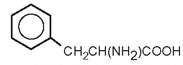
Brand names
Plenamine
Active ingredients
ALANINEARGININEASPARTIC ACIDGLUTAMIC ACIDGLYCINEHISTIDINEISOLEUCINELEUCINELYSINE ACETATEMETHIONINEPHENYLALANINEPROLINESERINETHREONINETRYPTOPHANTYROSINEVALINE
Indications
INDICATIONS AND USAGE Plenamine™ 15% is indicated as an amino acid (nitrogen) source in parenteral nutrition regimens. This use is appropriate when the enteral route is inadvisable, inadequate or not possible, as when: — Gastrointestinal absorption is impaired by obstruction, inflammatory disease or its complications, or antineoplastic therapy; — Bowel rest is needed because of gastrointestinal surgery or its complications such as ileus, fistulae or anastomotic leaks; — Tube feeding methods alone cannot provide adequate nutrition.
Dosage
DOSAGE AND ADMINISTRATION The appropriate daily dose of amino acids to be used with dextrose or with dextrose and intravenous fat emulsion will depend upon the metabolic status and clinical response of the patient as therapy proceeds. Doses which achieve nitrogen equilibrium or positive balance are the most desirable. The dosage on the first day should be approximately half the anticipated optimal dosage and should be increased gradually to minimize glycosuria; similarly, withdrawal should be accomplished gradually to avoid rebound hypoglycemia. Fat emulsion coadministration should be considered when prolonged (more than 5 days) parenteral nutrition is required in order to prevent essential fatty acid deficiency (EFAD). Serum lipids should be monitored for evidence of EFAD in patients maintained on fat free TPN. The amount administered is dosed on the basis of amino acids/kg of body weight/day. In general, two to three g/kg of body weight for neonates and infants with adequate calories are sufficient to satisfy protein needs and promote positive nitrogen balance. In pediatric patients, the final solution should not exceed twice normal serum osmolarity (718 mOsmol/L). DIRECTIONS FOR PROPER USE OF PHARMACY BULK PACKAGE Plenamine™ 15% in a Pharmacy Bulk Package is not intended for direct infusion. The container closure may be penetrated only once using a suitable unvented sterile transfer device or dispensing set which allows measured dispensing of the contents. The Pharmacy Bulk Package is to be used only in a suitable work area such as a laminar flow hood (or an equivalent clean air compounding area). Once the closure is penetrated, the contents should be dispensed as soon as possible; the transfer of contents must be completed within 4 hours of closure entry. The bag may be stored at room temperature (25°C) after the closure has been entered. When using Plenamine™ 15% in patients with a need for fluid volume restriction, it can be diluted as follows: Volume Amount Final Concentration Plenamine™ 15% 500 mL 75 g 7.5% Dextrose 70% 250 mL 175 g 17.5% Intralipid® 20% 250 mL 50 g 5.0% This will provide 1395 kilocalories (kcal) per 1000 mL of admixture with a ratio of 118 non-protein calories per gram of nitrogen and an osmolarity of 1559 mOsmol/L. In patients where the need for fluid restriction is not so marked, either of the following regimens may be used dependent upon the energy needs of the patient. Volume Amount Final Concentration Plenamine™ 15% 500 mL 75 g 3.75% Dextrose 50% 1000 mL 500 g 25% Intralipid® 20% 500 mL 100 g 5% This will provide 1500 kcal per 1000 mL of admixture with a ratio of 228 non-protein calories per gram of nitrogen and an osmolarity of 1631 mOsmol/L. Volume Amount Final Concentration Plenamine™ 15% 500 mL 75 g 3.75% Dextrose 30% 1000 mL 300 g 15% Intralipid® 10% 500 mL 50 g 2.5% This will provide 935 kcal per 1000 mL of admixture with a ratio of 158 non-protein calories per gram of nitrogen and an osmolarity of 1126 mOsmol/L. A. Total Parenteral Nutrition (Central Infusion) In unstressed adult patients with no unusual nitrogen losses, a minimum dosage of 0.1 gram nitrogen (4.2 mL of Plenamine™ 15%) plus 4.4 grams (15 calories) of dextrose per kilogram of body weight per day are required to achieve nitrogen balance and weight stability. Intravenous fat emulsion may be used as a partial substitute for dextrose. This regimen provides a ratio of 150 non-protein calories per gram of nitrogen. For patients stressed by surgery, trauma or sepsis, and those with unusual nitrogen losses, the dosage required for maintenance may be as high as 0.3 to 0.4 grams of nitrogen (13 to 17 mL Plenamine™ 15%) per kilogram of body weight per day, with proportionate increases in non-protein calories. Periodic assessment of nitrogen balance of the individual patient is the best indicator of proper dosage. Volume overload and glycosuria may be encountered at high dosage, and nitrogen balance may not be achieved in extremely hypermetabolic patients under these constraints. Concomitant insulin administration may be required to minimize glycosuria. Daily laboratory monitoring is essential. Use of an infusion pump is advisable to maintain a steady infusion rate during central venous infusion. B. Peripheral Nutrition In patients for whom central venous catheterization is not advisable, protein catabolism can be reduced by peripheral use of diluted Plenamine™ 15% plus non-protein calorie sources. Dilution of 250 mL Plenamine™ 15% in 750 mL of 10% dextrose will reduce the osmolarity to a level (724 mOsmol/L) which is more favorable to the maintenance of the integrity of the walls of the veins. Intravenous fat emulsion can be infused separately or simultaneously; if infused simultaneously the fat emulsion will provide a dilution effect upon the osmolarity while increasing the energy supply. Parenteral drug products should be inspected visually for particulate matter and discoloration prior to administration, whenever solution and container permit. To reduce the risk of bacterial contamination, all intravenous administration sets should be replaced at least every 24 hours. Usage of admixtures must be initiated within 24 hours after mixing. If storage is necessary during this 24 hour period, admixtures must be refrigerated and completely used within 24 hours of beginning administration.
Warnings
WARNINGS Administration of amino acids solutions at excessive rates or to patients with hepatic insufficiency may result in plasma amino acid imbalances, hyperammonemia, prerenal azotemia, stupor and coma. Conservative doses of amino acids should be given to these patients, dictated by the nutritional status of the patient. Should symptoms of hyperammonemia develop, amino acid administration should be discontinued and the patient's clinical status re-evaluated. WARNING: This product contains aluminum that may be toxic. Aluminum may reach toxic levels with prolonged parenteral administration if kidney function is impaired. Premature neonates are particularly at risk because their kidneys are immature, and they require large amounts of calcium and phosphate solutions, which contain aluminum. Research indicates that patients with impaired kidney function, including premature neonates, who receive parenteral levels of aluminum at greater than 4 to 5 mcg/kg/day accumulate aluminum at levels associated with central nervous system and bone toxicity. Tissue loading may occur at even lower rates of administration.
Contraindications
CONTRAINDICATIONS This solution should not be used in patients in hepatic coma, severe renal failure, metabolic disorders involving impaired nitrogen utilization or hypersensitivity to one or more amino acids.
Adverse reactions
ADVERSE REACTIONS (See WARNINGS , PRECAUTIONS and Special Precautions for Central Infusion .)
Mechanism of action
CLINICAL PHARMACOLOGY Plenamine™ 15% Amino Acids Injection provides seventeen crystalline amino acids. This completely utilizable substrate promotes protein synthesis and wound healing and reduces the rate of protein catabolism. A. Total Parenteral Nutrition (Central Infusion) When enteral feeding is inadvisable, Plenamine™ 15% given by central venous infusion in combination with energy sources, vitamins, trace elements and electrolytes, will completely satisfy the requirements for weight maintenance or weight gain, depending upon the dose selected. The energy component in parenteral nutrition by central infusion may be derived solely from dextrose or may be provided by a combination of dextrose and intravenous fat emulsion. The addition of intravenous fat emulsion provides essential fatty acids and permits a dietary balance of fat and carbohydrate, at the same time offering the option of reducing the dextrose load and/or increasing the total caloric input. An adequate energy supply is essential for optimal utilization of amino acids. B. Total Parenteral Nutrition (Peripheral Infusion) Plenamine™ 15% can also be administered as part of a total parenteral nutrition program by peripheral vein when the enteral route is inadvisable and use of the central venous catheter is contraindicated. Reduction of protein loss can be achieved by use of diluted Plenamine™ 15% in combination with dextrose or with dextrose and intravenous fat emulsion by peripheral infusion. Complete peripheral intravenous nutrition can be achieved in patients with low caloric requirements by a Plenamine™ 15% dextrose-fat regimen.
NDC examples
0264-4500
Treats these conditions
Source: openFDA + RxNorm · 2026
Look up another medication