Magnesium Sulfate in Water for
Managing this medication for someone you care for? Eleplan keeps diagnoses, medications and appointments in one plan.
Start free with EleplanMedication reference
Magnesium Sulfate in Water for
INTRAVENOUS
Magnesium Sulfate in Water for. INDICATIONS AND USAGE Magnesium sulfate in water for injection is indicated for the prevention and control of seizures in preeclampsia and eclampsia,
Brand names
Magnesium Sulfate
Active ingredients
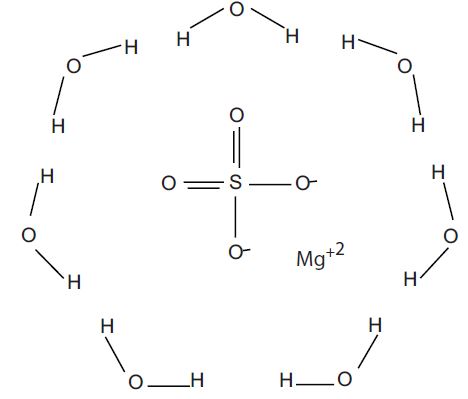
MAGNESIUM SULFATE HEPTAHYDRATE
Indications
INDICATIONS AND USAGE Magnesium sulfate in water for injection is indicated for the prevention and control of seizures in preeclampsia and eclampsia, respectively. When used judiciously it effectively prevents and controls the convulsions of eclampsia without producing deleterious depression of the central nervous system of the mother or infant. However, other effective drugs are available for this purpose.
Dosage
DOSAGE AND ADMINISTRATION Magnesium sulfate in water for injection is intended for intravenous use only. For the management of pre-eclampsia or eclampsia, intravenous infusions of dilute solutions of magnesium (1% to 8%) are often given in combination with intramuscular injections of 50% Magnesium Sulfate Injection, USP. Therefore, in the clinical conditions cited below, both forms of therapy are noted, as appropriate. Continuous maternal administration of magnesium sulfate in pregnancy beyond 5 to 7 days can cause fetal abnormalities. In Eclampsia In severe pre-eclampsia or eclampsia, the total initial dose is 10 g to 14 g of magnesium sulfate. To initiate therapy, 4 g of Magnesium sulfate in water for injection may be administered intravenously. The rate of intravenous infusion should generally not exceed 150 mg/minute, or 3.75 mL of a 4% concentration (or its equivalent) per minute, except in severe eclampsia with seizures. Simultaneously, 4 g to 5 g (32.5 mEq to 40.6 mEq) of magnesium sulfate may be administered intramuscularly into each buttock using undiluted 50% Magnesium Sulfate Injection, USP. After the initial intravenous dose, some clinicians administer 1 g/hour to 2 g/hour by constant intravenous infusion. Subsequent intramuscular doses of 4 g to 5 g of magnesium sulfate may be injected into alternate buttocks every four hours, depending on the continuing presence of the patellar reflex, adequate respiratory function, and absence of signs of magnesium toxicity. Therapy should continue until paroxysms cease. A serum magnesium level of 6 mg/100 mL is considered optimal for control of seizures. A total daily (24 hr) dose of 30 g to 40 g magnesium sulfate should not be exceeded. In the presence of severe renal insufficiency, frequent serum magnesium concentrations must be obtained and the maximum dosage of magnesium sulfate is 20 g per 48 hours. Parenteral drug products should be inspected visually for particulate matter and discoloration prior to administration, whenever solution and container permit. Do not administer unless solution is clear. Discard unused portion.
Warnings
WARNINGS FETAL HARM: Continuous administration of magnesium sulfate beyond 5 to 7 days to pregnant women can lead to hypocalcemia and bone abnormalities in the developing fetus. These bone abnormalities include skeletal demineralization and osteopenia. In addition, cases of neonatal fracture have been reported. The shortest duration of treatment that can lead to fetal harm is not known. Magnesium sulfate should be used during pregnancy only if clearly needed. If magnesium sulfate is given for treatment of preterm labor, the woman should be informed that the efficacy and safety of such use have not been established and that use of magnesium sulfate beyond 5 to 7 days may cause fetal abnormalities. Parenteral use in the presence of renal insufficiency may lead to magnesium intoxication.
Contraindications
CONTRAINDICATIONS Intravenous magnesium should not be given to mothers with toxemia of pregnancy during the two hours preceding delivery.
Adverse reactions
ADVERSE REACTIONS The adverse effects of parenterally administered magnesium usually are the result of magnesium intoxication. These include flushing, sweating, hypotension, depressed reflexes, flaccid paralysis, hypothermia, circulatory collapse, cardiac and central nervous system depression proceeding to respiratory paralysis. Hypocalcemia with signs of tetany secondary to magnesium sulfate therapy for eclampsia has been reported.
Mechanism of action
CLINICAL PHARMACOLOGY Magnesium (Mg ++ ) is an important cofactor for enzymatic reactions and plays an important role in neurochemical transmission and muscular excitability. Magnesium prevents or controls convulsions by blocking neuromuscular transmission and decreasing the amount of acetylcholine liberated at the end plate by the motor nerve impulse. Magnesium is said to have a depressant effect on the central nervous system, but it does not adversely affect the mother, fetus or neonate when used as directed in eclampsia or pre-eclampsia. Normal serum magnesium levels range from 1.3 mEq/liter to 2.1 mEq/liter. As serum magnesium rises above 4 mEq/liter, the deep tendon reflexes are first decreased and then disappear as the serum level approaches 10 mEq/liter. At this level respiratory paralysis may occur. Heart block also may occur at this or lower serum levels of magnesium. Magnesium acts peripherally to produce vasodilation. With low doses only flushing and sweating occur, but larger doses cause lowering of blood pressure. The central and peripheral effects of magnesium poisoning are antagonized to some extent by intravenous administration of calcium. With intravenous administration the onset of anticonvulsant action is immediate and lasts about 30 minutes. Following intramuscular administration the onset of action occurs in about one hour and persists for three to four hours. Effective anticonvulsant serum levels range from 2.5 mEq/liter to 7.5 mEq/liter. Pharmacokinetics: Absorption: Intravenously administered magnesium is immediately absorbed. Distribution: Approximately 1% to 2% of total body magnesium is located in the extracellular fluid space. Magnesium is 30% bound to albumin. Metabolism: Magnesium is not metabolized. Excretion: Magnesium is excreted solely by the kidney at a rate proportional to the serum concentration and glomerular filtration. Special Populations: Renal Insufficiency: Magnesium is excreted solely by the kidney. In patients with severe renal insufficiency, the dose should be lower and frequent serum magnesium levels must be obtained (see DOSAGE AND ADMINISTRATION ). Hepatic Insufficiency: Magnesium is excreted solely by the kidney. No dosing adjustments are necessary in hepatic insufficiency. Drug-Drug Interactions: Drug induced renal losses of magnesium occur with the following drugs or drug classes: Aminoglycosides Cyclosporine Digitalis Alcohol Amphotericin B Diuretics Cisplatin
NDC examples
70121-171970121-1720
Treats these conditions
Source: openFDA + RxNorm · 2026
Look up another medication