Memantine
Managing this medication for someone you care for? Eleplan keeps diagnoses, medications and appointments in one plan.
Start free with EleplanMedication reference
Memantine
ORAL
Memantine. INDICATIONS AND USAGE Memantine hydrochloride extended-release capsules are indicated for the treatment of moderate to severe dementia of the…
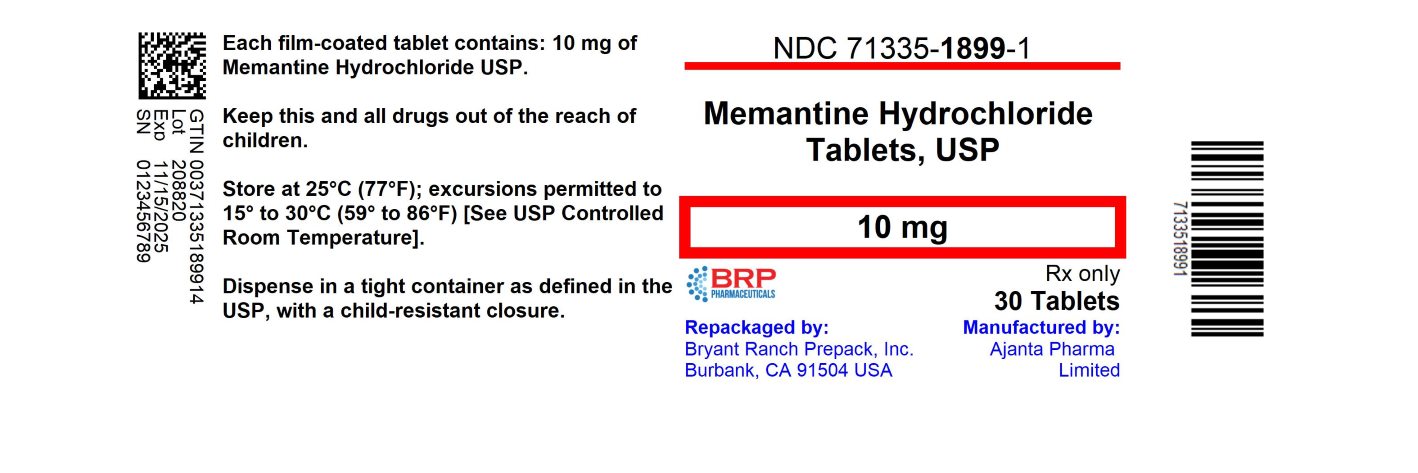
Brand names
Memantine hydrochlorideMemantinememantineMemantine Hydrochloridememantine hydrochlorideMEMANTINE HYDROCHLORIDEMEMANTINEMemantine HCL
Active ingredients
MEMANTINE HYDROCHLORIDE
Indications
INDICATIONS AND USAGE Memantine hydrochloride extended-release capsules are indicated for the treatment of moderate to severe dementia of the Alzheimer’s type. Memantine hydrochloride extended-release capsules are an N-methyl-D-aspartate (NMDA) receptor antagonist indicated for the treatment of moderate to severe dementia of the Alzheimer’s type. ( 1 )
Dosage
DOSAGE AND ADMINISTRATION The recommended starting dose of memantine hydrochloride extended-release capsules is 7 mg once daily; the dose should be increased in 7 mg increments to the recommended maintenance dose of 28 mg once daily; the minimum recommended interval between dose increases is one week. ( 2.1 ) Patients with severe renal impairment: the recommended maintenance dose of memantine hydrochloride extended-release capsules is 14 mg once daily. ( 2.3 ) 2.1 Recommended Dosing The dosage of memantine hydrochloride extended-release capsules shown to be effective in a controlled clinical trial is 28 mg once daily. The recommended starting dose of memantine hydrochloride extended-release capsules is 7 mg once daily. The dose should be increased in 7 mg increments to the recommended maintenance dose of 28 mg once daily. The minimum recommended interval between dose increases is one week. The dose should only be increased if the previous dose has been well tolerated. The maximum recommended dose is 28 mg once daily. Memantine hydrochloride extended-release capsules can be taken with or without food. Memantine hydrochloride extended-release capsules can be taken intact or may be opened, sprinkled on applesauce, and thereby swallowed. The entire contents of each memantine hydrochloride extended-release capsule should be consumed; the dose should not be divided. Except when opened and sprinkled on applesauce, as described above, memantine hydrochloride extended-release capsules should be swallowed whole. Memantine hydrochloride extended-release capsules should not be divided, chewed, or crushed. If a patient misses a single dose of memantine hydrochloride extended-release capsules, that patient should not double up on the next dose. The next dose should be taken as scheduled. If a patient fails to take memantine hydrochloride extended-release capsules for several days, dosing may need to be resumed at lower doses and retitrated as described above. 2.2 Switching from Memantine Hydrochloride Tablets to Memantine Hydrochloride Extended-Release Capsules Patients treated with memantine hydrochloride tablets may be switched to memantine hydrochloride extended-release capsules as follows: It is recommended that a patient who is on a regimen of 10 mg twice daily of memantine hydrochloride tablets be switched to memantine hydrochloride extended-release capsules 28 mg once daily capsules the day following the last dose of 10 mg memantine hydrochloride tablets. There is no study addressing the comparative efficacy of these 2 regimens. In a patient with severe renal impairment, it is recommended that a patient who is on a regimen of 5 mg twice daily of memantine hydrochloride tablets be switched to memantine hydrochloride extended-release capsules 14 mg once daily capsules the day following the last dose of 5 mg memantine hydrochloride tablets. 2.3 Dosing in Patients with Renal Impairment In patients with severe renal impairment (creatinine clearance of 5 to 29 mL/min, based on the Cockcroft-Gault equation), the recommended maintenance dose (and maximum recommended dose) is 14 mg/day [see Clinical Pharmacology ( 12.3 )] .
Warnings
WARNINGS AND PRECAUTIONS Conditions that raise urine pH may decrease the urinary elimination of memantine, resulting in increased plasma levels of memantine. ( 5.1 , 7.1 ) 5.1 Genitourinary Conditions Conditions that raise urine pH may decrease the urinary elimination of memantine resulting in increased plasma levels of memantine [see Drug Interactions ( 7.1 )] . 5.1 Genitourinary Conditions Conditions that raise urine pH may decrease the urinary elimination of memantine resulting in increased plasma levels of memantine [see Drug Interactions ( 7.1 )] .
Contraindications
CONTRAINDICATIONS Memantine hydrochloride extended-release capsules are contraindicated in patients with known hypersensitivity to memantine hydrochloride or to any excipients used in the formulation . •Memantine hydrochloride extended-release capsules are contraindicated in patients with known hypersensitivity to memantine hydrochloride or to any excipients used in the formulation.( 4 )
Drug interactions
DRUG INTERACTIONS 7.1 Drugs that Make the Urine Alkaline The clearance of memantine was reduced by about 80% under alkaline urine conditions at pH 8. Therefore, alterations of urine pH towards the alkaline condition may lead to an accumulation of the drug with a possible increase in adverse effects. Urine pH is altered by diet, drugs (e.g. carbonic anhydrase inhibitors, sodium bicarbonate) and clinical state of the patient (e.g. renal tubular acidosis or severe infections of the urinary tract). Hence, memantine should be used with caution under these conditions. 7.2 Use with Other N-methyl-D-aspartate (NMDA) Antagonists The combined use of memantine hydrochloride with other NMDA antagonists (amantadine, ketamine, and dextromethorphan) has not been systematically evaluated and such use should be approached with caution. 7.1 Drugs that Make the Urine Alkaline The clearance of memantine was reduced by about 80% under alkaline urine conditions at pH 8. Therefore, alterations of urine pH towards the alkaline condition may lead to an accumulation of the drug with a possible increase in adverse effects. Urine pH is altered by diet, drugs (e.g. carbonic anhydrase inhibitors, sodium bicarbonate) and clinical state of the patient (e.g. renal tubular acidosis or severe infections of the urinary tract). Hence, memantine should be used with caution under these conditions. 7.2 Use with Other N-methyl-D-aspartate (NMDA) Antagonists The combined use of memantine hydrochloride with other NMDA antagonists (amantadine, ketamine, and dextromethorphan) has not been systematically evaluated and such use should be approached with caution.
Adverse reactions
ADVERSE REACTIONS Most common adverse reactions (≥ 5 % and greater than placebo) are dizziness, headache, confusion and constipation. ( 6.1 ) To report SUSPECTED ADVERSE REACTIONS, contact Ajanta Pharma USA Inc. at 855-664-7744 or FDA at 1-800-FDA-1088 or www.fda.gov/medwatch . 6.1 Clinical Trials Experience Memantine hydrochloride was evaluated in eight double-blind placebo-controlled trials involving a total of 1862 dementia (Alzheimer’s disease, vascular dementia) patients (940 patients treated with memantine hydrochloride and 922 patients treated with placebo) for a treatment period up to 28 weeks. Because clinical trials are conducted under widely varying conditions, adverse reaction rates observed in the clinical trials of a drug cannot be directly compared to rates in the clinical trials of another drug and may not reflect the rates observed in clinical practice. Adverse Events Leading to Discontinuation In placebo-controlled trials in which dementia patients received doses of memantine hydrochloride up to 20 mg/day, the likelihood of discontinuation because of an adverse reaction was the same in the memantine hydrochloride group (10.1%) as in the placebo group (11.5%). No individual adverse reaction was associated with the discontinuation of treatment in 1% or more of memantine hydrochloride-treated patients and at a rate greater than placebo. Most Common Adverse Reactions In double-blind placebo-controlled trials involving dementia patients, the most common adverse reactions (incidence ≥ 5% and higher than placebo) in patients treated with memantine hydrochloride were dizziness, headache, confusion and constipation. Table 1 lists all adverse reactions that occurred in at least 2% of patients treated with memantine hydrochloride and at an incidence greater than placebo. Table 1: Adverse Reactions Reported in Controlled Clinical Trials in at Least 2% of Patients Receiving Memantine hydrochloride and at a Higher Frequency than Placebo-treated Patients Adverse Reaction Placebo (N = 922) % Memantine hydrochloride (N = 940) % Body as a Whole Fatigue 1 2 Pain 1 3 Cardiovascular System Hypertension 2 4 Central and Peripheral Nervous System Dizziness 5 7 Headache 3 6 Gastrointestinal System Constipation 3 5 Vomiting 2 3 Musculoskeletal System Back pain 2 3 Psychiatric Disorders Confusion 5 6 Somnolence 2 3 Hallucination 2 3 Respiratory System Coughing 3 4 Dyspnea 1 2 The overall profile of adverse reactions and the incidence rates for individual adverse reactions in the subpopulation of patients with moderate to severe Alzheimer’s disease were not different from the profile and incidence rates described above for the overall dementia population. Seizures Memantine hydrochloride has not been systematically evaluated in patients with a seizure disorder. In clinical trials of memantine hydrochloride, seizures occurred in 0.2% of patients treated with memantine hydrochloride and 0.5% of patients treated with placebo. 6.2 Postmarketing Experience The following adverse reactions have been identified during post-approval use of memantine. Because these reactions are reported voluntarily from a population of uncertain size, it is not always possible to reliably estimate their frequency or establish a causal relationship to drug exposure. These reactions include: Blood and Lymphatic System Disorders - agranulocytosis, leukopenia (including neutropenia), pancytopenia, thrombocytopenia, thrombotic thrombocytopenic purpura. Cardiac Disorders - cardiac failure congestive. Gastrointestinal Disorders - pancreatitis. Hepatobiliary Disorders - hepatitis. Psychiatric Disorders - suicidal ideation. Renal and Urinary Disorders - acute renal failure (including increased creatinine and renal insufficiency). Skin Disorders -Stevens Johnson syndrome. 6.1 Clinical Trials Experience Memantine hydrochloride was evaluated in eight double-blind placebo-controlled trials involving a total of 1862 dementia (Alzheimer’s disease, vascular dementia) patients (940 patients treated with memantine hydrochloride and 922 patients treated with placebo) for a treatment period up to 28 weeks. Because clinical trials are conducted under widely varying conditions, adverse reaction rates observed in the clinical trials of a drug cannot be directly compared to rates in the clinical trials of another drug and may not reflect the rates observed in clinical practice. Adverse Events Leading to Discontinuation In placebo-controlled trials in which dementia patients received doses of memantine hydrochloride up to 20 mg/day, the likelihood of discontinuation because of an adverse reaction was the same in the memantine hydrochloride group (10.1%) as in the placebo group (11.5%). No individual adverse reaction was associated with the discontinuation of treatment in 1% or more of memantine hydrochloride-treated patients and at a rate greater than placebo. Most Common Adverse Reactions In double-blind placebo-controlled trials involving dementia patients, the most common adverse reactions (incidence ≥ 5% and higher than placebo) in patients treated with memantine hydrochloride were dizziness, headache, confusion and constipation. Table 1 lists all adverse reactions that occurred in at least 2% of patients treated with memantine hydrochloride and at an incidence greater than placebo. Table 1: Adverse Reactions Reported in Controlled Clinical Trials in at Least 2% of Patients Receiving Memantine hydrochloride and at a Higher Frequency than Placebo-treated Patients Adverse Reaction Placebo (N = 922) % Memantine hydrochloride (N = 940) % Body as a Whole Fatigue 1 2 Pain 1 3 Cardiovascular System Hypertension 2 4 Central and Peripheral Nervous System Dizziness 5 7 Headache 3 6 Gastrointestinal System Constipation 3 5 Vomiting 2 3 Musculoskeletal System Back pain 2 3 Psychiatric Disorders Confusion 5 6 Somnolence 2 3 Hallucination 2 3 Respiratory System Coughing 3 4 Dyspnea 1 2 The overall profile of adverse reactions and the incidence rates for individual adverse reactions in the subpopulation of patients with moderate to severe Alzheimer’s disease were not different from the profile and incidence rates described above for the overall dementia population. Seizures Memantine hydrochloride has not been systematically evaluated in patients with a seizure disorder. In clinical trials of memantine hydrochloride, seizures occurred in 0.2% of patients treated with memantine hydrochloride and 0.5% of patients treated with placebo. 6.2 Postmarketing Experience The following adverse reactions have been identified during post-approval use of memantine. Because these reactions are reported voluntarily from a population of uncertain size, it is not always possible to reliably estimate their frequency or establish a causal relationship to drug exposure. These reactions include: Blood and Lymphatic System Disorders - agranulocytosis, leukopenia (including neutropenia), pancytopenia, thrombocytopenia, thrombotic thrombocytopenic purpura. Cardiac Disorders - cardiac failure congestive. Gastrointestinal Disorders - pancreatitis. Hepatobiliary Disorders - hepatitis. Psychiatric Disorders - suicidal ideation. Renal and Urinary Disorders - acute renal failure (including increased creatinine and renal insufficiency). Skin Disorders -Stevens Johnson syndrome.
Mechanism of action
CLINICAL PHARMACOLOGY 12.1 Mechanism of Action Persistent activation of central nervous system N-methyl-D-aspartate (NMDA) receptors by the excitatory amino acid glutamate has been hypothesized to contribute to the symptomatology of Alzheimer’s disease. Memantine is postulated to exert its therapeutic effect through its action as a low to moderate affinity uncompetitive (open-channel) NMDA receptor antagonist which binds preferentially to the NMDA receptor-operated cation channels. There is no evidence that memantine prevents or slows neurodegeneration in patients with Alzheimer’s disease. 12.2 Pharmacodynamics Memantine showed low to negligible affinity for GABA, benzodiazepine, dopamine, adrenergic, histamine and glycine receptors and for voltage-dependent Ca 2+ , Na + or K + channels. Memantine also showed antagonistic effects at the 5HT3 receptor with a potency similar to that for the NMDA receptor and blocked nicotinic acetylcholine receptors with one-sixth to one-tenth the potency. I n vitro studies have shown that memantine does not affect the reversible inhibition of acetylcholinesterase by donepezil, galantamine, or tacrine. 12.3 Pharmacokinetics Absorption Following oral administration memantine is highly absorbed with peak concentrations reached in about 3 to 7 hours. Memantine has linear pharmacokinetics over the therapeutic dose range. Food has no effect on the absorption of memantine. Distribution The mean volume of distribution of memantine is 9 to 11 L/kg and the plasma protein binding is low (45%). Metabolism Memantine undergoes partial hepatic metabolism. The hepatic microsomal CYP450 enzyme system does not play a significant role in the metabolism of memantine. Elimination Memantine is excreted predominantly (about 48%) unchanged in urine and has a terminal elimination half- life of about 60 to 80 hours. The remainder is converted primarily to three polar metabolites which possess minimal NMDA receptor antagonistic activity: the N-glucuronide conjugate, 6-hydroxy memantine, and 1-nitroso deaminated memantine. A total of 74% of the administered dose is excreted as the sum of the parent drug and the N-glucuronide conjugate. Renal clearance involves active tubular secretion moderated by pH dependent tubular reabsorption. Pharmacokinetics in Specific Populations Gender Following multiple dose administration of memantine hydrochloride 20 mg daily, females had about 45% higher exposure than males, but there was no difference in exposure when body weight was taken into account. Elderly The pharmacokinetics of memantine hydrochloride in young and elderly subjects are similar. Renal Impairment Memantine pharmacokinetics were evaluated following single oral administration of 20 mg memantine hydrochloride in 8 subjects with mild renal impairment (creatinine clearance, CLcr, >50 to 80 mL/min), 8 subjects with moderate renal impairment (CLcr 30 to 49 mL/min), 7 subjects with severe renal impairment (CLcr 5 to 29 mL/min) and 8 healthy subjects (CLcr > 80 mL/min) matched as closely as possible by age, weight and gender to the subjects with renal impairment. Mean AUC 0- ∞ increased by 4%, 60%, and 115% in subjects with mild, moderate, and severe renal impairment, respectively, compared to healthy subjects. The terminal elimination half-life increased by 18%, 41%, and 95% in subjects with mild, moderate, and severe renal impairment, respectively, compared to healthy subjects. No dosage adjustment is recommended for patients with mild and moderate renal impairment. Dosage should be reduced in patients with severe renal impairment [see Dosage and Administration ( 2 )] . Hepatic Impairment Memantine pharmacokinetics were evaluated following the administration of single oral doses of 20 mg in 8 subjects with moderate hepatic impairment (Child-Pugh Class B, score 7 to 9) and 8 subjects who were age-, gender-, and weight-matched to the hepatically-impaired subjects. There was no change in memantine exposure (based on C max and AUC) in subjects with moderate hepatic impairment as compared with healthy subjects. However, terminal elimination half-life increased by about 16% in subjects with moderate hepatic impairment as compared with healthy subjects. No dose adjustment is recommended for patients with mild and moderate hepatic impairment. Memantine should be administered with caution to patients with severe hepatic impairment as the pharmacokinetics of memantine have not been evaluated in that population. Drug-Drug Interactions Use with Cholinesterase Inhibitors Coadministration of memantine with the AChE inhibitor donepezil hydrochloride did not affect the pharmacokinetics of either compound. Furthermore, memantine did not affect AChE inhibition by donepezil. In a 24-week controlled clinical study in patients with moderate to severe Alzheimer’s disease, the adverse event profile observed with a combination of memantine hydrochloride and donepezil was similar to that of donepezil alone. Effect of Memantine on the Metabolism of Other Drugs I n vitro studies conducted with marker substrates of CYP450 enzymes (CYP1A2, -2A6, -2C9, 2D6, -2E1, -3A4) showed minimal inhibition of these enzymes by memantine. In addition, in vitro studies indicate that at concentrations exceeding those associated with efficacy, memantine does not induce the cytochrome P450 isozymes CYP1A2, -2C9, -2E1 and -3A4/5. No pharmacokinetic interactions with drugs metabolized by these enzymes are expected. Pharmacokinetic studies evaluated the potential of memantine for interaction with warfarin, and buproprion. Memantine did not affect the pharmacokinetics of the CYP2B6 substrate buproprion or its metabolite hydroxy-buproprion. Furthermore, memantine did not affect the pharmacokinetics or pharmacodynamics of warfarin as assessed by the prothrombin INR. Effect of Other Drugs on Memantine Memantine is predominantly renally eliminated, and drugs that are substrates and/or inhibitors of the CYP450 system are not expected to alter the metabolism of memantine. Drugs Eliminated via Renal Mechanisms Because memantine is eliminated in part by tubular secretion, coadministration of drugs that use the same renal cationic system, including hydrochlorothiazide (HCTZ), triamterene (TA), metformin, cimetidine, ranitidine, quinidine, and nicotine, could potentially result in altered plasma levels of both agents. However, coadministration of memantine and HCTZ/TA did not affect the bioavailability of either memantine or TA, and the bioavailability of HCTZ decreased by 20%. In addition, coadministration of memantine with the antihyperglycemic drug Glucovance ® (glyburide and metformin hydrochloride) did not affect the pharmacokinetics of memantine, metformin and glyburide. Furthermore, memantine did not modify the serum glucose lowering effect of Glucovance ® , indicating the absence of a pharmacodynamic interaction. Drugs Highly Bound to Plasma Proteins Because the plasma protein binding of memantine is low (45%), an interaction with drugs that are highly bound to plasma proteins, such as warfarin and digoxin, is unlikely.
Available forms (14)
24 HR memantine hydrochloride 14 MG Extended Release Oral Capsule24 HR memantine hydrochloride 21 MG Extended Release Oral Capsule24 HR memantine hydrochloride 28 MG Extended Release Oral Capsule24 HR memantine hydrochloride 7 MG Extended Release Oral Capsulememantine hydrochloride 10 MG Oral Tabletmemantine hydrochloride 20 MG Oral Tabletmemantine hydrochloride 2 MG/ML Oral Solutionmemantine hydrochloride 5 MG Oral Tablet24 HR memantine hydrochloride 14 MG Extended Release Oral Capsule [Namenda]brand24 HR memantine hydrochloride 21 MG Extended Release Oral Capsule [Namenda]brand24 HR memantine hydrochloride 28 MG Extended Release Oral Capsule [Namenda]brand24 HR memantine hydrochloride 7 MG Extended Release Oral Capsule [Namenda]brandmemantine hydrochloride 10 MG Oral Tablet [Namenda]brandmemantine hydrochloride 5 MG Oral Tablet [Namenda]brand
NDC examples
53746-16953746-17360687-17360687-1840615-831962135-89562135-89672603-11872603-11916571-85216571-85316571-854
Indicated ICD-10 codes
Treats these conditions
Assistance programs
Adult Day Care ProgramConnecticut Statewide Respite ProgramMissing Alzheimer's Disease Patient Assistance ProgramOhio Family Caregiver Support ProgramWashington Family Caregiver Support ProgramAlzheimer’s Care and SupportAlzheimer’s Disease Education and Referral Center (ADEAR)Alzheimer’s Disease & Other Memory Disorders ProgramCare Coordination: Alzheimer’s Resources of AlaskaServices for Alzheimer’s PatientsAABD Cash AssistanceACL Assistive Technology
Source: openFDA + RxNorm · 2026
Look up another medication