Methenamine, Sodium Phosphate, Monobasic, Monohydrate, Phenyl Salicylate, Methylene Blue, and Hyoscyamine Sulfate
Managing this medication for someone you care for? Eleplan keeps diagnoses, medications and appointments in one plan.
Start free with EleplanMedication reference
Methenamine, Sodium Phosphate, Monobasic, Monohydrate, Phenyl Salicylate, Methylene Blue, and Hyoscyamine Sulfate
ORAL
Methenamine, Sodium Phosphate, Monobasic, Monohydrate, Phenyl Salicylate, Methylene Blue, and Hyoscyamine Sulfate. INDICATIONS AND USAGE MB CAPS is indicated for the treatment of symptoms of irritative voiding. Indicated for the relief of local symptoms, such as…
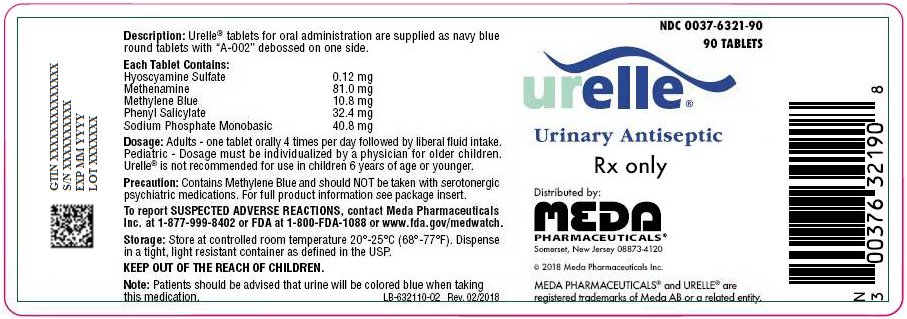
Brand names
MB CAPS
Active ingredients
HYOSCYAMINE SULFATEMETHENAMINEMETHYLENE BLUEPHENYL SALICYLATESODIUM PHOSPHATE, MONOBASIC, MONOHYDRATE
Indications
INDICATIONS AND USAGE MB CAPS is indicated for the treatment of symptoms of irritative voiding. Indicated for the relief of local symptoms, such as inflammation, hypermotility, and pain, which accompany lower urinary tract infections. Indicated for the relief of urinary tract symptoms caused by diagnostic procedures.
Dosage
DOSAGE AND ADMINISTRATION Adults: One capsule orally 4 times per day followed by liberal fluid intake. Pediatric: Dosage must be individualized by physician for older children. Not recommended for use in children six years of age or younger.
Warnings
WARNINGS Do not exceed recommended dosage. If rapid pulse, dizziness, or blurring of vision occurs, discontinue use immediately . KEEP THIS AND ALL MEDICATIONS OUT OF THE REACH OF CHILDREN. IN CASE OF ACCIDENTAL OVERDOSE, SEEK PROFESSIONAL ASSISTANCE OR CONTACT A POISON CONTROL CENTER IMMEDIATELY.
Contraindications
CONTRAINDICATIONS MB CAPS is contraindicated in patients with a hypersensitivity to any of the ingredients. Risk-benefit should be considered when the following medical problems exist: Cardiac disease (especially cardiac arrhythmias, congestive heart failure, coronary heart disease, and mitral stenosis); gastrointestinal tract obstructive disease; glaucoma; myasthenia gravis; acute urinary retention may be precipitated in obstructive uropathy (such as bladder neck obstruction due to prostatic hypertrophy).
Drug interactions
DRUG INTERACTIONS Drug Interactions Although the exact mechanism of this drug interaction is unknown, methylene blue inhibits the action of monoamine oxidase A— an enzyme responsible for breaking down serotonin in the brain. It is believed that when methylene blue is given to patients taking serotonergic psychiatric medications, high levels of serotonin can build up in the brain, causing toxicity. This is referred to as Serotonin Syndrome. Signs and symptoms of Serotonin Syndrome include mental changes (confusion, hyperactivity, memory problems), muscle twitching, excessive sweating, shivering or shaking, diarrhea, trouble with coordination, and/or fever. Additional Information for Healthcare Professionals Methylene blue can interact with serotonergic psychiatric medications and cause serious CNS toxicity. In emergency situations requiring life-threatening or urgent treatment with methylene blue (as described above), the availability of alternative interventions should be considered and the benefit of methylene blue treatment should be weighed against the risk of serotonin toxicity. If methylene blue must be administered to a patient receiving a serotonergic drug, the serotonergic drug must be immediately stopped, and the patient should be closely monitored for emergent symptoms of CNS toxicity for two weeks (five weeks if fluoxetine [Prozac] was taken), or until 24 hours after the last dose of methylene blue, whichever comes first. In non-emergency situations when non-urgent treatment with methylene blue is contemplated and planned, the serotonergic psychiatric medication should be stopped to allow its activity in the brain to dissipate. Most serotonergic psychiatric drugs should be stopped at least 2 weeks in advance of methylene blue treatment. Fluoxetine (Prozac), which has a longer half-life compared to similar drugs, should be stopped at least 5 weeks in advance. Treatment with the serotonergic psychiatric medication may be resumed 24 hours after the last dose of methylene blue. Serotonergic psychiatric medications should not be started in a patient receiving methylene blue. Wait until 24 hours after the last dose of methylene blue before starting the antidepressant. Educate your patients to recognize the symptoms of serotonin toxicity or CNS toxicity and advise them to contact a healthcare professional immediately if they experience any symptoms while taking serotonergic psychiatric medications or methylene blue. As a result of hyoscyamine's effects on gastrointestinal motility and gastric emptying, absorption of other oral medications may be decreased during concurrent use with this combination medication. Urinary alkalizers and thiazide diuretics May cause the urine to become alkaline reducing the effectiveness of methenamine by inhibiting its conversion to formaldehyde. Antimuscarinics Concurrent use may intensify antimuscarinic effects of hyoscyamine because of secondary antimuscarinic activities of these medications. Antacids/antidiarrheals Concurrent use may reduce absorption of hyoscyamine resulting in decreased therapeutic effectiveness. Concurrent use with antacids may cause urine to become alkaline reducing the effectiveness of methenamine by inhibiting its conversion to formaldehyde. Doses of these medications should be spaced 1 hour apart from doses of hyoscyamine. Antimyasthenics Concurrent use with hyoscyamine may further reduce intestinal motility, therefore, caution is recommended. Ketoconazole and hyoscyamine may cause increased gastrointestinal pH. Concurrent administration with hyoscyamine may result in marked reduction in the absorption of ketoconazole. Patients should be advised to take this combination at least 2 hours after ketoconazole. Monoamine oxidase (MAO) inhibitors Concurrent use with hyoscyamine may intensify antimuscarinic side effects. Opioid (narcotic) analgesics may result in increased risk of severe constipation. Sulfonamides These drugs may precipitate with formaldehyde in the urine increasing the danger of crystalluria. Patients should be advised that the urine and/or stools may become blue to blue-green as a result of the excretion of methylene blue.
Adverse reactions
ADVERSE REACTIONS Cardiovascular - rapid pulse, flushing Central Nervous System - blurred vision, dizziness, drowsiness Respiratory - shortness of breath or troubled breathing Genitourinary - difficult micturition, acute urinary retention Gastrointestinal - dry mouth, nausea and vomiting Serious allergic reactions to this drug are rare. Seek immediate medical attention if you notice symptoms of a serious allergic reaction, including itching, rash, severe dizziness, swelling or trouble breathing. This medication can cause urine and sometimes stools to turn blue to blue-green. This effect is harmless and will subside after medication is stopped. Call your doctor or physician for medical advice about side effects. To report SUSPECTED ADVERSE REACTIONS, contact Allegis Pharmaceuticals, LLC at 1-866-633-9033, or FDA at 1-800-FDA-1088, www.fda.gov/medwatch.
Mechanism of action
CLINICAL PHARMACOLOGY METHENAMINE degrades in an acidic urine environment releasing formaldehyde which provides bactericidal or bacteriostatic action. It is well absorbed from the gastrointestinal tract. 70 to 90% reaches the urine unchanged at which point it is hydrolyzed if the urine is acidic. Within 24 hours it is almost completely (90%) excreted; of this amount at pH 5, approximately 20% is formaldehyde. Protein binding - some formaldehyde is bound to substances in the urine and surrounding tissues. Methenamine is freely distributed to body tissue and fluids but is not clinically significant as it does not hydrolyze at a pH greater than 6.8. SODIUM PHOSPHATE MONOBASIC an acidifier, helps to maintain an acid pH in the urine necessary for the degradation of methenamine. PHENYL SALICYLATE releases salicylate, a mild analgesic for pain. METHYLENE BLUE possesses weak antiseptic properties. It is well absorbed by the gastrointestinal tract and is rapidly reduced to leukomethylene blue which is stabilized in some combination form in the urine. 75% is excreted unchanged. HYOSCYAMINE SULFATE is a parasympatholytic drug which relaxes smooth muscles and thus produces an antispasmotic effect. It is well absorbed from the gastrointestinal tract and is rapidly distributed throughout the body tissues. Most is excreted in the urine within 12 hours, 13% to 50% being unchanged. Protein binding for hyoscyamine sulfate is moderate and biotransformation is hepatic.
NDC examples
28595-299
Treats these conditions
Source: openFDA + RxNorm · 2026
Look up another medication