Mometasone
Managing this medication for someone you care for? Eleplan keeps diagnoses, medications and appointments in one plan.
Start free with EleplanMedication reference
Mometasone
Corticosteroid [EPC] — TOPICAL · RESPIRATORY (INHALATION) · NASAL
Mometasone — Corticosteroid [EPC]. INDICATIONS AND USAGE Mometasone Furoate Monohydrate Nasal Spray is a corticosteroid indicated for: Prophylaxis of Nasal Symptoms of Seasonal…
Brand names
Mometasone FuroateASMANEX HFAASMANEXMOMETASONE FUROATEMOMETASONE FUROATE MONOHYDRATE
Active ingredients
MOMETASONE FUROATEMOMETASONEMOMETASONE FUROATE MONOHYDRATE
Indications
INDICATIONS AND USAGE Mometasone Furoate Monohydrate Nasal Spray is a corticosteroid indicated for: Prophylaxis of Nasal Symptoms of Seasonal Allergic Rhinitis in adult and pediatric patients 12 years of age and older ( 1.1 ) Treatment of Chronic Rhinosinusitis with Nasal Polyps in adult patients 18 years of age and older ( 1.2 ) 1.1 Prophylaxis of Seasonal Allergic Rhinitis Mometasone furoate monohydrate nasal spray is indicated for the prophylaxis of the nasal symptoms of seasonal allergic rhinitis in adult and pediatric patients 12 years and older. 1.2 Treatment of Chronic Rhinosinusitis with Nasal Polyps Mometasone furoate monohydrate nasal spray is indicated for the treatment of chronic rhinosinusitis with nasal polyps in adult patients 18 years of age and older.
Dosage
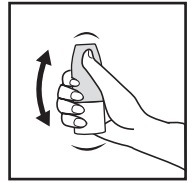
DOSAGE AND ADMINISTRATION For oral inhalation only. ( 2.1 ) Treatment of asthma in patients 12 years of age and older: 2 inhalations twice daily of ASMANEX HFA 100 mcg or 200 mcg. Starting dosage is based on prior asthma therapy. ( 2.2 ) Treatment of asthma in patients aged 5 to less than 12 years: 2 inhalations twice daily of ASMANEX HFA 50 mcg. ( 2.2 ) 2.1 Administration Information Administer ASMANEX HFA only by the orally inhaled route [see Instructions for Use in the Patient Information leaflet ] . After each dose, advise patients to rinse their mouth with water and, without swallowing, spit out the contents to help reduce the risk of oropharyngeal candidiasis. Remove the cap from the mouthpiece of the actuator before using ASMANEX HFA. Prime ASMANEX HFA before using for the first time by releasing 4 test sprays into the air, away from the face, shaking well before each spray. In cases where the inhaler has not been used for more than 5 days, prime the inhaler again by releasing 4 test sprays into the air, away from the face, shaking well before each spray. Only use the ASMANEX HFA canister with the ASMANEX HFA actuator. Do not use the ASMANEX HFA actuator with any other inhalation drug product. Do not use actuators from other products with the ASMANEX HFA canister. 2.2 Recommended Dosage Administer ASMANEX HFA as two inhalations twice daily every day (morning and evening) by the orally inhaled route. Shake well prior to each inhalation. If symptoms arise between doses, use an inhaled short-acting beta 2 -agonist for immediate relief. The maximum benefit may not be achieved for 1 week or longer after beginning treatment. Individual patients may experience a variable time to onset and degree of symptom relief. Adult and Adolescent Patients Aged 12 Years and Older For patients 12 years of age and older, the dosage is either 2 inhalations twice daily of ASMANEX HFA 100 mcg or 200 mcg. The starting dosage is based on previous asthma therapy and disease severity, including considerations of the patients' current control of asthma symptoms and risk of future exacerbations. The recommended starting dosage for patients 12 years of age and older who are not on an inhaled corticosteroid is ASMANEX HFA 100 mcg, 2 inhalations twice daily. It is recommended that patients currently receiving chronic oral corticosteroid therapy (e.g., prednisone) begin with ASMANEX HFA 200 mcg (2 inhalations twice daily). For patients who do not respond adequately to the initial dosage after 2 weeks of therapy, increasing the dosage may provide additional asthma control. The maximum daily recommended dose is two inhalations of ASMANEX HFA 200 mcg twice daily (maximum of 800 mcg a day). After asthma stability has been achieved, it may be desirable to titrate to the lowest effective dosage to reduce the possibility of side effects. If a dosage regimen of ASMANEX HFA fails to provide adequate control of asthma, re-evaluate the therapeutic regimen and consider additional therapeutic options, e.g., replacing the current strength of ASMANEX HFA with a higher strength, initiating an inhaled corticosteroid and long-acting beta 2 -agonist combination product, or initiating oral corticosteroids. Pediatric Patients Aged 5 to Less Than 12 Years For patients aged 5 to less than 12 years, the dosage is 2 inhalations of ASMANEX HFA 50 mcg twice daily. The maximum daily dosage is 200 mcg.
Warnings
WARNINGS AND PRECAUTIONS Deterioration of asthma and acute episodes: ASMANEX HFA should not be used for relief of acute symptoms. Patients require immediate re-evaluation during rapidly deteriorating asthma. ( 5.1 ) Localized infections: Candida albicans infection of the mouth and throat may occur. Monitor patients periodically for signs of adverse effects on the oral cavity. After dosing, advise patients to rinse their mouth with water and spit out contents without swallowing. ( 5.2 ) Immunosuppression: Potential worsening of existing tuberculosis, fungal, bacterial, viral, or parasitic infection; or ocular herpes simplex infections. More serious or even fatal course of chickenpox or measles can occur in susceptible patients. Use with caution in patients with these infections because of the potential for worsening of these infections. ( 5.3 ) Transferring patients from systemic corticosteroids: Risk of impaired adrenal function when transferring from oral steroids. Wean patients slowly from systemic corticosteroids if transferring to ASMANEX HFA. ( 5.4 ) Hypercorticism and adrenal suppression: May occur with very high dosages or at the regular dosage in susceptible individuals. If such changes occur, discontinue ASMANEX HFA slowly. ( 5.5 ) Strong cytochrome P450 3A4 inhibitors (e.g., ritonavir): Risk of increased systemic corticosteroid effects. Exercise caution when used with ASMANEX HFA. ( 5.6 ) Paradoxical bronchospasm: Discontinue ASMANEX HFA and institute alternative therapy if paradoxical bronchospasm occurs. ( 5.7 ) Hypersensitivity reactions including anaphylaxis: Hypersensitivity reactions, such as urticaria, flushing, allergic dermatitis, bronchospasm, rash, pruritus, angioedema, and anaphylactic reaction may occur. Discontinue ASMANEX HFA if such reactions occur. ( 5.8 ) Decreases in bone mineral density: Monitor patients with major risk factors for decreased bone mineral content. ( 5.9 ) Effects on growth: Monitor growth of pediatric patients. ( 5.10 ) Glaucoma and cataracts: Consider referral to an ophthalmologist in patients who develop ocular symptoms or use ASMANEX HFA long term. ( 5.11 ) 5.1 Deterioration of Asthma and Acute Episodes ASMANEX HFA is not indicated for the relief of acute symptoms, i.e., as rescue therapy for the treatment of acute episodes of bronchospasm. An inhaled, short-acting beta 2 -agonist, not ASMANEX HFA, should be used to relieve acute symptoms such as shortness of breath. When prescribing ASMANEX HFA, the physician must also provide the patient with an inhaled, short-acting beta 2 -agonist (e.g., albuterol) for treatment of acute symptoms, despite regular twice-daily (morning and evening) use of ASMANEX HFA. Instruct patients to contact their physician immediately if episodes of asthma that are not responsive to bronchodilators occur during the course of treatment with ASMANEX HFA. During such episodes, patients may require therapy with oral corticosteroids. 5.2 Local Effects In clinical trials, the development of localized infections of the mouth and pharynx with Candida albicans have occurred in patients treated with ASMANEX HFA. If oropharyngeal candidiasis develops, treat with appropriate local or systemic (i.e., oral) antifungal therapy while remaining on treatment with ASMANEX HFA therapy, but at times therapy with ASMANEX HFA may need to be interrupted. To reduce the risk of oropharyngeal candidiasis, after dosing with ASMANEX HFA, advise patients to rinse their mouth with water and spit out the contents without swallowing. 5.3 Immunosuppression Persons who are using drugs that suppress the immune system are more susceptible to infections than healthy individuals. Chickenpox and measles, for example, can have a more serious or even fatal course in susceptible children or adults using corticosteroids. In such children or adults who have not had these diseases or who are not properly immunized, particular care should be taken to avoid exposure. How the dose, route, and duration of corticosteroid administration affect the risk of developing a disseminated infection is not known. The contribution of the underlying disease and/or prior corticosteroid treatment to the risk is also not known. If exposed to chickenpox, prophylaxis with varicella zoster immune globulin (VZIG) or pooled intravenous immunoglobulin (IVIG) may be indicated. If exposed to measles, prophylaxis with pooled intramuscular immunoglobulin (IG) may be indicated. (See the respective package inserts for complete VZIG and IG prescribing information.) If chickenpox develops, treatment with antiviral agents may be considered. Inhaled corticosteroids should be used with caution, if at all, in patients with active or quiescent tuberculosis infection of the respiratory tract, untreated systemic fungal, bacterial, viral, or parasitic infections; or ocular herpes simplex. 5.4 Transferring Patients from Systemic Corticosteroid Therapy Particular care is needed for patients who are transferred from systemically active corticosteroids to ASMANEX HFA because deaths due to adrenal insufficiency have occurred in asthmatic patients during and after transfer from systemic corticosteroids to less systemically available inhaled corticosteroids. After withdrawal from systemic corticosteroids, a number of months are required for recovery of hypothalamic-pituitary-adrenal (HPA) function. Patients who have been previously maintained on 20 mg or more per day of prednisone (or its equivalent) may be most susceptible, particularly when their systemic corticosteroids have been almost completely withdrawn. During this period of HPA suppression, patients may exhibit signs and symptoms of adrenal insufficiency when exposed to trauma, surgery, or infection (particularly gastroenteritis) or other conditions associated with severe electrolyte loss. Although ASMANEX HFA may improve control of asthma symptoms during these episodes, in recommended doses it supplies less than normal physiological amounts of corticosteroid systemically and does NOT provide the mineralocorticoid activity necessary for coping with these emergencies. During periods of stress or severe asthma attack, patients who have been withdrawn from systemic corticosteroids should be instructed to resume oral corticosteroids (in large doses) immediately and to contact their physicians for further instruction. These patients should also be instructed to carry a medical identification card indicating that they may need supplementary systemic corticosteroids during periods of stress or severe asthma attack. Patients requiring oral or other systemic corticosteroids should be weaned slowly from oral or other systemic corticosteroid use after transferring to ASMANEX HFA. Lung function (FEV 1 or PEF), beta-agonist use, and asthma symptoms should be carefully monitored during withdrawal of oral or other systemic corticosteroids. In addition to monitoring asthma signs and symptoms, patients should be observed for signs and symptoms of adrenal insufficiency such as fatigue, lassitude, weakness, nausea and vomiting, and hypotension. Transfer of patients from systemic corticosteroid therapy to ASMANEX HFA may unmask allergic conditions previously suppressed by the systemic corticosteroid therapy, e.g., rhinitis, conjunctivitis, eczema, arthritis, and eosinophilic conditions. During withdrawal from oral corticosteroids, some patients may experience symptoms of systemically active corticosteroid withdrawal, e.g., joint and/or muscular pain, lassitude, and depression, despite maintenance or even improvement of respiratory function. 5.5 Hypercorticism and Adrenal Suppression ASMANEX HFA will often help control asthma symptoms with less suppression of HPA function than therapeutically equivalent oral doses of prednisone. Since mometasone furoate is absorbed into the circulation and can be systemically active at higher doses, the beneficial effects of ASMANEX HFA in minimizing HPA dysfunction may be expected only when recom
Contraindications
CONTRAINDICATIONS ASMANEX TWISTHALER is contraindicated: Status Asthmaticus: in the primary treatment of status asthmaticus or other acute episodes of asthma where intensive measures are required. Hypersensitivity: in patients with known hypersensitivity to milk proteins or any ingredients of ASMANEX TWISTHALER [see Warnings and Precautions (5.3) and Description (11) ]. Patients with status asthmaticus or other acute episodes of asthma where intensive measures are required. ( 4 ) Patients with a known hypersensitivity to milk proteins or any ingredients of ASMANEX TWISTHALER. ( 4 )
Drug interactions
DRUG INTERACTIONS In clinical trials, concurrent administration of ASMANEX HFA and other drugs, such as short-acting beta 2 -agonist and intranasal corticosteroids have not resulted in an increased frequency of adverse drug reactions. No formal drug interaction studies have been performed with ASMANEX HFA. Strong cytochrome P450 3A4 inhibitors (e.g., ritonavir): Use with caution. May cause increased systemic corticosteroid effects. ( 7.1 ) 7.1 Inhibitors of Cytochrome P450 3A4 The main route of metabolism of corticosteroids, including mometasone furoate, is via CYP3A4. After oral administration of ketoconazole, a strong inhibitor of CYP3A4, the mean plasma concentration of orally inhaled mometasone furoate increased. Concomitant administration of CYP3A4 inhibitors may inhibit the metabolism of, and increase the systemic exposure to, mometasone furoate and potentially increase the risk for systemic corticosteroid side effects. Caution should be exercised when considering the coadministration of ASMANEX HFA with long-term ketoconazole and other known strong CYP3A4 inhibitors (e.g., ritonavir, cobicistat-containing products, atazanavir, clarithromycin, indinavir, itraconazole, nefazodone, nelfinavir, saquinavir, telithromycin) [see Warnings and Precautions (5.6) and Clinical Pharmacology (12.3) ] . Consider the benefit of coadministration versus the potential risk of systemic corticosteroid effects, in which case patients should be monitored for systemic corticosteroid side effects.
Adverse reactions
ADVERSE REACTIONS The following clinically significant adverse reactions are described elsewhere in the labeling: Oropharyngeal Candidiasis [see Warnings and Precautions (5.1) ] Immunosuppression and Risk of Infections [see Warnings and Precautions (5.4) ] Hypercorticism and Adrenal Suppression [see Warnings and Precautions (5.6) ] Reduction in Bone Mineral Density [see Warnings and Precautions (5.7) ] Growth Effects [see Warnings and Precautions (5.8) and Use in Specific Populations (8.4) ] Glaucoma and Cataracts [see Warnings and Precautions (5.9) ] The most common adverse reactions (incidence ≥5%) are headache, allergic rhinitis, pharyngitis, upper respiratory tract infection, sinusitis, oral candidiasis, dysmenorrhea, musculoskeletal pain, back pain, and dyspepsia. ( 6.1 ) To report SUSPECTED ADVERSE REACTIONS, contact Organon LLC, a subsidiary of Organon & Co., at 1-844-674-3200 or FDA at 1-800-FDA-1088 or www.fda.gov/medwatch. 6.1 Clinical Studies Experience The safety data described below reflect exposure to ASMANEX TWISTHALER in 2380 patients with asthma exposed for 8 to 12 weeks and 627 patients with asthma exposed for 1 year in a total of 17 clinical trials. In adult and adolescent patients 12 years of age and older, ASMANEX TWISTHALER was studied in 10 placebo-controlled clinical trials of 8 to 12 weeks duration with a total of 1750 patients receiving ASMANEX TWISTHALER. There were also 3 trials with a total of 475 patients receiving ASMANEX TWISTHALER for 1 year. In the 8- to 12-week clinical trials, the population was 12 to 83 years of age; 38% males and 62% females; and 83% Caucasian, 8% black, 6% Hispanic, and 3% other race/ethnicity. Patients received ASMANEX TWISTHALER 110 mcg twice daily (n=133), 220 mcg once daily in the morning (n=209), 220 mcg once daily in the evening (n=232), 220 mcg twice daily (n=433), 440 mcg once daily in the morning (n=419), 440 mcg once daily in the evening (n=250), or 440 mcg twice daily (n=74). In 3 long-term safety trials (two 9-month extensions of efficacy trials and one 52-week active-controlled safety trial), 475 patients with asthma (12-83 years of age, 44% males, 56% females, 87% Caucasian, 8% black, 4% Hispanic, and 1% other race/ethnicity) received various doses of ASMANEX TWISTHALER for 1 year. In pediatric patients 4 to 11 years of age, ASMANEX TWISTHALER was studied in 3 placebo-controlled clinical trials of 12 weeks duration with a total of 630 patients receiving ASMANEX TWISTHALER and a 52-week, active-controlled safety trial with a total of 152 patients receiving ASMANEX TWISTHALER. In the 12-week clinical trials, the population was 4 to 11 years of age; 63% males and 37% females; and 67% Caucasian, 13% black, 17% Hispanic, and 3% other race/ethnicity. Patients received ASMANEX TWISTHALER 110 mcg once daily in the evening (n=98), 110 mcg once daily in the morning (n=181), 110 mcg twice daily (n=179), or 220 mcg once daily in the morning (n=172). In the long-term active-controlled safety trial (n=152), patients with asthma (4 to 11 years of age, 60% males and 40% females, 84% Caucasian, 11% Black, and 5% Hispanic) received ASMANEX TWISTHALER 110 mcg twice daily or 220 mcg once daily in the morning for 52 weeks. Because clinical trials are conducted under widely varying conditions, adverse reaction rates observed in the clinical trials of a drug cannot be directly compared to rates in the clinical trials of another drug and may not reflect the rates observed in practice. Adults and Adolescents 12 Years of Age and Older: The safety results of the 10 trials that were 8 to 12 weeks in duration were pooled because patients with asthma in these studies were previously maintained on bronchodilators and/or inhaled corticosteroids. The safety results of the one 12-week clinical trial in patients with asthma previously treated with oral corticosteroids are presented separately. In the pooled 8- to 12-week clinical trials, adverse reactions were reported in 70% of patients treated with ASMANEX TWISTHALER (n=1750) compared to 65% of patients taking placebo (n=720). Table 2 displays the common adverse reactions (≥3% in any patient group receiving ASMANEX TWISTHALER) that occurred more frequently in patients treated with ASMANEX TWISTHALER compared to patients treated with placebo. Table 2: Adverse Reactions with ≥3% Incidence in 10 Controlled Clinical Trials with ASMANEX TWISTHALER in Patients 12 Years of Age and Older Previously on Bronchodilators and/or Inhaled Corticosteroids (%) of Patients ASMANEX TWISTHALER Adverse Reaction 220 mcg twice daily (n=433) 440 mcg once daily (n=497) 220 mcg once daily in the evening (n=232) Placebo (n=720) Headache 22 17 20 20 Allergic Rhinitis 15 11 14 13 Pharyngitis 11 8 13 7 Upper Respiratory Infection 10 8 15 7 Sinusitis 6 6 5 5 Candidiasis, oral 6 4 4 2 Dysmenorrhea Percentages are based on the number of female patients. 9 4 4 4 Musculoskeletal Pain 8 4 4 5 Back Pain 6 3 3 4 Dyspepsia 5 3 3 3 Myalgia 3 2 3 2 Abdominal Pain 3 2 3 2 Nausea 3 1 3 2 Average Duration of Exposure (Days) 81 70 80 62 The following other adverse reactions occurred in these clinical trials with an incidence of at least 1% but less than 3% and were more common on ASMANEX TWISTHALER therapy than on placebo: Body as a Whole: fatigue, flu-like symptoms, pain Gastrointestinal: gastroenteritis, vomiting, anorexia Hearing, Vestibular: earache Resistance Mechanism: infection Respiratory: dysphonia, epistaxis, nasal irritation, respiratory disorder, throat dry In the 12-week trial in adult asthmatics who previously required oral corticosteroids, the effects of ASMANEX TWISTHALER therapy administered as two 220-mcg inhalations twice daily (n=46) were compared with those of placebo (n=43). Adverse reactions, whether considered drug-related or not by the investigators, reported in more than 3 patients in the ASMANEX TWISTHALER treatment group, and which occurred more frequently than in placebo were (ASMANEX TWISTHALER % vs. placebo %): musculoskeletal pain (22% vs. 14%), oral candidiasis (22% vs. 9%), sinusitis (22% vs. 19%), allergic rhinitis (20% vs. 5%), upper respiratory infection (15% vs. 14%), arthralgia (13% vs. 7%), fatigue (13% vs. 2%), depression (11% vs. 0%), and sinus congestion (9% vs. 0%). In considering these data, an increased duration of exposure for patients on ASMANEX TWISTHALER treatment (77 days vs. 58 days on placebo) should be taken into account. Long-Term Clinical Trials Experience - 12 Years of Age and Older: In 3 long-term safety trials, 475 patients with asthma 12 years of age and older were treated with ASMANEX TWISTHALER 220 mcg twice daily (n=60), 220 mcg once daily in the morning (n=41), 220 mcg once daily in the evening (n=40), 440 mcg once daily in the morning (n=44), 440 mcg once daily in the evening (n=41), 440 mcg twice daily (n=62), 880 mcg once daily (n=59), or at variable doses (n=128) for 52 weeks. The safety profile of ASMANEX TWISTHALER in the 52-week trials was similar to the findings in the 8- to 12-week clinical trials. In patients previously on inhaled corticosteroids, cataracts were reported in 3 patients (0.9%) treated with ASMANEX TWISTHALER, compared to 1 patient (1.7%) treated with the active comparator medication. Increased ocular pressure at the end of the study was observed in 2 patients, both on ASMANEX TWISTHALER 880 mcg once daily in the morning. Oral candidiasis, dysphonia, and dysmenorrhea were seen at a higher frequency with long-term administration than in the 8- to 12-week trials. Pediatric Patients 4 to 11 Years of Age: In the three 12-week clinical trials in pediatric patients 4 to 11 years of age, patients with asthma were previously maintained on bronchodilators and/or inhaled corticosteroids. The safety results from 1 trial are described in Table 3 for ASMANEX TWISTHALER 110 mcg once daily in the evening. The safety results from the other 2 trials showed similar findings. Overall adverse reactions were reported with approximately the
Mechanism of action
Mechanism of Action Mometasone furoate is a corticosteroid demonstrating potent anti-inflammatory activity. The precise mechanism of corticosteroid action on asthma is not known. Inflammation is an important component in the pathogenesis of asthma. Corticosteroids have been shown to have a wide range of inhibitory effects on multiple cell types (e.g., mast cells, eosinophils, neutrophils, macrophages, and lymphocytes) and mediators (e.g., histamine, eicosanoids, leukotrienes, and cytokines) involved in inflammation and in the asthmatic response. These anti-inflammatory actions of corticosteroids may contribute to their efficacy in asthma. Mometasone furoate has been shown in vitro to exhibit a binding affinity for the human glucocorticoid receptor, which is approximately 12 times that of dexamethasone, 7 times that of triamcinolone acetonide, 5 times that of budesonide, and 1.5 times that of fluticasone. The clinical significance of these findings is unknown. Though effective for the treatment of asthma, corticosteroids do not affect asthma symptoms immediately. Maximum improvement in symptoms following inhaled administration of mometasone furoate may not be achieved for 1 to 2 weeks or longer after starting treatment. When corticosteroids are discontinued, asthma stability may persist for several days or longer.
Available forms (9)
mometasone furoate 0.001 MG/MG Topical Ointmentmometasone furoate 0.05 MG/ACTUAT Metered Dose Nasal Spraymometasone furoate 0.37 MG Drug Implantmometasone furoate 1.35 MG Drug Implantmometasone furoate 1 MG/ML Topical Creammometasone furoate 1 MG/ML Topical Lotionmometasone furoate 0.05 MG/ACTUAT Metered Dose Nasal Spray [Nasonex]brandmometasone furoate 0.37 MG Drug Implant [Propel]brandmometasone furoate 1.35 MG Drug Implant [Sinuva]brand
NDC examples
68462-19278206-11178206-11278206-11378206-11478206-11550090-299113668-52721922-07268462-22563187-28863629-8681
Treats these conditions
Source: openFDA + RxNorm · 2026
Look up another medication