Oxcarbazepine
Managing this medication for someone you care for? Eleplan keeps diagnoses, medications and appointments in one plan.
Start free with EleplanMedication reference
Oxcarbazepine
Anti-epileptic Agent [EPC] — ORAL
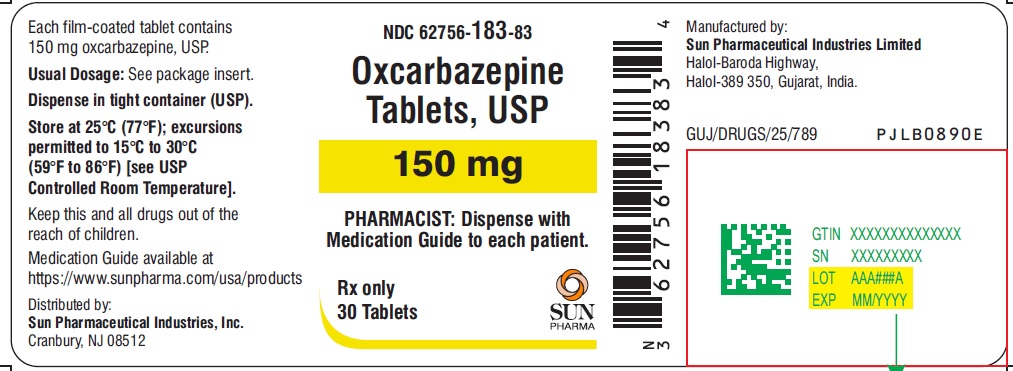
Oxcarbazepine — Anti-epileptic Agent [EPC]. INDICATIONS AND USAGE Oxcarbazepine oral suspension, USP is indicated for use as monotherapy or adjunctive therapy in the treatment of partial-onset…
Brand names
OXCARBAZEPINEOxcarbazepineTrileptaloxcarbazepineOXTELLAR XR
Active ingredients
OXCARBAZEPINE
Indications
INDICATIONS AND USAGE Oxcarbazepine oral suspension, USP is indicated for use as monotherapy or adjunctive therapy in the treatment of partial-onset seizures in adults and as monotherapy in the treatment of partial-onset seizures in pediatric patients aged 4 years and above, and as adjunctive therapy in pediatric patients aged 2 years and above with partial-onset seizures. Oxcarbazepine oral suspension, USP is indicated for: • Adults: Monotherapy or adjunctive therapy in the treatment of partial-onset seizures • Pediatrics: - Monotherapy in the treatment of partial-onset seizures in children 4-16 years - Adjunctive therapy in the treatment of partial-onset seizures in children 2-16 years ( 1 )
Dosage
DOSAGE AND ADMINISTRATION Adults : Initiate with a dose of 600 mg/day, given twice a day • Adjunctive Therapy: Maximum increment of 600 mg/day at approximately weekly intervals. The recommended daily dose is 1,200 mg/day ( 2.1 ) • Conversion to Monotherapy: Withdrawal concomitant over 3 to 6 weeks; reach maximum dose of oxcarbazepine oral suspension in 2 to 4 weeks with increments of 600 mg/day at weekly intervals to a recommended daily dose of 2,400 mg/day ( 2.2 ) • Initiation of Monotherapy: Increments of 300 mg/day every third day to a dose of 1,200 mg/day ( 2.3 ) • Initiate at one-half the usual starting dose and increase slowly in patients with a creatinine clearance < 30 mL/min ( 2.7 ) Pediatrics : Initiation with 8 to 10 mg/kg/day, given twice a day. For patients aged 2 to < 4 years and under 20 kg, a starting dose of 16 to 20 mg/kg/day may be considered. Recommended daily dose is dependent upon patient weight. • Adjunctive Patients (Aged 2 to 16 Years): For patients aged 4 to 16 years, target maintenance dose should be achieved over 2 weeks ( 2.4 ). For patients aged 2 to < 4 years, maximum maintenance dose should be achieved over 2 to 4 weeks and should not exceed 60mg/kg/day ( 2.4 ) • Conversion to Monotherapy for Patients (Aged 4 to 16 Years): Maximum increment of 10 mg/kg/day at weekly intervals, concomitant antiepileptic drugs (AEDs) can be completely withdrawn over 3 to 6 weeks ( 2.5) • Initiation of Monotherapy for Patients (Aged 4 to 16 Years): Increments of 5 mg/kg/day every third day ( 2.6 ) 2.1 Adjunctive Therapy for Adults Initiate oxcarbazepine oral suspension with a dose of 600 mg/day, given twice a day. If clinically indicated, the dose may be increased by a maximum of 600 mg/day at approximately weekly intervals; the maximum recommended daily dose is 1,200 mg/day. Daily doses above 1,200 mg/day show somewhat greater effectiveness in controlled trials, but most patients were not able to tolerate the 2,400 mg/day dose, primarily because of central nervous (CNS) effects. Dosage adjustment is recommended with concomitant use of strong CYP3A4 enzyme inducers or UDP-glucuronosyltransferases (UGT) inducers, which include certain antiepileptic drugs (AEDs) [see Drug Interactions (7.1, 7.2) ]. 2.2 Conversion to Monotherapy for Adults Patients receiving concomitant AEDs may be converted to monotherapy by initiating treatment with oxcarbazepine oral suspension at 600 mg/day (given in a twice a day regimen) while simultaneously initiating the reduction of the dose of the concomitant AEDs. The concomitant AEDs should be completely withdrawn over 3 to 6 weeks, while the maximum dose of oxcarbazepine oral suspension should be reached in about 2 to 4 weeks. Oxcarbazepine oral suspension may be increased as clinically indicated by a maximum increment of 600 mg/day at approximately weekly intervals to achieve the maximum recommended daily dose of 2,400 mg/day. A daily dose of 1,200 mg/day has been shown in one study to be effective in patients in whom monotherapy has been initiated with oxcarbazepine oral suspension. Patients should be observed closely during this transition phase. 2.3 Initiation of Monotherapy for Adults Patients not currently being treated with AEDs may have monotherapy initiated with oxcarbazepine oral suspension. In these patients, initiate oxcarbazepine oral suspension at a dose of 600 mg/day (given twice a day); the dose should be increased by 300 mg/day every third day to a dose of 1,200 mg/day. Controlled trials in these patients examined the effectiveness of a 1,200 mg/day dose; a dose of 2,400 mg/day has been shown to be effective in patients converted from other AEDs to oxcarbazepine oral suspension monotherapy (see above). 2.4 Adjunctive Therapy for Pediatric Patients (Aged 2 to 16 Years) In pediatric patients aged 4 to 16 years, initiate oxcarbazepine oral suspension at a daily dose of 8 to 10 mg/kg generally not to exceed 600 mg/day, given twice a day. The target maintenance dose of oxcarbazepine oral suspension should be achieved over 2 weeks, and is dependent upon patient weight, according to the following chart: • 20 to 29 kg - 900 mg/day • 29.1 to 39 kg – 1,200 mg/day • 39 kg – 1,800 mg/day In the clinical trial, in which the intention was to reach these target doses, the median daily dose was 31 mg/kg with a range of 6 to 51 mg/kg. In pediatric patients aged 2 to < 4 years, initiate oxcarbazepine oral suspension at a daily dose of 8 to 10 mg/kg generally not to exceed 600 mg/day, given twice a day. For patients less than 20 kg, a starting dose of 16 to 20 mg/kg may be considered [see Clinical Pharmacology (12.3) ]. The maximum maintenance dose of oxcarbazepine oral suspension should be achieved over 2 to 4 weeks and should not exceed 60 mg/kg/day in a twice a day regimen. In the clinical trial in pediatric patients (2 to 4 years of age), in which the intention was to reach the target dose of 60 mg/kg/day, 50% of patients reached a final dose of at least 55 mg/kg/day. Under adjunctive therapy (with and without enzyme-inducing AEDs), when normalized by body weight, apparent clearance (L/hr/kg) decreased when age increased such that children 2 to < 4 years of age may require up to twice the oxcarbazepine dose per body weight compared to adults; and children 4 to ≤ 12 years of age may require a 50% higher oxcarbazepine dose per body weight compared to adults. Dosage adjustment is recommended with concomitant use of strong CYP3A4 enzyme inducers or UGT inducers, which include certain AEDs [see Drug Interactions (7.1 , 7.2) ]. 2.5 Conversion to Monotherapy for Pediatric Patients (Aged 4 to 16 Years) Patients receiving concomitant AEDs may be converted to monotherapy by initiating treatment with oxcarbazepine oral suspension at approximately 8 to 10 mg/kg/day given twice a day, while simultaneously initiating the reduction of the dose of the concomitant AEDs. The concomitant AEDs can be completely withdrawn over 3 to 6 weeks, while oxcarbazepine oral suspension may be increased as clinically indicated by a maximum increment of 10 mg/kg/day at approximately weekly intervals to achieve the recommended daily dose. Patients should be observed closely during this transition phase. The recommended total daily dose of oxcarbazepine oral suspension is shown in Table 1. 2.6 Initiation of Monotherapy for Pediatric Patients (Aged 4 to 16 Years) Patients not currently being treated with AEDs may have monotherapy initiated with oxcarbazepine oral suspension. In these patients, initiate oxcarbazepine oral suspension at a dose of 8 to 10 mg/kg/day given twice a day. The dose should be increased by 5 mg/kg/day every third day to the recommended daily dose shown in the table below. Table 1: Range of Maintenance Doses of Oxcarbazepine Oral Suspension for Pediatrics by Weight During Monotherapy From To Weight in kg Dose (mg/day) Dose (mg/day) 20 600 900 25 900 1,200 30 900 1,200 35 900 1,500 40 900 1,500 45 1,200 1,500 50 1,200 1,800 55 1,200 1,800 60 1,200 2,100 65 1,200 2,100 70 1,500 2,100 2.7 Dosage Modification for Patients With Renal Impairment In patients with impaired renal function (creatinine clearance < 30 mL/min), initiate oxcarbazepine oral suspension at one-half the usual starting dose (300 mg/day, given twice a day), and increase slowly to achieve the desired clinical response [see Clinical Pharmacology (12.3) ]. 2.8 Administration Information Oxcarbazepine oral suspension can be taken with or without food [see Clinical Pharmacology (12.3) ]. Before using oxcarbazepine oral suspension, shake the bottle well and prepare the dose immediately afterwards. The prescribed amount of oral suspension should be withdrawn from the bottle using the oral dosing syringe supplied. A household teaspoon or tablespoon is not an adequate measuring device and should not be used. Oxcarbazepine oral suspension can be mixed in a small glass of water just prior to administration, or alternatively, may be swallowed directly from the syringe.
Warnings
WARNINGS AND PRECAUTIONS • Hyponatremia: Monitor serum sodium levels ( 5.1 ) • Cross Hypersensitivity Reaction to Carbamazepine: Discontinue immediately if hypersensitivity occurs ( 5.3 ) • Serious Dermatological Reactions: If occurs, consider discontinuation ( 5.4 ) • Suicidal Behavior and Ideation: Monitor for suicidal thoughts/behavior ( 5.5 ) • Withdrawal of AEDs: Withdraw oxcarbazepine gradually ( 5.6 ) • Cognitive/Neuropsychiatric Adverse Reactions: May cause cognitive dysfunction, somnolence, and coordination abnormalities. Use caution when operating machinery ( 5.7) • Drug Reaction with Eosinophilia and Systemic Symptoms (DRESS)/Multi-Organ Hypersensitivity: Monitor and discontinue if another cause cannot be established ( 5.8 ) • Hematologic Events: Consider discontinuing ( 5.9 ) • Seizure Control During Pregnancy: Active metabolite may decrease ( 5.10 ) • Risk of Seizure Aggravation: Discontinue if occurs ( 5.11 ) 5.1 Hyponatremia Clinically significant hyponatremia (sodium < 125 mmol/L) can develop during oxcarbazepine use. In the 14 controlled epilepsy studies, 2.5% of oxcarbazepine-treated patients (38/1,524) had a sodium of less than 125 mmol/L at some point during treatment, compared to no such patients assigned placebo or active control (carbamazepine and phenobarbital for adjunctive and monotherapy substitution studies, and phenytoin and valproate for the monotherapy initiation studies). Clinically significant hyponatremia generally occurred during the first 3 months of treatment with oxcarbazepine, although there were patients who first developed a serum sodium < 125 mmol/L more than 1 year after initiation of therapy. Most patients who developed hyponatremia were asymptomatic, but patients in the clinical trials were frequently monitored and some had their oxcarbazepine dose reduced, discontinued, or had their fluid intake restricted for hyponatremia. Whether or not these maneuvers prevented the occurrence of more severe events is unknown. Cases of symptomatic hyponatremia and syndrome of inappropriate antidiuretic hormone secretion (SIADH) have been reported during postmarketing use. In clinical trials, patients whose treatment with oxcarbazepine was discontinued due to hyponatremia generally experienced normalization of serum sodium within a few days without additional treatment. Measurement of serum sodium levels should be considered for patients during maintenance treatment with oxcarbazepine, particularly if the patient is receiving other medications known to decrease serum sodium levels (e.g., drugs associated with inappropriate ADH secretion), or if symptoms possibly indicating hyponatremia develop (e.g., nausea, malaise, headache, lethargy, confusion, obtundation, or increase in seizure frequency or severity). 5.2 Anaphylactic Reactions and Angioedema Rare cases of anaphylaxis and angioedema involving the larynx, glottis, lips and eyelids have been reported in patients after taking the first or subsequent doses of oxcarbazepine. Angioedema associated with laryngeal edema can be fatal. If a patient develops any of these reactions after treatment with oxcarbazepine, the drug should be discontinued and an alternative treatment started. These patients should not be rechallenged with the drug [see Warnings and Precautions (5.3) ]. 5.3 Cross Hypersensitivity Reaction to Carbamazepine Approximately 25% to 30% of patients who have had hypersensitivity reactions to carbamazepine will experience hypersensitivity reactions with oxcarbazepine. For this reason, patients should be specifically questioned about any prior experience with carbamazepine, and patients with a history of hypersensitivity reactions to carbamazepine should ordinarily be treated with oxcarbazepine only if the potential benefit justifies the potential risk. If signs or symptoms of hypersensitivity develop, oxcarbazepine should be discontinued immediately [see Warnings and Precautions (5.2, 5.8) ]. 5.4 Serious Dermatological Reactions Serious dermatological reactions, including Stevens-Johnson syndrome (SJS) and toxic epidermal necrolysis (TEN), have been reported in both children and adults in association with oxcarbazepine use. Such serious skin reactions may be life threatening, and some patients have required hospitalization with very rare reports of fatal outcome. The median time of onset for reported cases was 19 days after treatment initiation. Recurrence of the serious skin reactions following rechallenge with oxcarbazepine has also been reported. The reporting rate of TEN and SJS associated with oxcarbazepine use, which is generally accepted to be an underestimate due to underreporting, exceeds the background incidence rate estimates by a factor of 3- to 10-fold. Estimates of the background incidence rate for these serious skin reactions in the general population range between 0.5 to 6 cases per million-person years. Therefore, if a patient develops a skin reaction while taking oxcarbazepine, consideration should be given to discontinuing oxcarbazepine use and prescribing another antiepileptic medication. Association With HLA-B*1,502 Patients carrying the HLA-B*1,502 allele may be at increased risk for SJS/TEN with oxcarbazepine treatment. Human Leukocyte Antigen (HLA) allele B*1,502 increases the risk for developing SJS/TEN in patients treated with carbamazepine. The chemical structure of oxcarbazepine is similar to that of carbamazepine. Available clinical evidence, and data from nonclinical studies showing a direct interaction between oxcarbazepine and HLA-B*1,502 protein, suggest that the HLA-B*1,502 allele may also increase the risk for SJS/TEN with oxcarbazepine. The frequency of HLA-B*1,502 allele ranges from 2% to 12% in Han Chinese populations, is about 8% in Thai populations, and above 15% in the Philippines, and in some Malaysian populations. Allele frequencies up to about 2% and 6% have been reported in Korea and India, respectively. The frequency of the HLA-B*1,502 allele is negligible in people from European descent, several African populations, indigenous peoples of the Americas, Hispanic populations, and in Japanese (< 1%). Testing for the presence of the HLA-B*1,502 allele should be considered in patients with ancestry in genetically at-risk populations, prior to initiating treatment with oxcarbazepine. The use of oxcarbazepine should be avoided in patients positive for HLA-B*1,502 unless the benefits clearly outweigh the risks. Consideration should also be given to avoid the use of other drugs associated with SJS/TEN in HLA-B*1,502 positive patients, when alternative therapies are otherwise equally acceptable. Screening is not generally recommended in patients from populations in which the prevalence of HLA-B*1,502 is low, or in current oxcarbazepine users, as the risk of SJS/TEN is largely confined to the first few months of therapy, regardless of HLA- B*1,502 status. The use of HLA-B*1,502 genotyping has important limitations, and must never substitute for appropriate clinical vigilance and patient management. The role of other possible factors in the development of, and morbidity from, SJS/TEN, such as AED dose, compliance, concomitant medications, comorbidities, and the level of dermatologic monitoring have not been well characterized. 5.5 Suicidal Behavior and Ideation Antiepileptic drugs, including oxcarbazepine, increase the risk of suicidal thoughts or behavior in patients taking these drugs for any indication. Patients treated with any AED for any indication should be monitored for the emergence or worsening of depression, suicidal thoughts or behavior, and/or any unusual changes in mood or behavior. Pooled analyses of 199 placebo-controlled clinical trials (mono- and adjunctive therapy) of 11 different AEDs showed that patients randomized to one of the AEDs had approximately twice the risk (adjusted Relative Risk 1.8, 95% CI:1.2, 2.7) of suicidal thinking or behavior compared to patients randomized to placebo. In these trials, w
Contraindications
CONTRAINDICATIONS Oxcarbazepine extended-release tablets are contraindicated in patients with a known hypersensitivity to oxcarbazepine, to any of the components of oxcarbazepine extended-release tablets, or to eslicarbazepine acetate. Reactions have included anaphylaxis and angioedema [see Warnings and Precautions ( 5.2 , 5.3 )]. Known hypersensitivity to oxcarbazepine, any of the components of oxcarbazepine extended-release tablets, or to eslicarbazepine acetate. ( 4 )
Drug interactions
DRUG INTERACTIONS Phenytoin: Increased phenytoin levels. Reduced dose of phenytoin may be required. ( 7.1 ) Carbamazepine, Phenytoin, Phenobarbital: Decreased plasma levels of MHD (the active metabolite). Dose adjustments may be necessary. ( 7.1 ) Oral Contraceptive: Oxcarbazepine tablets may decrease the effectiveness of hormonal contraceptives. ( 7.3 ) 7.1 Effect of Oxcarbazepine Tablets on Other Drugs Phenytoin levels have been shown to increase with concomitant use of Oxcarbazepine Tablets at doses greater than 1200 mg/day [ see Clinical Pharmacology (12.3) ]. Therefore, it is recommended that the plasma levels of phenytoin be monitored during the period of Oxcarbazepine Tablets titration and dosage modification. A decrease in the dose of phenytoin may be required. 7.2 Effect of Other Drugs on Oxcarbazepine Tablets Strong inducers of cytochrome P450 enzymes and/or inducers of UGT (e.g., rifampin, carbamazepine, phenytoin and phenobarbital) have been shown to decrease the plasma/serum levels of MHD, the active metabolite of Oxcarbazepine (25% to 49%) [see Clinical Pharmacology (12.3) ]. If Oxcarbazepine and strong CYP3A4 inducers or UGT inducers are administered concurrently, it is recommended that the plasma levels of MHD be monitored during the period of Oxcarbazepine titration. Dose adjustment of Oxcarbazepine Tablets may be required after initiation, dosage modification, or discontinuation of such inducers. 7.3 Hormonal Contraceptives Concurrent use of Oxcarbazepine Tablets with hormonal contraceptives may render these contraceptives less effective [see Use in Specific Populations (8.3) and Clinical Pharmacology (12.3) ]. Studies with other oral or implant contraceptives have not been conducted. 7.1 Effect of Oxcarbazepine Tablets on Other Drugs Phenytoin levels have been shown to increase with concomitant use of Oxcarbazepine Tablets at doses greater than 1200 mg/day [ see Clinical Pharmacology (12.3) ]. Therefore, it is recommended that the plasma levels of phenytoin be monitored during the period of Oxcarbazepine Tablets titration and dosage modification. A decrease in the dose of phenytoin may be required. 7.2 Effect of Other Drugs on Oxcarbazepine Tablets Strong inducers of cytochrome P450 enzymes and/or inducers of UGT (e.g., rifampin, carbamazepine, phenytoin and phenobarbital) have been shown to decrease the plasma/serum levels of MHD, the active metabolite of Oxcarbazepine (25% to 49%) [see Clinical Pharmacology (12.3) ]. If Oxcarbazepine and strong CYP3A4 inducers or UGT inducers are administered concurrently, it is recommended that the plasma levels of MHD be monitored during the period of Oxcarbazepine titration. Dose adjustment of Oxcarbazepine Tablets may be required after initiation, dosage modification, or discontinuation of such inducers. 7.3 Hormonal Contraceptives Concurrent use of Oxcarbazepine Tablets with hormonal contraceptives may render these contraceptives less effective [see Use in Specific Populations (8.3) and Clinical Pharmacology (12.3) ]. Studies with other oral or implant contraceptives have not been conducted.
Adverse reactions
ADVERSE REACTIONS The following serious adverse reactions are described below and elsewhere in the labeling: • Hyponatremia [see Warnings and Precautions (5.1) ] • Anaphylactic Reactions and Angioedema [see Warnings and Precautions (5.2) ] • Cross Hypersensitivity Reaction to Carbamazepine [see Warnings and Precautions (5.3) ] • Serious Dermatological Reactions [see Warnings and Precautions (5.4) ] • Suicidal Behavior and Ideation [see Warnings and Precautions (5.5) ] • Cognitive/Neuropsychiatric Adverse Reactions [see Warnings and Precautions (5.7) ] • Drug Reaction with Eosinophilia and Systemic Symptoms (DRESS)/Multi-Organ Hypersensitivity [see Warnings and Precautions (5.8) ] • Hematologic Events [see Warnings and Precautions (5.9) ] The most common (≥ 10% more than placebo for adjunctive or low dose for monotherapy) adverse reactions in adults and pediatrics were: dizziness, somnolence, diplopia, fatigue, nausea, vomiting, ataxia, abnormal vision, headache, nystagmus, tremor, and abnormal gait ( 6.1 ) To report SUSPECTED ADVERSE REACTIONS, contact Novadoz Pharmaceuticals LLC at 1-855-668-2369 or FDA at 1-800-FDA-1088 or www.fda.gov/medwatch. 6.1 Clinical Trials Experience Because clinical trials are conducted under widely varying conditions, adverse reaction rates observed in the clinical trials of a drug cannot be directly compared to rates in the clinical trials of another drug and may not reflect the rates observed in practice. Most Common Adverse Reactions in All Clinical Studies Adjunctive Therapy/Monotherapy in Adults Previously Treated With Other AEDs The most common (≥ 10% more than placebo for adjunctive or low dose for monotherapy) adverse reactions with oxcarbazepine: dizziness, somnolence, diplopia, fatigue, nausea, vomiting, ataxia, abnormal vision, headache, nystagmus tremor, and abnormal gait. Approximately 23% of these 1,537 adult patients discontinued treatment because of an adverse reaction. The adverse reactions most commonly associated with discontinuation were: dizziness (6.4%), diplopia (5.9%), ataxia (5.2%), vomiting (5.1%), nausea (4.9%), somnolence (3.8%), headache (2.9%), fatigue (2.1%), abnormal vision (2.1%), tremor (1.8%), abnormal gait (1.7%), rash (1.4%), and hyponatremia (1%). Monotherapy in Adults Not Previously Treated With Other AEDs The most common (≥ 5%) adverse reactions with oxcarbazepine in these patients were similar to those in previously treated patients. Approximately 9% of these 295 adult patients discontinued treatment because of an adverse reaction. The adverse reactions most commonly associated with discontinuation were: dizziness (1.7%), nausea (1.7%), rash (1.7%), and headache (1.4%). Adjunctive Therapy/Monotherapy in Pediatric Patients 4 Years Old and Above Previously Treated With Other AEDs The most common (≥ 5%) adverse reactions with oxcarbazepine in these patients were similar to those seen in adults. Approximately 11% of these 456 pediatric patients discontinued treatment because of an adverse reaction. The adverse reactions most commonly associated with discontinuation were: somnolence (2.4%), vomiting (2%), ataxia (1.8%), diplopia (1.3%), dizziness (1.3%), fatigue (1.1%), and nystagmus (1.1%). Monotherapy in Pediatric Patients 4 Years Old and Above Not Previously Treated With Other AEDs The most common (≥ 5%) adverse reactions with oxcarbazepine in these patients were similar to those in adults. Approximately 9.2% of 152 pediatric patients discontinued treatment because of an adverse reaction. The adverse reactions most commonly associated (≥ 1%) with discontinuation were rash (5.3%) and maculopapular rash (1.3%). Adjunctive Therapy/Monotherapy in Pediatric Patients 1 Month to < 4 Years Old Previously Treated or Not Previously Treated with Other AEDs: The most common (≥ 5%) adverse reactions with oxcarbazepine in these patients were similar to those seen in older children and adults, except for infections and infestations which were more frequently seen in these younger children. Approximately 11% of these 241 pediatric patients discontinued treatment because of an adverse reaction. The adverse reactions most commonly associated with discontinuation were: convulsions (3.7%), status epilepticus (1.2%), and ataxia (1.2%). Controlled Clinical Studies of Adjunctive Therapy/Monotherapy in Adults Previously Treated With Other AEDs Table 3 lists adverse reactions that occurred in at least 2% of adult patients with epilepsy, treated with oxcarbazepine or placebo as adjunctive treatment and were numerically more common in the patients treated with any dose of oxcarbazepine. Table 4 lists adverse reactions in patients converted from other AEDs to either high-dose oxcarbazepine (2,400 mg/day) or low-dose (300 mg/day) oxcarbazepine. Note that in some of these monotherapy studies patients who dropped out during a preliminary tolerability phase are not included in the tables. Table 3: Adverse Reactions in a Controlled Clinical Study of Adjunctive Therapy With Oxcarbazepine in Adults Oxcarbazepine dosage (mg/day) Body system/ Adverse reaction Oxcarbazepine 600 N = 163 % Oxcarbazepine 1,200 N = 171 % Oxcarbazepine 2,400 N = 126 % Placebo N =166 % Body as a whole Fatigue 15 12 15 7 Asthenia 6 3 6 5 Leg edema 2 1 2 1 Increased weight 1 2 2 1 Feeling abnormal 0 1 2 0 Cardiovascular system Hypotension 0 1 2 0 Digestive system Nausea 15 25 29 10 Vomiting 13 25 36 5 Abdominal pain 10 13 11 5 Diarrhea 5 6 7 6 Dyspepsia 5 5 6 2 Constipation 2 2 6 4 Gastritis 2 1 2 1 Metabolic and nutritional disorders Hyponatremia 3 1 2 1 Musculoskeletal system Muscle weakness 1 2 2 0 Sprains and strains 0 2 2 1 Nervous system Headache 32 28 26 23 Dizziness 26 32 49 13 Somnolence 20 28 36 12 Ataxia 9 17 31 5 Nystagmus 7 20 26 5 Abnormal gait 5 10 17 1 Insomnia 4 2 3 1 Tremor 3 8 16 5 Nervousness 2 4 2 1 Agitation 1 1 2 1 Abnormal coordination 1 3 2 1 Abnormal EEG 0 0 2 0 Speech disorder 1 1 3 0 Confusion 1 1 2 1 Cranial injury NOS 1 0 2 1 Dysmetria 1 2 3 0 Abnormal thinking 0 2 4 0 Respiratory system Rhinitis 2 4 5 4 Skin and appendages Acne 1 2 2 0 Special senses Diplopia 14 30 40 5 Vertigo 6 12 15 2 Abnormal vision 6 14 13 4 Abnormal accommodation 0 0 2 0 Abbreviations: EEG, electroencephalogram; NOS, not otherwise specified. Table 4: Adverse Reactions in Controlled Clinical Studies of Monotherapy With Oxcarbazepine in Adults Previously Treated With Other Antiepileptic Drugs Oxcarbazepine dosage (mg/day) Oxcarbazepine 2,400 mg/day Oxcarbazepine 300 mg/day Body system/ N = 86 N = 86 Adverse reaction % % Body as a whole Fatigue 21 5 Fever 3 0 Allergy 2 0 Generalized edema 2 1 Chest pain 2 0 Digestive system Nausea 22 7 Vomiting 15 5 Diarrhea 7 5 Dyspepsia 6 1 Anorexia 5 3 Abdominal pain 5 3 Dry mouth 3 0 Hemorrhage rectum 2 0 Toothache 2 1 Hemic and lymphatic system Lymphadenopathy 2 0 Infections and infestations Viral infection 7 5 Infection 2 0 Metabolic and nutritional disorders Hyponatremia 5 0 Thirst 2 0 Nervous system Headache 31 15 Dizziness 28 8 Somnolence 19 5 Anxiety 7 5 Ataxia 7 1 Confusion 7 0 Nervousness 7 0 Insomnia 6 3 Tremor 6 3 Amnesia 5 1 Aggravated convulsions 5 2 Emotional lability 3 2 Hypoesthesia 3 1 Abnormal coordination 2 1 Nystagmus 2 0 Speech disorder 2 0 Respiratory system Upper respiratory tract infection 10 5 Coughing 5 0 Bronchitis 3 0 Pharyngitis 3 0 Skin and appendages Hot flushes 2 1 Purpura 2 0 Special senses Abnormal vision 14 2 Diplopia 12 1 Taste perversion 5 0 Vertigo 3 0 Earache 2 1 Ear infection NOS 2 0 Urogenital and reproductive system Urinary tract infection 5 1 Micturition frequency 2 1 Vaginitis 2 0 Abbreviation: NOS, not otherwise specified. Controlled Clinical Study of Monotherapy in Adults Not Previously Treated With Other AEDs Table 5 lists adverse reactions in a controlled clinical study of monotherapy in adults not previously treated with other AEDs that occurred in at least 2% of adult patients with epilepsy treated with oxcarbazepine or placebo and were numerically more comm
Mechanism of action
CLINICAL PHARMACOLOGY 12.1 Mechanism of Action The pharmacological activity of oxcarbazepine is primarily exerted through the 10-monohydroxy metabolite (MHD) of oxcarbazepine [see Clinical Pharmacology (12.3) ] . The precise mechanism by which oxcarbazepine and MHD exert their anti-seizure effect is unknown; however, in vitro electrophysiological studies indicate that they produce blockade of voltage-sensitive sodium channels, resulting in stabilization of hyperexcited neural membranes, inhibition of repetitive neuronal firing, and diminution of propagation of synaptic impulses. These actions are thought to be important in the prevention of seizure spread in the intact brain. In addition, increased potassium conductance and modulation of high-voltage activated calcium channels may contribute to the anticonvulsant effects of the drug. No significant interactions of oxcarbazepine or MHD with brain neurotransmitter or modulator receptor sites have been demonstrated. 12.2 Pharmacodynamics Oxcarbazepine and its active metabolite (MHD) exhibit anticonvulsant properties in animal seizure models. They protected rodents against electrically induced tonic extension seizures and, to a lesser degree, chemically induced clonic seizures, and abolished or reduced the frequency of chronically recurring focal seizures in Rhesus monkeys with aluminum implants. No development of tolerance (i.e. attenuation of anticonvulsive activity) was observed in the maximal electroshock test when mice and rats were treated daily for 5 days and 4 weeks, respectively, with oxcarbazepine or MHD. 12.3 Pharmacokinetics Following oral administration of oxcarbazepine tablets, oxcarbazepine is completely absorbed and extensively metabolized to its pharmacologically active 10-monohydroxy metabolite (MHD). In a mass balance study in people, only 2% of total radioactivity in plasma was due to unchanged oxcarbazepine, with approximately 70% present as MHD, and the remainder attributable to minor metabolites. The half-life of the parent is about 2 hours, while the half-life of MHD is about 9 hours, so that MHD is responsible for most antiepileptic activity. A bsorption Based on MHD concentrations, oxcarbazepine tablets and suspension were shown to have similar bioavailability. After single-dose administration of oxcarbazepine tablets to healthy male volunteers under fasted conditions, the median t max was 4.5 (range, 3 to 13) hours. After single-dose administration of oxcarbazepine oral suspension to healthy male volunteers under fasted conditions, the median t max was 6 hours. Steady-state plasma concentrations of MHD are reached within 2 to 3 days in patients when oxcarbazepine is given twice a day. At steady-state the pharmacokinetics of MHD are linear and show dose proportionality over the dose range of 300 to 2,400 mg/day. Although not directly studied, the oral bioavailability of the oxcarbazepine suspension is unlikely to be affected under fed conditions. Therefore, oxcarbazepine suspension can be taken with or without food. D i stribution The apparent volume of distribution of MHD is 49 L. Approximately 40% of MHD is bound to serum proteins, predominantly to albumin. Binding is independent of the serum concentration within the therapeutically relevant range. Oxcarbazepine and MHD do not bind to alpha-1-acid glycoprotein. Metabolism and Excretion Oxcarbazepine is rapidly reduced by cytosolic enzymes in the liver to its 10-monohydroxy metabolite, MHD, which is primarily responsible for the pharmacological effect of oxcarbazepine. MHD is metabolized further by conjugation with glucuronic acid. Minor amounts (4% of the dose) are oxidized to the pharmacologically inactive 10,11-dihydroxy metabolite (DHD). Oxcarbazepine is cleared from the body mostly in the form of metabolites which are predominantly excreted by the kidneys. More than 95% of the dose appears in the urine, with less than 1% as unchanged oxcarbazepine. Fecal excretion accounts for less than 4% of the administered dose. Approximately 80% of the dose is excreted in the urine either as glucuronides of MHD (49%) or as unchanged MHD (27%); the inactive DHD accounts for approximately 3% and conjugates of MHD and oxcarbazepine account for 13% of the dose. The half-life of the parent is about 2 hours, while the half-life of MHD is about 9 hours. Specific Populations G eriatrics Following administration of single (300 mg) and multiple (600 mg/day) doses of oxcarbazepine to elderly volunteers (60 to 82 years of age), the maximum plasma concentrations and AUC values of MHD were 30% to 60% higher than in younger volunteers (18 to 32 years of age). Comparisons of creatinine clearance in young and elderly volunteers indicate that the difference was due to age-related reductions in creatinine clearance. Pediatrics Weight-adjusted MHD clearance decreases as age and weight increases, approaching that of adults. The mean weight-adjusted clearance in children 2 years to <4 years of age is approximately 80% higher on average than that of adults. Therefore, MHD exposure in these children is expected to be about one-half that of adults when treated with a similar weight-adjusted dose. The mean weight-adjusted clearance in children 4 to 12 years of age is approximately 40% higher on average than that of adults. Therefore, MHD exposure in these children is expected to be about three-quarters that of adults when treated with a similar weight-adjusted dose. As weight increases, for patients 13 years of age and above, the weight-adjusted MHD clearance is expected to reach that of adults. Pediatric Patients With Obesity A population PK analysis of oxcarbazepine was conducted that included n = 92 obese and non-obese pediatric patients < 18 years of age to evaluate the potential impact of obesity on plasma oxcarbazepine exposures. Obesity was defined as BMI ≥ 95th percentile for age and sex based on CDC 2000 growth chart recommendations. Simulated results from this analysis suggested that the target maintenance doses for oxcarbazepine, applied in pediatric patients ≥ 2 years of age, produced equivalent steady-state exposure of MHD between pediatric patients with and without obesity. This finding is consistent when using total body weight, or when using fat-free mass in patients ≥ 3 years and total body weight in patients < 3 years in the simulations. Dosage adjustment according to obesity status is not necessary. G ender No gender-related pharmacokinetic differences have been observed in children, adults, or the elderly. Race No specific studies have been conducted to assess what effect, if any, race may have on the disposition of oxcarbazepine. Renal Impairment There is a linear correlation between creatinine clearance and the renal clearance of MHD. When oxcarbazepine is administered as a single 300 mg dose in renally-impaired patients (creatinine clearance <30 mL/min), the elimination half-life of MHD is prolonged to 19 hours, with a 2-fold increase in AUC [see Dosage and Administration (2.7) and Use in Specific Populations (8.6) ] . H epatic Impairment The pharmacokinetics and metabolism of oxcarbazepine and MHD were evaluated in healthy volunteers and hepatically-impaired subjects after a single 900-mg oral dose. Mild-to-moderate hepatic impairment did not affect the pharmacokinetics of oxcarbazepine and MHD [see Dosage and Administration (2.8) ] . Pregnancy Due to physiological changes during pregnancy, MHD plasma levels may gradually decrease throughout pregnancy [see Use in Specific Populations (8.1) ]. D r ug Interactions: I n Vitro Oxcarbazepine can inhibit CYP2C19 and induce CYP3A4/5 with potentially important effects on plasma concentrations of other drugs. In addition, several AEDs that are cytochrome P450 inducers can decrease plasma concentrations of oxcarbazepine and MHD. No autoinduction has been observed with oxcarbazepine. Oxcarbazepine was evaluated in human liver microsomes to determine its capacity to inhibit the major cytochrome P4
Available forms (14)
24 HR oxcarbazepine 150 MG Extended Release Oral Tablet24 HR oxcarbazepine 300 MG Extended Release Oral Tablet24 HR oxcarbazepine 600 MG Extended Release Oral Tabletoxcarbazepine 150 MG Oral Tabletoxcarbazepine 300 MG Oral Tabletoxcarbazepine 600 MG Oral Tabletoxcarbazepine 60 MG/ML Oral Suspension24 HR oxcarbazepine 150 MG Extended Release Oral Tablet [Oxtellar]brand24 HR oxcarbazepine 300 MG Extended Release Oral Tablet [Oxtellar]brand24 HR oxcarbazepine 600 MG Extended Release Oral Tablet [Oxtellar]brandoxcarbazepine 150 MG Oral Tablet [Trileptal]brandoxcarbazepine 300 MG Oral Tablet [Trileptal]brandoxcarbazepine 600 MG Oral Tablet [Trileptal]brandoxcarbazepine 60 MG/ML Oral Suspension [Trileptal]brand
NDC examples
72205-35470518-392170518-446572162-208872603-25270518-394068462-13768462-13868462-13972603-27172603-27272189-573
Indicated ICD-10 codes
Assistance programs
AABD Cash AssistanceACL Assistive TechnologyACL Assistive Technology State Grants for Protection and AdvocacyACL Centers for Independent LivingACL Independent Living State GrantsAdult Day CareAdult Day Care ServicesAdult Day HealthAdult Day Health CareAdult Day/Health Care CentersAdult Day ServiceAdult Day Services
Source: openFDA + RxNorm · 2026
Look up another medication