0.6 ML dasiglucagon 1 MG/ML Auto-Injector
Managing this medication for someone you care for? Eleplan keeps diagnoses, medications and appointments in one plan.
Start free with EleplanClinical drug
0.6 ML dasiglucagon 1 MG/ML Auto-Injector
1 MG/ML · Auto-Injector · injection
A form of dasiglucagon →
0.6 ML dasiglucagon 1 MG/ML Auto-Injector — Glycogenolytic hormones. INDICATIONS AND USAGE ZEGALOGUE ® is indicated for the treatment of severe hypoglycemia in pediatric and adult patients with diabetes aged 6 years…
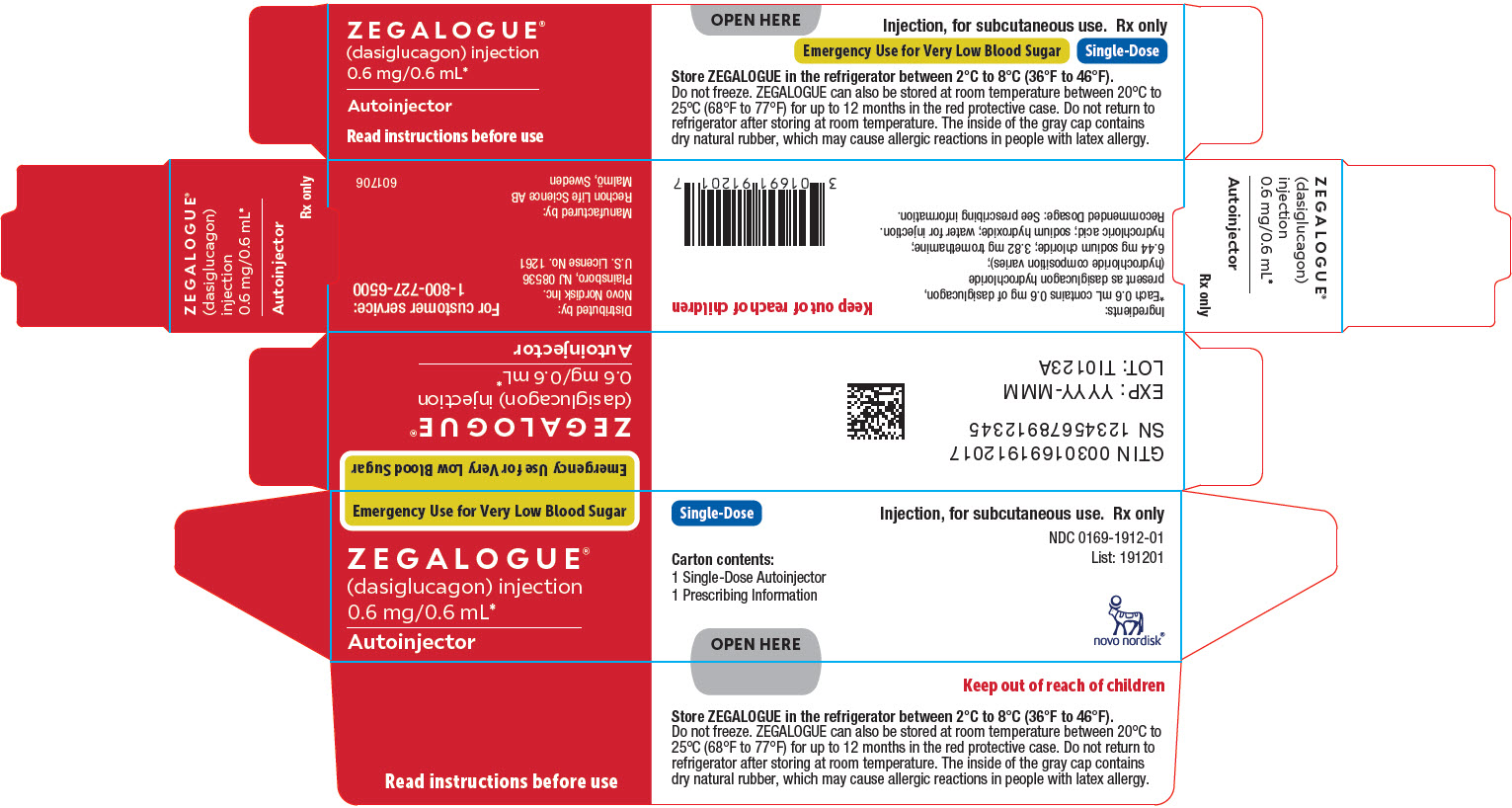
Active ingredient
Classification
Glycogenolytic hormonesAntihypoglycemic Agent
Drug interactions
Dasiglucagon has several clinically significant drug interactions.
- minorbeta-blockers — transient increase in pulse and blood pressure
- moderateindomethacin — may lose its ability to raise blood glucose or may produce hypoglycemia
- moderatewarfarin — may increase the anticoagulant effect
Indications
INDICATIONS AND USAGE ZEGALOGUE ® is indicated for the treatment of severe hypoglycemia in pediatric and adult patients with diabetes aged 6 years and above. ZEGALOGUE is an antihypoglycemic agent indicated for the treatment of severe hypoglycemia in pediatric and adult patients with diabetes aged 6 years and above. ( 1 )
Dosage
DOSAGE AND ADMINISTRATION • ZEGALOGUE autoinjector and prefilled syringe are for subcutaneous injection only. ( 2.1 ) • The dose in adults and pediatric patients aged 6 years and older is 0.6 mg. ( 2.2 ) • Administer ZEGALOGUE according to the printed instructions on the protective case label and the Instructions For Use. ( 2.1 ) • Visually inspect ZEGALOGUE prior to administration. The solution should appear clear, colorless, and free from particles. If the solution is discolored or contains particulate matter, do not use. ( 2.1 ) • Administer the injection into the lower abdomen, buttocks, thigh, or outer upper arm. ( 2.1 ) • Call for emergency assistance immediately after administering the dose. ( 2.1 ) • If there has been no response after 15 minutes, an additional dose of ZEGALOGUE from a new device may be administered while waiting for emergency assistance. ( 2.1 ) • When the patient has responded to treatment, give oral carbohydrates. ( 2.1 ) • Do not attempt to reuse ZEGALOGUE. Each device contains a single dose of dasiglucagon and cannot be reused. ( 2.1 ) 2.1 Administration Instructions ZEGALOGUE autoinjector and prefilled syringe are for subcutaneous injection only. Instruct patients and their caregivers on the signs and symptoms of severe hypoglycemia. Because severe hypoglycemia requires the help of others to recover, instruct the patient to inform those around them about ZEGALOGUE and its Instructions For Use. Administer ZEGALOGUE as soon as possible when severe hypoglycemia is recognized. Instruct the patient or caregiver to read the Instructions For Use at the time they receive a prescription for ZEGALOGUE. Emphasize the following instructions to the patient or caregiver: • Administer ZEGALOGUE according to the printed instructions on the protective case label and the Instructions For Use. • Visually inspect ZEGALOGUE prior to administration. The solution should appear clear, colorless, and free from particles. If the solution is discolored or contains particulate matter, do not use. • Administer the injection in the lower abdomen, buttocks, thigh, or outer upper arm. • Call for emergency assistance immediately after administering the dose. • If there has been no response after 15 minutes, an additional dose of ZEGALOGUE may be administered while waiting for emergency assistance. • When the patient has responded to treatment, give oral carbohydrates to restore liver glycogen and prevent recurrence of hypoglycemia. • Do not attempt to reuse ZEGALOGUE. Each ZEGALOGUE device contains a single dose of dasiglucagon and cannot be reused. 2.2 Recommended Dosage The recommended dose of ZEGALOGUE in adults and pediatric patients aged 6 years and older is 0.6 mg administered by subcutaneous injection into the lower abdomen, buttocks, thigh, or outer upper arm. If there has been no response after 15 minutes, an additional 0.6 mg dose of ZEGALOGUE from a new device may be administered.
Warnings
WARNINGS AND PRECAUTIONS • Substantial Increase in Blood Pressure in Patients with Pheochromocytoma: Contraindicated in patients with pheochromocytoma because ZEGALOGUE may stimulate the release of catecholamines from the tumor. ( 4 , 5.1 ) • Hypoglycemia in Patients with Insulinoma: In patients with insulinoma, administration may produce an initial increase in blood glucose, but ZEGALOGUE may stimulate exaggerated insulin release from an insulinoma and cause subsequent hypoglycemia. If a patient develops symptoms of hypoglycemia after a dose of ZEGALOGUE, give glucose orally or intravenously. ( 4 , 5.2 ) • Hypersensitivity and Allergic Reactions: Allergic reactions have been reported with glucagon products and may include generalized rash, and in some cases anaphylactic shock with breathing difficulties and hypotension. ( 5.3 ) • Lack of Efficacy in Patients with Decreased Hepatic Glycogen: ZEGALOGUE is effective in treating hypoglycemia only if sufficient hepatic glycogen is present. Patients in states of starvation, with adrenal insufficiency or chronic hypoglycemia may not have adequate levels of hepatic glycogen for ZEGALOGUE to be effective. Patients with these conditions should be treated with glucose. ( 5.4 ) 5.1 Substantial Increase in Blood Pressure in Patients with Pheochromocytoma ZEGALOGUE is contraindicated in patients with pheochromocytoma because glucagon products may stimulate the release of catecholamines from the tumor [see Contraindications (4) ] . If the patient develops a substantial increase in blood pressure and a previously undiagnosed pheochromocytoma is suspected, 5 to 10 mg of phentolamine mesylate, administered intravenously, has been shown to be effective in lowering blood pressure. 5.2 Hypoglycemia in Patients with Insulinoma In patients with insulinoma, administration of glucagon products may produce an initial increase in blood glucose; however, ZEGALOGUE administration may directly or indirectly (through an initial rise in blood glucose) stimulate exaggerated insulin release from an insulinoma and cause hypoglycemia. ZEGALOGUE is contraindicated in patients with insulinoma [see Contraindications (4) ] . If a patient develops symptoms of hypoglycemia after a dose of ZEGALOGUE, give glucose orally or intravenously. 5.3 Hypersensitivity and Allergic Reactions Allergic reactions have been reported with glucagon products; these include generalized rash, and in some cases anaphylactic shock with breathing difficulties and hypotension. Advise patients to seek immediate medical attention if they experience any symptoms of serious hypersensitivity reactions. 5.4 Lack of Efficacy in Patients with Decreased Hepatic Glycogen ZEGALOGUE is effective in treating hypoglycemia only if sufficient hepatic glycogen is present. Patients in states of starvation, with adrenal insufficiency or chronic hypoglycemia may not have adequate levels of hepatic glycogen for ZEGALOGUE administration to be effective. Patients with these conditions should be treated with glucose.
Contraindications
CONTRAINDICATIONS ZEGALOGUE is contraindicated in patients with: • Pheochromocytoma because of the risk of substantial increase in blood pressure [see Warnings and Precautions (5.1) ] • Insulinoma because of the risk of hypoglycemia [see Warnings and Precautions (5.2) ] Pheochromocytoma ( 4 ) Insulinoma ( 4 )
Mechanism of action
Mechanism of Action Dasiglucagon is a glucagon receptor agonist, which increases blood glucose concentration by activating hepatic glucagon receptors, thereby stimulating glycogen breakdown and release of glucose from the liver. Hepatic stores of glycogen are necessary for dasiglucagon to produce an antihypoglycemic effect.
Indicated ICD-10 codes
Source: RxNorm + openFDA + RxClass + FAERS · 2026
Look up another medication