24 HR calcifediol 0.03 MG Extended Release Oral Capsule
Managing this medication for someone you care for? Eleplan keeps diagnoses, medications and appointments in one plan.
Start free with EleplanClinical drug
24 HR calcifediol 0.03 MG Extended Release Oral Capsule
0.03 MG · Extended Release Oral Capsule · oral
A form of calcifediol →
24 HR calcifediol 0.03 MG Extended Release Oral Capsule — Vitamin D and analogues. INDICATIONS AND USAGE RAYALDEE is a vitamin D 3 analog indicated for the treatment of secondary hyperparathyroidism in adult patients with stage 3…
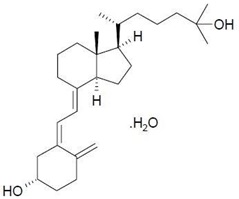
Active ingredient
Classification
Vitamin D and analoguesVitamin D3 Analog
Drug interactions
Calcifediol has several drug interactions that may affect its serum levels and efficacy.
- moderateketoconazole — may alter serum levels of calcifediol
- moderatethiazides — may cause hypercalcemia
- moderatecholestyramine — may impair the absorption of calcifediol
- moderatephenobarbital — reduces the half-life of calcifediol
Indications
INDICATIONS AND USAGE RAYALDEE is a vitamin D 3 analog indicated for the treatment of secondary hyperparathyroidism in adult patients with stage 3 or 4 chronic kidney disease and serum total 25-hydroxyvitamin D levels less than 30 ng/mL. Limitations of Use RAYALDEE is not indicated for the treatment of secondary hyperparathyroidism in patients with stage 5 chronic kidney disease or in patients with end-stage renal disease on dialysis. RAYALDEE is a vitamin D 3 analog indicated for the treatment of secondary hyperparathyroidism in adults with stage 3 or 4 chronic kidney disease and serum total 25-hydroxyvitamin D levels less than 30 ng/mL. ( 1 ) Limitations of Use: RAYALDEE is not indicated in patients with stage 5 chronic kidney disease or end-stage renal disease on dialysis. ( 1 )
Dosage
DOSAGE AND ADMINISTRATION • The initial dose of RAYALDEE is 30 mcg administered orally once daily at bedtime. Serum calcium should be below 9.8 mg/dL before initiating treatment. ( 2 ) • Monitor serum calcium, phosphorus, 25-hydroxyvitamin D and intact parathyroid hormone (PTH) 3 months after starting therapy or changing dose. ( 2.2 , 5.3 ) • Increase the dose to 60 mcg once daily after 3 months if intact PTH is above the treatment goal. Ensure serum calcium is below 9.8 mg/dL, phosphorus is below 5.5 mg/dL and 25-hydroxyvitamin D is below 100 ng/mL before increasing the dose. ( 2.2 ) • Suspend dosing if intact PTH is persistently abnormally low, serum calcium is consistently above the normal range or serum 25-hydroxyvitamin D is consistently above 100 ng/mL. ( 2.2 ) 2.1 Important Dosage and Administration Information • Ensure serum calcium is below 9.8 mg/dL before initiating treatment [ see Warnings and Precautions ( 5.1 ) ]. • Instruct patients to swallow RAYALDEE capsules whole. • Instruct patients to skip a missed dose and to resume taking the medicine at the next regularly scheduled time. Do not administer an extra dose. 2.2 Starting Dose and Dose Titration • The initial dose of RAYALDEE is 30 mcg administered orally once daily at bedtime. • The maintenance dose of RAYALDEE should target serum total 25-hydroxyvitamin D levels between 30 and 100 ng/mL, intact parathyroid hormone (PTH) levels within the desired therapeutic range, serum calcium (corrected for low albumin) within the normal range and serum phosphorus below 5.5 mg/dL. • Monitor serum calcium, serum phosphorus, serum total 25-hydroxyvitamin D and intact PTH levels at a minimum of 3 months after initiation of therapy or dose adjustment, and subsequently at least every 6 to 12 months. • Increase the dose to 60 mcg orally once daily at bedtime after approximately 3 months, if intact PTH remains above the desired therapeutic range. Prior to raising the dose, ensure serum calcium is below 9.8 mg/dL, serum phosphorus is below 5.5 mg/dL and serum total 25-hydroxyvitamin D is below 100 ng/mL. • Suspend dosing if intact PTH is persistently and abnormally low to reduce the risk of adynamic bone disease [ see Warnings and Precautions ( 5.3 ) ], if serum calcium is consistently above the normal range to reduce the risk of hypercalcemia [ see Warnings and Precautions ( 5.1 ) ], or if serum total 25-hydroxyvitamin D is consistently above 100 ng/mL. Restart at a reduced dose after these laboratory values have normalized.
Warnings
WARNINGS AND PRECAUTIONS • Hypercalcemia: Excessive administration of vitamin D compounds, including RAYALDEE, can cause hypercalcemia and hypercalciuria. Severe hypercalcemia due to substantial overdosage of vitamin D and its metabolites may require emergency attention. Patients should be informed about the symptoms of elevated calcium. ( 5.1 ) • Digitalis toxicity: Potentiated by hypercalcemia of any cause. Monitor serum calcium and signs and symptoms of digitalis toxicity more frequently when initiating or adjusting the dose of RAYALDEE. ( 5.2 ) • Adynamic Bone Disease: Monitor for abnormally low levels of intact PTH levels when using RAYALDEE, and adjust dose if needed. ( 2.2 , 5.3 ) 5.1 Hypercalcemia Hypercalcemia may occur during RAYALDEE treatment [ see Adverse Reactions ( 6.1 ) ]. Acute hypercalcemia may increase the risk of cardiac arrhythmias and seizures and may potentiate the effect of digitalis on the heart [ see Warnings and Precautions ( 5.2 ) ]. Chronic hypercalcemia can lead to generalized vascular calcification and other soft-tissue calcification. Severe hypercalcemia may require emergency attention. Hypercalcemia may be exacerbated by concomitant administration of high doses of calcium containing preparations, thiazide diuretics, or other vitamin D compounds. In addition, high intake of calcium and phosphate concomitantly with vitamin D compounds may lead to hypercalciuria and hyperphosphatemia. In these circumstances, frequent serum calcium monitoring and RAYALDEE dose adjustments may be required. Patients with a history of hypercalcemia prior to initiating therapy with RAYALDEE should be monitored more frequently for possible hypercalcemia during therapy. Patients should be informed about the symptoms of elevated serum calcium, which include feeling tired, difficulty thinking clearly, loss of appetite, nausea, vomiting, constipation, increased thirst, increased urination, and weight loss. 5.2 Digitalis Toxicity Hypercalcemia of any cause, including RAYALDEE [ see Warnings and Precautions ( 5.1 ) ], increases the risk of digitalis toxicity. In patients using RAYALDEE concomitantly with digitalis compounds, monitor both serum calcium and patients for signs and symptoms of digitalis toxicity and increase the frequency of monitoring when initiating or adjusting the dose of RAYALDEE [ see Dosage and Administration ( 2 ) ]. 5.3 Adynamic Bone Disease Adynamic bone disease with subsequent increased risk of fractures may develop if intact PTH levels are suppressed by RAYALDEE to abnormally low levels. Monitor intact PTH levels and adjust RAYALDEE dose, if needed [ see Dosage and Administration ( 2.2 ) ].
Contraindications
CONTRAINDICATIONS None. None ( 4 )
Mechanism of action
Mechanism of Action Calcifediol (25-hydroxyvitamin D 3 ) is a prohormone of the active form of vitamin D 3 , calcitriol (1,25‑dihydroxyvitamin D 3 ). Calcifediol is converted to calcitriol by cytochrome P450 27B1 (CYP27B1), also called 1-alpha hydroxylase, primarily in the kidney. Calcitriol binds to the vitamin D receptor in target tissues and activates vitamin D responsive pathways that result in increased intestinal absorption of calcium and phosphorus and reduced parathyroid hormone synthesis.
Indicated ICD-10 codes
Source: RxNorm + openFDA + RxClass + FAERS · 2026
Look up another medication