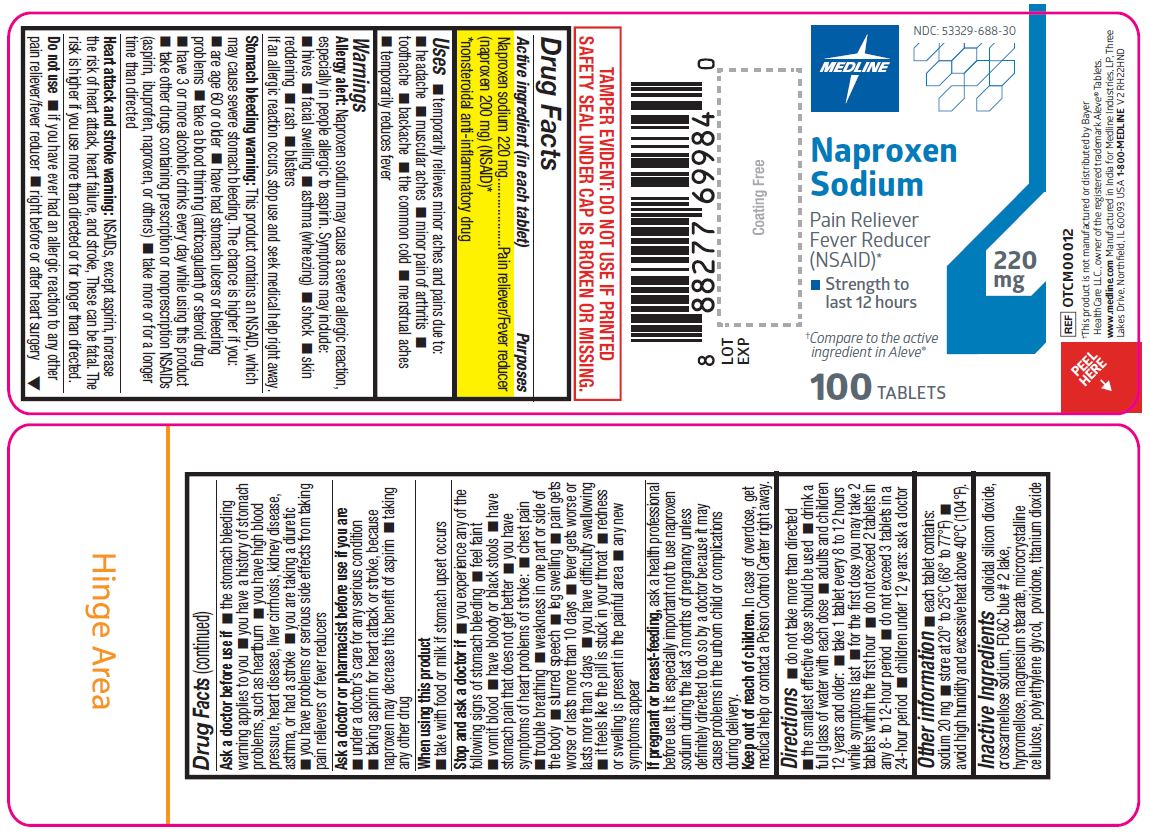
24 HR naproxen 500 MG Extended Release Oral Tablet — Antiinflammatory products for vaginal administration. INDICATIONS AND USAGE Carefully consider the potential benefits and risks of naproxen, naproxen sodium and other treatment options before deciding…
Boxed warning
WARNING: RISK OF SERIOUS CARDIOVASCULAR AND GASTROINTESTINAL EVENTS WARNING: RISK OF SERIOUS CARDIOVASCULAR AND GASTROINTESTINAL EVENTS See full prescribing information for complete boxed warning. Nonsteroidal anti-inflammatory drugs (NSAIDs) cause an increased risk of serious cardiovascular thrombotic events, including myocardial infarction and stroke, which can be fatal. This risk may occur early in treatment and may increase with duration of use. ( 5.1 ) Naproxen Suspension is contraindicated in the setting of coronary artery bypass graft (CABG) surgery. ( 4 , 5.1 ) NSAIDs cause an increased risk of serious gastrointestinal (GI) adverse events including bleeding, ulceration, and perforation of the stomach or intestines, which can be fatal. These events can occur at any time during use and without warning symptoms. Elderly patients and patients with a prior history of peptic ulcer disease and/or GI bleeding are at greater risk for serious GI events. ( 5.2 ) Cardiovascular Thrombotic Events Nonsteroidal anti-inflammatory drugs (NSAIDs) cause an increased risk of serious cardiovascular thrombotic events, including myocardial infarction and stroke, which can be fatal. This risk may occur early in treatment and may increase with duration of use [ see Warnings and Precautions ( 5.1 Cardiovascular Thrombotic Events ) ]. Naproxen Suspension is contraindicated in the setting of coronary artery bypass graft (CABG) surgery [ see Contraindications ( 4 ), Warnings and Precautions ( 5.1 Cardiovascular Thrombotic Events ) ]. Gastrointestinal Bleeding, Ulceration, and Perforation NSAIDs cause an increased risk of serious gastrointestinal (GI) adverse events including bleeding, ulceration, and perforation of the stomach or intestines, which can be fatal. These events can occur at any time during use and without warning symptoms. Elderly patients and patients with a prior history of peptic ulcer disease and/or GI bleeding are at greater risk for serious GI events [ see Warnings and Precautions ( 5.2 ) ] .
Antiinflammatory products for vaginal administrationNonsteroidal Anti-inflammatory Drug
Drug interactions
Naproxen has several clinically significant drug interactions that may increase the risk of adverse effects, particularly related to bleeding and renal function.
majorwarfarin — increased risk of serious bleeding
majoraspirin — interference with the antiplatelet effect of aspirin
moderatedigoxin — increased serum concentration and prolonged half-life
moderatelithium — elevated plasma lithium levels
majormethotrexate — increased risk for methotrexate toxicity
majorcyclosporine — increased nephrotoxicity
Indications
INDICATIONS AND USAGE Carefully consider the potential benefits and risks of naproxen, naproxen sodium and other treatment options before deciding to use naproxen or naproxen sodium tablets. Use the lowest effective dose for the shortest duration consistent with individual patient treatment goals (see WARNINGS ). Naproxen as naproxen tablets or naproxen sodium tablets are indicated: • For the relief of the signs and symptoms of rheumatoid arthritis • For the relief of the signs and symptoms of osteoarthritis • For the relief of the signs and symptoms of ankylosing spondylitis • For the relief of the signs and symptoms of juvenile arthritis Naproxen as naproxen suspension is recommended for juvenile rheumatoid arthritis in order to obtain the maximum dosage flexibility based on the patient’s weight. Naproxen as naproxen tablets and naproxen sodium tablets are also indicated: • For relief of the signs and symptoms of tendonitis • For relief of the signs and symptoms of bursitis • For relief of the signs and symptoms of acute gout • For the management of pain • For the management of primary dysmenorrhea
Dosage
DOSAGE AND ADMINISTRATION Use the lowest effective dosage for shortest duration consistent with individual patient treatment goals ( 2 ) RA, OA, and AS: The dosage is two 375 mg or 500 mg tablets once daily, or one 750 mg tablet once daily. Management of Pain, PD, and Acute Tendinitis and Bursitis: The dosage is two 500 mg tablets once daily. For patients requiring greater analgesic benefit, two 750 mg tablets or three 500 mg tablets may be used for a limited period. Thereafter, the total daily dose should not exceed two 500 mg tablets For the treatment of Acute Gout: The dosage is two to three 500 mg tablets once daily on the first day, followed by two 500 mg tablets once daily, until the attack has subsided. 2.1 General Dosing Instructions Carefully consider the potential benefits and risks of Naproxen Sodium Controlled-Release Tablets and other treatment options before deciding to use Naproxen Sodium Controlled-Release Tablets. Use the lowest effective dosage for the shortest duration consistent with individual patient treatment goals [ see Warnings and Precautions ( 5 ) ]. After observing the response to initial therapy with Naproxen Sodium Controlled-Release Tablets, the dose and frequency should be adjusted to suit an individual patient’s needs. 2.2 Rheumatoid Arthritis, Osteoarthritis, and Ankylosing Spondylitis The recommended starting dose of Naproxen Sodium Controlled-Release Tablets in adults is two Naproxen Sodium Controlled-Release 375 mg tablets (750 mg) once daily, one Naproxen Sodium Controlled-Release 750 mg (750 mg) once daily, or two Naproxen Sodium Controlled-Release 500 mg tablets (1,000 mg) once daily. Patients already taking naproxen 250 mg, 375 mg, or 500 mg twice daily (morning and evening) may have their total daily dose replaced with Naproxen Sodium Controlled-Release Tablets as a single daily dose. During long-term administration, the dose of Naproxen Sodium Controlled-Release Tablets may be adjusted up or down depending on the clinical response of the patient. In patients who tolerate lower doses of Naproxen Sodium Controlled-Release Tablets well, the dose may be increased to two Naproxen Sodium Controlled-Release 750 mg tablets (1,500 mg), or three Naproxen Sodium Controlled-Release 500 mg tablets (1,500 mg) once daily for limited periods when a higher level of anti-inflammatory/analgesic activity is required. When treating patients, especially at the higher dose levels, the physician should observe sufficient increased clinical benefit to offset the potential increased risk [ see Clinical Pharmacology ( 12.3 ) ]. The lowest effective dose should be sought and used in every patient. Symptomatic improvement in arthritis usually begins within one week; however, treatment for two weeks may be required to achieve a therapeutic benefit. 2.3 Management of Pain, Primary Dysmenorrhea, and Acute Tendinitis and Bursitis The recommended starting dose is two Naproxen Sodium Controlled-Release 500 mg tablets (1,000 mg) once daily. For patients requiring greater analgesic benefit, two Naproxen Sodium Controlled-Release 750 mg tablets (1,500 mg) or three Naproxen Sodium Controlled-Release 500 mg tablets (1,500 mg) may be used for a limited period. Thereafter, the total daily dose should not exceed two Naproxen Sodium Controlled-Release 500 mg tablets (1,000 mg). 2.4 Acute Gout The recommended dose on the first day is two to three Naproxen Sodium Controlled-Release 500 mg tablets (1,000 to 1,500 mg) once daily, followed by two Naproxen Sodium Controlled-Release 500 mg tablets (1,000 mg) once daily, until the attack has subsided. 2.5 Dosage Adjustments in Patients with Hepatic Impairment A lower dose should be considered in patients with renal or hepatic impairment or in elderly patients [ see Warnings and Precautions ( 5.3 ) ]. Studies indicate that although total plasma concentration of naproxen is unchanged, the unbound plasma fraction of naproxen is increased in the elderly. Caution is advised when high doses are required and some adjustment of dosage may be required in elderly patients. As with other drugs used in the elderly it is prudent to use the lowest effective dose. 2.1 General Dosing Instructions Carefully consider the potential benefits and risks of Naproxen Sodium Controlled-Release Tablets and other treatment options before deciding to use Naproxen Sodium Controlled-Release Tablets. Use the lowest effective dosage for the shortest duration consistent with individual patient treatment goals [ see Warnings and Precautions ( 5 ) ]. After observing the response to initial therapy with Naproxen Sodium Controlled-Release Tablets, the dose and frequency should be adjusted to suit an individual patient’s needs. 2.2 Rheumatoid Arthritis, Osteoarthritis, and Ankylosing Spondylitis The recommended starting dose of Naproxen Sodium Controlled-Release Tablets in adults is two Naproxen Sodium Controlled-Release 375 mg tablets (750 mg) once daily, one Naproxen Sodium Controlled-Release 750 mg (750 mg) once daily, or two Naproxen Sodium Controlled-Release 500 mg tablets (1,000 mg) once daily. Patients already taking naproxen 250 mg, 375 mg, or 500 mg twice daily (morning and evening) may have their total daily dose replaced with Naproxen Sodium Controlled-Release Tablets as a single daily dose. During long-term administration, the dose of Naproxen Sodium Controlled-Release Tablets may be adjusted up or down depending on the clinical response of the patient. In patients who tolerate lower doses of Naproxen Sodium Controlled-Release Tablets well, the dose may be increased to two Naproxen Sodium Controlled-Release 750 mg tablets (1,500 mg), or three Naproxen Sodium Controlled-Release 500 mg tablets (1,500 mg) once daily for limited periods when a higher level of anti-inflammatory/analgesic activity is required. When treating patients, especially at the higher dose levels, the physician should observe sufficient increased clinical benefit to offset the potential increased risk [ see Clinical Pharmacology ( 12.3 ) ]. The lowest effective dose should be sought and used in every patient. Symptomatic improvement in arthritis usually begins within one week; however, treatment for two weeks may be required to achieve a therapeutic benefit. 2.3 Management of Pain, Primary Dysmenorrhea, and Acute Tendinitis and Bursitis The recommended starting dose is two Naproxen Sodium Controlled-Release 500 mg tablets (1,000 mg) once daily. For patients requiring greater analgesic benefit, two Naproxen Sodium Controlled-Release 750 mg tablets (1,500 mg) or three Naproxen Sodium Controlled-Release 500 mg tablets (1,500 mg) may be used for a limited period. Thereafter, the total daily dose should not exceed two Naproxen Sodium Controlled-Release 500 mg tablets (1,000 mg). 2.4 Acute Gout The recommended dose on the first day is two to three Naproxen Sodium Controlled-Release 500 mg tablets (1,000 to 1,500 mg) once daily, followed by two Naproxen Sodium Controlled-Release 500 mg tablets (1,000 mg) once daily, until the attack has subsided. 2.5 Dosage Adjustments in Patients with Hepatic Impairment A lower dose should be considered in patients with renal or hepatic impairment or in elderly patients [ see Warnings and Precautions ( 5.3 ) ]. Studies indicate that although total plasma concentration of naproxen is unchanged, the unbound plasma fraction of naproxen is increased in the elderly. Caution is advised when high doses are required and some adjustment of dosage may be required in elderly patients. As with other drugs used in the elderly it is prudent to use the lowest effective dose.
Warnings
WARNINGS AND PRECAUTIONS Hepatotoxicity : Inform patients of warning signs and symptoms of hepatotoxicity. Discontinue if abnormal liver tests persist or worsen or if clinical signs and symptoms of liver disease develop. ( 5.3 ) Hypertension : Patients taking some antihypertensive medications may have impaired response to these therapies when taking NSAIDs. Monitor blood pressure. ( 5.4 , 7 ) Heart Failure and Edema: Avoid use of naproxen tablets and naproxen sodium tablets in patients with severe heart failure unless benefits are expected to outweigh risk of worsening heart failure. ( 5.5 ) Renal Toxicity : Monitor renal function in patients with renal or hepatic impairment, heart failure, dehydration, or hypovolemia. Avoid use of naproxen tablets and naproxen sodium tablets in patients with advanced renal disease unless benefits are expected to outweigh risk of worsening renal function. ( 5.6 ) Anaphylactic Reactions: Seek emergency help if an anaphylactic reaction occurs. ( 5.7 ) Exacerbation of Asthma Related to Aspirin Sensitivity: Naproxen tablets and naproxen sodium tablets are contraindicated in patients with aspirin-sensitive asthma. Monitor patients with preexisting asthma (without aspirin sensitivity). ( 5.8 ) Serious Skin Reactions : Discontinue naproxen tablets and naproxen sodium tablets at first appearance of skin rash or other signs of hypersensitivity. ( 5.9 ) Drug Reaction with Eosinophilia and Systemic Symptoms (DRESS): Discontinue and evaluate clinically ( 5.10 ). Fetal Toxicity: Limit use of NSAIDs, including naproxen tablets and naproxen sodium tablets, between about 20 to 30 weeks in pregnancy due to the risk of oligohydramnios/fetal dysfunction. Avoid use of NSAIDs in women at about 30 weeks gestation and later in pregnancy due to the risks of oligohydramnios/fetal renal dysfunction and premature closure of the fetal ductus arteriosus. ( 5.11 , 8.1 ) Hematologic Toxicity : Monitor hemoglobin or hematocrit in patients with any signs or symptoms of anemia. ( 5.12 , 7 ) 5.1 Cardiovascular Thrombotic Events Clinical trials of several COX-2 selective and nonselective NSAIDs of up to three years duration have shown an increased risk of serious cardiovascular (CV) thrombotic events, including myocardial infarction (MI) and stroke, which can be fatal. Based on available data, it is unclear that the risk for CV thrombotic events is similar for all NSAIDs. The relative increase in serious CV thrombotic events over baseline conferred by NSAID use appears to be similar in those with and without known CV disease or risk factors for CV disease. However, patients with known CV disease or risk factors had a higher absolute incidence of excess serious CV thrombotic events, due to their increased baseline rate. Some observational studies found that this increased risk of serious CV thrombotic events began as early as the first weeks of treatment. The increase in CV thrombotic risk has been observed most consistently at higher doses. To minimize the potential risk for an adverse CV event in NSAID-treated patients, use the lowest effective dose for the shortest duration possible. Physicians and patients should remain alert for the development of such events, throughout the entire treatment course, even in the absence of previous CV symptoms. Patients should be informed about the symptoms of serious CV events and the steps to take if they occur. There is no consistent evidence that concurrent use of aspirin mitigates the increased risk of serious CV thrombotic events associated with NSAID use. The concurrent use of aspirin and an NSAID, such as naproxen, increases the risk of serious gastrointestinal (GI) events [ see Warnings and Precautions ( 5.2 ) ]. Status Post Coronary Artery Bypass Graft (CABG) Surgery Two large, controlled clinical trials of a COX-2 selective NSAID for the treatment of pain in the first 10 to 14 days following CABG surgery found an increased incidence of myocardial infarction and stroke. NSAIDs are contraindicated in the setting of CABG [ see Contraindications ( 4 ) ]. Post-MI Patients Observational studies conducted in the Danish National Registry have demonstrated that patients treated with NSAIDs in the post-MI period were at increased risk of reinfarction, CV-related death, and all-cause mortality beginning in the first week of treatment. In this same cohort, the incidence of death in the first year post-MI was 20 per 100 person years in NSAID-treated patients compared to 12 per 100 person years in non-NSAID exposed patients. Although the absolute rate of death declined somewhat after the first year post-MI, the increased relative risk of death in NSAID users persisted over at least the next four years of follow-up. Avoid the use of naproxen tablets and naproxen sodium tablets in patients with a recent MI unless the benefits are expected to outweigh the risk of recurrent CV thrombotic events. If naproxen tablets and naproxen sodium tablets are used in patients with a recent MI, monitor patients for signs of cardiac ischemia. 5.2 Gastrointestinal Bleeding, Ulceration, and Perforation NSAIDs, including naproxen, cause serious gastrointestinal (GI) adverse events including inflammation, bleeding, ulceration, and perforation of the esophagus, stomach, small intestine, or large intestine, which can be fatal. These serious adverse events can occur at any time, with or without warning symptoms, in patients treated with NSAIDs. Only one in five patients who develop a serious upper GI adverse event on NSAID therapy is symptomatic. Upper GI ulcers, gross bleeding, or perforation caused by NSAIDs occurred in approximately 1% of patients treated for 3 to 6 months, and in about 2% to 4% of patients treated for one year. However, even short-term NSAID therapy is not without risk. Risk Factors for GI Bleeding, Ulceration, and Perforation Patients with a prior history of peptic ulcer disease and/or GI bleeding who used NSAIDs had a greater than 10-fold increased risk for developing a GI bleed compared to patients without these risk factors. Other factors that increase the risk of GI bleeding in patients treated with NSAIDs include longer duration of NSAID therapy; concomitant use of oral corticosteroids, aspirin, anticoagulants, or selective serotonin reuptake inhibitors (SSRIs); smoking; use of alcohol; older age; and poor general health status. Most postmarketing reports of fatal GI events occurred in elderly or debilitated patients. Additionally, patients with advanced liver disease and/or coagulopathy are at increased risk for GI bleeding. Strategies to Minimize the GI Risks in NSAID-treated patients: • Use the lowest effective dosage for the shortest possible duration. • Avoid administration of more than one NSAID at a time. • Avoid use in patients at higher risk unless benefits are expected to outweigh the increased risk of bleeding. For such patients, as well as those with active GI bleeding, consider alternate therapies other than NSAIDs. • Remain alert for signs and symptoms of GI ulceration and bleeding during NSAID therapy. • If a serious GI adverse event is suspected, promptly initiate evaluation and treatment, and discontinue naproxen tablets and naproxen sodium tablets until a serious GI adverse event is ruled out. • In the setting of concomitant use of low-dose aspirin for cardiac prophylaxis, monitor patients more closely for evidence of GI bleeding [ see Drug Interactions ( 7 )]. 5.3 Hepatotoxicity Elevations of ALT or AST (three or more times the upper limit of normal [ULN]) have been reported in approximately 1% of NSAID-treated patients in clinical trials. In addition, rare, sometimes fatal, cases of severe hepatic injury, including fulminant hepatitis, liver necrosis, and hepatic failure have been reported. Elevations of ALT or AST (less than three times ULN) may occur in up to 15% of patients treated with NSAIDs including naproxen. Inform patients of the warning signs and symptoms of hepatotoxicity (e.g., nausea
Contraindications
CONTRAINDICATIONS Naproxen tablets and naproxen sodium tablets are contraindicated in the following patients: • Known hypersensitivity (e.g., anaphylactic reactions and serious skin reactions) to naproxen or any components of the drug product [ see Warnings and Precautions ( 5.7 , 5.9 ) ] • History of asthma, urticaria, or other allergic-type reactions after taking aspirin or other NSAIDs. Severe, sometimes fatal, anaphylactic reactions to NSAIDs have been reported in such patients [ see Warnings and Precautions ( 5.7 , 5.8 ) ] • In the setting of coronary artery bypass graft (CABG) surgery [ see Warnings and Precautions ( 5.1 ) ] • Known hypersensitivity to naproxen or any components of the drug product ( 4 ) • History of asthma, urticaria, or other allergic-type reactions after taking aspirin or other NSAIDs ( 4 ) • In the setting of CABG surgery ( 4 )
Mechanism of action
12. Clinical Pharmacology 12.1 Mechanism of Action Naproxen has analgesic, anti-inflammatory, and antipyretic properties. Naproxen sodium has been developed as a more rapidly absorbed formulation of naproxen for use as an analgesic. The mechanism of action of naproxen, like that of other NSAIDs, is not completely understood but involves inhibition of cyclooxygenase (COX-1 and COX-2). Naproxen is a potent inhibitor of prostaglandin synthesis in vitro. Naproxen concentrations reached during therapy have produced in vivo effects. Prostaglandins sensitize afferent nerves and potentiate the action of bradykinin in inducing pain in animal models. Prostaglandins are mediators of inflammation. Because naproxen is an inhibitor of prostaglandin synthesis, its mode of action may be due to a decrease of prostaglandins in peripheral tissues. 12.2 Pharmacodynamics In a healthy volunteer study, 10 days of concomitant administration of naproxen 220 mg once-daily with low-dose immediate-release aspirin (81 mg) showed an interaction with the antiplatelet activity of aspirin as measured by % serum thromboxane B2 inhibition at 24 hours following the day 10 dose [98.7% (aspirin alone) vs 93.1% (naproxen and aspirin)]. The interaction was observed even following discontinuation of naproxen on day 11 (while aspirin dose was continued) but normalized by day 13. In the same study, the interaction was greater when naproxen was administered 30 minutes prior to aspirin [98.7% vs 87.7%] and minimal when aspirin was administered 30 minutes prior to naproxen [98.7% vs 95.4%]. Following administration of naproxen 220 mg twice-daily with low-dose immediate- release aspirin (first naproxen dose given 30 minutes prior to aspirin), the interaction was minimal at 24 h following day 10 dose [98.7% vs 95.7%]. However, the interaction was more prominent after discontinuation of naproxen (washout) on day 11 [98.7% vs 84.3%] and did not normalize completely by day 13 [98.5% vs 90.7%] [see Drug Interactions (7)]. 12.3 Pharmacokinetics Naproxen and naproxen sodium are rapidly and completely absorbed from the gastrointestinal tract with an in vivo bioavailability of 95%. The different dosage forms of naproxen are bioequivalent in terms of extent of absorption (AUC) and peak concentration (Cmax); however, the products do differ in their pattern of absorption. These differences between naproxen products are related to both the chemical form of naproxen used and its formulation. Even with the observed differences in pattern of absorption, the elimination half-life of naproxen is unchanged across products ranging from 12 to 17 hours. Steady-state levels of naproxen are reached in 4 to 5 days, and the degree of naproxen accumulation is consistent with this half-life. This suggests that the differences in pattern of release play only a negligible role in the attainment of steady-state plasma levels. Absorption Naproxen tablets/Naproxen sodium tablets: After administration of naproxen tablets, peak plasma levels are attained in 2 to 4 hours. After oral administration of naproxen sodium tablets, peak plasma levels are attained in 1 to 2 hours. The difference in rates between the two products is due to the increased aqueous solubility of the sodium salt of naproxen used in naproxen sodium tablets. Distribution Naproxen has a volume of distribution of 0.16 L/kg. At therapeutic levels naproxen is greater than 99% albumin-bound. At doses of naproxen greater than 500 mg/day there is less than proportional increase in plasma levels due to an increase in clearance caused by saturation of plasma protein binding at higher doses (average trough Css 36.5, 49.2 and 56.4 mg/L with 500, 1000 and 1500 mg daily doses of naproxen, respectively). The naproxen anion has been found in the milk of lactating women at a concentration equivalent to approximately 1% of maximum naproxen concentration in plasma [see Use in Specific Populations (8.2)]. Elimination Metabolism Naproxen is extensively metabolized in the liver to 6-0-desmethyl naproxen, and both parent and metabolites do not induce metabolizing enzymes. Both naproxen and 6-0-desmethyl naproxen are further metabolized to their respective acylglucuronide conjugated metabolites. Excretion The clearance of naproxen is 0.13 mL/min/kg. Approximately 95% of the naproxen from any dose is excreted in the urine, primarily as naproxen (<1%), 6-0-desmethyl naproxen (<1%) or their conjugates (66% to 92%). The plasma half-life of the naproxen anion in humans ranges from 12 to 17 hours. The corresponding half-lives of both naproxen’s metabolites and conjugates are shorter than 12 hours, and their rates of excretion have been found to coincide closely with the rate of naproxen clearance from the plasma. Small amounts, 3% or less of the administered dose, are excreted in the feces. In patients with renal failure metabolites may accumulate [see Warnings and Precautions (5.6)]. Specific Populations Pediatric: In pediatric patients aged 5 to 16 years with arthritis, plasma naproxen levels following a 5 mg/kg single dose of naproxen suspension [see Dosage and Administration (2)] were found to be similar to those found in normal adults following a 500 mg dose. The terminal half-life appears to be similar in pediatric and adult patients. Pharmacokinetic studies of naproxen were not performed in pediatric patients younger than 5 years of age. Pharmacokinetic parameters appear to be similar following administration of naproxen suspension or tablets in pediatric patients. Geriatric: Studies indicate that although total plasma concentration of naproxen is unchanged, the unbound plasma fraction of naproxen is increased in the elderly, although the unbound fraction is <1% of the total naproxen concentration. Unbound trough naproxen concentrations in elderly subjects have been reported to range from 0.12% to 0.19% of total naproxen concentration, compared with 0.05% to 0.075% in younger subjects. Hepatic Impairment: Naproxen pharmacokinetics has not been determined in subjects with hepatic insufficiency. Chronic alcoholic liver disease and probably other diseases with decreased or abnormal plasma proteins (albumin) reduce the total plasma concentration of naproxen, but the plasma concentration of unbound naproxen is increased. Renal Impairment: Naproxen pharmacokinetics has not been determined in subjects with renal insufficiency. Given that naproxen, its metabolites and conjugates are primarily excreted by the kidney, the potential exists for naproxen metabolites to accumulate in the presence of renal insufficiency. Elimination of naproxen is decreased in patients with severe renal impairment. Drug Interaction Studies Aspirin: When NSAIDs were administered with aspirin, the protein binding of NSAIDs were reduced, although the clearance of free NSAID was not altered. The clinical significance of this interaction is not known. See Table 1 for clinically significant drug interactions of NSAIDs with aspirin [see Drug Interactions (7)].
A drug lookup is just the start. Eleplan keeps the whole care plan in one place.
Medications, diagnoses, documents, appointments, and the whole care team — organized and always in sync, with Ellie, your AI care assistant, on top of it. Free to start.