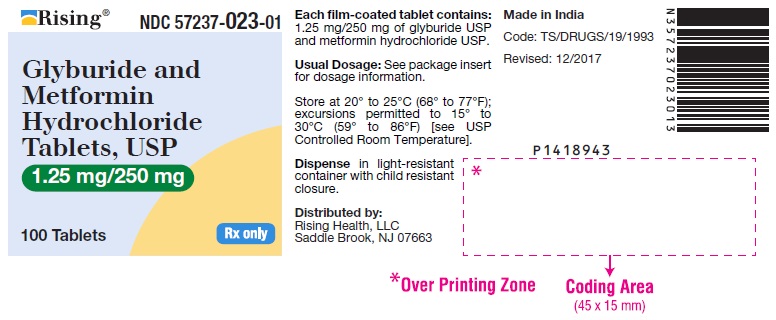
glyburide 5 MG Oral Tablet — Sulfonylureas. INDICATIONS AND USAGE Glyburide and metformin hydrochloride tablets is indicated as an adjunct to diet and exercise to improve glycemic control in…
Boxed warning
WARNING: LACTIC ACIDOSIS Postmarketing cases of metformin-associated lactic acidosis have resulted in death, hypothermia, hypotension, and resistant bradyarrhythmias. The onset of metformin associated lactic acidosis is often subtle, accompanied only by nonspecific symptoms such as malaise, myalgias, respiratory distress, somnolence, and abdominal pain. Metformin-associated lactic acidosis was characterized by elevated blood lactate levels (>5 mmol/Liter), anion gap acidosis (without evidence of ketonuria or ketonemia), an increased lactate/pyruvate ratio; and metformin plasma levels generally >5 mcg/mL [ see Warnings and Precautions ( 5.1 ) ]. Risk factors for metformin-associated lactic acidosis include renal impairment, concomitant use of certain drugs (e.g., carbonic anhydrase inhibitors such as topiramate), age 65 years old or greater, having a radiological study with contrast, surgery and other procedures, hypoxic states (e.g., acute congestive heart failure), excessive alcohol intake, hepatic impairment, and mitochondrial diseases [see Warnings and Precautions (5.1) ]. Steps to reduce the risk of and manage metformin-associated lactic acidosis in these high risk groups are provided [see Dosage and Administration ( 2.3 ), Contraindications ( 4 ) and Warnings and Precautions ( 5.1 ) ]. If metformin-associated lactic acidosis is suspected, immediately discontinue glyburide and metformin hydrochloride and institute general supportive measures in a hospital setting. Prompt hemodialysis is recommended [see Warnings and Precautions ( 5.1 ) ]. WARNING: LACTIC ACIDOSIS See full prescribing information for complete boxed warning. • Post-marketing cases of metformin-associated lactic acidosis have resulted in death, hypothermia, hypotension, and resistant bradyarrhythmias. Symptoms include malaise, myalgias, respiratory distress, somnolence, and abdominal pain. Laboratory abnormalities included elevated blood lactate levels, anion gap acidosis, increased lactate/pyruvate ratio; and metformin plasma levels generally >5 mcg/mL. ( 5.1 ) • Risk factors include renal impairment, concomitant use of certain drugs, age > 65 years old, radiological study with contrast, surgery and other procedures, hypoxic states, excessive alcohol intake, hepatic impairment , and mitochondrial diseases . Steps to reduce the risk of and manage metformin associated lactic acidosis in these high risk groups are provided in the Full Prescribing Information. ( 5.1 ) • If lactic acidosis is suspected, discontinue glyburide and metformin hydrochloride and institute general supportive measures in a hospital setting. Prompt hemodialysis is recommended. ( 5.1 )
Glyburide has several drug interactions that can affect its hypoglycemic action and pharmacokinetics.
moderatenon-steroidal anti-inflammatory agents — potentiation of hypoglycemic action
moderatesalicylates — potentiation of hypoglycemic action
moderatesulfonamides — potentiation of hypoglycemic action
moderatechloramphenicol — potentiation of hypoglycemic action
moderateprobenecid — potentiation of hypoglycemic action
moderatecoumarins — potentiation of hypoglycemic action
moderatemonoamine oxidase inhibitors — potentiation of hypoglycemic action
moderatebeta adrenergic blocking agents — potentiation of hypoglycemic action
majorbosentan — increased risk of liver enzyme elevations
unknownthiazides — may lead to loss of control
unknowncorticosteroids — may lead to loss of control
unknownphenothiazines — may lead to loss of control
unknownthyroid products — may lead to loss of control
unknownestrogens — may lead to loss of control
unknownoral contraceptives — may lead to loss of control
unknownphenytoin — may lead to loss of control
unknownnicotinic acid — may lead to loss of control
unknownsympathomimetics — may lead to loss of control
unknowncalcium channel blocking drugs — may lead to loss of control
unknownisoniazid — may lead to loss of control
moderateciprofloxacin — potentiation of hypoglycemic action
majororal miconazole — leading to severe hypoglycemia
unknownmetformin — uncertain clinical significance of interaction
unknowncolesevelam — reductions in glyburide AUC and C max
moderatetopiramate — reduction in glyburide exposure
Indications
INDICATIONS AND USAGE Glyburide and metformin hydrochloride tablets is indicated as an adjunct to diet and exercise to improve glycemic control in adults with type 2 diabetes mellitus. Glyburide and metformin hydrochloride tablets are a combination of glyburide, a sulfonylurea, and metformin hydrochloride (HCl), a biguanide, indicated as an adjunct to diet and exercise to improve glycemic control in adults with type 2 diabetes mellitus. ( 1 )
Dosage
DOSAGE AND ADMINISTRATION Patients should be retitrated when transferred from glyburide (micronized) tablets or other oral hypoglycemic agents (see Error! Hyperlink reference not valid.). There is no fixed dosage regimen for the management of diabetes mellitus with glyburide tablets. In addition to the usual monitoring of urinary glucose, the patient’s blood glucose must also be monitored periodically to determine the minimum effective dose for the patient; to detect primary failure, i.e. , inadequate lowering of blood glucose at the maximum recommended dose of medication; and to detect secondary failure, i.e. , loss of adequate blood glucose lowering response after an initial period of effectiveness. Glycosylated hemoglobin levels may also be of value in monitoring the patient’s response to therapy. Short-term administration of glyburide tablets may be sufficient during periods of transient loss of control in patients usually controlled well on diet. Usual Starting Dose The usual starting dose of glyburide tablets is 2.5 to 5 mg daily, administered with breakfast or the first main meal. Those patients who may be more sensitive to hypoglycemic drugs should be started at 1.25 mg daily. (See Error! Hyperlink reference not valid. section for patients at increased risk.) Failure to follow an appropriate dosage regimen may precipitate hypoglycemia. Patients who do not adhere to their prescribed dietary and drug regimen are more prone to exhibit unsatisfactory response to therapy. Transfer From Other Hypoglycemic Therapy Patients Receiving Other Oral Antidiabetic Therapy Transfer of patients from other oral antidiabetic regimens to glyburide tablets should be done conservatively and the initial daily dose should be 2.5 to 5 mg. When transferring patients from oral hypoglycemic agents other than chlorpropamide to glyburide tablets, no transition period and no initial or priming dose are necessary. When transferring patients from chlorpropamide, particular care should be exercised during the first two weeks because the prolonged retention of chlorpropamide in the body and subsequent overlapping drug effects may provoke hypoglycemia. Patients Receiving Insulin Some Type II diabetic patients being treated with insulin may respond satisfactorily to glyburide tablets. If the insulin dose is less than 20 units daily, substitution of glyburide tablets 2.5 to 5 mg as a single daily dose may be tried. If the insulin dose is between 20 and 40 units daily, the patient may be placed directly on glyburide tablets 5 mg daily as a single dose. If the insulin dose is more than 40 units daily, a transition period is required for conversion to glyburide tablets. In these patients, insulin dosage is decreased by 50% and glyburide tablets 5 mg daily is started. Please refer to Error! Hyperlink reference not valid. for further explanation. Patients Receiving Colesevelam When colesevelam is coadministered with glyburide, maximum plasma concentration and total exposure to glyburide is reduced. Therefore, glyburide tablets should be administered at least 4 hours prior to colesevelam. Titration to Maintenance Dose The usual maintenance dose is in the range of 1.25 to 20 mg daily, which may be given as a single dose or in divided doses (see Error! Hyperlink reference not valid. section). Dosage increases should be made in increments of no more than 2.5 mg at weekly intervals based upon the patient’s blood glucose response. No exact dosage relationship exists between glyburide tablets and the other oral hypoglycemic agents. Although patients may be transferred from the maximum dose of other sulfonylureas, the maximum starting dose of 5 mg of glyburide tablets should be observed. A maintenance dose of 5 mg of glyburide tablets provides approximately the same degree of blood glucose control as 250 to 375 mg chlorpropamide, 250 to 375 mg tolazamide, 500 to 750 mg acetohexamide, or 1000 to 1500 mg tolbutamide. When transferring patients receiving more than 40 units of insulin daily, they may be started on a daily dose of glyburide tablets 5 mg concomitantly with a 50% reduction in insulin dose. Progressive withdrawal of insulin and increase of glyburide tablets in increments of 1.25 to 2.5 mg every 2 to 10 days is then carried out. During this conversion period when both insulin and glyburide tablets are being used, hypoglycemia may occur. During insulin withdrawal, patients should test their urine for glucose and acetone at least three times daily and report results to their physician. The appearance of persistent acetonuria with glycosuria indicates that the patient is a Type I diabetic who requires insulin therapy. Concomitant Glyburide and Metformin Therapy Glyburide tablets should be added gradually to the dosing regimen of patients who have not responded to the maximum dose of metformin monotherapy after four weeks (see Error! Hyperlink reference not valid. and Error! Hyperlink reference not valid. ). Refer to metformin package insert. With concomitant glyburide and metformin therapy, the desired control of blood glucose may be obtained by adjusting the dose of each drug. However, attempts should be made to identify the optimal dose of each drug needed to achieve this goal. With concomitant glyburide and metformin therapy, the risk of hypoglycemia associated with sulfonylurea therapy continues and may be increased. Appropriate precautions should be taken (see Error! Hyperlink reference not valid. section). Maximum Dose Daily doses of more than 20 mg are not recommended. Dosage Interval Once-a-day therapy is usually satisfactory. Some patients, particularly those receiving more than 10 mg daily, may have a more satisfactory response with twice-a-day dosage. Specific Patient Populations Glyburide is not recommended for use in pregnancy or for use in pediatric patients. In elderly patients, debilitated or malnourished patients, and patients with impaired renal or hepatic function, the initial and maintenance dosing should be conservative to avoid hypoglycemic reactions (see Error! Hyperlink reference not valid. section).
Warnings
WARNINGS AND PRECAUTIONS • Lactic Acidosis: See boxed warning. ( 5.1 ) • Hypoglycemia: May be severe. Ensure proper patient selection, dosing, and instructions, particularly in at-risk populations (e.g., elderly, renally impaired) and when used with other anti-diabetic medications. ( 5.2 ) • Potential Increased Risk of Cardiovascular Mortality with Sulfonylureas: Inform patient of risks, benefits and treatment alternatives. ( 5.3 ) • Hemolytic anemia: Can occur if glucose 6-phosphate dehydrogenase (G6PD) deficient. Consider a non-sulfonylurea alternative. ( 5.4 ) • Vitamin B 12 Deficiency: Metformin may lower vitamin B 12 levels. • Measure hematological parameters annually and vitamin B 12 at 2 to 3 year intervals and manage any abnormalities. ( 5.5 ) 5.1 Lactic Acidosis There have been postmarketing cases of metformin-associated lactic acidosis, including fatal cases. These cases had a subtle onset and were accompanied by nonspecific symptoms such as malaise, myalgias, abdominal pain, respiratory distress, or increased somnolence; however, hypotension and resistant bradyarrhythmias have occurred with severe acidosis. Metformin-associated lactic acidosis was characterized by elevated blood lactate concentrations (>5 mmol/L), anion gap acidosis (without evidence of ketonuria or ketonemia), and an increased lactate: pyruvate ratio; metformin plasma levels were generally >5 mcg/mL. Metformin decreases liver uptake of lactate increasing lactate blood levels which may increase the risk of lactic acidosis, especially in patients at risk. If metformin-associated lactic acidosis is suspected, general supportive measures should be instituted promptly in a hospital setting, along with immediate discontinuation of glyburide and metformin hydrochloride. In Glyburide and metformin hydrochloride treated patients with a diagnosis or strong suspicion of lactic acidosis, prompt hemodialysis is recommended to correct the acidosis and remove accumulated metformin (metformin HCl is dialyzable with a clearance of up to 170 mL/min under good hemodynamic conditions). Hemodialysis has often resulted in reversal of symptoms and recovery. Educate patients and their families about the symptoms of lactic acidosis and, if these symptoms occur, instruct them to discontinue Glyburide and metformin hydrochloride and report these symptoms to their healthcare provider. For each of the known and possible risk factors for metformin-associated lactic acidosis, recommendations to reduce the risk of and manage metformin-associated lactic acidosis are provided below: • Renal Impairment —The postmarketing metformin-associated lactic acidosis cases primarily occurred in patients with significant renal impairment. The risk of metformin accumulation and metformin-associated lactic acidosis increases with the severity of renal impairment because metformin is substantially excreted by the kidney. Clinical recommendations based upon the patient’s renal function include [ see Dosage and Administration ( 2.1 ) , Clinical Pharmacology ( 12.3 ) ] : o Before initiating glyburide and metformin hydrochloride, obtain an estimated glomerular filtration rate (eGFR). o Glyburide and metformin hydrochloride is contraindicated in patients with an eGFR less than 30 mL/min/1.73 m 2 [ see CONTRAINDICATIONS ( 4 )]. o Initiation of glyburide and metformin hydrochloride is not recommended in patients with eGFR between 30 to 45 mL/min/1.73 m 2 . o Obtain an eGFR at least annually in all patient taking glyburide and metformin hydrochloride. In patients at risk for the development of renal impairment (e.g., the elderly), renal function should be assessed more frequently. o In patients taking glyburide and metformin hydrochloride whose eGFR falls below 45 mL/min/1.73 m 2 , assess the benefit and risk of continuing therapy. • Drug interactions —The concomitant use of glyburide and metformin hydrochloride with specific drugs may increase the risk of metformin-associated lactic acidosis: those that impair renal function, result in significant hemodynamic change, interfere with acid-base balance, or increase metformin accumulation [ see Drug Interactions ( 7 ) ]. Consider more frequent monitoring of patients. • Age 65 or Greater —The risk of metformin-associated lactic acidosis increases with the patient’s age because elderly patients have a greater likelihood of having hepatic, renal, or cardiac impairment than younger patients. Assess renal function more frequently in elderly patients. • Radiologic studies with contrast —Administration of intravascular iodinated contrast agents in metformin-treated patients has led to an acute decrease in renal function and the occurrence of lactic acidosis. Stop glyburide and metformin hydrochloride at the time of, or prior to, an iodinated contrast imaging procedure in patients with an eGFR between 30 and 60 mL/min/1.73 m 2 ; in patients with a history of hepatic impairment, alcoholism or heart failure, or in patients who will be administered intra-arterial iodinated contrast. Reevaluate eGFR 48 hours after the imaging procedure, and restart glyburide and metformin hydrochloride if renal function is stable. • Surgery and other procedures —Withholding of food and fluids during surgical or other procedures may increase the risk for volume depletion, hypotension, and renal impairment. Glyburide and metformin hydrochloride should be temporarily discontinued while patients have restricted food and fluid intake. • Hypoxic states —Several of the postmarketing cases of metformin-associated lactic acidosis occurred in the setting of acute congestive heart failure (particularly when accompanied by hypoperfusion and hypoxemia). Cardiovascular collapse (shock), acute myocardial infarction, sepsis, and other conditions associated with hypoxemia have been associated with lactic acidosis and may cause prerenal azotemia. When such an event occurs, discontinue glyburide and metformin hydrochloride. • Excessive Alcohol intake —Alcohol potentiates the effect of metformin on lactate metabolism. Patients should be warned against excessive alcohol intake, acute or chronic, while receiving glyburide and metformin hydrochloride. • Hepatic impairment —Patients with hepatic impairment have developed cases of metformin-associated lactic acidosis. This may be due to impaired lactate clearance resulting in higher lactate blood levels. Therefore, avoid use of glyburide and metformin hydrochloride in patients with clinical or laboratory evidence of hepatic disease. 5.2 Hypoglycemia All sulfonylurea drugs, including glyburide and metformin hydrochloride, are capable of producing severe hypoglycemia [ see Adverse Reactions ( 6 ) ]. Concomitant use of glyburide and metformin hydrochloride with other antidiabetic medication can increase the risk of hypoglycemia. A lower dose of glyburide and metformin hydrochloride may be required to minimize the risk of hypoglycemia when combining it with other antidiabetic medications. Educate patients to recognize and manage hypoglycemia. When initiating and increasing glyburide and metformin hydrochloride in patients who may be predisposed to hypoglycemia (e.g., the elderly, patients with renal impairment, patients on other anti-diabetic medications) start with a lower dose. Debilitated or malnourished patients, and those with adrenal, pituitary, or hepatic impairment are particularly susceptible to the hypoglycemic action of anti-diabetic medications. Hypoglycemia is also more likely to occur when caloric intake is deficient, after severe or prolonged exercise, or when alcohol is ingested. The patient's ability to concentrate and react may be impaired as a result of hypoglycemia. Early warning symptoms of hypoglycemia may be different or less pronounced in patients with autonomic neuropathy, the elderly, and in patients who are taking beta-adrenergic blocking medications or other sympatholytic agents. These situations may result in severe hypoglycemia before the patient is aware
Contraindications
CONTRAINDICATIONS Glyburide tablets are contraindicated in patients with: 1. Known hypersensitivity or allergy to the drug. 2. Diabetic ketoacidosis, with or without coma. This condition should be treated with insulin. 3. Type I diabetes mellitus. 4. Concomitant administration of bosentan. SPECIAL WARNING ON INCREASED RISK OF CARDIOVASCULAR MORTALITY The administration of oral hypoglycemic drugs has been reported to be associated with increased cardiovascular mortality as compared to treatment with diet alone or diet plus insulin. This warning is based on the study conducted by the University Group Diabetes Program (UGDP), a long-term prospective clinical trial designed to evaluate the effectiveness of glucose-lowering drugs in preventing or delaying vascular complications in patients with non-insulin-dependent diabetes. The study involved 823 patients who were randomly assigned to one of four treatment groups. UGDP reported that patients treated for 5 to 8 years with diet plus a fixed dose of tolbutamide (1.5 grams per day) had a rate of cardiovascular mortality approximately 2½ times that of patients treated with diet alone. A significant increase in total mortality was not observed, but the use of tolbutamide was discontinued based on the increase in cardiovascular mortality, thus limiting the opportunity for the study to show an increase in overall mortality. Despite controversy regarding the interpretation of these results, the findings of the UGDP study provide an adequate basis for this warning. The patient should be informed of the potential risks and advantages of glyburide tablets and of alternative modes of therapy. Although only one drug in the sulfonylurea class (tolbutamide) was included in this study, it is prudent from a safety standpoint to consider that this warning may also apply to other oral hypoglycemic drugs in this class, in view of their close similarities in mode of action and chemical structure .
Mechanism of action
CLINICAL PHARMACOLOGY Actions Glyburide appears to lower the blood glucose acutely by stimulating the release of insulin from the pancreas, an effect dependent upon functioning beta cells in the pancreatic islets. The mechanism by which glyburide lowers blood glucose during long-term administration has not been clearly established. With chronic administration in Type II diabetic patients, the blood glucose lowering effect persists despite a gradual decline in the insulin secretory response to the drug. Extrapancreatic effects may be involved in the mechanism of action of oral sulfonylurea hypoglycemic drugs. The combination of glyburide and metformin may have a synergistic effect, since both agents act to improve glucose tolerance by different but complementary mechanisms. Some patients who are initially responsive to oral hypoglycemic drugs, including glyburide tablets may become unresponsive or poorly responsive over time. Alternatively, glyburide tablets may be effective in some patients who have become unresponsive to one or more other sulfonylurea drugs. In addition to its blood glucose lowering actions, glyburide produces a mild diuresis by enhancement of renal free water clearance. Disulfiram-like reactions have very rarely been reported in patients treated with glyburide tablets. Pharmacokinetics Single dose studies with glyburide tablets in normal subjects demonstrate significant absorption of glyburide within one hour, peak drug levels at about four hours, and low but detectable levels at twenty-four hours. Mean serum levels of glyburide, as reflected by areas under the serum concentration-time curve, increase in proportion to corresponding increases in dose. Multiple dose studies with glyburide tablets, USP in diabetic patients demonstrate drug level concentration-time curves similar to single dose studies, indicating no buildup of drug in tissue depots. The decrease of glyburide in the serum of normal healthy individuals is biphasic; the terminal half-life is about 10 hours. In single dose studies in fasting normal subjects, the degree and duration of blood glucose lowering is proportional to the dose administered and to the area under the drug level concentration-time curve. The blood glucose lowering effect persists for 24 hours following single morning doses in nonfasting diabetic patients. Under conditions of repeated administration in diabetic patients, however, there is no reliable correlation between blood drug levels and fasting blood glucose levels. A one year study of diabetic patients treated with glyburide tablets showed no reliable correlation between administered dose and serum drug level. The major metabolite of glyburide is the 4-trans-hydroxy derivative. A second metabolite, the 3-cis-hydroxy derivative, also occurs. These metabolites probably contribute no significant hypoglycemic action in humans since they are only weakly active (1/400th and 1/40th as active, respectively, as glyburide)in rabbits. Glyburide is excreted as metabolites in the bile and urine, approximately 50% by each route. This dual excretory pathway is qualitatively different from that of other sulfonylureas, which are excreted primarily in the urine. Sulfonylurea drugs are extensively bound to serum proteins. Displacement from protein binding sites by other drugs may lead to enhanced hypoglycemic action. In vitro , the protein binding exhibited by glyburide is predominantly non-ionic, whereas that of other sulfonylureas (chlorpropamide, tolbutamide, tolazamide) is predominantly ionic. Acidic drugs such as phenylbutazone, warfarin, and salicylates displace the ionic-binding sulfonylureas from serum proteins to a far greater extent than the non-ionic binding glyburide. It has not been shown that this difference in protein binding will result in fewer drug-drug interactions with glyburide tablets in clinical use.
A drug lookup is just the start. Eleplan keeps the whole care plan in one place.
Medications, diagnoses, documents, appointments, and the whole care team — organized and always in sync, with Ellie, your AI care assistant, on top of it. Free to start.