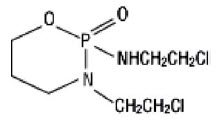
ifosfamide 1000 MG Injection — Nitrogen mustard analogues. INDICATIONS AND USAGE Ifosfamide for Injection is indicated for use in combination with certain other approved antineoplastic agents for third-line…
Boxed warning
WARNING: MYELOSUPPRESSION, ENCEPHALOPATHY, NEPHROTOXICITY and UROTOXICITY • Myelosuppression can be severe and lead to fatal infections. Monitor blood counts prior to and at intervals after each treatment cycle [see Warnings and Precautions (5.1) ]. • Encephalopathy can be severe and may result in death. Monitor for CNS toxicity and discontinue treatment for encephalopathy [see Warnings and Precautions (5.2) ]. • Nephrotoxicity can be severe and result in renal failure. Hemorrhagic cystitis can be severe and can be reduced by the prophylactic use of mesna [see Warnings and Precautions (5.3) ]. WARNING: MYELOSUPPRESSION, ENCEPHALOPATHY, NEPHROTOXICITY and UROTOXICITY See full prescribing information for complete boxed warning . • Myelosuppression can be severe and lead to fatal infections ( 5.1 ) • Encephalopathy can be severe and may result in death ( 5.2 ) • Nephrotoxicity can be severe and result in renal failure. Hemorrhagic cystitis can be severe. ( 5.3 )
Off Label Use2,746Febrile Neutropenia2,639Disease Progression2,089Neutropenia1,882Drug Ineffective1,557Thrombocytopenia1,513Anaemia1,229Pyrexia978
Indications
INDICATIONS AND USAGE Ifosfamide for Injection is indicated for use in combination with certain other approved antineoplastic agents for third-line chemotherapy of germ cell testicular cancer. It should be used in combination with mesna for prophylaxis of hemorrhagic cystitis. Ifosfamide for Injection is an alkylating drug indicated for use in combination with certain other approved antineoplastic agents for third-line chemotherapy of germ cell testicular cancer. It should be used in combination with mesna for prophylaxis of hemorrhagic cystitis. ( 1 )
Dosage
DOSAGE AND ADMINISTRATION • Administer Ifosfamide for Injection with extensive hydration consisting of at least 2 liters of oral or intravenous fluid per day to reduce the incidence or severity of bladder toxicity. ( 2.1 , 5.3 ) • Administer mesna with Ifosfamide for Injection to reduce the incidence or severity of hemorrhagic cystitis. ( 2.1 , 5.3 ) • Administer Ifosfamide for Injection as a slow intravenous infusion (at least 30 minutes) at a dose of 1.2 grams per m 2 per day for 5 consecutive days. Repeat every 3 weeks or after recovery from hematologic toxicity. ( 2.2 ) • Individualize the dose and dosing schedule of Ifosfamide for Injection based on patient risk factors and adverse reactions. ( 2.2 ) • See Full Prescribing Information for instructions on preparation and administration. ( 2.3 ) 2.1 Important Administration Instructions Administer Ifosfamide for Injection with extensive hydration consisting of at least 2 liters of oral or intravenous fluid per day to reduce the incidence or severity of bladder toxicity. Administer Ifosfamide for Injection with mesna to reduce the incidence or severity of hemorrhagic cystitis [see Warnings and Precautions (5.3) ]. 2.2 Recommended Dosage The recommended dosage of Ifosfamide for Injection is 1.2 grams per m2 per day administered as a slow intravenous infusion (lasting at least 30 minutes) for 5 consecutive days. Treatment is repeated every 3 weeks or after recovery from hematologic toxicity. Individualize the dose and dosing schedule of Ifosfamide for Injection based on patient risk factors and adverse reactions. 2.3 Preparation and Administration Ifosfamide for Injection is a hazardous drug. Follow applicable special handling and disposal procedures.1 Skin reactions associated with accidental exposure to Ifosfamide for Injection may occur. To minimize the risk of dermal exposure, always wear impervious gloves when handling vials and solutions containing Ifosfamide for Injection. If Ifosfamide for Injection solution contacts the skin or mucosa, immediately wash the skin thoroughly with soap and water or rinse the mucosa with copious amounts of water. Prepare Ifosfamide for Injection for intravenous use by adding Sterile Water for Injection, USP or Bacteriostatic Water for Injection, USP (benzyl alcohol or parabens preserved) to the vial and shaking to dissolve. Before administration, the substance must be completely dissolved. Use the quantity of diluents shown in below to reconstitute the product: Table 1: Ifosfamide for Injection Quantities for Dilution and Final Concentrations Dosage Strength Quantity of Diluent Final Concentration 1 gram 20 mL 50 mg per mL 3 grams 60 mL 50 mg per mL Solutions of ifosfamide may be diluted further to achieve concentrations of 0.6 to 20 mg/mL in the following fluids: • 5% Dextrose Injection, USP • 0.9% Sodium Chloride Injection, USP • Lactated Ringer’s Injections, USP • Sterile Water for Injection, USP Because essentially identical stability results were obtained for Sterile Water admixtures as for the other admixtures (5% Dextrose Injection, 0.9% Sodium Chloride Injection, and Lactated Ringer’s Injection), the use of large volume parenteral glass bottles, VIAFLEX bags or PAB bags that contain intermediate concentrations or mixtures of excipients (e.g., 2.5% Dextrose Injection, 0.45% Sodium Chloride Injection, or 5% Dextrose and 0.9% Sodium Chloride Injection) is also acceptable. Refrigerate constituted or constituted and further diluted solutions of Ifosfamide for Injection and use within 24 hours. Benzyl-alcohol-containing solutions can reduce the stability of ifosfamide. Parenteral drug products should be inspected visually for particulate matter and discoloration prior to administration, whenever solution and container permit.
Warnings
WARNINGS AND PRECAUTIONS • Myelosuppression: Monitor blood counts prior to treatment, during treatment, and as clinically indicated. ( 5.1 ) • Encephalopathy: Monitor for signs and symptoms of CNS toxicity during and after Ifosfamide for Injection treatment. Dose interruption or permanent discontinuation may be required based on individual safety and tolerability. ( 5.2 ) • Nephrotoxicity and Urotoxicity: Monitor signs and symptoms. Monitor serum and urine chemistries. (2.1, 5.3 ) • Cardiotoxicity: Arrhythmias, other ECG changes, and cardiomyopathy can occur and result in death. Cardiotoxicity is dose dependent and the risk is increased in patients with preexisting cardiac, treatment with other cardiotoxic agents, radiation, and renal impairment. ( 5.4 ) • Pulmonary toxicity: Interstitial pneumonitis, pulmonary fibrosis, and pulmonary toxicity with fatal outcomes can occur. Monitor for signs and symptoms of pulmonary toxicity and treat as clinically indicated. ( 5.5 ) • Secondary malignancies can occur. ( 5.6 ) • Veno-occlusive Liver Disease can occur. ( 5.7 ) • Embryo-Fetal Toxicity: Can cause fetal harm. Advise of potential risk to a fetus and use of effective contraception. ( 5.8 , 8.1 , 8.3 ) • Infertility: Can impair male and female reproductive function. ( 5.9 ) • Anaphylactic/anaphylactoid reactions have been reported. ( 5.10 ) 5.1 Myelosuppression Ifosfamide for Injection can cause myelosuppression that results in severe or fatal infections including sepsis or septic shock. Ifosfamide‑induced myelosuppression includes leukopenia, neutropenia, thrombocytopenia (with bleeding events), and anemia. The nadir of the leukocyte count usually occurs during the second week after administration of Ifosfamide for Injection. The risk of myelosuppression is dose‑dependent and increased in patients with reduced renal function, bone marrow metastases, prior radiation, and concomitant or prior therapy with other cytotoxic agents. Monitor complete blood counts, including leukocytes, neutrophils, platelets, and hemoglobin prior to each administration of Ifosfamide for Injection, at appropriate intervals during treatment, and as clinically indicated. Myelosuppression may require dosage delays. Avoid administration of Ifosfamide for Injection to patients with a WBC count below 2000/µL, a platelet count below 50,000/µL, or when signs or symptoms of active infection or severe immunosuppression are present. 5.2 Encephalopathy Ifosfamide for Injection can cause encephalopathy which may be fatal. Signs and symptoms may include confusion, somnolence, coma, hallucination, blurred vision, psychotic behavior, extrapyramidal symptoms, urinary incontinence, and seizures. Risk factors include high ifosfamide dosage, hypoalbuminemia, impaired renal function, poor performance status, bulky abdominal-pelvic disease, nephrotoxic treatments including cisplatin, CNS active drugs, or alcohol use. Signs and symptoms may occur or recur within hours to days after administration of Ifosfamide for Injection. Continue supportive care until complete resolution of CNS signs and symptoms. Monitor for signs and symptoms of encephalopathy during and after Ifosfamide for Injection treatment. Dose interruption or permanent discontinuation may be required based on individual safety and tolerability. Consider methylene blue for treatment of encephalopathy. 5.3 Nephrotoxicity and Urotoxicity Ifosfamide for Injection can cause severe or fatal nephrotoxicity and urotoxicity including glomerular or tubular dysfunction, tubular necrosis, renal parenchymal necrosis, acute renal failure, chronic renal failure, and hemorrhagic cystitis (requiring blood transfusion). Tubular damage may occur up to years after cessation of Ifosfamide for Injection treatment. The risk of nephrotoxicity is increased in patients with renal impairment or reduced nephron reserve. Hemorrhagic cystitis is dose‑dependent and the risk is increased with past or concomitant radiation of the bladder or busulfan treatment. Evaluate glomerular and tubular kidney function before treatment with Ifosfamide for Injection, during Ifosfamide for Injection treatment, and as clinically indicated. Monitor serum and urine chemistries (including phosphorus and potassium) and urinary sediment for the presence of erythrocytes or other signs of nephrotoxicity. Signs and symptoms may include a decrease in glomerular filtration rate, increased serum creatinine, proteinuria, enzymuria, cylindruria, aminoaciduria, phosphaturia, glycosuria, osteomalacia, tubular acidosis, Fanconi syndrome, and syndrome of inappropriate antidiuretic hormone secretion (SIADH). Before starting treatment, exclude or correct any urinary tract obstructions [see Contraindications (4) ]. During or immediately after administration, provide oral or intravenous fluid to force dieresis to reduce the risk of urinary tract toxicity. Administer mesna with Ifosfamide for Injection to reduce the incidence and severity of urotoxicity [see Dosage and Administration (2.1) ]. Obtain a urinalysis prior to each dose of Ifosfamide for Injection. Avoid administration of Ifosfamide for Injection in patients with active urinary tract infections. If microscopic hematuria (greater than 10 RBCs per high power field) is present, then withhold administration of Ifosfamide for Injection until complete resolution. Further administration of Ifosfamide for Injection should be given with vigorous oral or parenteral hydration. Dosage interruption or permanent discontinuation may be required based on individual safety and tolerability. 5.4 Cardiotoxicity Ifosfamide for Injection can cause severe or fatal cardiotoxicity including any of the following: • Supraventricular or ventricular arrhythmias, including atrial/supraventricular tachycardia, atrial fibrillation, pulseless ventricular tachycardia • Decreased QRS voltage and ST-segment or T-wave changes • Toxic cardiomyopathy leading to heart failure with congestion and hypotension • Pericardial effusion, fibrinous pericarditis, and epicardial fibrosis Cardiotoxic effects are dose‑dependent and the risk is increased in patients with cardiac disease, prior or concomitant treatment with other cardiotoxic agents, radiation of the cardiac region, and renal impairment. 5.5 Pulmonary Toxicity Ifosfamide for Injection can cause severe or fatal pulmonary toxicities including interstitial pneumonitis, pulmonary fibrosis, and respiratory failure. Monitor for signs and symptoms of pulmonary toxicity and treat as clinically indicated. 5.6 Secondary Malignancies The incidence of secondary malignancies is increased in patients treated with Ifosfamide for Injection-containing regimens. Cases of myelodysplastic syndrome, acute leukemias, lymphomas, thyroid cancers, and sarcomas have occurred and may develop several years after chemotherapy has been discontinued. 5.7 Veno-occlusive Liver Disease Veno-occlusive liver disease has been reported with chemotherapy that included ifosfamide. 5.8 Embryo-Fetal Toxicity Based on mechanism of action and human and animal data, Ifosfamide for Injection can cause fetal harm when administered to a pregnant woman [see Use in Specific Populations (8.1) , Clinical Pharmacology (12.1) and Nonclinical Toxicology (13.1) ]. Fetal growth retardation and neonatal anemia have been reported following exposure to ifosfamide‑containing chemotherapy regimens during pregnancy. Ifosfamide is genotoxic and mutagenic in male and female germ cells. Embryotoxic and teratogenic effects have been observed in mice, rats and rabbits at doses 0.05 to 0.075 times the human dose. Advise pregnant women and females of reproductive potential of the potential risk to the fetus [see Use in Specific Populations (8.1) ]. Verify the pregnancy status of females of reproductive potential prior to initiation of Ifosfamide for Injection. Advise females of reproductive potential to use effective contraception during treatment with Ifosfamide for Injection and for up to 12 months
Contraindications
CONTRAINDICATIONS Ifosfamide for Injection is contraindicated in patients with: • Known hypersensitivity to administration of ifosfamide. • Urinary outflow obstruction. • Known hypersensitivity to administration of ifosfamide. ( 4 ) • Urinary outflow obstruction. ( 4 )
Mechanism of action
Mechanism of Action Ifosfamide is a prodrug that requires metabolic activation by hepatic cytochrome P450 isoenzymes to exert its cytotoxic activity. Activation occurs by hydroxylation at the ring carbon atom forming the unstable intermediate 4-hydroxyifosfamide and its ring-opened aldo tautomer, which decomposes to yield the cytotoxic and urotoxic compound acrolein and an alkylating isophosphoramide mustard as well as multiple other nontoxic products. The exact mechanism of action of ifosfamide has not been determined, but its cytotoxic action is primarily through DNA crosslinks caused by alkylation by the isophosphoramide mustard at guanine N-7 positions. The formation of inter- and intra-strand cross-links in the DNA results in cell death.
A drug lookup is just the start. Eleplan keeps the whole care plan in one place.
Medications, diagnoses, documents, appointments, and the whole care team — organized and always in sync, with Ellie, your AI care assistant, on top of it. Free to start.