Clinical drug
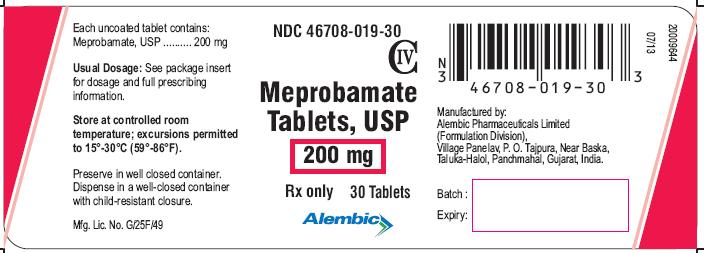
meprobamate 400 MG Oral Tablet
400 MG · Oral Tablet · oral
A form of meprobamate →
meprobamate 400 MG Oral Tablet — Carbamates. INDICATIONS AND USAGE Meprobamate tablets are indicated for the management of anxiety disorders or for the short-term relief of the symptoms of anxiet
Active ingredient
Classification
Carbamates
Indications
INDICATIONS AND USAGE Meprobamate tablets are indicated for the management of anxiety disorders or for the short-term relief of the symptoms of anxiety. Anxiety or tension associated with the stress of everyday life usually do not require treatment with an anxiolytic. The effectiveness of meprobamate tablets in long-term use, that is, more than 4 months, has not been assessed by systematic clinical studies. The physician should periodically reassess the usefulness of the drug for the individual patient.
Dosage
DOSAGE AND ADMINISTRATION Meprobamate Tablets USP: The usual adult daily dosage is 1200mg to 1600 mg, in three or four divided doses; a daily dosage above 2400 mg is not recommended. The usual daily dosage for children ages six to twelve years is 200 mg to 600 mg, in two or three divided doses. Not recommended for children under age 6 (see Usage in Children ).
Warnings
WARNINGS Drug Dependence Physical dependence, psychological dependence, and abuse have occurred. When chronic intoxication from prolonged use occurs, it usually involves ingestion of greater than recommended doses and is manifested by ataxia, slurred speech, and vertigo. Therefore, careful supervision of dose and amounts prescribed is advised, as well as avoidance of prolonged administration, especially for alcoholics and other patients with a known propensity for taking excessive quantities of drugs. Sudden withdrawal of the drug after prolonged and excessive use may precipitate recurrence of pre-existing symptoms such as anxiety, anorexia, insomnia, or withdrawal reactions such as vomiting, ataxia, tremors, muscle twitching, confusional states, hallucinosis, and rarely, convulsive seizures. Such seizures are more likely to occur in persons with central nervous system damage or pre-existent or latent convulsive disorders. Onset of withdrawal symptoms occurs usually within 12 to 48 hours after discontinuation of meprobamate; symptoms usually cease within the next 12 to 48 hours. When excessive dosage has continued for weeks or months, dosage should be reduced gradually over a period of one or two weeks rather than abruptly stopped. Alternatively, a long-acting barbiturate may be substituted, then gradually withdrawn. Potentially Hazardous Tasks Patients should be warned that meprobamate may impair the mental and/or physical abilities required for performance of potentially hazardous tasks such as driving or operating machinery. Additive Effects Since the effects of meprobamate and alcohol or meprobamate and other CNS depressants or psychotropic drugs may be additive, appropriate caution should be exercised with patients who take more than one of these agents simultaneously. Usage in Pregnancy and Lactation An increased risk of congenital malformations associated with the use of minor tranquilizers (meprobamate, chlordiazepoxide and diazepam) during the first trimester of pregnancy has been suggested in several studies. Because use of these drugs is rarely a matter of urgency, their use during this period should almost always be avoided. The possibility that a woman of childbearing potential may be pregnant at the time of institution of therapy should be considered. Patients should be advised that if they become pregnant during therapy or intend to become pregnant they should communicate with their physician about the desirability of discontinuing the drug. Meprobamate passes the placental barrier. It is present both in umbilical cord blood at or near maternal plasma levels and in breast milk of lactating mothers at concentrations two to four times that of maternal plasma. When use of meprobamate is contemplated in breastfeeding patients, the drug's higher concentration in breast milk as compared to maternal plasma should be considered. Usage in Children Meprobamate tablets should not be administered to children under age six, since there is a lack of documented evidence for safety and effectiveness in this age group.
Contraindications
CONTRAINDICATIONS Acute intermittent porphyria as well as allergic or idiosyncratic reactions to meprobamate or related compounds such as carisoprodol, mebutamate, tybamate, or carbromal.
Mechanism of action
CLINICAL PHARMACOLOGY Meprobamate is a carbamate derivative which has been shown in animal studies to have effects at multiple sites in the central nervous system including the thalamus and limbic system.
Indicated ICD-10 codes
Source: RxNorm + openFDA + RxClass + FAERS · 2026
Look up another medication