nifedipine 10 MG Oral Capsule
Managing this medication for someone you care for? Eleplan keeps diagnoses, medications and appointments in one plan.
Start free with EleplanClinical drug
nifedipine 10 MG Oral Capsule
10 MG · Oral Capsule · oral
A form of nifedipine →
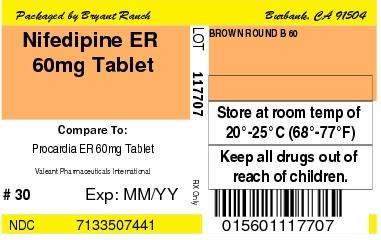
nifedipine 10 MG Oral Capsule — Beta blocking agents and calcium channel blockers. INDICATIONS AND USAGE I. Vasospastic Angina Nifedipine Extended-release Tablet is indicated for the management of vasospastic angina confirmed by…
Active ingredient
Classification
Beta blocking agents and calcium channel blockersDihydropyridine Calcium Channel Blocker
Drug interactions
Nifedipine has several drug interactions that can affect its metabolism and efficacy.
- majorCYP3A inhibitors — increased exposure to nifedipine
- majorCYP3A inducers — reduced bioavailability and efficacy of nifedipine
- moderatequinidine — increased exposure to nifedipine
- moderatediltiazem — increased exposure to nifedipine
- majorverapamil — increased exposure to nifedipine
- moderatebenazepril — hypotensive effect observed
- moderatedoxazosin — increased exposure to nifedipine
- moderatedigoxin — increased plasma concentrations of digoxin
- moderatetimolol — increased likelihood of hypotension
- majorbeta-adrenergic blocking drugs — increased likelihood of congestive heart failure or severe hypotension
Indications
INDICATIONS AND USAGE I. Vasospastic Angina Nifedipine Extended-release Tablet is indicated for the management of vasospastic angina confirmed by any of the following criteria: 1) classical pattern of angina at rest accompanied by ST segment elevation, 2) angina or coronary artery spasm provoked by ergonovine, or 3) angiographically demonstrated coronary artery spasm. In those patients who have had angiography, the presence of significant fixed obstructive disease is not incompatible with the diagnosis of vasospastic angina, provided that the above criteria are satisfied. Nifedipine Extended-release Tablet may also be used where the clinical presentation suggests a possible vasospastic component but where vasospasm has not been confirmed, e.g., where pain has a variable threshold on exertion or in unstable angina where electrocardiographic findings are compatible with intermittent vasospasm, or when angina is refractory to nitrates and/or adequate doses of beta-blockers. II. Chronic Stable Angina (Classical Effort-Associated Angina) Nifedipine Extended-release Tablet is indicated for the management of chronic stable angina (effort-associated angina) without evidence of vasospasm in patients who remain symptomatic despite adequate doses of beta-blockers and/or organic nitrates or who cannot tolerate those agents. In chronic stable angina (effort-associated angina) nifedipine has been effective in controlled trials of up to eight weeks duration in reducing angina frequency and increasing exercise tolerance, but confirmation of sustained effectiveness and evaluation of long-term safety in these patients is incomplete. Controlled studies in small numbers of patients suggest concomitant use of nifedipine and beta-blocking agents may be beneficial in patients with chronic stable angina, but available information is not sufficient to predict with confidence the effects of concurrent treatment, especially in patients with compromised left ventricular function or cardiac conduction abnormalities. When introducing such concomitant therapy, care must be taken to monitor blood pressure closely since severe hypotension can occur from the combined effects of the drugs (see WARNINGS .) III. Hypertension Nifedipine Extended-release Tablet is indicated for the treatment of hypertension. It may be used alone or in combination with other antihypertensive agents. Nifedipine Extended-release Tablet is indicated for the treatment of hypertension, to lower blood pressure. Lowering blood pressure reduces the risk of fatal and nonfatal cardiovascular events, primarily strokes and myocardial infarctions. These benefits have been seen in controlled trials of antihypertensive drugs from a wide variety of pharmacologic classes including Nifedipine Extended-release Tablet. Control of high blood pressure should be part of comprehensive cardiovascular risk management, including, as appropriate, lipid control, diabetes management, antithrombotic therapy, smoking cessation, exercise, and limited sodium intake. Many patients will require more than one drug to achieve blood pressure goals. For specific advice on goals and management, see published guidelines, such as those of the National High Blood Pressure Education Program’s Joint National Committee on Prevention, Detection, Evaluation, and Treatment of High Blood Pressure (JNC). Numerous antihypertensive drugs, from a variety of pharmacologic classes and with different mechanisms of action, have been shown in randomized controlled trials to reduce cardiovascular morbidity and mortality, and it can be concluded that it is blood pressure reduction, and not some other pharmacologic property of the drugs, that is largely responsible for those benefits. The largest and most consistent cardiovascular outcome benefit has been a reduction in the risk of stroke, but reductions in myocardial infarction and cardiovascular mortality also have been seen regularly. Elevated systolic or diastolic pressure causes increased cardiovascular risk, and the absolute risk increase per mmHg is greater at higher blood pressures, so that even modest reductions of severe hypertension can provide substantial benefit. Relative risk reduction from blood pressure reduction is similar across populations with varying absolute risk, so the absolute benefit is greater in patients who are at higher risk independent of their hypertension (for example, patients with diabetes or hyperlipidemia), and such patients would be expected to benefit from more aggressive treatment to a lower blood pressure goal. Some antihypertensive drugs have smaller blood pressure effects (as monotherapy) in black patients, and many antihypertensive drugs have additional approved indications and effects (e.g., on angina, heart failure, or diabetic kidney disease). These considerations may guide selection of therapy. Nifedipine Extended-release Tablet may be used alone or in combination with other antihypertensive agents.
Dosage
DOSAGE AND ADMINISTRATION Dosage must be adjusted according to each patient’s needs. Therapy for either hypertension or angina should be initiated with 30 or 60 mg once daily. Nifedipine extended-release tablets, USP should be swallowed whole and should not be bitten or divided. In general, titration should proceed over a 7 to 14 day period so that the physician can fully assess the response to each dose level and monitor blood pressure before proceeding to higher doses. Since steady-state plasma levels are achieved on the second day of dosing, titration may proceed more rapidly, if symptoms so warrant, provided the patient is assessed frequently. Titration to doses above 120 mg are not recommended. Angina patients controlled on nifedipine capsules alone or in combination with other antianginal medications may be safely switched to nifedipine extended-release tablets, USP at the nearest equivalent total daily dose (e.g., 30 mg t.i.d. of nifedipine capsules may be changed to 90 mg once daily of nifedipine extended-release tablets, USP). Subsequent titration to higher or lower doses may be necessary and should be initiated as clinically warranted. Experience with doses greater than 90 mg in patients with angina is limited. Therefore, doses greater than 90 mg should be used with caution and only when clinically warranted. Avoid co-administration of nifedipine with grapefruit juice (see CLINICAL PHARMACOLOGY and PRECAUTIONS: Other Interactions). No “rebound effect” has been observed upon discontinuation of nifedipine extended-release tablets, USP. However, if discontinuation of nifedipine is necessary, sound clinical practice suggests that the dosage should be decreased gradually with close physician supervision. Care should be taken when dispensing nifedipine extended-release tablets, USP to assure that the extended release dosage form has been prescribed. Co-Administration with Other Antianginal Drugs Sublingual nitroglycerin may be taken as required for the control of acute manifestations of angina, particularly during nifedipine titration. See PRECAUTIONS, Drug Interactions, for information on co-administration of nifedipine with beta blockers or long-acting nitrates.
Warnings
WARNINGS Excessive Hypotension Although, in most patients, the hypotensive effect of nifedipine is modest and well tolerated, occasional patients have had excessive and poorly tolerated hypotension. These responses have usually occurred during initial titration or at the time of subsequent upward dosage adjustment. Although patients have rarely experienced excessive hypotension on nifedipine alone, this may be more common in patients on concomitant beta-blocker therapy. Although not approved for this purpose, nifedipine capsules and other immediate-release nifedipine capsules have been used (orally and sublingually) for acute reduction of blood pressure. Several well-documented reports describe cases of profound hypotension, myocardial infarction, and death when immediate-release nifedipine was used in this way. Nifedipine capsules should not be used for the acute reduction of blood pressure. Severe hypotension and/or increased fluid volume requirements have been reported in patients receiving nifedipine together with a beta-blocking agent who underwent coronary artery bypass surgery using high dose fentanyl anesthesia. The interaction with high dose fentanyl appears to be due to the combination of nifedipine and a beta-blocker, but the possibility that it may occur with nifedipine alone, with low doses of fentanyl, in other surgical procedures, or with other narcotic analgesics cannot be ruled out. In nifedipine treated patients where surgery using high dose fentanyl anesthesia is contemplated, the physician should be aware of these potential problems and, if the patient’s condition permits, sufficient time (at least 36 hours) should be allowed for nifedipine to be washed out of the body prior to surgery. Increased Angina and/or Myocardial Infarction Rarely, patients, particularly those who have severe obstructive coronary artery disease, have developed well documented increased frequency, duration, and/or severity of angina or acute myocardial infarction on starting nifedipine or at the time of dosage increase. The mechanism of this effect is not established. Several well-controlled, randomized trials studied the use of immediate-release nifedipine in patients who had just sustained myocardial infarctions. In none of these trials did immediaterelease nifedipine appear to provide any benefit. In some of the trials, patients who received immediate-release nifedipine had significantly worse outcomes than patients who received placebo. Nifedipine capsules should not be administered within the first week or two after myocardial infarction and they should also be avoided in the setting of acute coronary syndrome (when infarction may be imminent). Use in Essential Hypertension Nifedipine capsules 10 mg and other immediate-release nifedipine capsules have also been used for the long-term control of essential hypertension, although nifedipine capsules have not been approved for this purpose and no properly controlled studies have been conducted to define an appropriate dose or dose interval for such treatment. Nifedipine capsules should not be used for the control of essential hypertension. Beta-Blocker Withdrawal Patients recently withdrawn from beta-blockers may develop a withdrawal syndrome with increased angina, probably related to increased sensitivity to catecholamines. Initiation of nifedipine treatment will not prevent this occurrence and might be expected to exacerbate it by provoking reflex catecholamine release. There have been occasional reports of increased angina in a setting of beta-blocker withdrawal and nifedipine initiation. It is important to taper beta-blockers if possible, rather than stopping them abruptly before beginning nifedipine. Congestive Heart Failure Rarely, patients, usually those receiving a beta-blocker, have developed heart failure after beginning nifedipine. Patients with tight aortic stenosis may be at greater risk for such an event, as the unloading effect of nifedipine would be expected to be of less benefit to these patients, owing to their fixed impedance to flow across the aortic valve. Excessive Hypotension Although, in most patients, the hypotensive effect of nifedipine is modest and well tolerated, occasional patients have had excessive and poorly tolerated hypotension. These responses have usually occurred during initial titration or at the time of subsequent upward dosage adjustment. Although patients have rarely experienced excessive hypotension on nifedipine alone, this may be more common in patients on concomitant beta-blocker therapy. Although not approved for this purpose, nifedipine capsules and other immediate-release nifedipine capsules have been used (orally and sublingually) for acute reduction of blood pressure. Several well-documented reports describe cases of profound hypotension, myocardial infarction, and death when immediate-release nifedipine was used in this way. Nifedipine capsules should not be used for the acute reduction of blood pressure. Severe hypotension and/or increased fluid volume requirements have been reported in patients receiving nifedipine together with a beta-blocking agent who underwent coronary artery bypass surgery using high dose fentanyl anesthesia. The interaction with high dose fentanyl appears to be due to the combination of nifedipine and a beta-blocker, but the possibility that it may occur with nifedipine alone, with low doses of fentanyl, in other surgical procedures, or with other narcotic analgesics cannot be ruled out. In nifedipine treated patients where surgery using high dose fentanyl anesthesia is contemplated, the physician should be aware of these potential problems and, if the patient’s condition permits, sufficient time (at least 36 hours) should be allowed for nifedipine to be washed out of the body prior to surgery. Increased Angina and/or Myocardial Infarction Rarely, patients, particularly those who have severe obstructive coronary artery disease, have developed well documented increased frequency, duration, and/or severity of angina or acute myocardial infarction on starting nifedipine or at the time of dosage increase. The mechanism of this effect is not established. Several well-controlled, randomized trials studied the use of immediate-release nifedipine in patients who had just sustained myocardial infarctions. In none of these trials did immediaterelease nifedipine appear to provide any benefit. In some of the trials, patients who received immediate-release nifedipine had significantly worse outcomes than patients who received placebo. Nifedipine capsules should not be administered within the first week or two after myocardial infarction and they should also be avoided in the setting of acute coronary syndrome (when infarction may be imminent). Use in Essential Hypertension Nifedipine capsules 10 mg and other immediate-release nifedipine capsules have also been used for the long-term control of essential hypertension, although nifedipine capsules have not been approved for this purpose and no properly controlled studies have been conducted to define an appropriate dose or dose interval for such treatment. Nifedipine capsules should not be used for the control of essential hypertension. Beta-Blocker Withdrawal Patients recently withdrawn from beta-blockers may develop a withdrawal syndrome with increased angina, probably related to increased sensitivity to catecholamines. Initiation of nifedipine treatment will not prevent this occurrence and might be expected to exacerbate it by provoking reflex catecholamine release. There have been occasional reports of increased angina in a setting of beta-blocker withdrawal and nifedipine initiation. It is important to taper beta-blockers if possible, rather than stopping them abruptly before beginning nifedipine. Congestive Heart Failure Rarely, patients, usually those receiving a beta-blocker, have developed heart failure after beginning nifedipine. Patients with tight aortic stenosis may be at greater
Contraindications
CONTRAINDICATIONS Concomitant administration with strong P450 inducers, such as rifampin, are contraindicated since the efficacy of nifedipine tablets could be significantly reduced. (See PRECAUTIONS , Drug Interactions . ) Nifedipine must not be used in cases of cardiogenic shock. Nifedipine extended-release tablets are contraindicated in patients with a known hypersensitivity to any component of the tablet.
Mechanism of action
CLINICAL PHARMACOLOGY Nifedipine is a calcium ion influx inhibitor (slow-channel blocker or calcium ion antagonist) which inhibits the transmembrane influx of calcium ions into vascular smooth muscle and cardiac muscle. The contractile processes of vascular smooth muscle and cardiac muscle are dependent upon the movement of extracellular calcium ions into these cells through specific ion channels. Nifedipine selectively inhibits calcium ion influx across the cell membrane of vascular smooth muscle and cardiac muscle without altering serum calcium concentrations. Mechanism of Action The mechanism by which nifedipine reduces arterial blood pressure involves peripheral arterial vasodilatation and, consequently, a reduction in peripheral vascular resistance. The increased peripheral vascular resistance, an underlying cause of hypertension, results from an increase in active tension in the vascular smooth muscle. Studies have demonstrated that the increase in active tension reflects an increase in cytosolic free calcium. Nifedipine is a peripheral arterial vasodilator which acts directly on vascular smooth muscle. The binding of nifedipine to voltage-dependent and possibly receptor-operated channels in vascular smooth muscle results in an inhibition of calcium influx through these channels. Stores of intracellular calcium in vascular smooth muscle are limited and thus dependent upon the influx of extracellular calcium for contraction to occur. The reduction in calcium influx by nifedipine causes arterial vasodilation and decreased peripheral vascular resistance which results in reduced arterial blood pressure. Pharmacokinetics and Metabolism Nifedipine is completely absorbed after oral administration. The bioavailability of nifedipine as nifedipine extended-release tablets relative to immediate release nifedipine is in the range of 84% to 89%. After ingestion of nifedipine extended-release tablets under fasting conditions, plasma concentrations peak at about 2.5 to 5 hours with a second small peak or shoulder evident at approximately 6 to 12 hours post dose. The elimination half-life of nifedipine administered as nifedipine extended-release tablets are approximately 7 hours in contrast to the known 2 hour elimination half-life of nifedipine administered as an immediate release capsule. When nifedipine extended-release tablet is administered as multiples of 30 mg tablets over a dose range of 30 mg to 90 mg, the area under the curve (AUC) is dose proportional; however, the peak plasma concentration for the 90 mg dose given as 3 x 30 mg is 29% greater than predicted from the 30 mg and 60 mg doses. Two 30 mg nifedipine extended-release tablets may be interchanged with a 60 mg nifedipine extended-release tablet. Three 30 mg nifedipine extended-release tablets, however, result in substantially higher C max values than those after a single 90 mg nifedipine extended-release tablet. Three 30 mg tablets should, therefore, not be considered interchangeable with a 90 mg tablet. Once daily dosing of nifedipine extended-release tablets under fasting conditions results in decreased fluctuations in the plasma concentration of nifedipine when compared to t.i.d. dosing with immediate release nifedipine capsules. The mean peak plasma concentration of nifedipine following a 90 mg nifedipine extended-release tablet, administered under fasting conditions, is approximately 115 ng/mL. When nifedipine extended-release tablets are given immediately after a high fat meal in healthy volunteers, there is an average increase of 60% in the peak plasma nifedipine concentration, a prolongation in the time to peak concentration, but no significant change in the AUC. Plasma concentrations of nifedipine when nifedipine extended-release tablets are taken after a fatty meal result in slightly lower peaks compared to the same daily dose of the immediate release formulation administered in three divided doses. This may be, in part, because nifedipine extended-release tablets are less bioavailable than the immediate release formulation. Nifedipine is extensively metabolized to highly water soluble, inactive metabolites accounting for 60% to 80% of the dose excreted in the urine. Only traces (less than 0.1% of the dose) of the unchanged form can be detected in the urine. The remainder is excreted in the feces in metabolized form, most likely as a result of biliary excretion. Nifedipine is metabolized via the cytochrome P450 3A4 system. Drugs that are known to either inhibit or induce this enzyme system may alter the first pass or clearance of nifedipine. No studies have been performed with nifedipine extended-release tablets in patients with renal failure; however, significant alterations in the pharmacokinetics of nifedipine immediate release capsules have not been reported in patients undergoing hemodialysis or chronic ambulatory peritoneal dialysis. Since the absorption of nifedipine from nifedipine extended-release tablets could be modified by renal disease, caution should be exercised in treating such patients. Because nifedipine is metabolized via the cytochrome P450 3A4 system, its pharmacokinetics may be altered in patients with chronic liver disease. Nifedipine extended-release tablets have not been studied in patients with hepatic disease; however, in patients with hepatic impairment (liver cirrhosis) nifedipine has a longer elimination half-life and higher bioavailability than in healthy volunteers. The degree of protein binding of nifedipine is high (92% to 98%). Protein binding may be greatly reduced in patients with renal or hepatic impairment. After administration of nifedipine extended-release tablets to healthy elderly men and women (age > 60 years), the mean C max is 36% higher and the average plasma concentration is 70% greater than in younger patients. In healthy subjects, the elimination half-life of a different sustained release nifedipine formulation was longer in elderly subjects (6.7 h) compared to young subjects (3.8 h) following oral administration. A decreased clearance was also observed in the elderly (348 mL/min) compared to young subjects (519 mL/min) following intravenous administration. Co-administration of nifedipine with grapefruit juice results in up to a 2-fold increase in AUC and C max , due to inhibition of CYP3A related first-pass metabolism. Ingestion of grapefruit and grapefruit juice should be avoided while taking nifedipine. Clinical Studies Nifedipine extended-release tablets produced dose-related decreases in systolic and diastolic blood pressure as demonstrated in two double-blind, randomized, placebo-controlled trials in which over 350 patients were treated with nifedipine extended-release tablets 30 mg, 60 mg or 90 mg once daily for 6 weeks. In the first study, nifedipine extended-release tablets were given as monotherapy and in the second study, nifedipine extended-release tablets were added to a beta-blocker in patients not controlled on a beta-blocker alone. The mean trough (24 hours post-dose) blood pressure results from these studies are shown below: MEAN REDUCTIONS IN TROUGH SUPINE BLOOD PRESSURE (mmHg) SYSTOLIC/DIASTOLIC STUDY 1 NIFEDIPINE EXTENDED-RELEASE TABLETS DOSE N MEAN TROUGH REDUCTION* 30 MG 60 5.3/2.9 60 MG 57 8.0/4.1 90 MG 55 12.5/8.1 STUDY 2 NIFEDIPINE EXTENDED-RELEASE TABLETS DOSE N MEAN TROUGH REDUCTION* 30 MG 58 7.6/3.8 60 MG 63 10.1/5.3 90 MG 62 10.2/5.8 * Placebo response subtracted. The trough/peak ratios estimated from 24 hour blood pressure monitoring ranged from 41% to 78% for diastolic and 46% to 91% for systolic blood pressure. Hemodynamics Like other slow-channel blockers, nifedipine exerts a negative inotropic effect on isolated myocardial tissue. This is rarely, if ever, seen in intact animals or man, probably because of reflex responses to its vasodilating effects. In man, nifedipine decreases peripheral vascular resistance which leads to a fall in systolic and diastolic pressures, usually minimal in normotensive
Source: RxNorm + openFDA + RxClass + FAERS · 2026
Look up another medication