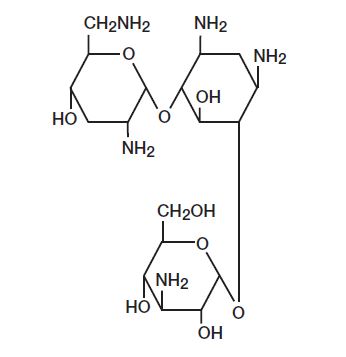
tobramycin 40 MG/ML Injectable Solution — Other aminoglycosides. INDICATIONS AND USAGE Tobramycin for Injection, is an aminoglycoside antibacterial indicated for the treatment of serious bacterial infections…
Boxed warning
WARNING: NEPHROTOXICITY, OTOTOXICITY AND EMBRYO-FETAL TOXICITY WARNING: NEPHROTOXICITY, OTOTOXICITY, NEURO MUSCULAR BLOCKADE AND FETAL HARM See full prescribing information for complete boxed warning. Nephrotoxicity Tobramycin for Injection may cause acute kidney injury. Monitor renal function and serum tobramycin concentrations in all patients. Reduce the dose or discontinue the Tobramycin for Injection if renal impairment occurs. ( 5.1 ) Ototoxicity Tobramycin for Injection may cause irreversible auditory and vestibular toxicity. Monitor for symptoms of ototoxicity, and for renal function and serum tobramycin levels in all patients. Reduce the dose or discontinue the Tobramycin for Injection if impairment of renal function occurs. Discontinue Tobramycin for Injection if ototoxicity occurs. ( 5.2 ) Neuromuscular Blockade Aminoglycosides have been associated with neuromuscular blockade. During therapy with Tobramycin for Injection, monitor for adverse reactions associated with neuromuscular blockade, particularly in high-risk patients ( 5.5 ) Embryo-Fetal Toxicity Tobramycin for Injection and other aminoglycosides can cause fetal harm when administered to a pregnant woman. Apprise pregnant women of the potential hazard to the fetus. ( 5.3 , 8.1 ) Nephrotoxicity Tobramycin for Injection can result in acute kidney injury, including acute renal failure. Risk factors that may contribute to nephrotoxicity include tobramycin accumulation (increasing serum trough levels), high peak concentrations (above 12 mcg/mL), total cumulative dose, advanced age, volume depletion and concurrent or sequential use of other nephrotoxic drugs. Avoid concurrent or sequential use of other potentially nephrotoxic drugs. Monitor serum tobramycin levels and renal function in all patients during drug treatment. Reduce the dose or discontinue the Tobramycin for Injection if renal impairment occurs [see Warnings and Precautions ( 5.1 )] . Ototoxicity Tobramycin for Injection can cause irreversible auditory and vestibular toxicity that may continue to develop after the drug has been discontinued. Risk factors include high serum concentrations, prolonged therapy, renal impairment, concurrent and sequential use of other nephrotoxic or ototoxic drugs (e.g. aminoglycosides), and extremes of age. Avoid concurrent or sequential use with other potentially ototoxic drugs. Monitor for signs and symptoms of auditory and vestibular toxicity. Reduce the dose or discontinue the Tobramycin for Injection if renal impairment occurs. Discontinue the Tobramycin for Injection if ototoxicity occurs. [see Warnings and Precautions ( 5.2 )]. Neuromuscular Blockade Aminoglycosides have been associated with neuromuscular blockade. During therapy with Tobramycin for Injection, monitor for adverse reactions associated with neuromuscular blockade, particularly in high-risk patients, such as patients with underlying neuromuscular disorders (including myasthenia gravis) or in patients concomitantly receiving neuromuscular blocking agents [see Warnings and Precautions ( 5.5 )]. Embryo-Fetal Toxicity Tobramycin and other aminoglycosides can cause fetal harm when administered to a pregnant woman. If Tobramycin for Injection is used during pregnancy or if the patient becomes pregnant while taking tobramycin, apprise the patient of the potential hazard to the fetus [see Warnings and Precautions ( 5.3 ) and Use in Specific Populations ( 8.1 )].
Tobramycin inhalation solution has several drug interactions that should be avoided due to the potential for enhanced toxicity.
majorethacrynic acid — possible enhancement of aminoglycoside toxicity
majorfurosemide — possible enhancement of aminoglycoside toxicity
majorurea — possible enhancement of aminoglycoside toxicity
majorintravenous mannitol — possible enhancement of aminoglycoside toxicity
majordiuretics — possible enhancement of aminoglycoside toxicity
Indications
INDICATIONS AND USAGE Tobramycin for Injection, is an aminoglycoside antibacterial indicated for the treatment of serious bacterial infections caused by susceptible isolates of the designated bacteria in the diseases listed below ( 1.1 ): Septicemia in the pediatric patient and adults caused by P. aeruginosa , E. coli , and Klebsiella species (spp). Lower respiratory tract infections caused by P. aeruginosa, Klebsiella spp, Enterobacter spp, Serratia spp, E. coli, and S. aureus Serious central nervous system infections (meningitis) caused by susceptible organisms. Intra-abdominal infections, including peritonitis, caused by E. coli, Klebsiella spp., and Enterobacter spp. Skin, bone, and skin structure infections caused by P. aeruginosa, Proteus spp, E. coli, Klebsiella spp., Enterobacter spp., and S. aureus. Complicated urinary tract infections caused by P. aeruginosa , Proteus spp., (indole-positive and indole-negative), E. coli , Klebsiella spp., Enterobacter spp., Serratia spp., S. aureus , Providencia spp., and Citrobacter spp. To reduce the development of drug-resistant bacteria and maintain the effectiveness of Tobramycin for Injection and other antibacterial drugs, Tobramycin for Injection should be used only to treat or prevent infections that are proven or strongly suspected to be caused by bacteria ( 1.2 ). 1.1 Septicemia Tobramycin for Injection is indicated for the treatment of septicemia caused by susceptible isolates of P. aeruginosa, E. coli, and Klebsiella spp., in adult and pediatric patients. 1.2 Lower Respiratory Tract Infections Tobramycin for Injection is indicated for the treatment of lower respiratory tract infections caused by susceptible isolates of P. aeruginosa, Klebsiella spp., Enterobacter spp., Serratia spp., E. coli, and S. aureus in adult and pediatric patients. 1.3 Central Nervous System Infections (Meningitis) Tobramycin for Injection is indicated for the treatment of bacterial meningitis caused by susceptible bacteria in adult and pediatric patients. 1.4 Intra-abdominal Infections Tobramycin for Injection is indicated for the treatment of intra-abdominal infections, including peritonitis, caused by susceptible isolates of E. coli, Klebsiella spp., and Enterobacter spp. in adult and pediatric patients. 1.5 Skin and Skin Structure Infections Tobramycin for Injection is indicated for the treatment of skin and skin structure infections caused by susceptible isolates of P. aeruginosa, Proteus spp., E. coli, Klebsiella spp., Enterobacter spp., and S. aureus in adult and pediatric patients. 1.6 Bone Infections Tobramycin for Injection is indicated for the treatment of bone infections caused by susceptible isolates of P. aeruginosa, Proteus spp., E. coli, Klebsiella spp., Enterobacter spp., and S. aureus in adult and pediatric patients 1.7 Complicated and Recurrent Urinary Tract Infections Tobramycin for Injection is indicated for the treatment of complicated urinary tract infections caused by susceptible isolates of P. aeruginosa, Proteus spp., (indole-positive and indole-negative), E. coli, Klebsiella spp., Enterobacter spp., Serratia spp., S. aureus, Providencia spp., and Citrobacter spp. in adult and pediatric patients 1.8 Usage To reduce the development of drug-resistant bacteria and maintain the effectiveness of Tobramycin for Injection and other antibacterial drugs, Tobramycin for Injection should be used only to treat or prevent infections that are proven or strongly suspected to be caused by susceptible bacteria. When culture and susceptibility information are available, they should be considered in selecting or modifying antibacterial therapy. In the absence of such data, local epidemiology and susceptibility patterns may contribute to the empiric selection of therapy.
Dosage
DOSAGE AND ADMINISTRATION PHARMACY BULK PACKAGE-Not for Direct Infusion: Dispense single doses to many patients in a pharmacy admixture program. Pharmacy bulk package vial must be reconstituted and diluted prior to intravenous administration ( 2.1 , 2.8 ) Recommended adult dosages are as follows: Serious Infections: Administer 3 mg/kg/day in 3 equal doses (i.e. 1 mg/kg every 8 hours) Life-threatening Infections: Administer up to 5 mg/kg in 3 or 4 equal doses See full prescribing information for the recommended dosage for pediatric patients ( 2.3 ), patients with cystic fibrosis ( 2.5 ), patients with renal impairment ( 2.6 ), and obese patients ( 2.7 ). 2.1 Important Preparation and Administration Instructions Pharmacy Bulk Package-Not for Direct Infusion Tobramycin for Injection Pharmacy Bulk Package is intended for dispensing of single doses to many patients in a hospital pharmacy admixture service. It should only be prepared in an aseptic work area, such as a laminar flow hood. Tobramycin for Injection Pharmacy Bulk Package vial must be reconstituted and diluted prior to intravenous administration [see Dosage and Administration ( 2.8 )] . After reconstitution, the closure may be penetrated only one time using a suitable sterile transfer device or dispensing set, which allows measured dispensing of the contents. Use of a syringe and needle is not recommended as it may cause leakage. After penetration, the entire contents of the bulk vial must be dispensed within 24 hours. Do not administer Tobramycin for Injection as a direct, undiluted intravenous injection. 2.2 Dosage for Adult Patients with Normal Renal Function Tobramycin for Injection may be given intramuscularly or intravenously. Recommended dosages are the same for both routes. The recommended dosage is as follows: Adult Patients Adults with Serious Infections 3 mg/kg/day administered in 3 equal doses of 1 mg/kg every 8 hours. Adults with Life-Threatening Infections Up to 5 mg/kg/day may be administered in 3 or 4 equal doses (see Table 1 ). The dosage should be reduced to 3 mg/kg/day as soon as clinically indicated. To prevent increased toxicity due to excessive serum concentrations, dosage should not exceed 5 mg/kg/day unless serum concentrations are monitored [see Boxed Warning , Warnings and Precautions ( 5.2 )]. Table 1 DOSAGE SCHEDULE GUIDE FOR ADULTS WITH NORMAL RENAL FUNCTION (Dosage at 8-Hour Intervals) For Patient Weighing Usual Dose for Serious Infections 1 mg/kg Every 8 hours (h) kg lb (Total, 3 mg/kg/day) mg/dose mL/dose* q8h 120 264 120 mg 3 mL 115 253 115 mg 2.9 mL 110 242 110 mg 2.75 mL 105 231 105 mg 2.6 mL 100 220 100 mg 2.5 mL 95 209 95 mg 2.4 mL 90 198 90 mg 2.25 mL 85 187 85 mg 2.1 mL 80 176 80 mg 2 mL 75 165 75 mg 1.9 mL 70 154 70 mg 1.75 mL 65 143 65 mg 1.6 mL 60 132 60 mg 1.5 mL 55 121 55 mg 1.4 mL 50 110 50 mg 1.25 mL 45 99 45 mg 1.1 mL 40 88 40 mg 1 mL *Applicable to all product forms except the Tobramycin Injection, USP, (Pediatric). For Patient Weighing Maximum Dose for Life- Threatening Infections (Reduce as soon as possible) 1.66 mg/kg Every 8 hours kg lb (Total, 5 mg/kg/day) mg/dose mL/dose* Every 8h 120 264 200 mg 5 mL 115 253 191 mg 4.75 mL 110 242 183 mg 4.5 mL 105 231 175 mg 4.4 mL 100 220 166 mg 4.2 mL 95 209 158 mg 4 mL 90 198 150 mg 3.75 mL 85 187 141 mg 3.5 mL 80 176 133 mg 3.3 mL 75 165 125 mg 3.1 mL 70 154 116 mg 2.9 mL 65 143 108 mg 2.7 mL 60 132 100 mg 2.5 mL 55 121 91 mg 2.25 mL 50 110 83 mg 2.1 mL 45 99 75 mg 1.9 mL 40 88 66 mg 1.6 mL 2.3 Dosage for Pediatric Patients Pediatric Patients (Greater than 1 Week of Age): 6 to 7.5 mg/kg/day administered in 3 or 4 equally divided doses (2 to 2.5 mg/kg every 8 hours or 1.5 to 1.9 mg/kg every 6 hours). Premature or Full-Term Neonates (1 Week of Age or Less): Up to 4 mg/kg/day may be administered in 2 equal doses every 12 hours. 2.4 Duration of Treatment for Adult and Pediatric Patients The usual duration of treatment for adult and pediatric patients is 7 to10 days. A longer course of therapy may be necessary in complicated infections. In such cases, monitoring of renal, auditory, and vestibular functions is advised, because neurotoxicity is more likely to occur when treatment is extended longer than 10 days. 2.5 Dosage in Patients with Cystic Fibrosis or Burns In patients with cystic fibrosis, altered pharmacokinetics may result in reduced serum concentrations of aminoglycosides. An initial dosing regimen of 10 mg/kg/day in 4 equally divided doses is suggested as a guide. The serum concentrations of tobramycin should be monitored during treatment due to wide inter-patient variability. Similarly, altered pharmacokinetics may result in reduced serum concentrations in patients with extensive burns. Monitoring tobramycin serum concentration in these patients is especially important as a basis for determination of appropriate dosage [see Dosage and Administration ( 2.9 )] . 2.6 Dosage for Patients with Renal Impairment Following a loading dose of 1 mg/kg, subsequent dosage in these patients must be adjusted, either with reduced doses administered at 8-hour intervals or with normal doses given at prolonged intervals. Both of these methods are suggested as guides and dose should be adjusted based on serum concentration. The dosage adjustment for patients with renal impairment are based on either the creatinine clearance level or the serum creatinine level of the patient because these values correlate with the half-life of tobramycin. The dosage schedule derived from either method should be used in conjunction with careful clinical and laboratory observations of the patient and serum tobramycin concentration monitoring and should be modified as necessary. Neither method should be used when dialysis is being performed. Reduced dosage at 8-hour intervals When the creatinine clearance rate is less than or equal to 70 mL per minute or when the serum creatinine value is known, the amount of the reduced dose can be determined by multiplying the normal dose in adult patients from Table 1 by the percent of the normal dosage from the accompanying nomogram in Figure 1 below. Figure 1: NOMOGRAM Figure 1: NOMOGRAM Normal dosage at prolonged intervals If the creatinine clearance rate is not available and the patient's condition is stable, a dosage frequency in hours for the recommended adult dose can be determined by multiplying the patient's serum creatinine by 6. 2.7 Dosage in Obese Patients The appropriate dose may be calculated by using the patient's estimated lean body weight plus 40% of the excess as the weight on which to determine the dose in mg/kg. 2.8 Instructions for Preparation and Intravenous Administration Tobramycin for Injection is supplied as a dry powder in a pharmacy bulk package vial that contains the equivalent of 1.2 g of tobramycin. The contents of the vial must be reconstituted and diluted prior to intravenous administration as follows: Reconstitute the contents of the pharmacy bulk package vial aseptically with 30 mL of Sterile Water for Injection, USP to provide a reconstituted solution containing 40 mg of tobramycin per mL. Dilute the reconstituted pharmacy bulk vial prior to intravenous administration by adding a specified volume of the reconstituted solution to 50 to 100 mL (for adult doses) of diluent (0.9% Sodium Chloride Injection or 5% Dextrose Injection) for each patient. For pediatric patients, the volume of diluent should be proportionately less than for adults. After penetration, entire contents of pharmacy bulk vial should be dispensed within 24 hours. Visually inspect for particulate matter and discoloration prior to administration The diluted solution should be intravenously infused over a period of 20 to 60 minutes. Intravenous infusion periods of less than 20 minutes are not recommended because peak serum concentrations may exceed 12 mcg/mL [see Dosage and Administration ( 2.9 )] . 2.9 Measurement of Serum Concentrations of Tobramycin Measure peak and trough serum tobramycin concentra
Warnings
WARNINGS AND PRECAUTIONS Caution should be exercised when prescribing tobramycin inhalation solution to patients with known or suspected auditory, vestibular, renal, or neuromuscular dysfunction. ( 5.1 , 5.2 , 5.3 and 5.5 ) Aminoglycoside may aggravate muscle weakness because of a potential curare-like effect on neuromuscular function. ( 5.3 ) Bronchospasm can occur with inhalation of tobramycin inhalation solution. ( 5.4 ) Audiograms, serum concentration, and renal function should be monitored as appropriate. ( 5.2 and 5.5 ) Fetal harm can occur when aminoglycosides are administered to a pregnant woman. Apprise women of the potential hazard to the fetus. ( 5.6 ) 5.1 Ototoxicity Ototoxicity with use of tobramycin inhalation solution Caution should be exercised when prescribing tobramycin inhalation solution to patients with known or suspected auditory or vestibular dysfunction. Findings related to ototoxicity as measured by audiometric evaluations and auditory adverse event reports were similar between tobramycin inhalation solution and placebo in controlled clinical trials. Hearing loss was reported in two (1.1%) tobramycin inhalation solution-treated patients and in one (0.9%) placebo-treated patient during clinical studies. Additionally, dizziness and vertigo, both of which may be manifestations of vestibular forms of ototoxicity, were observed in similar numbers of tobramycin inhalation solution- and placebo-treated patients. Dizziness occurred in two (1.1%) tobramycin inhalation solution-treated patients and one (0.9%) placebo-treated patient and vertigo occurred in two (1.1%) tobramycin inhalation solution-treated patients versus no placebo patients in clinical studies. None of the tobramycin inhalation solution patients discontinued their therapy due to hearing loss, dizziness or vertigo. Tinnitus may be a sentinel symptom of ototoxicity. No reports of tinnitus occurred in patients during clinical studies with tobramycin inhalation solution, but because it has been observed with inhaled tobramycin solutions [see Adverse Reactions (6.2) ] , onset of this symptom warrants caution. Ototoxicity, manifested as both auditory and vestibular toxicity, has been reported with parenteral aminoglycosides. Vestibular toxicity may be manifested by vertigo, ataxia or dizziness. Patients with known or suspected auditory or vestibular dysfunction should be closely monitored when taking tobramycin inhalation solution. Monitoring may include obtaining audiometric evaluations and serum tobramycin levels. If ototoxicity is noted, the patient should be managed as medically appropriate, including potentially discontinuing tobramycin inhalation solution. Risk of Ototoxicity Due to Mitochondrial DNA Variants Cases of ototoxicity with aminoglycosides have been observed in patients with certain variants in the mitochondrially encoded 12S rRNA gene ( MT-RNR1 ), particularly the m.1555A>G variant. Ototoxicity occurred in some patients even when their aminoglycoside serum levels were within the recommended range. Mitochondrial DNA variants are present in less than 1% of the general US population, and the proportion of the variant carriers who may develop ototoxicity as well as the severity of ototoxicity is unknown. In case of known maternal history of ototoxicity due to aminoglycoside use or a known mitochondrial DNA variant in the patient, consider alternative treatments other than aminoglycosides unless the increased risk of permanent hearing loss is outweighed by the severity of infection and lack of safe and effective alternative therapies. 5.2 Nephrotoxicity Caution should be exercised when prescribing tobramycin inhalation solution to patients with known or suspected renal dysfunction. Nephrotoxicity was not seen during tobramycin inhalation solution clinical studies but has been associated with aminoglycosides as a class. Patients with known or suspected renal dysfunction or taking concomitant nephrotoxic drugs along with tobramycin inhalation solution should have serum concentrations of tobramycin and laboratory measurements of renal function obtained at the discretion of the treating physician. If nephrotoxicity develops, the patient should be managed as medically appropriate, including potentially discontinuing tobramycin inhalation solution until serum concentrations fall below 2 mcg/mL. Twenty-six (14%) tobramycin inhalation solution patients and 15 (13%) placebo patients had increases in serum creatinine of at least 50% over baseline. Follow-up values were obtained for 17 of the 26 tobramycin inhalation solution patients, all of which decreased to serum creatinine values that were within normal laboratory ranges. Patients who experience an increase in serum creatinine during treatment with tobramycin inhalation solution should have their renal function closely monitored. 5.3 Neuromuscular Disorders Tobramycin inhalation solution should be used cautiously in patients with muscular disorders. Aminoglycosides, including tobramycin, may aggravate muscle weakness because of a potential curare-like effect on neuromuscular function. Neuromuscular blockade, respiratory failure, and prolonged respiratory paralysis may occur more commonly in patients with underlying neuromuscular disorders, such as myasthenia gravis or Parkinson's disease. Prolonged respiratory paralysis may also occur in patients receiving concomitant neuromuscular blocking agents. If neuromuscular blockade occurs, it may be reversed by the administration of calcium salts but mechanical assistance may be necessary. 5.4 Bronchospasm Bronchospasm has been reported with inhalation of tobramycin. In clinical studies with tobramycin inhalation solution, bronchospasm was observed in one (0.5%) tobramycin inhalation solution-treated patient and in no placebo-treated patients. Wheezing occurred in ten (5%) tobramycin inhalation solution-treated patients and four (4%) placebo-treated patients. Bronchospasm and wheezing should be treated as medically appropriate. 5.5 Laboratory Tests Audiograms Clinical studies of inhaled tobramycin solutions did not identify hearing loss using audiometric tests which evaluated hearing up to 8000 Hz. Physicians should consider an audiogram for patients who show any evidence of auditory dysfunction, or who are at increased risk for auditory dysfunction. Tinnitus may be a sentinel symptom of ototoxicity, and therefore the onset of this symptom warrants caution. Serum Concentrations In patients with normal renal function treated with tobramycin inhalation solution, serum tobramycin concentrations range from approximately 0.06-1.89 mcg/mL one hour after dose administration and do not require routine monitoring. Serum concentrations of tobramycin in patients with renal dysfunction or patients treated with concomitant parenteral tobramycin should be monitored at the discretion of the treating physician [see Clinical Pharmacology (12.3) ] . The serum concentration of tobramycin should only be monitored through venipuncture and not finger prick blood sampling. Contamination of the skin of the fingers with tobramycin may lead to falsely increased measurements of serum levels of the drug. This contamination cannot be completely avoided by hand washing before testing. Renal Function The clinical studies of tobramycin inhalation solution did not reveal any imbalance in the percentage of patients who experienced at least a 50% rise in serum creatinine from baseline in either the tobramycin inhalation solution group (n=26, 14%) or the placebo group (n=15, 13%). Laboratory tests of urine and renal function should be conducted at the discretion of the treating physician. 5.6 Embryo-Fetal Toxicity Aminoglycosides can cause fetal harm when administered to a pregnant woman. Aminoglycosides cross the placenta, and streptomycin has been associated with several reports of total, irreversible, bilateral congenital deafness in pediatric patients exposed in utero . However, systemic absorption of tob
Contraindications
CONTRAINDICATIONS TOBRADEX ST, as with other ophthalmic corticosteroids, is contraindicated in most viral diseases of the cornea and conjunctiva, including epithelial herpes simplex keratitis (dendritic keratitis), vaccinia, and varicella, and also in mycobacterial infection of the eye and fungal diseases of ocular structures. ( 4.1 ) Hypersensitivity to any component of the medication ( 4.2 ) 4.1 Nonbacterial Etiology TOBRADEX ST, as with other ophthalmic corticosteroids, is contraindicated in most viral diseases of the cornea and conjunctiva, including epithelial herpes simplex keratitis (dendritic keratitis), vaccinia, and varicella, and also in mycobacterial infection of the eye and fungal diseases of ocular structures. 4.2 Hypersensitivity Hypersensitivity to a component of the medication.
Mechanism of action
CLINICAL PHARMACOLOGY Tobramycin is rapidly absorbed following intramuscular administration. Peak serum concentrations of tobramycin occur between 30 and 90 minutes after intramuscular administration. Following an intramuscular dose of 1 mg/kg of body weight, maximum serum concentrations reach about 4 mcg/mL, and measurable levels persist for as long as 8 hours. Therapeutic serum levels are generally considered to range from 4 to 6 mcg/mL. When tobramycin sulfate is administered by intravenous infusion over a 1-hour period, the serum concentrations are similar to those obtained by intramuscular administration. Tobramycin is poorly absorbed from the gastrointestinal tract. In patients with normal renal function, except neonates, tobramycin administered every 8 hours does not accumulate in the serum. However, in those patients with reduced renal function and in neonates, the serum concentration of the antibiotic is usually higher and can be measured for longer periods of time than in normal adults. Dosage for such patients must, therefore, be adjusted accordingly (see DOSAGE AND ADMINISTRATION ). Following parenteral administration, little, if any, metabolic transformation occurs, and tobramycin is eliminated almost exclusively by glomerular filtration. Renal clearance is similar to that of endogenous creatinine. Ultra filtration studies demonstrate that practically no serum protein binding occurs. In patients with normal renal function, up to 84% of the dose is recoverable from the urine in 8 hours and up to 93% in 24 hours. Peak urine concentrations ranging from 75 to 100 mcg/mL have been observed following the intramuscular injection of a single dose of 1 mg/kg. After several days of treatment, the amount of tobramycin excreted in the urine approaches the daily dose administered. When renal function is impaired, excretion of tobramycin sulfate is slowed, and accumulation of the drug may cause toxic blood levels. The serum half-life in normal individuals is 2 hours. An inverse relationship exists between serum half-life and creatinine clearance, and the dosage schedule should be adjusted according to the degree of renal impairment (see DOSAGE AND ADMINISTRATION ). In patients undergoing dialysis, 25% to 70% of the administered dose may be removed, depending on the duration and type of dialysis. Tobramycin can be detected in tissues and body fluids after parenteral administration. Concentrations in bile and stools ordinarily have been low, which suggests minimum biliary excretion. Tobramycin has appeared in low concentration in the cerebrospinal fluid following parenteral administration, and concentrations are dependent on dose, rate of penetration, and degree of meningeal inflammation. It has also been found in sputum, peritoneal fluid, synovial fluid, and abscess fluids, and it crosses the placental membranes. Concentrations in the renal cortex are several times higher than the usual serum levels. Probenecid does not affect the renal tubular transport of tobramycin. Microbiology Tobramycin is an aminoglycoside antibiotic with activity against Gram-positive and Gram-negative bacteria. Mechanism of Action Tobramycin acts by inhibiting synthesis of protein in bacterial cells. In vitro tests demonstrate that tobramycin is bactericidal. Interactions with Other Antibiotics: Although most strains of enterococci demonstrate in vitro resistance, some strains in this group are susceptible. In vitro studies have shown that an aminoglycoside combined with an antibiotic that interferes with cell-wall synthesis affects some enterococcal strains synergistically. The combination of penicillin G and tobramycin results in a synergistic bactericidal effect in vitro against certain strains of Enterococcus faecalis . However, this combination is not synergistic against other closely related organisms, e.g., Enterococcus faecium . Speciation of enterococci alone cannot be used to predict susceptibility. Susceptibility testing and tests for antibiotic synergism are emphasized. Cross-Resistance : Cross-resistance between aminoglycosides may occur. Tobramycin has been shown to be active against most strains of the following organisms both in vitro and in clinical infections: (see INDICATIONS AND USAGE ) . Aerobic and facultative Gram-positive microorganisms Staphylococcus aureus Aerobic and facultative Gram-negative microorganisms Citrobacter sp Enterobacter sp Escherichia coli Klebsiella sp Morganella morganii Pseudomonas aeruginosa Proteus mirabilis Proteus vulgaris Providencia sp Serratia sp Aminoglycosides have a low order of activity against most Gram-positive organisms, including Streptococcus pyogenes , Streptococcus pneumoniae , and enterococci. Susceptibility Test: For specific information regarding susceptibility test interpretive criteria and associated test methods and quality control standards recognized by FDA for this drug, please see: https://www.fda.gov/STIC.
A drug lookup is just the start. Eleplan keeps the whole care plan in one place.
Medications, diagnoses, documents, appointments, and the whole care team — organized and always in sync, with Ellie, your AI care assistant, on top of it. Free to start.