Tavaborole
Managing this medication for someone you care for? Eleplan keeps diagnoses, medications and appointments in one plan.
Start free with EleplanMedication reference
Tavaborole
Oxaborole Antifungal [EPC] — TOPICAL
Tavaborole — Oxaborole Antifungal [EPC]. INDICATIONS & USAGE Tavaborole topical solution, 5% is an oxaborole antifungal indicated for the treatment of onychomycosis of the toenails due to…
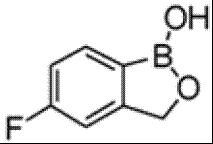
Brand names
TavaboroleTAVABOROLEtavaborole
Active ingredients
TAVABOROLE
Indications
INDICATIONS & USAGE Tavaborole topical solution, 5% is an oxaborole antifungal indicated for the treatment of onychomycosis of the toenails due to Trichophyton rubrum or Trichophyton mentagrophytes. Tavaborole topical solution is an oxaborole antifungal indicated for the topical treatment of onychomycosis of the toenails due to Trichophyton rubrum or Trichophyton mentagrophytes . ( 1 ) ( 1 )
Dosage
DOSAGE & ADMINISTRATION Apply tavaborole topical solution to affected toenails once daily for 48 weeks. Tavaborole topical solution should be applied to the entire toenail surface and under the tip of each toenail being treated. Tavaborole topical solution is for topical use only and not for oral, ophthalmic, or intravaginal use. Apply tavaborole topical solution to affected toenails once daily for 48 weeks. ( 2 ) Tavaborole topical solution should be applied to the entire toenail surface and under the tip of each toenail being treated. ( 2 ) For topical use only. ( 2 ) Not for oral, ophthalmic, or intravaginal use. ( 2 ) ( 2 )
Contraindications
CONTRAINDICATIONS None. None. ( 4 )
Adverse reactions
ADVERSE REACTIONS Common adverse reactions occurring in ≥1% in subjects treated with tavaborole topical solution included application site exfoliation, ingrown toenail, application site erythema, and application site dermatitis. (6.1) To report SUSPECTED ADVERSE REACTIONS, contact Encube Ethicals Private Limited at 1-833-285-4151 or FDA at 1-800-FDA-1088 or www.fda.gov/medwatch . 6.1 Clinical Trials Experience Because clinical trials are conducted under widely varying conditions, adverse reaction rates observed in the clinical trials of a drug cannot be directly compared to rates in the clinical trials of another drug and may not reflect the rates observed in practice. In two clinical trials, 791 subjects were treated with Tavaborole topical solution. The most commonly reported adverse reactions are listed below (Table 1). Table 1 : Adverse Reactions Occurring in ≥1% of Tavaborole topical solution, 5%-Treated Subjects and at a Greater Frequency than Observed with Vehicle Preferred Term Tavaborole topical solution N= 791 n(%) Vehicle N= 395 n(%) Application site exfoliation 21 (2.7%) 1 (0.3%) Ingrown toenail 20 (2.5%) 1 (0.3%) Application site erythema 13 (1.6%) 0 (0%) Application site dermatitis 10 (1.3%) 0 (0%) 6.2 Postmarketing Experience The following adverse reactions have been identified during postmarketing use of Tavaborole topical solution. Because these reactions are reported voluntarily from a population of uncertain size, it is not always possible to reliably estimate their frequency or establish a causal relationship to drug product exposure: Hypersensitivity; contact allergy
Mechanism of action
CLINICAL PHARMACOLOGY 12.1 Mechanism of Action Tavaborole topical solution is an oxaborole antifungal [see Clinical Pharmacology (12.4) ]. 12.2 Pharmacodynamics At therapeutic doses, tavaborole topical solution is not expected to prolong QTc to any clinically relevant extent. 12.3 Pharmacokinetics Tavaborole undergoes extensive metabolism. Renal excretion is the major route of elimination of the metabolites. In a clinical pharmacology trial of six healthy adult male volunteers who received a single topical application of 5% 14 C-tavaborole solution, tavaborole conjugates and metabolites were shown to be excreted primarily in the urine. The pharmacokinetics of tavaborole was investigated in 24 subjects with distal subungual onychomycosis involving at least 4 toenails (including at least 1 great toenail) following a single dose and a 2-week daily topical application of 200 μL of a 5% solution of tavaborole to all ten toenails and 2 mm of skin surrounding each toenail. Steady state was achieved after 14 days of dosing. After a single dose, the mean (± standard deviation) peak concentration (C max ) of tavaborole was 3.5 ± 2.3 ng/mL (n=21 with measurable concentrations, range 0.618–10.2 ng/mL, LLOQ=0.5 ng/mL), and the mean AUC last was 44.4 ± 25.5 ng*hr/mL (n=21). After 2 weeks of daily dosing, the mean C max was 5.2 ± 3.5 ng/mL (n=24, range 1.51–12.8 ng/mL), and the mean AUC τ was 75.8 ± 44.5 ng*hr/mL. In another study PK of tavaborole was investigated in 22 subjects aged 12 years to less than 17 years with distal subungual onychomycosis involving at least 4 toenails (including at least 1 great toenail with at least 20% involvement) following once daily application of 5% solution of tavaborole to all ten toenails and 2 mm of skin surrounding each toenail for 29 days. On Day 29, the mean ± SD C max was 5.9 ± 4.9 ng/mL (n=21 with measurable concentrations, range 1.0 -16.4 ng/mL, LLOQ=0.5 ng/mL), and the mean ± SD AUC 0-24 was 76.0 ± 62.5 ng*hr/mL. Drug Interaction Studies In Vitro Studies In vitro studies have shown that tavaborole, at therapeutic concentrations, neither inhibits nor induces cytochrome P450 (CYP450) enzymes. 12.4 Microbiology Mechanism of Action The mechanism of action of tavaborole is inhibition of fungal protein synthesis. Tavaborole inhibits protein synthesis by inhibition of an aminoacyl-transfer ribonucleic acid (tRNA) synthetase (AARS). Activity in vitro and in clinical infections Tavaborole has been shown to be active against most strains of the following microorganisms, both in vitro and in clinical infections [see Indications and Usage (1) ]: Trichophyton rubrum Trichophyton mentagrophytes Mechanism of Resistance Trichophyton mentagrophytes and Trichophyton rubrum strains from isolates collected in the clinical trials have not demonstrated resistance following repeated exposure to tavaborole.
Available forms (2)
NDC examples
21922-02070771-182662332-46769097-68646708-46751862-69062135-663
Indicated ICD-10 codes
Treats these conditions
Source: openFDA + RxNorm · 2026
Look up another medication