Technescan Tc 99m Mertiatide
Managing this medication for someone you care for? Eleplan keeps diagnoses, medications and appointments in one plan.
Start free with EleplanMedication reference
Technescan Tc 99m Mertiatide
INTRAVENOUS
Technescan Tc 99m Mertiatide. INDICATIONS AND USAGE Technetium Tc 99m mertiatide is a renal imaging agent for use in the diagnosis of congenital and acquired abnormalities, renal…
Brand names
Technescan MAG3
Active ingredients
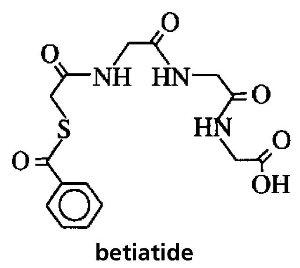
BETIATIDE
Indications
INDICATIONS AND USAGE Technetium Tc 99m mertiatide is a renal imaging agent for use in the diagnosis of congenital and acquired abnormalities, renal failure, urinary tract obstruction, and calculi in adults and pediatric patients. (See Pediatric Use. ) It is a diagnostic aid in providing renal function, split function, renal angiograms, and renogram curves for whole kidney and renal cortex.
Dosage
DOSAGE AND ADMINISTRATION The suggested dose range employed in the average adult patient (70 kg) for renal function and imaging studies is 185 MBq (5 mCi) to 370 MBq (10 mCi). In pediatric patients the recommended dose range is 2.6 MBq/kg (70 μCi/kg) to 5.2 MBq/kg (140 μCi/kg) with a minimum dose of 37 MBq (1 mCi). The patient dose should be measured by a suitable radioactivity calibration system immediately prior to administration. Parenteral drug products should be inspected visually for particulate matter and discoloration prior to administration. Aseptic procedures and a shielded syringe should be employed in withdrawing doses for administration to patients. The user should wear waterproof gloves during the administration procedure.
Warnings
WARNINGS None known.
Contraindications
CONTRAINDICATIONS None known.
Adverse reactions
ADVERSE REACTIONS The following adverse reactions have been reported: nausea, vomiting, wheezing, dyspnea, itching, rash, tachycardia, hypertension, shaking chills, fever, and seizure.
Mechanism of action
CLINICAL PHARMACOLOGY Following intravenous injection of technetium Tc 99m mertiatide, the appearance, concentration, and excretion of the tracer in the kidney can be monitored to assess renal function. Although technetium Tc 99m mertiatide is highly plasma protein bound following intravenous injection, the protein binding is reversible and the tracer is rapidly excreted by the kidneys via active tubular secretion and glomerular filtration. Following intravenous injection of technetium Tc 99m mertiatide in normal volunteers, 89% of the tracer was plasma protein bound. In healthy subjects with normal renal function (mean serum creatinine 1.2 mg/dL) technetium Tc 99m mertiatide was rapidly cleared from the blood. The plasma clearance was approximately 0.3 liters/minute and the amount of technetium Tc 99m mertiatide excreted in the urine in three hours was nearly 90% of the dose. In a study performed in three patients with renal impairment (serum creatinine greater than 6.3 mg/dL), there was decreased blood clearance and a decrease in the amount excreted in the urine over three hours. In these patients, 78% of the tracer was plasma protein bound after intravenous injection. The mean plasma clearance of technetium Tc 99m mertiatide was 0.03 liters/minute and 21.3% was excreted in three hours on average. In both healthy subjects and patients with renal impairment, the plasma concentration-time profile showed a biexponential decline.
NDC examples
69945-096
Treats these conditions
Source: openFDA + RxNorm · 2026
Look up another medication