Valganciclovir Hydrochloride Powder,. INDICATIONS AND USAGE Valganciclovir hydrochloride is a deoxynucleoside analogue cytomegalovirus (CMV) DNA polymerase inhibitor indicated for: Adult…
Boxed warning
WARNING: HEMATOLOGIC TOXICITY, IMPAIRMENT OF FERTILITY, FETAL TOXICITY, MUTAGENESIS AND CARCINOGENESIS Hematologic Toxicity: Severe leukopenia, neutropenia, anemia, thrombocytopenia, pancytopenia, and bone marrow failure including aplastic anemia have been reported in patients treated with valganciclovir hydrochloride [see Warnings and Precautions ( 5.1 )]. Impairment of Fertility: Based on animal data and limited human data, valganciclovir hydrochloride may cause temporary or permanent inhibition of spermatogenesis in males and suppression of fertility in females [see Warnings and Precautions ( 5.3 )]. Fetal Toxicity: Based on animal data, valganciclovir hydrochloride has the potential to cause birth defects in humans [see Warnings and Precautions ( 5.4 )]. Mutagenesis and Carcinogenesis: Based on animal data, valganciclovir hydrochloride has the potential to cause cancers in humans [see Warnings and Precautions ( 5.5 )]. WARNING: HEMATOLOGIC TOXICITY, IMPAIRMENT OF FERTILITY, FETAL TOXICITY, MUTAGENESIS AND CARCINOGENESIS See full prescribing information for complete boxed warning . Hematologic Toxicity: Severe leukopenia, neutropenia, anemia, thrombocytopenia, pancytopenia, and bone marrow failure including aplastic anemia have been reported in patients treated with valganciclovir hydrochloride. ( 5.1 ) Impairment of Fertility: Based on animal data and limited human data, valganciclovir hydrochloride may cause temporary or permanent inhibition of spermatogenesis in males and suppression of fertility in females. ( 5.3 ) Fetal Toxicity: Based on animal data, valganciclovir hydrochloride has the potential to cause birth defects in humans. ( 5.4 ) Mutagenesis and Carcinogenesis: Based on animal data, valganciclovir hydrochloride has the potential to cause cancers in humans. ( 5.5 )
INDICATIONS AND USAGE Valganciclovir hydrochloride is a deoxynucleoside analogue cytomegalovirus (CMV) DNA polymerase inhibitor indicated for: Adult Patients (1.1 ) Treatment of CMV retinitis in patients with acquired immunodeficiency syndrome (AIDS). Prevention of CMV disease in kidney, heart, and kidney-pancreas transplant patients at high risk. Pediatric Patients ( 1.2 ) Prevention of CMV disease in kidney and heart transplant patients at high risk. 1.1 Adult Patients Treatment of Cytomegalovirus (CMV) Retinitis: Valganciclovir tablets are indicated for the treatment of CMV retinitis in patients with acquired immunodeficiency syndrome (AIDS) [see Clinical Studies (14.1)]. Prevention of CMV Disease: Valganciclovir tablets are indicated for the prevention of CMV disease in kidney, heart, and kidney-pancreas transplant patients at high risk (Donor CMV seropositive/Recipient CMV seronegative [D+/R-]) [see Clinical Studies (14.1)]. 1.2 Pediatric Patients Prevention of CMV Disease: Valganciclovir for oral solution is indicated for the prevention of CMV disease in kidney transplant patients (4 months to 16 years of age) and heart transplant patients (1 month to 16 years of age) at high risk [see Clinical Studies (14.2) ].
Dosage
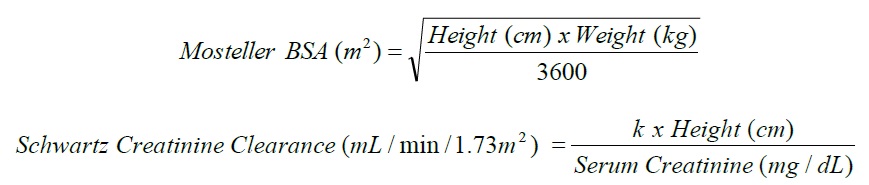
DOSAGE AND ADMINISTRATION Adult Dosage ( 2.2 ) Treatment of CMV retinitis Induction: 900 mg (two 450 mg tablets) twice a day for 21 days Maintenance: 900 mg (two 450 mg tablets) once a day Prevention of CMV disease in heart or kidney-pancreas transplant patients 900 mg (two 450 mg tablets) once a day within 10 days of transplantation until 100 days post-transplantation Prevention of CMV disease in kidney transplant patients 900 mg (two 450 mg tablets) once a day within 10 days of transplantation until 200 days post-transplantation Pediatric Dosage ( 2.3 ) Prevention of CMV disease in kidney transplant patients 4 months to 16 years of age Dose once a day within 10 days of transplantation until 200 days post-transplantation according to dosage algorithm (note the calculation of creatinine clearance using a modified Schwartz formula in children) Prevention of CMV disease in heart transplant patients 1 month to 16 years of age Dose once a day within 10 days of transplantation until 100 days post-transplantation according to dosage algorithm (note the calculation of creatinine clearance using a modified Schwartz formula in children) Valganciclovir for oral solution and tablets should be taken with food. ( 2.1 , 12.3 ) Valganciclovir tablets should not be broken or crushed. ( 2.6 ) Adult patients should use valganciclovir tablets, not valganciclovir for oral solution. ( 2.1 ) Adults with renal impairment: Adjust dose based on creatinine clearance. For adult patients receiving hemodialysis a dose recommendation cannot be given. ( 2.5 , 8.6 , 12.3 ) 2.1 General Dosing Information Adult patients should use valganciclovir tablets, not valganciclovir for oral solution. Valganciclovir for oral solution and tablets should be taken with food [see Clinical Pharmacology (12.3)]. Valganciclovir for oral solution (50 mg/mL) must be prepared by the pharmacist prior to dispensing to the patient [see Dosage and Administration (2.4) ]. 2.2 Recommended Dosage in Adult Patients with Normal Renal Function For dosage recommendations in adult patients with renal impairment [see Dosage and Administration (2.5)]. Treatment of CMV Retinitis: Induction: The recommended dosage is 900 mg (two 450 mg tablets) taken orally twice a day for 21 days. Maintenance: Following induction treatment, or in adult patients with inactive CMV retinitis, the recommended dosage is 900 mg (two 450 mg tablets) taken orally once a day. Prevention of CMV Disease: For adult patients who have received a heart or kidney-pancreas transplant, the recommended dosage is 900 mg (two 450 mg tablets) taken orally once a day starting within 10 days of transplantation until 100 days post-transplantation. For adult patients who have received a kidney transplant, the recommended dosage is 900 mg (two 450 mg tablets) taken orally once a day starting within 10 days of transplantation until 200 days post-transplantation. 2.3 Recommended Dosage in Pediatric Patients Prevention of CMV Disease in Pediatric Kidney Transplant Patients: For pediatric kidney transplant patients 4 months to 16 years of age, the recommended once daily mg dose (7 x BSA x CrCl) should start within 10 days of post-transplantation until 200 days post-transplantation. Prevention of CMV Disease in Pediatric Heart Transplant Patients : For pediatric heart transplant patients 1 month to 16 years of age, the recommended once daily mg dose (7 x BSA x CrCl) should start within 10 days of transplantation until 100 days post-transplantation. The recommended once daily dosage of valganciclovir for oral solution is based on body surface area (BSA) and creatinine clearance (CrCl) derived from a modified Schwartz formula, and is calculated using the equation below: Pediatric Dose (mg) = 7 x BSA x CrCl (calculated using a modified Schwartz formula). If the calculated Schwartz creatinine clearance exceeds 150 mL/min/1.73 m 2 , then a maximum value of 150 mL/min/1.73 m 2 should be used in the equation. The k values used in the modified Schwartz formula are based on pediatric patient age, as shown in Table 1. Table 1 k Values According to Pediatric Patient Age * *The k values provided are based on the Jaffe method of measuring serum creatinine, and may require correction when enzymatic methods are used 1 . k value Pediatric Patient Age 0.33 Infants less than 1 year of age with low birth weight for gestational age 0.45 Infants less than 1 year of age with birth weight appropriate for gestational age 0.45 Children aged 1 to less than 2 years 0.55 Boys aged 2 to less than 13 years Girls aged 2 to less than 16 years 0.7 Boys aged 13 to 16 years Monitor serum creatinine levels regularly and consider changes in height and body weight and adapt the dose as appropriate during prophylaxis period. All calculated doses should be rounded to the nearest 25 mg increment for the actual deliverable dose. The oral dispenser is graduated in 0.5 mL increments. A 50 mg dose is equivalent to 1 mL. If the calculated dose exceeds 900 mg, a maximum dose of 900 mg should be administered. Valganciclovir for oral solution is the preferred formulation since it provides the ability to administer a dose calculated according to the formula above; however, valganciclovir tablets may be used if the calculated doses are within 10% of available tablet strength (450 mg). For example, if the calculated dose is between 405 mg and 495 mg, one 450 mg tablet may be taken. Before prescribing valganciclovir tablets, pediatric patients should be assessed for the ability to swallow tablets. Figure 1 2.4 Preparation of Valganciclovir for Oral Solution Wearing disposable gloves is recommended during reconstitution and when wiping the outer surface of the bottle/cap and the table after reconstitution. Prior to dispensing to the patient, valganciclovir for oral solution must be prepared by the pharmacist as follows [see How Supplied/Storage and Handling (16 )] : Measure 91 mL of purified water in a graduated cylinder. Shake the valganciclovir for oral solution bottle to loosen the powder. Remove the child resistant bottle cap and add approximately half the total amount of water for constitution to the bottle and shake the closed bottle well for about 1 minute. Add the remainder of water and shake the closed bottle well for about 1 minute. This prepared solution contains 50 mg of valganciclovir free base per 1 mL. Remove the child resistant bottle cap and push the bottle adapter into the neck of the bottle. Close bottle with child resistant bottle cap tightly. This will assure the proper seating of the bottle adapter in the bottle and child resistant status of the cap. Store constituted oral solution under refrigeration at 2ºC to 8ºC (36ºF to 46ºF) for no longer than 49 days. Do not freeze. Write the discard date of the constituted oral solution on the bottle label. The patient package insert, which includes the dosing instructions for patients, and 2 oral dispensers should be dispensed to the patient [see Patient Counseling Information (17 )] . 2.5 Dosage Recommendation for Adult Patients with Renal Impairment Serum creatinine levels or estimated creatinine clearance should be monitored regularly during treatment. Dosage recommendations for adult patients with reduced renal function are provided in Table 2. For adult patients on hemodialysis (CrCl less than 10 mL/min), a dose recommendation for valganciclovir tablets cannot be given [see Use in Specific Populations (8.5 , 8.6 ), Clinical Pharmacology (12.3)]. Table 2 Dosage Recommendations for Adult Patients with Impaired Renal Function *An estimated creatinine clearance in adults is calculated from serum creatinine by the following formulas: Valganciclovir 450 mg Tablets CrCl * (mL/min) Induction Dose Maintenance/ Prevention Dose ≥ 60 900 mg twice daily 900 mg once daily 40 to 59 450 mg twice daily 450 mg once daily 25 to 39 450 mg once daily 450 mg every 2 days 10 to 24 450 mg every 2 days 450 mg twice weekly < 10 (on hemodialysis) not recommended not recommend
Warnings
WARNINGS AND PRECAUTIONS Acute renal failure: Acute renal failure may occur in elderly patients (with or without reduced renal function), patients who receive concomitant nephrotoxic drugs, or inadequately hydrated patients. Use with caution in elderly patients or those taking nephrotoxic drugs, reduce dosage in patients with renal impairment, and monitor renal function. ( 2.5 , 5.2 , 8.5 , 8.6 ) 5.1 Hematologic Toxicity Severe leukopenia, neutropenia, anemia, thrombocytopenia, pancytopenia, and bone marrow failure including aplastic anemia have been reported in patients treated with valganciclovir hydrochloride or ganciclovir. Valganciclovir hydrochloride should be avoided if the absolute neutrophil count is less than 500 cells/µL, the platelet count is less than 25,000/µL, or the hemoglobin is less than 8 g/dL. Valganciclovir hydrochloride should also be used with caution in patients with pre-existing cytopenias and in patients receiving myelosuppressive drugs or irradiation. Cytopenia may occur at any time during treatment and may worsen with continued dosing. Cell counts usually begin to recover within 3 to 7 days after discontinuing drug. In patients with severe leukopenia, neutropenia, anemia and/or thrombocytopenia, treatment with hematopoietic growth factors may be considered. Due to the frequency of neutropenia, anemia, and thrombocytopenia in patients receiving valganciclovir hydrochloride [see Adverse Reactions (6.1) ], complete blood counts with differential and platelet counts should be performed frequently, especially in infants, in patients with renal impairment, and in patients in whom ganciclovir or other nucleoside analogues have previously resulted in leukopenia, or in whom neutrophil counts are less than 1000 cells/µL at the beginning of treatment. Increased monitoring for cytopenias may be warranted if therapy with oral ganciclovir is changed to valganciclovir hydrochloride because of increased plasma concentrations of ganciclovir after valganciclovir hydrochloride administration [see Clinical Pharmacology (12.3) ] . 5.2 Acute Renal Failure Acute renal failure may occur in: Elderly patients with or without reduced renal function. Caution should be exercised when administering valganciclovir hydrochloride to geriatric patients, and dosage reduction is recommended for those with impaired renal function [see Dosage and Administration (2.5) , Use in Specific Populations (8.5 , 8.6 )] . Patients receiving potential nephrotoxic drugs. Caution should be exercised when administering valganciclovir hydrochloride to patients receiving potential nephrotoxic drugs. Patients without adequate hydration. Adequate hydration should be maintained for all patients. 5.3 Impairment of Fertility Based on animal data and limited human data, valganciclovir hydrochloride at the recommended human doses may cause temporary or permanent inhibition of spermatogenesis in males, and may cause suppression of fertility in females. Advise patients that fertility may be impaired with use of valganciclovir hydrochloride [see Use in Specific Populations (8.1 , 8.3 ), Nonclinical Toxicology (13.1) ] . 5.4 Fetal Toxicity Ganciclovir may cause fetal toxicity when administered to pregnant women based on findings in animal studies. When given to pregnant rabbits at dosages resulting in 2 times the human exposure (based on AUC), ganciclovir caused malformations in multiple organs of the fetuses. Maternal and fetal toxicity were also observed in pregnant mice and rabbits. Therefore, valganciclovir hydrochloride has the potential to cause birth defects. Pregnancy should be avoided in female patients taking valganciclovir hydrochloride and in females with male partners taking valganciclovir hydrochloride. Females of reproductive potential should be advised to use effective contraception during treatment and for at least 30 days following treatment with valganciclovir hydrochloride because of the potential risk to the fetus. Similarly, males should be advised to use condoms during and for at least 90 days following treatment with valganciclovir hydrochloride [see Dosage and Administration (2.6) , Use in Specific Populations (8.1 , 8.3 ), Nonclinical Toxicology (13.1) ]. 5.5 Mutagenesis and Carcinogenesis Animal data indicate that ganciclovir is mutagenic and carcinogenic. Valganciclovir hydrochloride should therefore be considered a potential carcinogen in humans [see Dosage and Administration (2.6) , Nonclinical Toxicology (13.1) ].
Contraindications
CONTRAINDICATIONS Valganciclovir for oral solution is contraindicated in patients who have had a demonstrated clinically significant hypersensitivity reaction (e.g., anaphylaxis) to valganciclovir, ganciclovir, or any component of the formulation [see Adverse Reactions (6.1) ]. Hypersensitivity to valganciclovir or ganciclovir. ( 4 )
Drug interactions
DRUG INTERACTIONS In vivo drug-drug interaction studies were not conducted with valganciclovir. However, because valganciclovir is rapidly and extensively converted to ganciclovir, drug-drug interactions associated with ganciclovir will be expected for valganciclovir hydrochloride. Drug-drug interaction studies with ganciclovir were conducted in patients with normal renal function. Following concomitant administration of valganciclovir hydrochloride and other renally excreted drugs, patients with impaired renal function may have increased concentrations of ganciclovir and the coadministered drug. Therefore, these patients should be closely monitored for toxicity of ganciclovir and the coadministered drug. Established and other potentially significant drug interactions conducted with ganciclovir are listed in Table 9. Table 9 Established and Other Potentially Significant Drug Interactions with Ganciclovir Name of the Concomitant Drug Change in the Concentration of Ganciclovir or Concomitant Drug Clinical Comment Imipenem-cilastatin Unknown Coadministration with imipenem-cilastatin is not recommended because generalized seizures have been reported in patients who received ganciclovir and imipenem-cilastatin. Cyclosporine or amphotericin B Unknown Monitor renal function when valganciclovir hydrochloride is coadministered with cyclosporine or amphotericin B because of potential increase in serum creatinine [see Warnings and Precautions (5.2) ]. Mycophenolate mofetil (MMF) ↔ Ganciclovir (in patients with normal renal function) ↔ MMF (in patients with normal renal function) Based on increased risk, patients should be monitored for hematological and renal toxicity. Other drugs associated with myelosuppression or nephrotoxicity (e.g., adriamycin, dapsone, doxorubicin, flucytosine, hydroxyurea, pentamidine, tacrolimus, trimethoprim/ sulfamethoxazole, vinblastine, vincristine, and zidovudine) Unknown Because of potential for higher toxicity, coadministration with valganciclovir hydrochloride should be considered only if the potential benefits are judged to outweigh the risks. Didanosine ↔ Ganciclovir ↑ Didanosine Patients should be closely monitored for didanosine toxicity (e.g., pancreatitis) Probenecid ↑ Ganciclovir Valganciclovir hydrochloride dose may need to be reduced. Monitor for evidence of ganciclovir toxicity. Imipenem-cilastatin: Seizures were reported in patients receiving ganciclovir and imipenem-cilastatin. Concomitant use is not recommended unless the potential benefits outweigh the risks. (7) Cyclosporine or amphotericin B: When coadministered with valganciclovir, the risk of nephrotoxicity may be increased. Monitor renal function. ( 5.2 , 7 ) Mycophenolate mofetil (MMF): When coadministered with valganciclovir, the risk of hematological and renal toxicity may be increased. Monitor for ganciclovir and MMF toxicity. (7 ) Other drugs associated with myelosuppression or nephrotoxicity: Due to potential for increased toxicity, consider for concomitant use with valganciclovir only if the potential benefits are judged to outweigh the risks. (7 ) Didanosine: Ganciclovir coadministered with didanosine may increase didanosine levels. Monitor for didanosine toxicity (e.g., pancreatitis). ( 7 ) Probenecid: May increase ganciclovir levels. Monitor for evidence of ganciclovir toxicity. ( 7)
Adverse reactions
ADVERSE REACTIONS The following serious adverse reactions are discussed in greater detail in other sections of the labeling: Hematologic Toxicity [see Warnings and Precautions (5.1) ] . Acute Renal Failure [see Warnings and Precautions (5.2) ] . Impairment of Fertility [see Warnings and Precautions (5.3) ] . Fetal Toxicity [see Warnings and Precautions (5.4) ] . Mutagenesis and Carcinogenesis [see Warnings and Precautions (5.5) ] . The most common adverse reactions and laboratory abnormalities reported in at least one indication by greater than or equal to 20% of adult patients treated with valganciclovir tablets are diarrhea, pyrexia, fatigue, nausea, tremor, neutropenia, anemia, leukopenia, thrombocytopenia, headache, insomnia, urinary tract infection, and vomiting. The most common reported adverse reactions and laboratory abnormalities reported in greater than or equal to 20% of pediatric solid organ transplant recipients treated with valganciclovir for oral solution or tablets are diarrhea, pyrexia, upper respiratory tract infection, urinary tract infection, vomiting, neutropenia, leukopenia, and headache. Adult patients: Most common adverse reactions and laboratory abnormalities (reported in at least one indication by greater than or equal to 20% of patients) are diarrhea, pyrexia, fatigue, nausea, tremor, neutropenia, anemia, leukopenia, thrombocytopenia, headache, insomnia, urinary tract infection, and vomiting. (6.1 ) Pediatric patients: Most common adverse reactions and laboratory abnormalities (reported in greater than or equal to 20% of pediatric solid organ transplant recipients) are diarrhea, pyrexia, upper respiratory tract infection, urinary tract infection, vomiting, neutropenia, leukopenia, and headache. (6.1 ) To report SUSPECTED ADVERSE REACTIONS, contact Aurobindo Pharma USA, Inc. at 1-866-850-2876 or FDA at 1-800-FDA-1088 or www.fda.gov/medwatch. 6.1 Clinical Trials Experience Because clinical trials are conducted under widely varying conditions, adverse reaction rates observed in the clinical trials of a drug cannot be directly compared to rates in the clinical trials of another drug and may not reflect rates observed in practice. Valganciclovir, a prodrug of ganciclovir, is rapidly converted to ganciclovir after oral administration. Adverse reactions known to be associated with ganciclovir usage can therefore be expected to occur with valganciclovir hydrochloride. Adverse Reactions in Adults: Treatment of CMV Retinitis in AIDS Patients: In a clinical study for the treatment of CMV retinitis in HIV-infected patients, the adverse reactions reported by patients receiving valganciclovir tablets (n=79) or intravenous ganciclovir (n=79) for 28 days of randomized therapy (21 days induction dose and 7 days maintenance dose), respectively, included diarrhea (16%, 10%), nausea (8%, 14%), and headache (9%, 5%). The incidence of adverse reactions was similar between the group who received valganciclovir tablets and the group who received intravenous ganciclovir. The frequencies of neutropenia (ANC less than 500/µL) were 11% for patients receiving valganciclovir tablets compared with 13% for patients receiving intravenous ganciclovir. Anemia (Hgb less than 8 g/dL) occurred in 8% of patients in each group. Other laboratory abnormalities occurred with similar frequencies in the two groups. Adverse reactions and laboratory abnormalities are available for 370 patients who received maintenance therapy with valganciclovir tablets 900 mg once daily in two open-label clinical trials. Approximately 252 (68%) of these patients received valganciclovir tablets for more than nine months (maximum duration was 36 months). Table 3 and Table 4 show pooled selected adverse reactions and abnormal laboratory values from these patients. Table 3 Pooled Selected Adverse Reactions Reported in greater than or equal to 5% of Patients who Received Valganciclovir Tablets Maintenance Therapy for CMV Retinitis Patients with CMV Retinitis Adverse Reactions according to Body System Valganciclovir Tablets (N=370) % Gastrointestinal system Diarrhea Nausea Vomiting Abdominal pain 41 30 21 15 General disorders and administrative site conditions Pyrexia 31 Nervous system disorders Headache Insomnia Neuropathy peripheral Paresthesia 22 16 9 8 Eye disorders Retinal detachment 15 Table 4 Pooled Selected Laboratory Abnormalities Reported in Patients Who Received Valganciclovir Tablets Maintenance Therapy for the Treatment of CMV Retinitis Patients with CMV Retinitis Laboratory Abnormalities Valganciclovir Tablets (N=370) % Neutropenia: ANC/µL < 500 500 to < 750 750 to < 1000 19 17 17 Anemia: Hemoglobin g/dL < 6.5 6.5 to < 8.0 8.0 to < 9.5 7 13 16 Thrombocytopenia: Platelets/µL < 25000 25000 to < 50000 50000 to < 100000 4 6 22 Serum Creatinine: mg/dL > 2.5 > 1.5 to 2.5 3 12 Prevention of CMV Disease in Solid Organ Transplant Patients: Table 5 shows selected adverse reactions regardless of severity with an incidence of greater than or equal to 5% from a clinical trial (up to 28 days after study treatment) where heart, kidney, kidney-pancreas and liver transplant patients received valganciclovir tablets (N=244) or oral ganciclovir (N=126) until Day 100 post-transplant. The majority of the adverse reactions were of mild or moderate intensity. Table 5 Percentage of Selected Grades 1 to 4 Adverse Reactions Reported in greater than or equal to 5% of Adult Patients From a Study of Solid Organ Transplant Patients Adverse Reactions Valganciclovir Tablets (N=244) % Oral Ganciclovir (N=126) % Gastrointestinal disorders Diarrhea 30 29 Nausea 23 23 Vomiting 16 14 Nervous system disorders Tremors 28 25 Headache 22 27 Insomnia 20 16 General disorders and administration site conditions Pyrexia 13 14 Table 6 shows selected adverse reactions regardless of severity with an incidence of greater than or equal to 5% from another clinical trial where kidney transplant patients received either valganciclovir once daily starting within 10 days post-transplant until Day 100 post-transplant followed by 100 days of placebo or valganciclovir once daily until Day 200 post-transplant. The overall safety profile of valganciclovir did not change with the extension of prophylaxis until Day 200 post-transplant in high risk kidney transplant patients. Table 6 Percentage of Selected Grades 1 to 4 Adverse Reactions Reported in greater than or equal to 5% of Adult Patients from a Study of Kidney Transplant Patients Adverse Reactions Valganciclovir Tablets Day 100 Post-transplant (N=164) % Valganciclovir Tablets Day 200 Post-transplant (N=156) % Gastrointestinal disorders Diarrhea 26 31 Nausea 11 11 Vomiting 3 6 Nervous system disorders Tremors 12 17 Headache 10 6 Insomnia 7 6 General disorders and administration site conditions Pyrexia 12 9 Table 7 and Table 8 show selected laboratory abnormalities reported with valganciclovir tablets in two trials in solid organ transplant patients. Table 7 Selected Laboratory Abnormalities Reported in a Study of Adult Solid Organ Transplant Patients* *Laboratory abnormalities are those reported by investigators. Laboratory Abnormalities Valganciclovir Tablets (N=244) % Ganciclovir Capsules (N=126) % Neutropenia: ANC/µL < 500 500 to < 750 750 to < 1000 5 3 5 3 2 2 Anemia: Hemoglobin g/dL < 6.5 6.5 to < 8.0 8.0 to < 9.5 1 5 31 2 7 25 Thrombocytopenia: Platelets/µL < 25000 25000 to < 50000 50000 to < 100000 0 1 18 2 3 21 Serum Creatinine: mg/dL > 2.5 > 1.5 to 2.5 14 45 21 47 Table 8 Selected Laboratory Abnormalities Reported in a Study of Adult Kidney Transplant Patients* *Laboratory abnormalities are those reported by investigators. Laboratory Abnormalities Valganciclovir Tablets Day 100 Post-transplant (N=164) % Valganciclovir Tablets Day 200 Post-transplant (N=156) % Neutropenia: ANC/µL < 500 500 to < 750 750 to < 1000 9 6 7 10 6 5 Anemia: Hemoglobin g/dL < 6.5 6.5 to < 8.0 8.0 to < 9.5 0 5 17 1 1 15 Thrombocytopenia: Platelets/µL < 25000 25000 to < 50000 50000 to < 100000 0 1 7 0 0
Mechanism of action
Mechanism of Action Valganciclovir is an antiviral drug with activity against CMV [see Microbiology (12.4 )] .
A drug lookup is just the start. Eleplan keeps the whole care plan in one place.
Medications, diagnoses, documents, appointments, and the whole care team — organized and always in sync, with Ellie, your AI care assistant, on top of it. Free to start.